Introduction
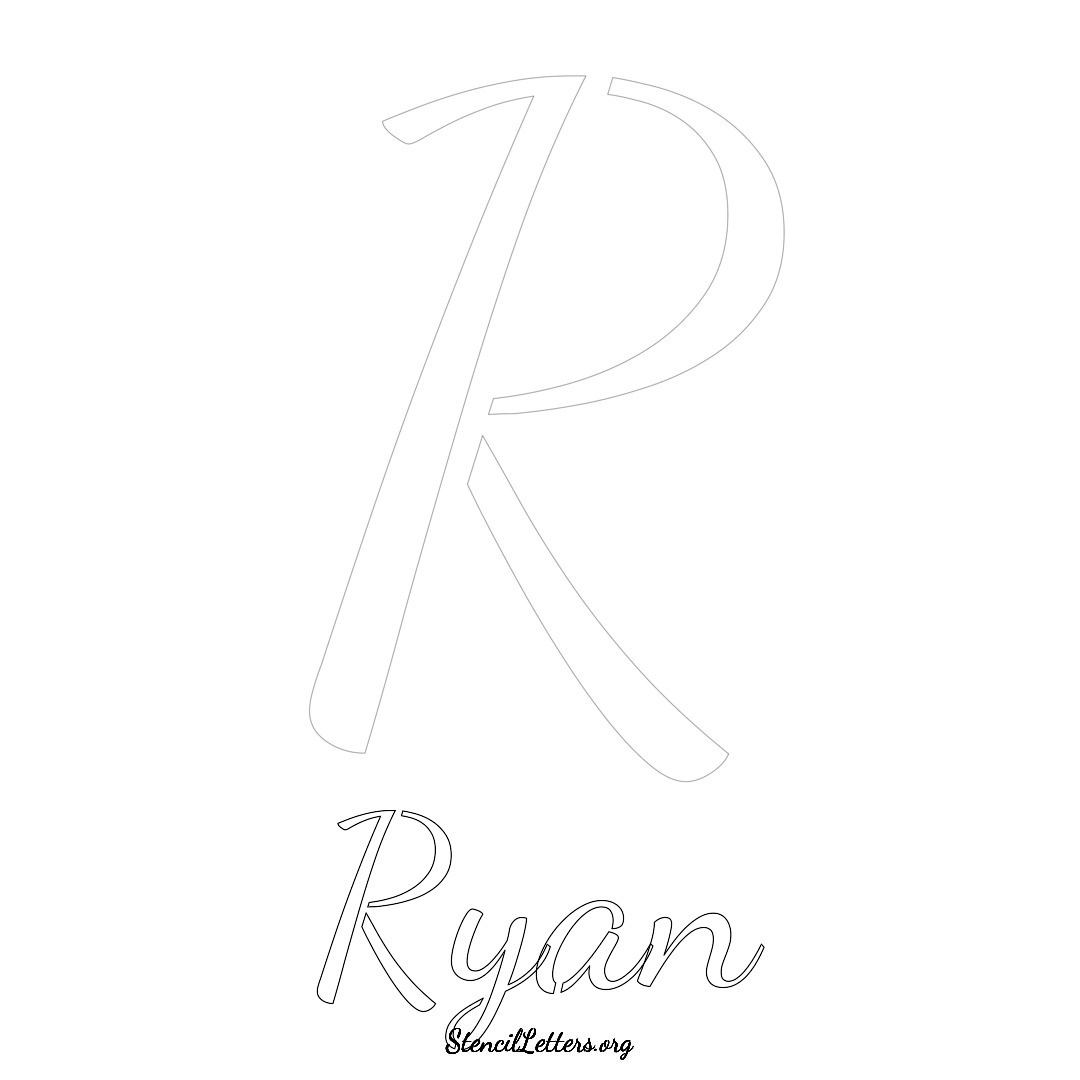
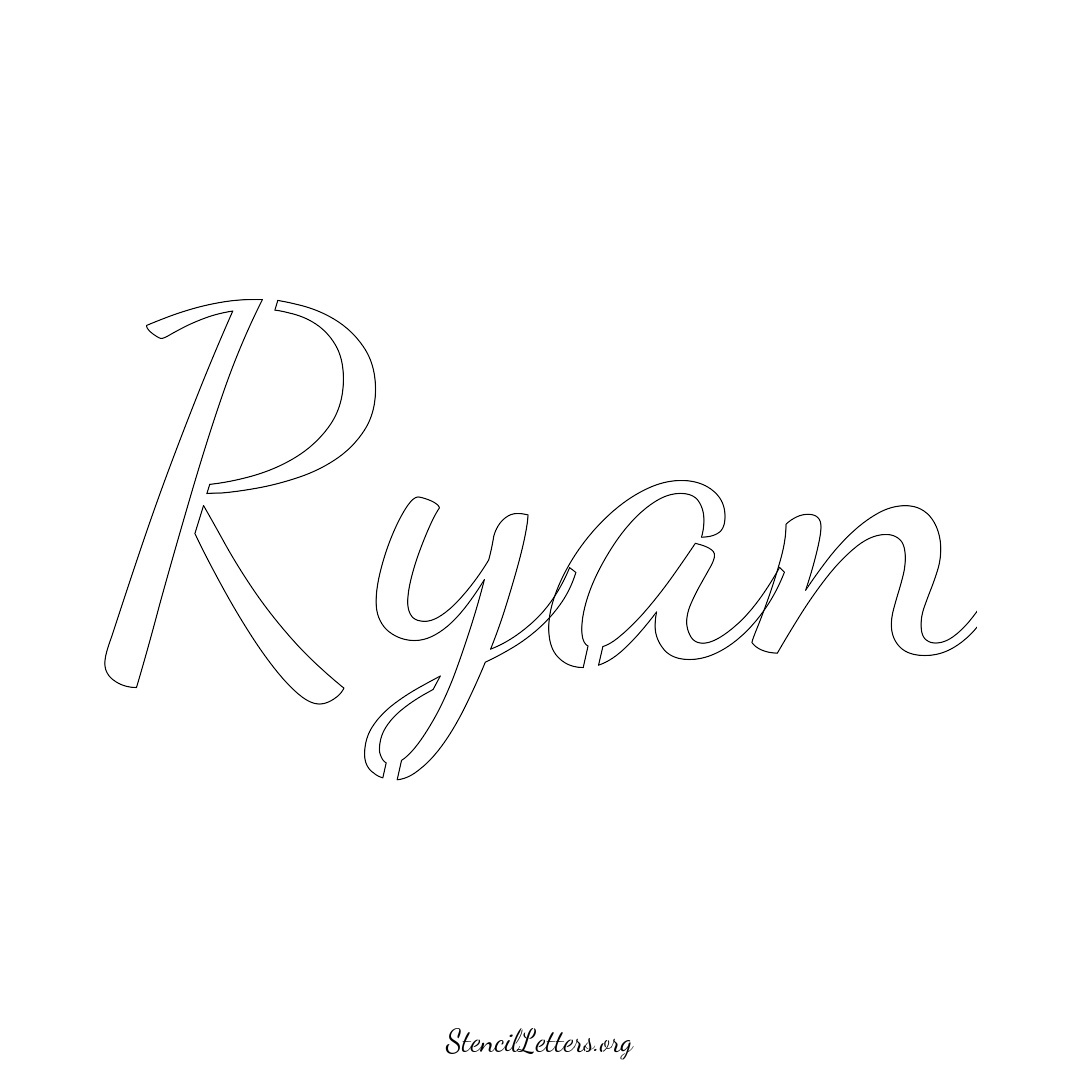
Mastering cursive writing remains an essential milestone in childhood development, bridging the gap between basic motor control and fluid academic expression. When children encounter the free printable worksheet “ryan cursive,” they engage in much more than simple decorative penmanship. Transitioning from print to connected script requires deliberate neural pathways, precise visual-motor integration, and consistent practice. Adults often notice a sudden shift in focus when young learners attempt to connect their first letters, transitioning from halting, rigid motions to continuous, flowing strokes. According to the American Occupational Therapy Association, foundational fine motor activities directly support classroom engagement and academic success by reducing the physical strain of writing.
💡 Educational Key Takeaways:
- Core Skill: Structured Ryan Cursive focused on developing pencil grip, stroke control, and early literacy/math confidence.
- Target Scope: Suited for homeschoolers, preschool, kindergarten, and elementary learners.
- Best Recommendation: Practice 10–15 minutes daily with ergonomic writing tools to reinforce muscle memory without hand fatigue.
What This Worksheet Covers
The “ryan cursive” resource specifically targets letter recognition, proper stroke sequence, and consistent spatial organization. It sounds simple, and that’s the point: focusing on a familiar, personal identifier like a name reduces cognitive load, allowing the child to concentrate entirely on hand placement and pencil pressure. Educators frequently observe children gripping a writing utensil with excessive force when tackling complex vocabulary, but personal name tracing invites a relaxed, rhythmic movement pattern. Mastery of connected script relies heavily on understanding how individual graphemes flow into one another without lifting the writing tool. Exploring dedicated Name Practice Worksheets provides further reinforcement for children building confidence through personalized spelling exercises.
Key Learning Outcomes
Working through this targeted exercise yields measurable improvements in directional consistency, slant regularity, and baseline adherence. Here’s what makes this worksheet different: it balances the rigid demands of traditional penmanship with the rhythmic flow necessary for speed and legibility. Children learn where to start each lowercase connector, how to loop ascenders, and where to anchor descenders below the primary line. According to Reading Rockets, systematic handwriting instruction enhances overall literacy development by solidifying letter-sound associations through kinesthetic memory.
How to Use This Worksheet
Implementation requires a supportive environment where posture, lighting, and workspace ergonomics receive careful attention. Adults should encourage a functional grasp—such as a dynamic tripod grip—before letting the pencil touch the paper, ensuring the wrist remains relatively flat rather than curled. Children benefit immensely from watching an adult demonstrate the continuous motion of the target name in real time, listening to verbal cues like “glide up, loop down, and connect.” If a child begins to fatigue or display frustration, pause the session immediately. Integrating diverse Letter Writing Worksheets after mastering name-based script helps maintain enthusiasm without inducing burnout.
Practical Tips for Parents and Teachers
Tactile preparation can transform a frustrating writing session into an engaging sensory experience. Tracing the letters in a tray filled with salt, sand, or shaving cream activates proprioceptive feedback before transitioning to standard paper. Slant boards positioned at a twenty-degree angle naturally encourage an upright posture and optimal wrist extension, aligning with recommendations found across various Preschool Worksheets collections. Consistency matters far more than duration; five minutes of focused daily practice yields superior results compared to an exhausting weekend marathon.
Age-Appropriate Recommendations
Introducing cursive typically aligns with second grade, or approximately seven to eight years of age, once manuscript printing is reasonably automatic. According to the National Association for the Education of Young Children, developmentally appropriate practice dictates that expectations must match a child’s current neurological and physical stamina. Pushing cursive too early can result in cramped hands and entrenched awkward habits that prove difficult to correct later. Educators utilizing the Handwriting Without Tears framework find that starting with lowercase letters sharing similar starting movements creates a smooth, frustration-free bridge into full-name script.
Systematic handwriting instruction directly correlates with improved reading fluency and enhanced creative composition skills in early elementary students. — Reading Rockets
Frequently Asked Questions
Navigating the nuances of cursive instruction often brings up common questions regarding timing, tools, and printing logistics. Clear, evidence-based guidance ensures adults can support young learners effectively at home or in the classroom environment.
Structured graphomotor practice significantly improves manual dexterity, spatial awareness, and visual-motor integration in young children. — American Occupational Therapy Association
Explore More Free Printable Worksheets
Expanding a child’s repertoire beyond a single name requires access to a diverse library of skill-building resources. Incorporating varied Tracing Worksheets keeps pre-writing strokes engaging while reinforcing pencil control. Reviewing the complete collection of available Worksheets ensures every learner finds the exact level of challenge they need to thrive.
Developmental Milestone & Activity Table
| Development Stage | Recommended Daily Duration | Primary Learning Objective |
|---|---|---|
| Preschool & Pre-K | 10 – 15 Minutes | Pencil grip development & basic pre-stroke lines |
| Kindergarten | 15 – 20 Minutes | Letter/number formation & spatial line awareness |
| Early Elementary (Grade 1–2) | 20 – 30 Minutes | Fluency, sentence construction & neatness |
Images References