Introduction
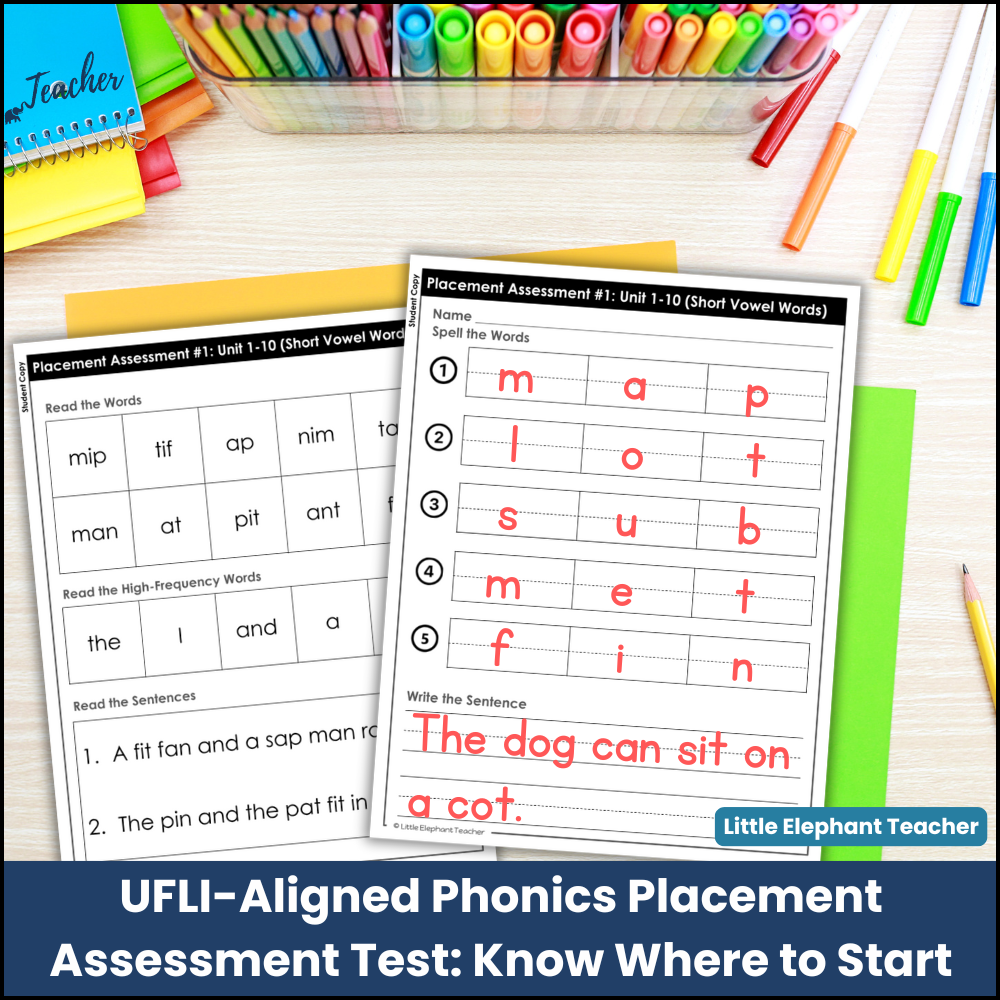
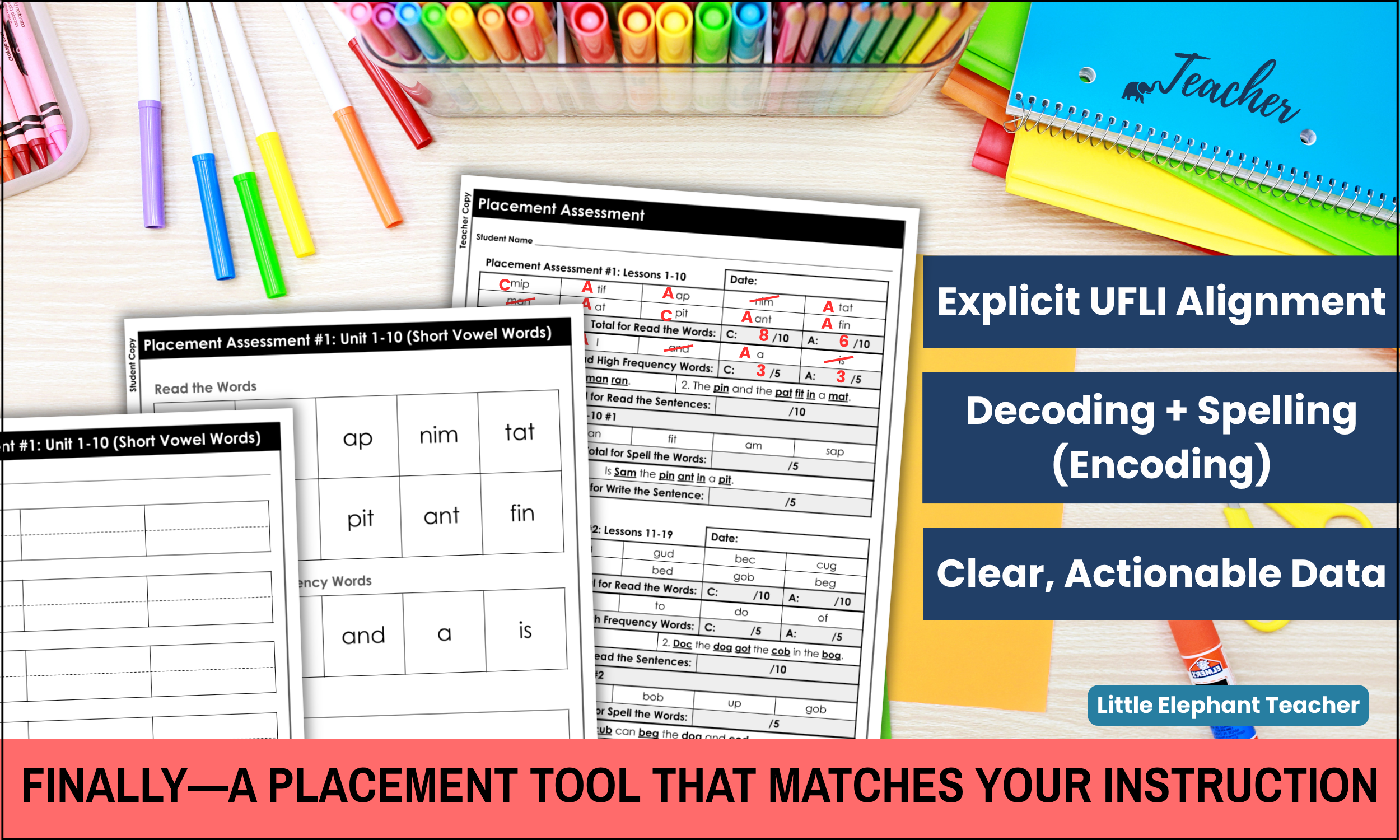
The ufli interention placement test functions as a diagnostic tool used to determine the exact phonics and decoding entry points for struggling early readers, which directly impacts foundational literacy and structural print mastery. According to the International Literacy Association (ILA), targeted diagnostic screening ensures that foundational reading instruction aligns precisely with individual student skill levels before complex mechanical writing tasks are introduced. Integrating systematic diagnostic findings with targeted physical printing instruction helps bridge the gap between letter-sound recognition and actual handwriting execution. Educators frequently utilize diagnostic metrics to select appropriate tracing worksheets that reinforce both visual-motor integration and phoneme-grapheme correspondences simultaneously.
Handwriting Practice Snapshot:
- Core Focus: Aligning ufli interention placement test diagnostic data with fine-motor stroke practice sheets.
- Target Scope: Early elementary classrooms, remedial reading groups, and home-based intervention settings.
- Key Recommendation: Match diagnostic reading tiers directly with structured letter formation exercises.
Core Principles and Detailed Overview
Diagnostic placement assessments provide the necessary baseline data required to bridge phonics instruction with physical orthographic output. Understanding a learner’s precise decoding tier allows educators to design targeted handwriting routines that prevent cognitive overload. When children practice letter formation using preschool worksheets, pairing the target grapheme with its corresponding phonetic sound maximizes orthographic mapping. This dual-modal approach ensures that mechanical pencil grip and letter stroke sequencing support, rather than hinder, overall literacy development.
Key Specifications and Breakdown
| Skill Level / Grade | Target Stroke / Mechanical Focus | Pedagogical / Coaching Cue |
|---|---|---|
| Early Emergent (Pre-K) | Vertical and horizontal strokes, continuous curves | “Start at the top dot and glide downward smoothly.” |
| Transitional (Kindergarten) | Diagonal lines, letter height consistency | “Keep the pencil on the paper while forming diagonal slants.” |
| Consolidated (1st Grade) | Proportional spacing, baseline alignment | “Touch the bottom baseline without dipping below.” |
Fine-motor control and orthographic mapping develop concurrently through structured, multisensory practice methodologies — American Occupational Therapy Association (AOTA)
Step-by-Step Practical Application and Guidelines
Implementing diagnostic placement results into daily physical writing routines requires a systematic, four-step workflow. First, administer the foundational assessment to identify specific phonics and letter-recognition gaps. Second, translate those identified gaps into targeted print practice by assigning specific letter writing worksheets that isolate the exact graphemes needing reinforcement. Third, monitor pencil grip and stroke direction during practice sessions to prevent the formation of bad habits. Fourth, evaluate progress bi-weekly, shifting learners to more advanced worksheets once mechanical fluency and decoding accuracy reach mastery thresholds.
Common Challenges and How to Avoid Them
Mismatched skill placements and improper pencil grips represent the most frequent obstacles encountered when combining diagnostic testing with handwriting practice. When children are given writing tasks that exceed their current developmental stage, hand fatigue and frustration rapidly deteriorate letter formation quality. Educators can prevent this by ensuring that diagnostic screening results dictate the exact complexity of daily name practice worksheets and alphabet drills. Furthermore, integrating brief hand-strengthening exercises prior to writing sessions helps maintain fine-motor stamina and promotes proper hand positioning.
💬 Frequently Asked Questions
Explore More Free Handwriting and Character Worksheets
Accessing comprehensive educational resources bridges the gap between diagnostic assessment and effective physical writing practice. Educators and parents can discover an extensive selection of free, printable resources by visiting the main index at CharacterWritingWorksheets.com to support early literacy and fine-motor development.
Visual Reference Gallery