Introduction
Holiday-themed visual resources serve as foundational instructional tools that directly bridge fine-motor dexterity training and formal letter formation for early learners. According to the American Occupational Therapy Association (AOTA), targeted coloring and pre-writing activities significantly develop the intrinsic hand muscles required for stable pencil grasps and precise typographic control. Integrating seasonal motifs into daily practice maintains cognitive engagement while refining critical spatial awareness. Educators frequently pair these holiday assets with structured coloring worksheets to build sustained hand endurance and grip stamina. These structured design templates transform festive recreation into intentional occupational therapy interventions without diminishing creative enjoyment.
Handwriting Practice Snapshot:
- Core Focus: Seasonal coloring assets bridge fine-motor skill building with foundational letter stroke mastery.
- Target Scope: Early childhood classrooms, homeschooling environments, and occupational therapy clinics.
- Key Recommendation: Pair holiday graphic boundary control with continuous tracing worksheets to reinforce directional consistency.
Core Principles and Detailed Overview
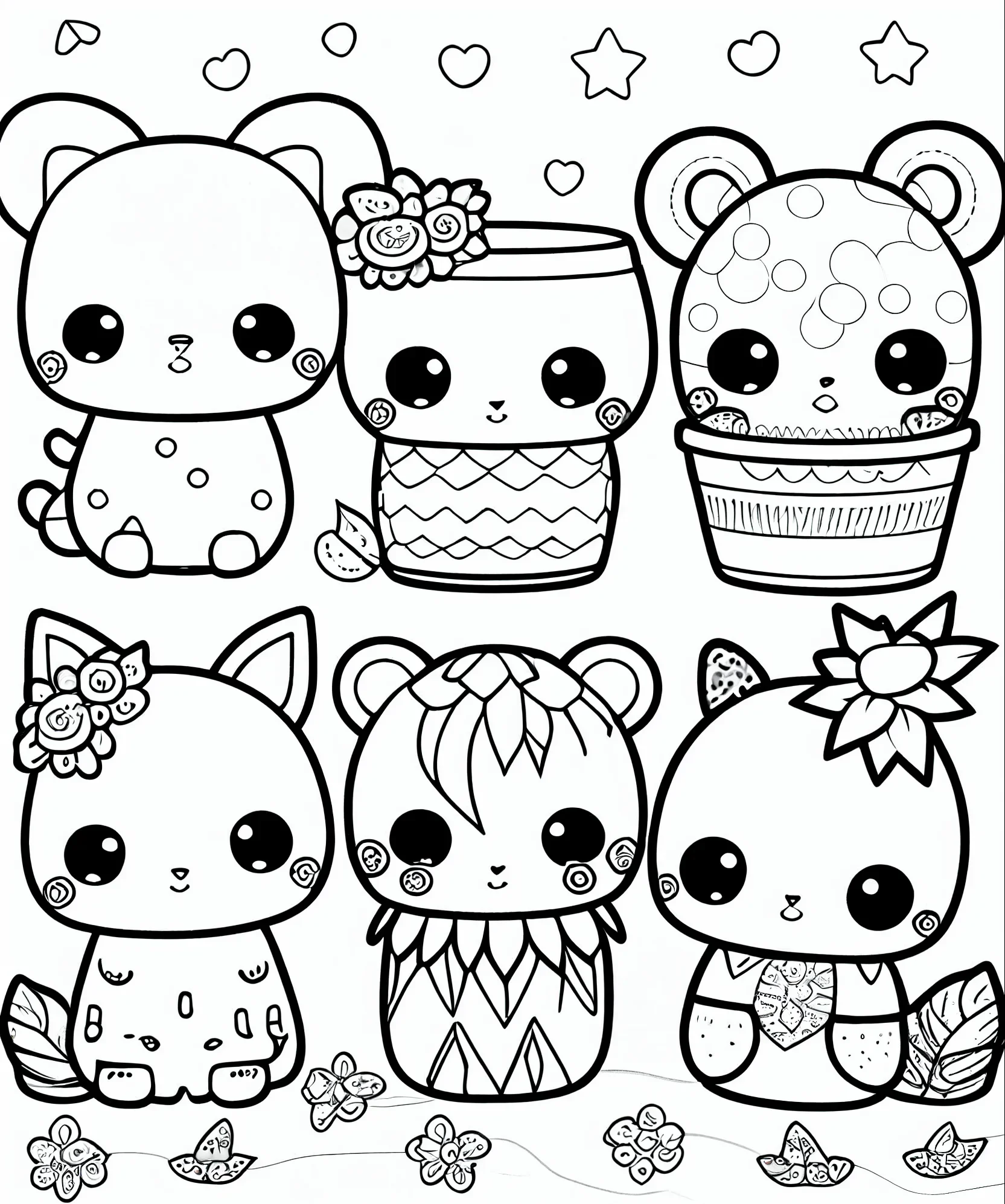
Deliberate control within bounded holiday graphics directly reinforces the precise motor planning needed for accurate character and alphabet production. Maintaining crayon or marker strokes strictly inside designated festive borders trains the visual-motor integration pathways essential for proper letter sizing, alignment, and spatial orientation on lined paper. When children color intricate seasonal designs, such as ornaments, trees, or stockings, hand-eye coordination improves alongside the muscular endurance required for extended writing tasks. Instructors can seamlessly integrate these exercises alongside preschool worksheets to establish reliable pencil pressure and fluid left-to-right tracking habits early in development.
Key Specifications and Breakdown
| Skill Level / Grade | Target Stroke / Mechanical Focus | Pedagogical / Coaching Cue |
|---|---|---|
| Pre-Kindergarten | Coarse motor boundaries and static tripod grasp stamina | Hold the crayon near the tip and fill the ornament from top to bottom. |
| Kindergarten | Dynamic tripod transition and controlled directional shading | Keep wrist movements fluid while tracing the inside edge of the star. |
| First Grade | Precise micro-movements and consistent line boundary control | Pivot fingers smoothly to color the candy cane stripes without crossing lines. |
Fine-Motor Foundations Principle: Purposeful visual-motor activities like guided coloring and directional tracing are essential prerequisites for legible handwriting and sustained typographic stamina — American Occupational Therapy Association (AOTA)
Step-by-Step Practical Application and Guidelines
Implementing seasonal graphics effectively requires a systematic approach that connects graphical boundary adherence directly to standard letter strokes. First, select holiday designs featuring distinct geometric boundaries that mirror standard typographic ascenders, descenders, and loops. Second, instruct learners to outline the outer perimeter of the holiday image before shading the interior, establishing the exact directional muscle memory utilized later in letter writing worksheets. Third, monitor finger placement closely to prevent compensatory white-knuckle grips during intricate shading phases. Finally, transition the acquired wrist flexibility into targeted name practice worksheets to solidify personalized letter sequencing.
Common Challenges and How to Avoid Them
Hand fatigue, improper pencil grasps, and premature rushing represent the primary obstacles encountered during seasonal fine-motor interventions. Educators often observe young learners pressing down excessively hard, which rapidly exhausts intrinsic hand muscles and leads to frustration. Mitigate this by enforcing alternating pressure drills and utilizing broken crayons or specialized grip trainers that naturally encourage a dynamic tripod hold. Providing structured guidance alongside general worksheets ensures that children slow down their pacing, prioritize stroke accuracy over speed, and maintain proper ergonomic alignment throughout the task.
💬 Frequently Asked Questions
Explore More Free Handwriting and Character Worksheets
Accessing comprehensive educational resources empowers educators and parents to build robust foundational skills across all developmental stages. Discover an extensive collection of specialized instructional materials designed to support early literacy by visiting CharacterWritingWorksheets.com today.