Introduction
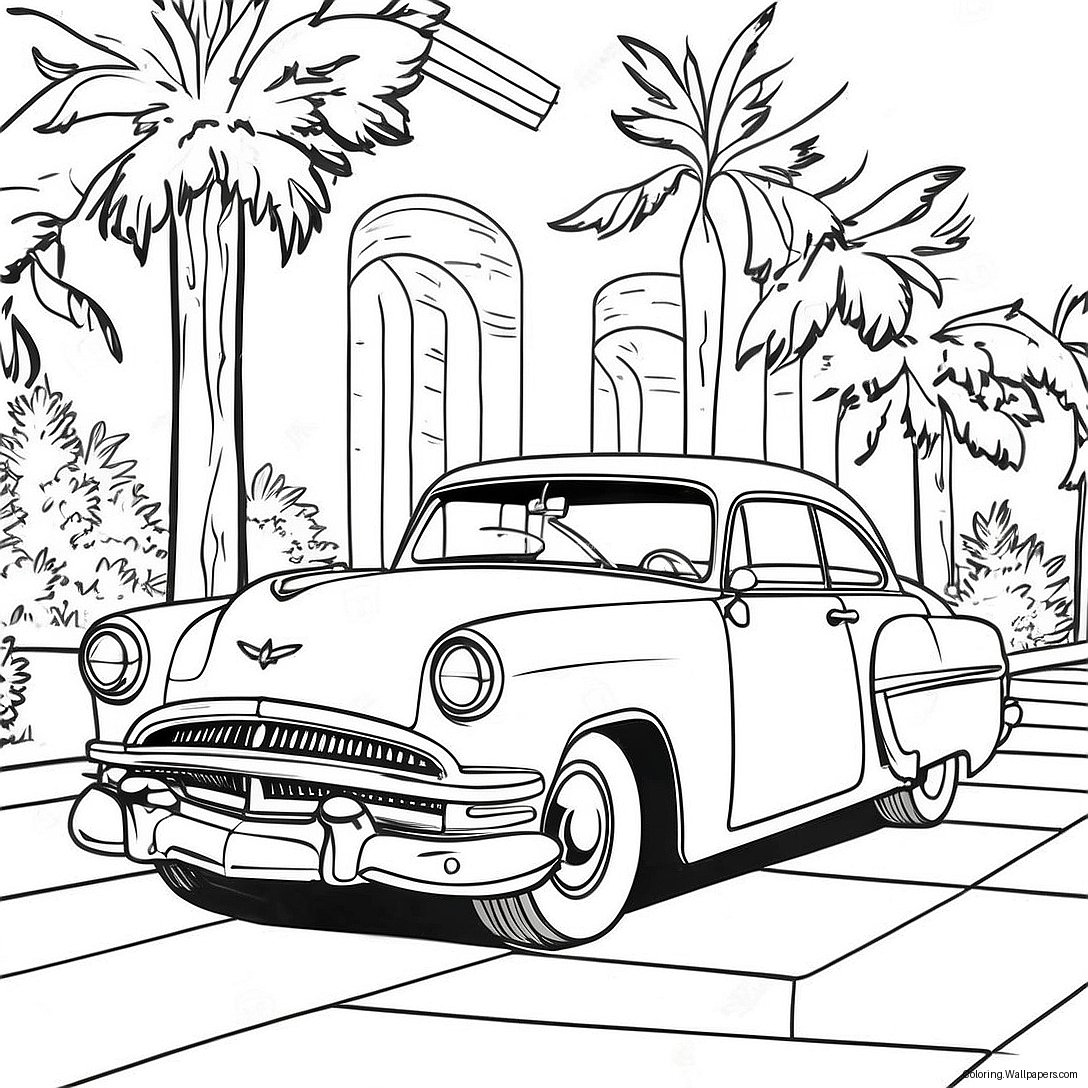
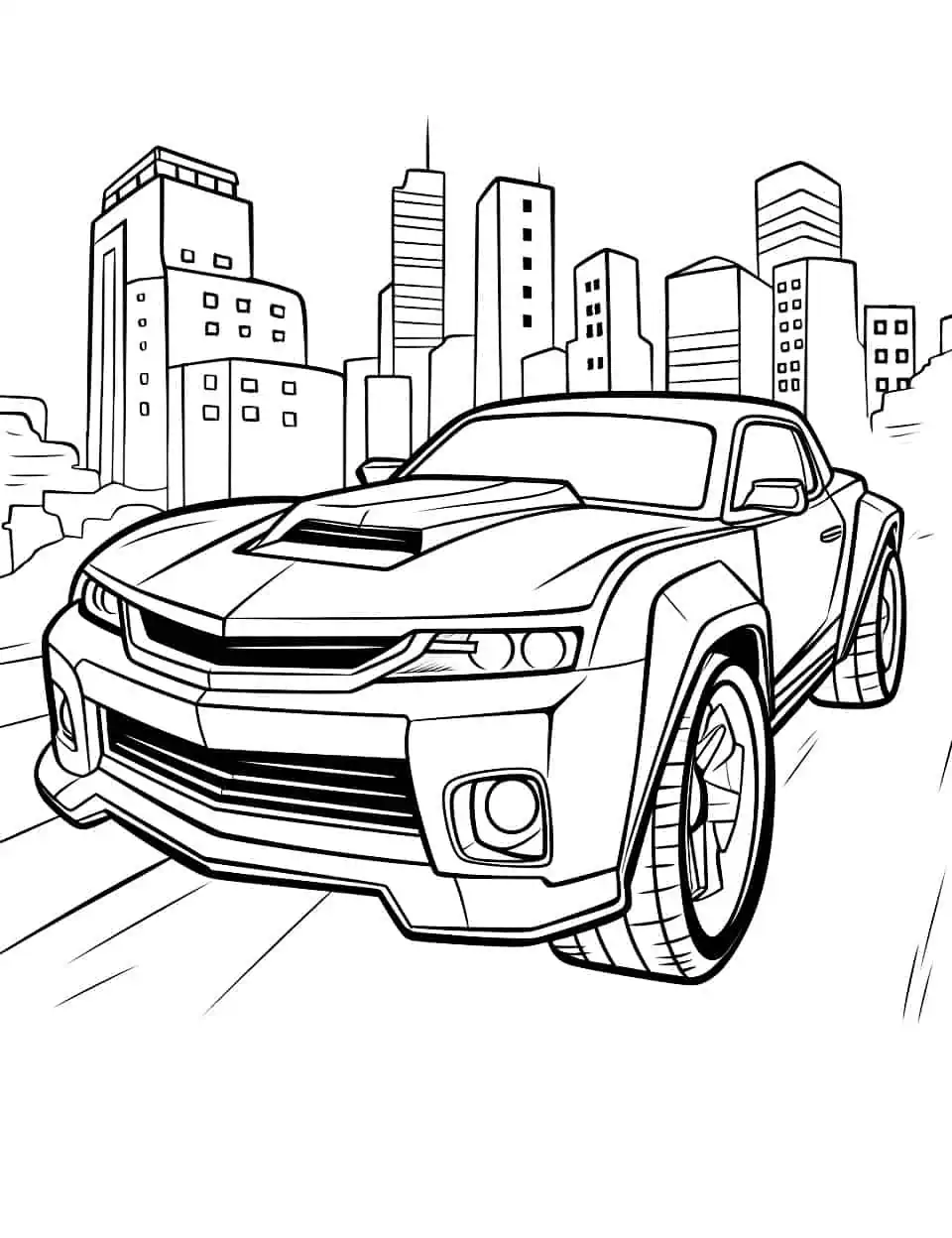
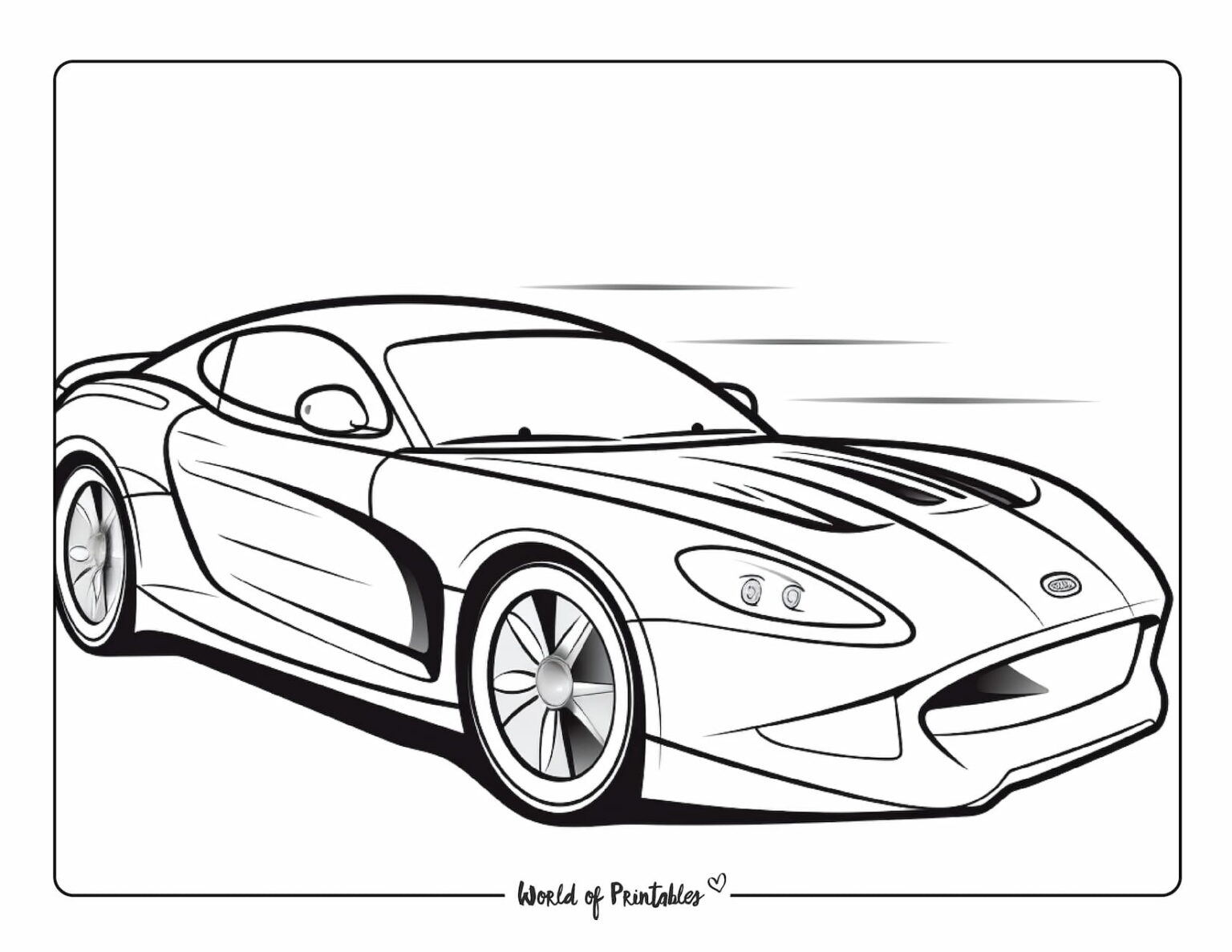
Coloring pages cars serve as targeted fine-motor interventions that bridge visual-spatial engagement with foundational handwriting mechanics. According to the American Occupational Therapy Association (AOTA), purposeful manipulation of writing and coloring implements strengthens the intrinsic hand muscles required for precise letter formation and sustained pencil control. Integrating thematic vehicle outlines into daily routines transforms passive coloring into a deliberate exercise in wrist stability, directional stroke sequencing, and spatial boundary awareness. By leveraging children’s inherent fascination with automobiles, educators and parents can systematically cultivate the grip strength and visual-motor integration essential for academic success across diverse preschool worksheets.
Handwriting Practice Snapshot:
- Core Focus: Enhancing fine-motor control, wrist stabilization, and pencil grasp through automotive-themed visual tracking.
- Target Scope: Early childhood learners, kindergarteners, and occupational therapy interventions focusing on pencil pressure regulation.
- Key Recommendation: Restrict coloring boundaries progressively to build precise micro-movements prior to rigorous letter writing worksheets.
Core Principles and Detailed Overview
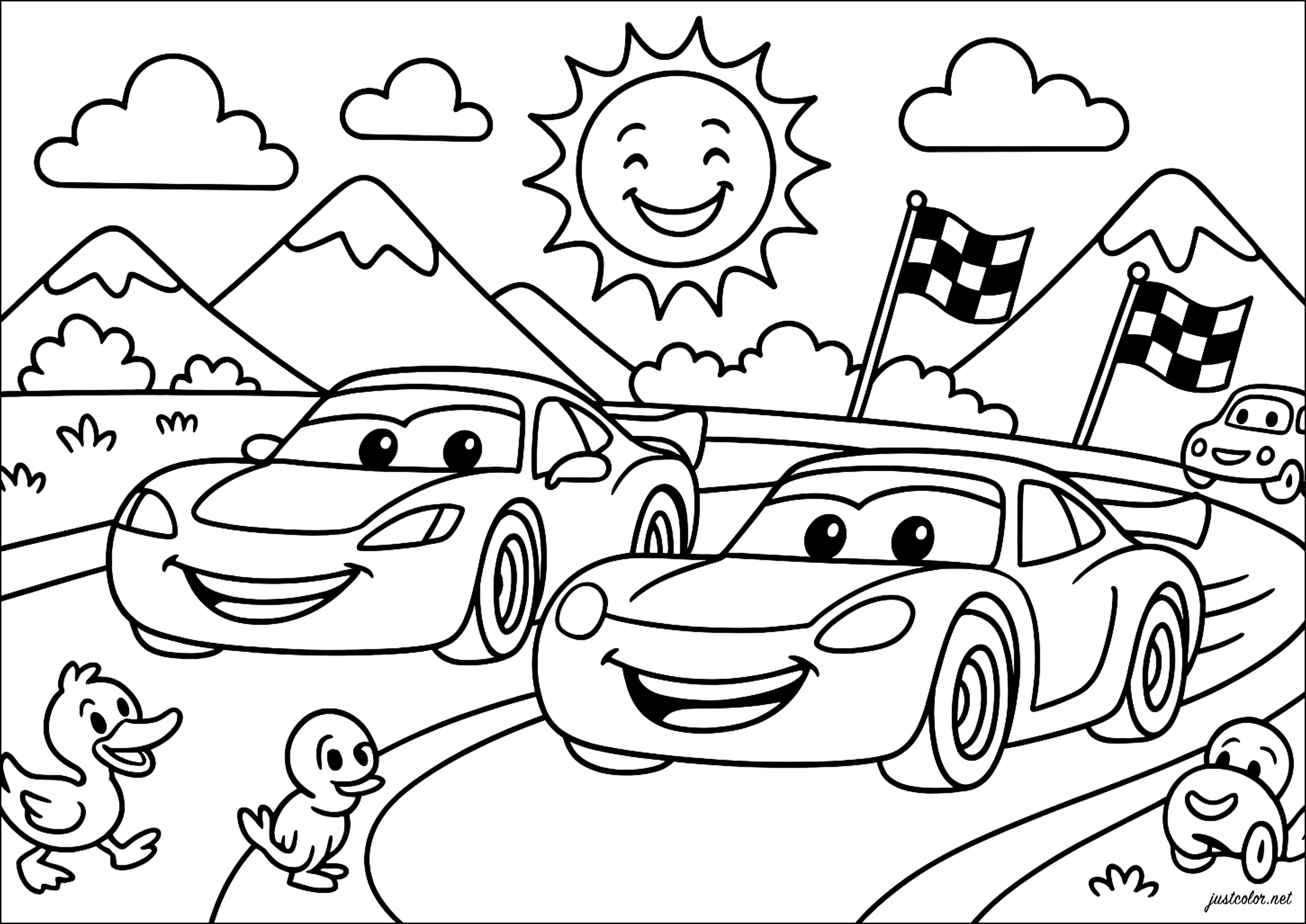
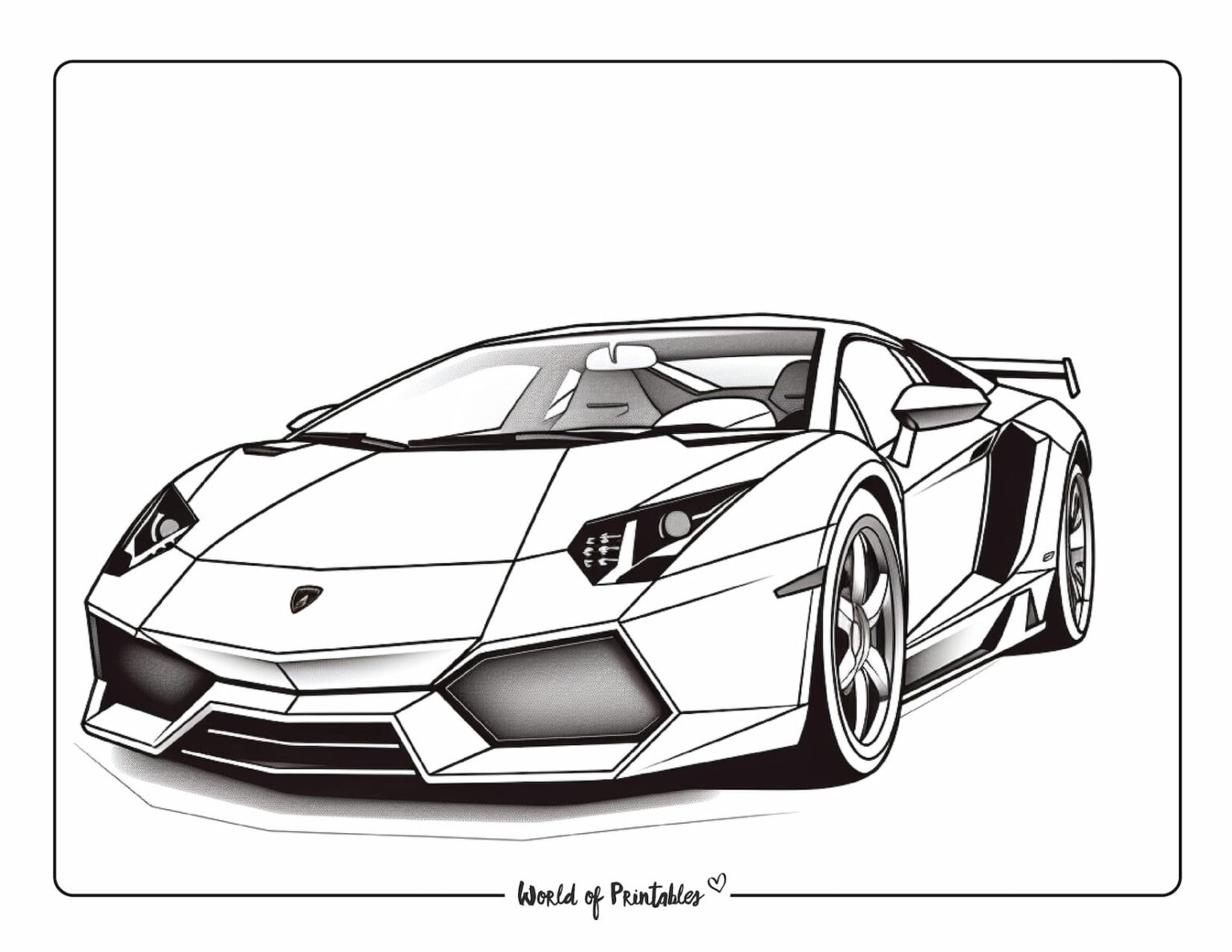
Vehicle-themed art sheets provide a structured framework for teaching the controlled deceleration and directional changes necessary for accurate character construction. When children maneuver crayons or short pencils around the sharp angles of race cars, pickup trucks, and semitrucks, the hand executes complex multi-planar movements that directly mirror the curved and straight strokes found in the alphabet. Proper stroke sequence—starting from top-left and moving downward—can be naturally enforced by designating specific starting zones on the vehicle body, such as the windshield or hood. This intentional coloring practice reinforces the precise spatial habits later required for advanced tracing worksheets.
Key Specifications and Breakdown
| Skill Level / Grade | Target Stroke / Mechanical Focus | Pedagogical / Coaching Cue |
|---|---|---|
| Early Preschool (Ages 3-4) | Gross motor sweeping, reducing hand fatigue, and developing a stable tripod grasp. | “Keep the wheels rolling inside the black lines without pressing too hard.” |
| Late Preschool / Kindergarten (Ages 4-5) | Micro-movements, directional control, and maintaining consistent pencil pressure. | “Color the headlights with small, circular motions like spinning car tires.” |
| Early Elementary (Ages 5-6) | Fluid wrist articulation, border precision, and stamina for detailed geometric shapes. | “Trace the outer bumper edges smoothly before shading the central body panels.” |
Fine-Motor Foundations Drive Literacy Acquisition — American Occupational Therapy Association (AOTA)
Step-by-Step Practical Application and Guidelines
Implementing automotive art activities for mechanical handwriting improvement requires a deliberate progression from broad shading to meticulous boundary control. Begin by selecting simplified vehicle outlines that feature prominent geometric shapes, allowing learners to practice consistent directional fills without cognitive overload. Instruct the child to anchor the non-writing hand firmly on the paper to stabilize the page, mirroring the exact posture needed for standard name practice worksheets. Encourage varied pressure application by asking the learner to press lightly for background skies and firmly for rubber tires, thereby developing dynamic finger dexterity and tactile feedback control.
Common Challenges and How to Avoid Them
A heavy, white-knuckled grasp and frequent crossing of the visual midline often disrupt fluid hand movement during vehicle coloring tasks. To counteract excessive gripping, switch standard crayons to broken crayon pieces or short golf pencils, which naturally force an efficient tripod grip and prevent fist-clutching. Furthermore, visual scanning deficits can cause children to ignore the right-hand side of large truck illustrations; mitigate this by placing small directional arrow cues on the page to guide left-to-right eye tracking. Supplement these tactile adjustments with dedicated coloring worksheets to reinforce controlled hand-eye coordination.
💬 Frequently Asked Questions
Explore More Free Handwriting and Character Worksheets
Expanding early childhood literacy toolkits requires access to professionally structured pedagogical resources that bridge fine-motor play with formal writing instruction. Educators, parents, and developmental specialists can browse the complete educational library by visiting CharacterWritingWorksheets.com to download unlimited, standards-aligned practice materials designed for every developmental milestone.
Printable Coloring Page Previews