Introduction
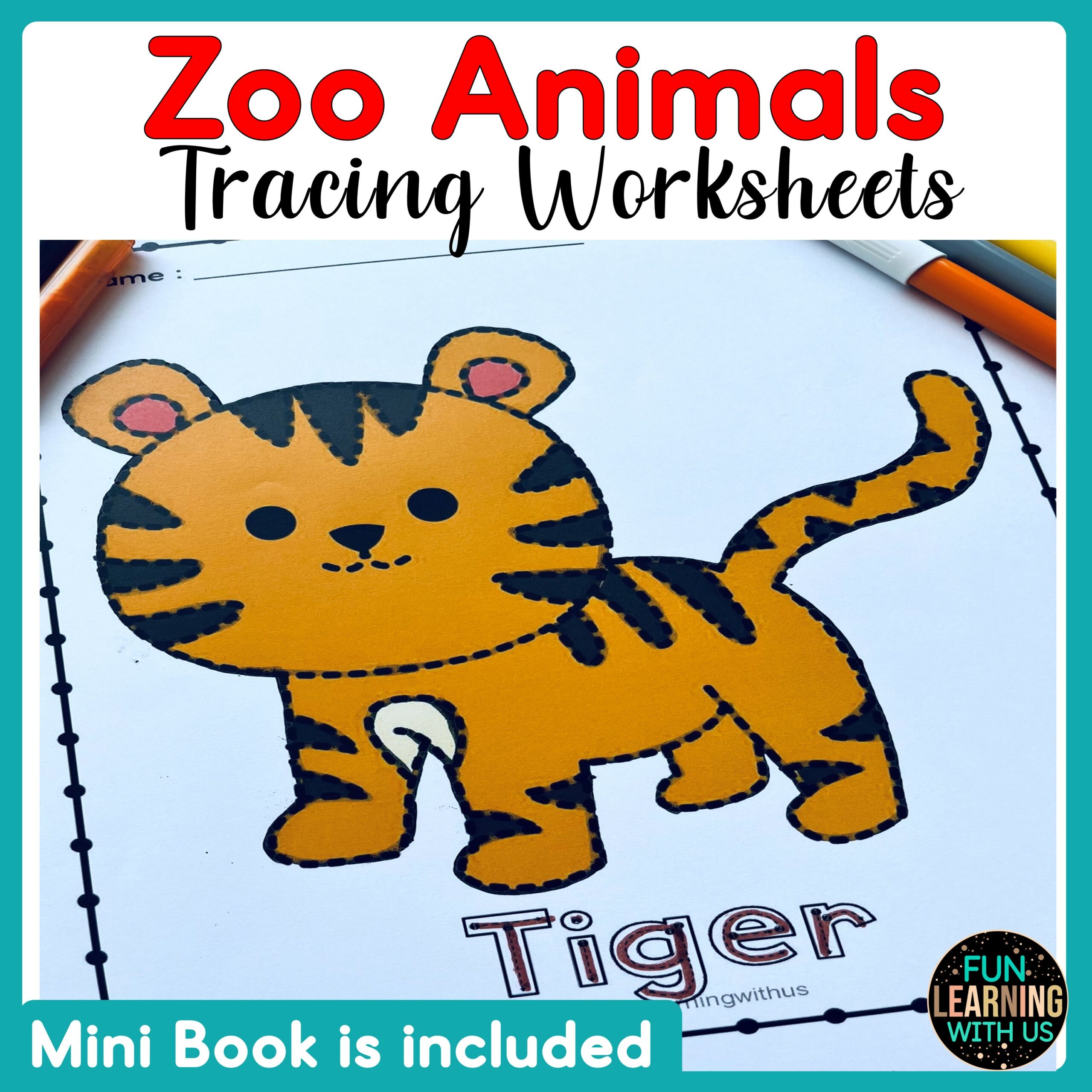
Visual-motor integration and pencil control improve significantly when young learners utilize themed illustration assets designed for early fine-motor development. According to the American Occupational Therapy Association (AOTA), foundational handwriting readiness depends directly on the sustained development of intrinsic hand muscles, which structured visual tracing activities reliably support. Engaging illustration layouts provide immediate intrinsic motivation, transforming repetitive fine-motor drills into enjoyable artistic exercises that build crucial upper-extremity stability. These targeted materials serve as a bridge between unstructured drawing and precise stroke production, preparing children for formal tracing worksheets and early literacy milestones.
Handwriting Practice Snapshot:
- Core Focus: Enhancing fine-motor control, grasp endurance, and stroke precision through visually engaging illustration templates.
- Target Scope: Early childhood education environments, including preschools, kindergartens, and homeschool settings.
- Key Recommendation: Pair illustration exercises with proper ergonomic seating and dynamic tripod grasp monitoring before independent practice sessions.
Core Principles and Detailed Overview
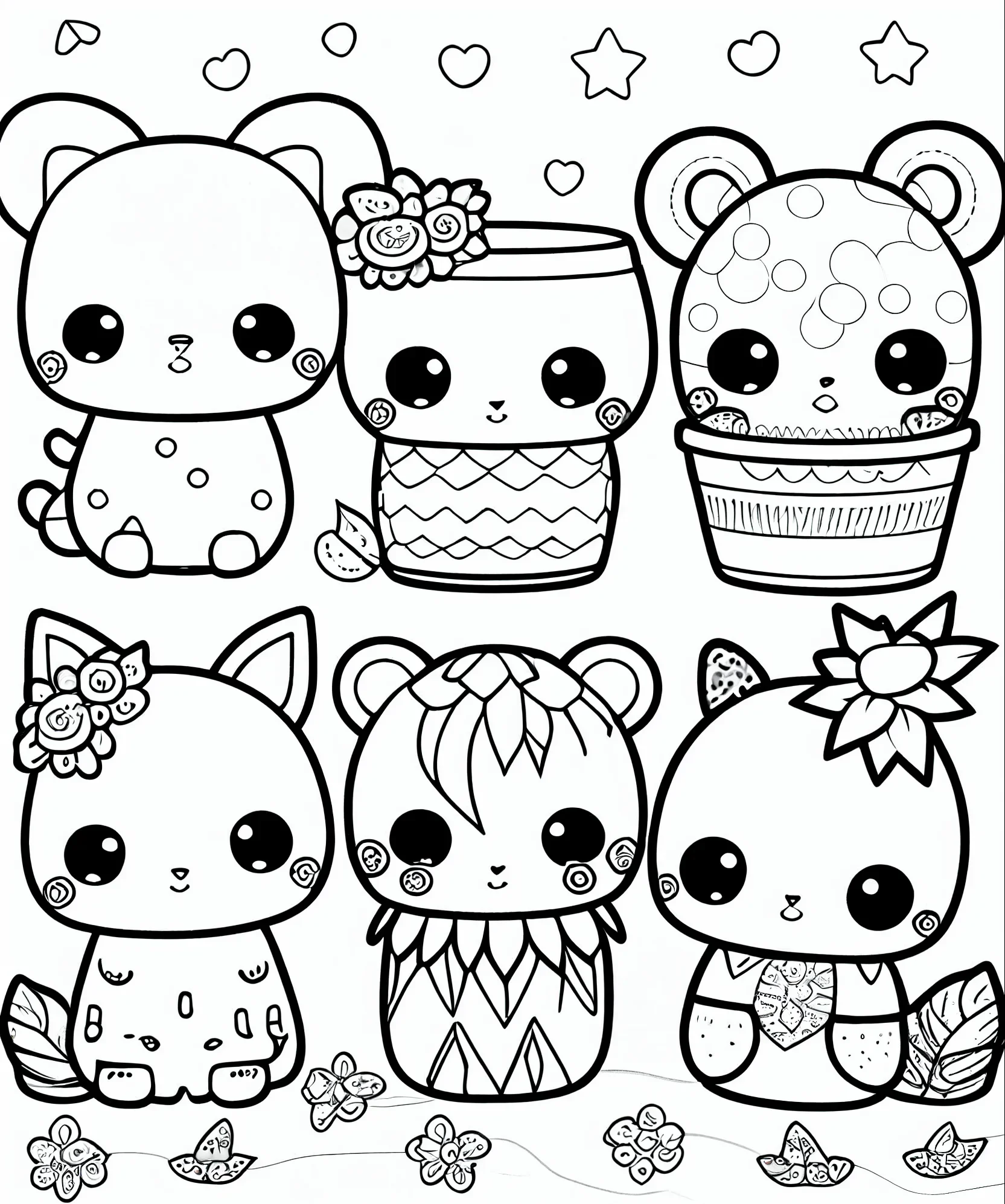
Controlled boundary coloring strengthens visual-spatial awareness and finger dexterity required for letter formation. When children navigate compact shapes and defined borders, ocular-motor control refines alongside bilateral hand coordination. Educators can seamlessly transition young learners from artistic shading to structured coloring worksheets that isolate specific diagonal, vertical, and curved pencil strokes. This dual-purpose approach reinforces the muscle memory necessary for executing complex character formation without inducing hand fatigue or frustration.
Key Specifications and Breakdown
| Skill Level / Grade | Target Stroke / Mechanical Focus | Pedagogical / Coaching Cue |
|---|---|---|
| Early Preschool (Ages 3-4) | Gross circular motions, palm grasp correction, boundary awareness | “Keep the crayon inside the friendly character’s outline.” |
| Late Preschool (Ages 4-5) | Transitional tripod grasp, controlled short strokes, directional shading | “Use short, overlapping pencil movements to fill the shape smoothly.” |
| Kindergarten (Ages 5-6) | Precise edge-stopping, pressure modulation, continuous line flow | “Slow down near the corners to keep your pencil completely on the line.” |
Fine-motor control and visual-perceptual skills developed during early artistic and tracing activities serve as primary predictors of future academic handwriting legibility and speed. — American Occupational Therapy Association (AOTA)
Step-by-Step Practical Application and Guidelines
Establishing proper physical posture and pencil ergonomics ensures optimal mechanical output during daily practice sessions. Begin by positioning the learner with feet flat on the floor, hips and knees at ninety-degree angles, and the non-dominant hand stabilizing the paper. Introduce specialized preschool worksheets featuring thick, prominent outlines that minimize visual crowding. Encourage children to start shading from the top-left corner and move systematically downward and rightward, establishing natural reading and writing directional habits early in development.
Common Challenges and How to Avoid Them
Excessive hand tension and improper grip pressure frequently disrupt smooth stroke execution during extended coloring and writing sessions. Instructors must actively monitor for a white-knuckle fist grasp, intervening immediately with ergonomic pencil grips or short, triangular writing instruments that naturally enforce a three-finger tripod hold. If children consistently cross boundary lines, scale back the complexity of the visual assets and transition temporarily to simpler name practice worksheets to rebuild visual-motor confidence before returning to detailed illustrated templates.
💬 Frequently Asked Questions
Explore More Free Handwriting and Character Worksheets
Access an extensive library of educational resources, expert guides, and printable assets designed to support every stage of early literacy development. Enhance daily instruction by exploring comprehensive collections of letter writing worksheets available directly through CharacterWritingWorksheets.com.
Printable Coloring Page Previews