Introduction
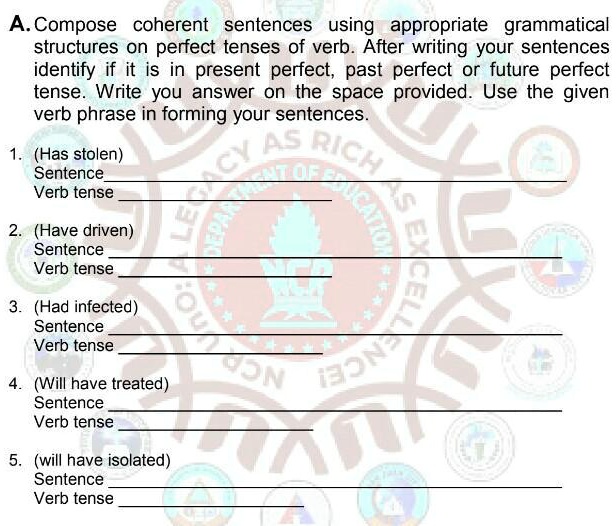
Building the bridge between speaking in full thoughts and recording those ideas on paper is one of the most exciting developmental leaps in early childhood. Many young learners possess vibrant imaginations yet struggle to bridge the gap when a pencil touches the page. The free printable worksheet “writing coherent sentences using correct verbs worksheet” serves as a crucial tool for transforming fragmented thoughts into structured written communication. Children frequently grasp the concept of naming characters or objects long before mastering the actions that bring those subjects to life. Integrating targeted verb practice helps stabilize this progression, ensuring that early writing avoids becoming a disconnected list of nouns. It sounds simple, and that’s the point: mastering action words unlocks the entire sentence structure for emerging writers. Educators and therapists witness daily how a single well-placed action word transforms a shaky string of letters into a meaningful statement. This resource grounds abstract grammar rules into tangible, visual, and tactile learning experiences that support both cognitive and physical writing readiness.
💡 Educational Key Takeaways:
- Core Skill: Structured Writing Coherent Sentences Using Correct Verbs Worksheet focused on developing pencil grip, stroke control, and early literacy/math confidence.
- Target Scope: Suited for homeschoolers, preschool, kindergarten, and elementary learners.
- Best Recommendation: Practice 10–15 minutes daily with ergonomic writing tools to reinforce muscle memory without hand fatigue.
What This Worksheet Covers
Targeting the mechanical and structural components of sentence building, this resource addresses the exact intersection of grammar and physical handwriting endurance. Children engage in matching subjects with appropriate action words, filling in missing verbs, and constructing independent sentences based on visual prompts. Hand fatigue often creeps in when children lack a clear mental roadmap for what to write next, making syntax instruction an essential component of occupational therapy interventions. According to Reading Rockets, explicit instruction in sentence structure and syntax significantly improves overall reading comprehension and written expression outcomes. The activities are deliberately structured to reduce cognitive overload, allowing the brain to focus simultaneously on letter formation, spacing, and grammatical agreement. Working through these exercises reinforces the natural rhythm of language while building the intrinsic hand control needed for sustained academic writing.
Key Learning Outcomes
Learners using this printout practice subject-verb agreement, proper capitalization, terminal punctuation, and fluid letter formation within a single cohesive framework. Hand strength and dexterity improve organically as children navigate writing lines, manage pencil pressure, and maintain proper grip stability across multiple words. According to the American Occupational Therapy Association, foundational fine motor control directly influences a child’s academic confidence and stamina during extended writing tasks. Beyond pencil control, children learn to organize their thoughts sequentially, ensuring that words flow logically from left to right across the page. This dual focus on physical execution and grammatical coherence builds a resilient foundation that prepares young students for more complex composition tasks down the line.
How to Use This Worksheet
Successful implementation begins with establishing a calm, ergonomically sound workspace where feet rest flat on the floor and the table sits at elbow height. Adults should guide learners to read the visual prompts aloud before putting pencil to paper, bridging verbal language pathways directly into written execution. Here’s what makes this worksheet different: it treats handwriting not as an isolated copying drill, but as an active exercise in personal expression and communication. Breaking the page into manageable sections prevents frustration and keeps hand muscles from locking into rigid, fatiguing grasps. Pairing this material with Tracing Worksheets helps warm up fine motor pathways before tackling independent sentence composition. Consistent, short practice sessions yield far better neural integration than marathon writing drills that strain developing fingers.
Practical Tips for Parents and Teachers
Observing a child grip a pencil too tightly usually signals that the writing task is demanding too much cognitive or physical effort at once. Introducing tactile markers, such as pointing to each word with a finger or colored slider, helps maintain spatial awareness between words. Utilizing tools from the Preschool Worksheets collection can further reinforce foundational pencil control for learners who need extra support before writing full sentences. Praising the effort behind letter spacing and correct verb choices rather than focusing solely on neatness keeps motivation high. Adults can also encourage children to act out the verbs physically before writing them, grounding abstract grammar concepts in concrete bodily movement.
Age-Appropriate Recommendations
Designed primarily for children between ages six and eight, this resource aligns closely with early elementary developmental milestones and academic standards. According to Common Core ELA standard L.1.1.e, first-grade students are expected to verbs to convey a sense of past, present, and future in regular and irregular conjunctions. Younger children at the emergent stage might require adult scribing or verbal prompting to complete the sentences, while independent second graders can use the layout to edit and refine their own drafted thoughts. Integrating these exercises alongside resources from the Worksheets directory ensures a balanced, well-rounded approach to daily literacy skill-building. Meeting children at their exact developmental stage prevents burnout and fosters a genuine, lifelong appreciation for written storytelling.
Explicit instruction in syntax and sentence structure significantly improves reading comprehension and writing outcomes — Reading Rockets
Frequently Asked Questions
Caregivers often wonder how to access, adapt, and maximize these materials for diverse learning needs at home or inside busy classrooms. The questions below address common practical concerns regarding printing specifications, developmental readiness, and underlying fine motor benefits associated with sentence-building printouts.
Foundational fine motor control directly influences academic confidence and stamina during extended writing tasks — American Occupational Therapy Association
Explore More Free Printable Worksheets
Expanding an early literacy curriculum requires a diverse toolkit of targeted exercises that address every facet of physical and academic growth. Exploring related categories such as Letter Writing Worksheets allows educators to reinforce isolated alphabet mechanics alongside grammar practice. Additionally, incorporating foundational resources like Name Practice Worksheets ensures that personal identity and fine motor confidence develop hand-in-hand. Providing a rich variety of printable materials keeps young learners engaged, curious, and steadily progressing toward independent academic writing mastery.
Developmental Milestone & Activity Table
| Development Stage | Recommended Daily Duration | Primary Learning Objective |
|---|---|---|
| Preschool & Pre-K | 10 – 15 Minutes | Pencil grip development & basic pre-stroke lines |
| Kindergarten | 15 – 20 Minutes | Letter/number formation & spatial line awareness |
| Early Elementary (Grade 1–2) | 20 – 30 Minutes | Fluency, sentence construction & neatness |
Images References