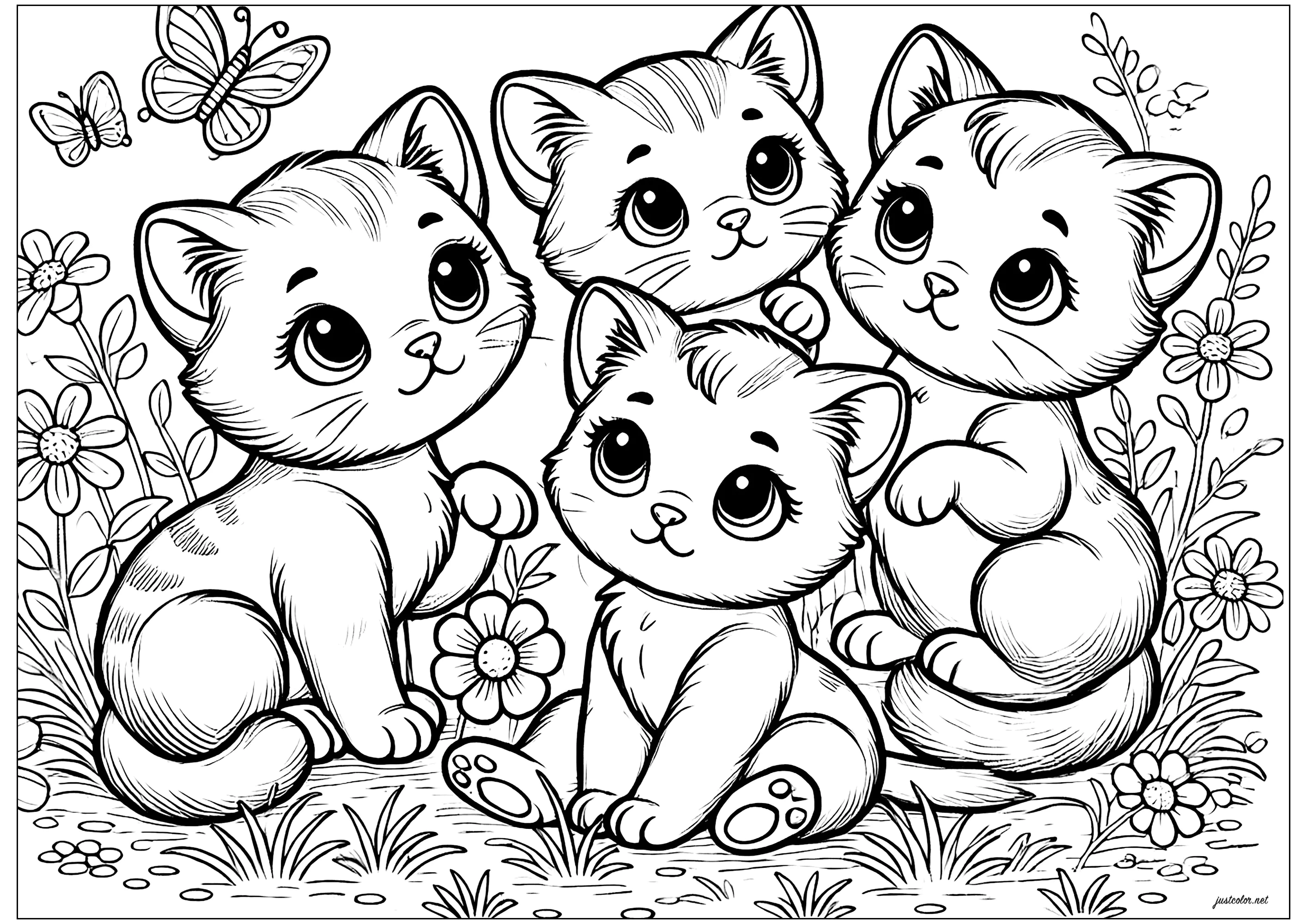
Introduction
A coloring page cat serves as a foundational pre-writing tool that builds essential fine-motor control, pencil pressure regulation, and hand-eye coordination required for early childhood literacy. According to the American Occupational Therapy Association (AOTA), purposeful fine-motor activities like guided coloring and contour tracing significantly enhance the intrinsic muscle strength and stability necessary for functional handwriting. Educators and parents leverage these thematic art sheets within preschool worksheets to bridge creative expression and strict letter formation mechanics. Integrating feline-themed graphic templates captures early learner attention while systematically training the wrist, fingers, and palm stability needed for precise pencil manipulation. Every curved contour and filled section prepares children to transition smoothly toward structured tracing worksheets and independent letter mastery.
Handwriting Practice Snapshot:
- Core Focus: A coloring page cat builds pre-writing grip strength, contour tracking, and fine-motor endurance.
- Target Scope: Early childhood classrooms, special education OT sessions, and homeschool literacy routines.
- Key Recommendation: Enforce dynamic tripod grip and controlled boundary-staying before introducing complex letterforms.
Core Principles and Detailed Overview
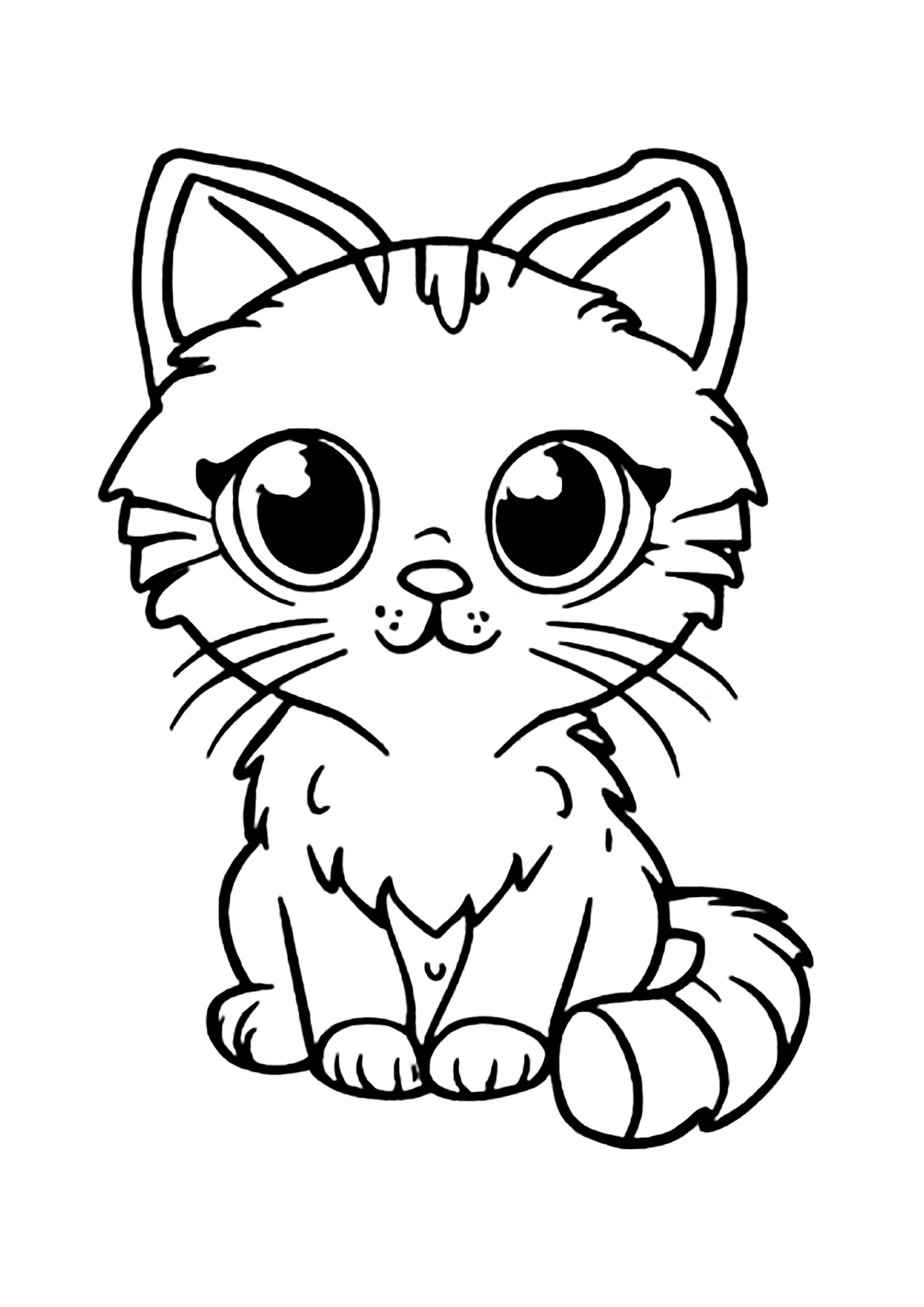
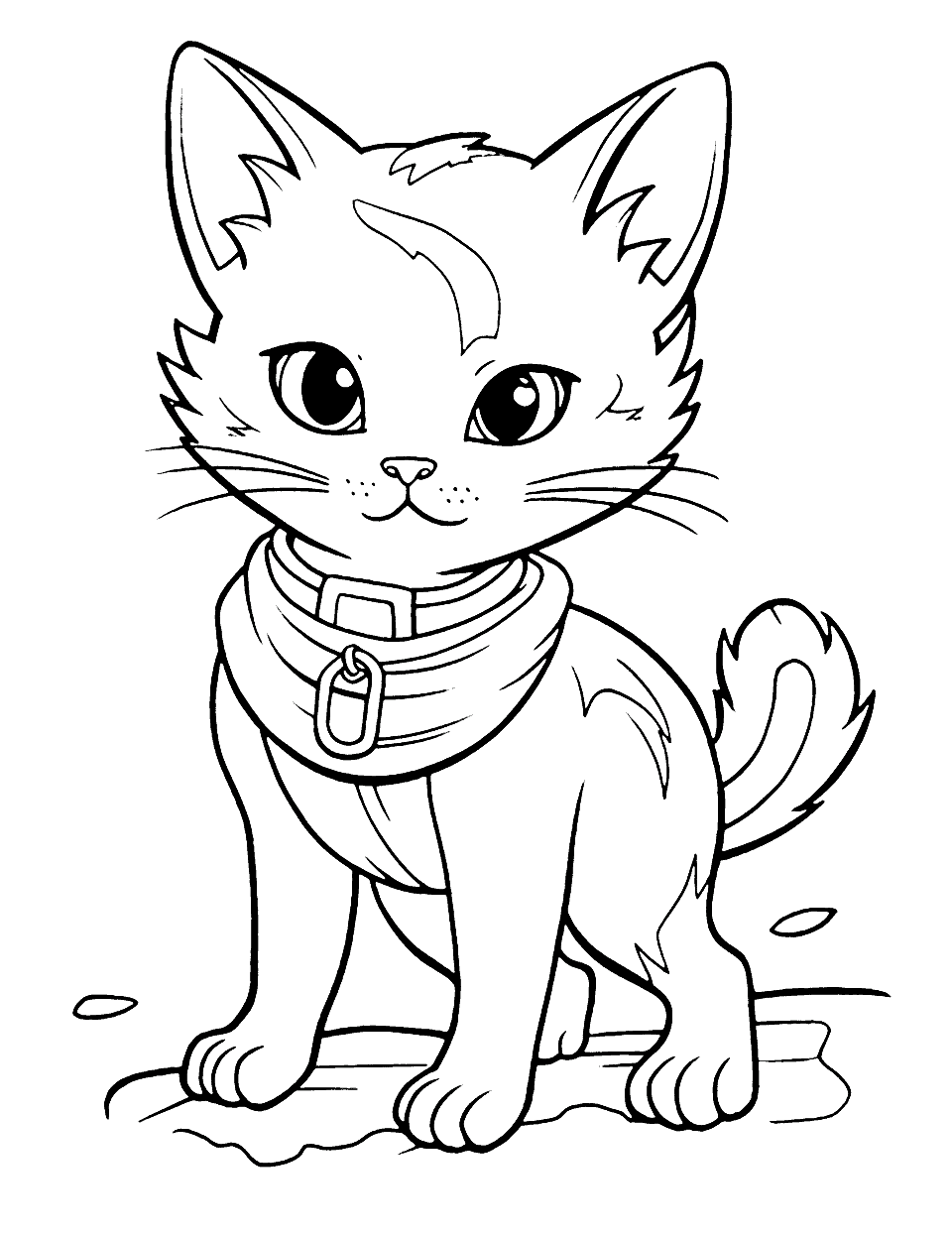
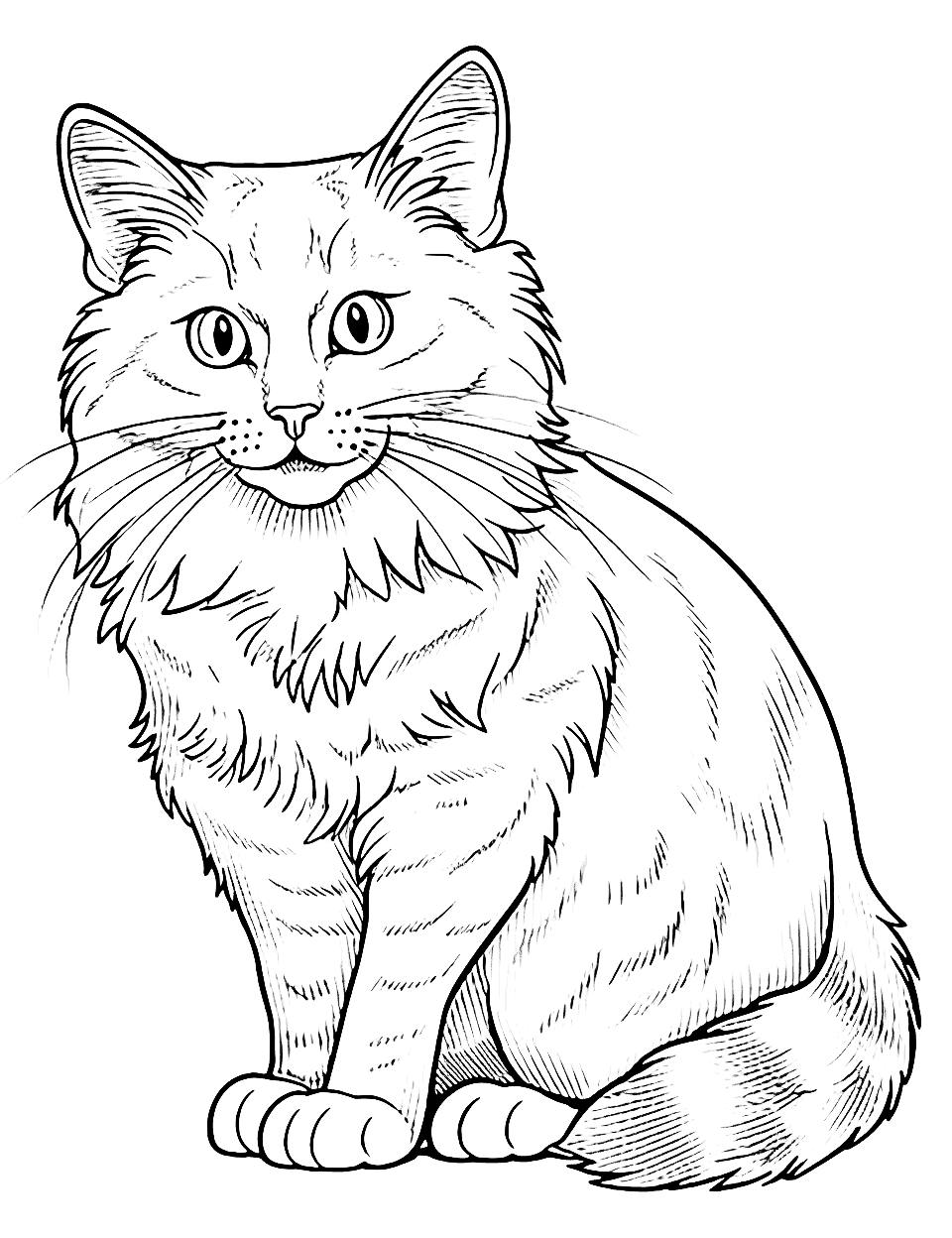
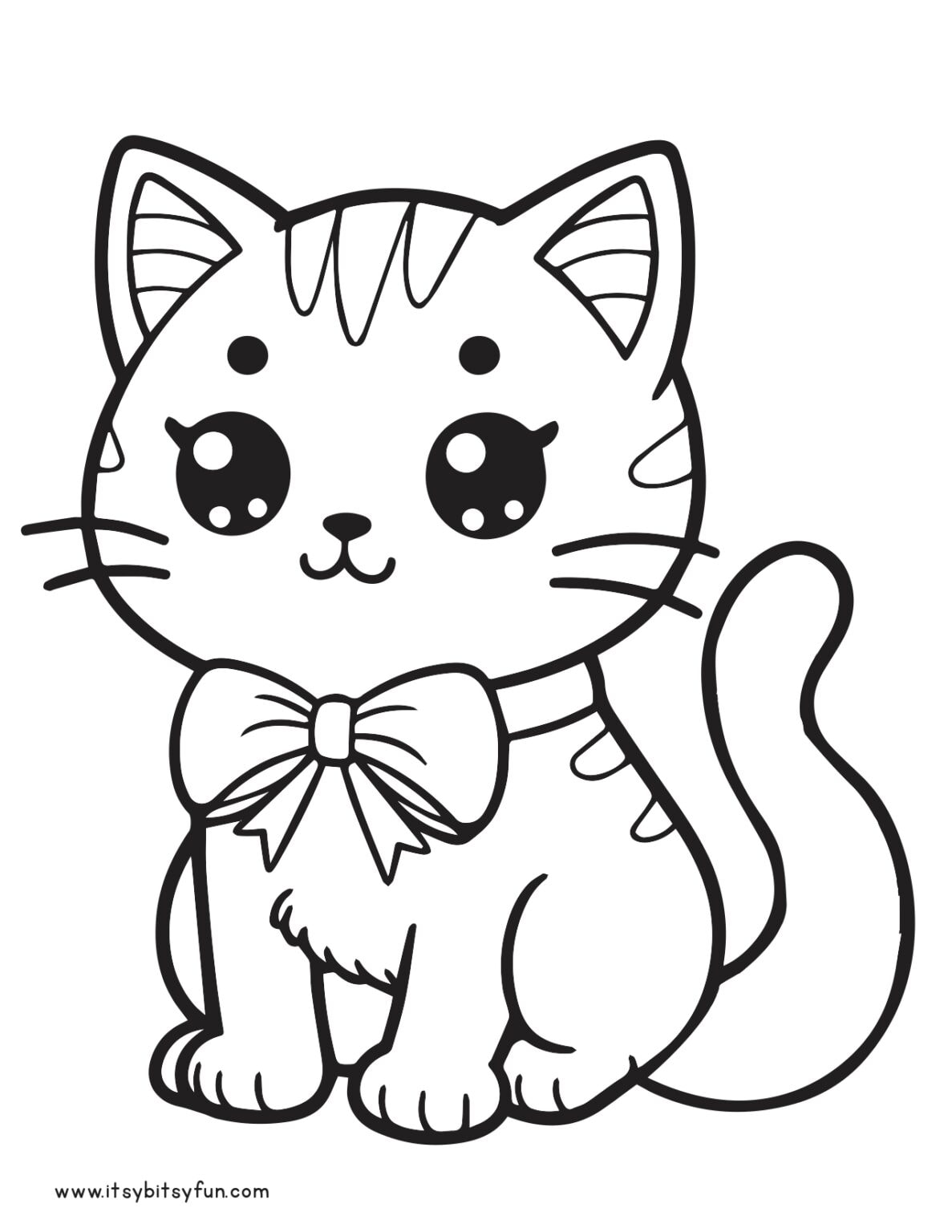
Fine-motor development relies heavily on continuous visual-motor integration, making feline-themed graphic layouts highly effective for practicing continuous stroke control. The organic curves found in whiskers, pointed ears, and rounded tails mimic the exact arc and loop formations required in cursive and manuscript writing. When children manipulate crayons or colored pencils to fill interior spaces without crossing boundary lines, they internalize spatial boundaries, spatial orientation, and proportional scaling. These neurological pathways directly support advanced execution found within specialized letter writing worksheets and daily literacy tasks. Consistency in coloring mechanics builds muscle memory, transforming erratic hand movements into fluid, intentional strokes that translate directly to clean character formation.
Key Specifications and Breakdown
| Skill Level / Grade | Target Stroke / Mechanical Focus | Pedagogical / Coaching Cue |
|---|---|---|
| Toddler / Pre-K (Ages 3-4) | Palmar grasp transition to digital pronate; gross-motor filling. | “Keep the pencil moving gently inside the big fluffy kitty ears.” |
| Kindergarten (Ages 5-6) | Dynamic tripod grip; perimeter contour tracing and edge control. | “Trace the outer whiskers slowly before coloring the center shape.” |
| Early 1st Grade (Ages 6-7) | Pencil pressure modulation; micro-detail shading and directional control. | “Use light, overlapping strokes to shade the soft fur texture evenly.” |
Purposeful fine-motor preparation through structured graphic coloring directly enhances spatial awareness and pencil control necessary for legible handwriting and letter formation. — American Occupational Therapy Association (AOTA)
Step-by-Step Practical Application and Guidelines
Implementing themed coloring exercises effectively requires a progressive sequence that moves from broad motor control to precise boundary adherence. Educators and parents should begin by selecting feline layouts featuring thick, bold perimeter lines that clearly separate distinct anatomical sections of the animal. Next, guide learners to outline the outer perimeter using slow, deliberate strokes, which mirrors the starting mechanics taught in comprehensive name practice worksheets. Once the outer boundary is secured, instruct children to fill the interior using uniform, directional hatching lines rather than erratic scribbling. This structured approach prevents hand fatigue, reinforces left-to-right visual tracking, and establishes consistent rhythm. Finally, transition the learner from the colored artwork directly into corresponding alphabet or vocabulary exercises to leverage the newly activated fine-motor pathways.
Common Challenges and How to Avoid Them
Common obstacles during early graphic practice include excessive hand fatigue, heavy pencil pressure breakage, and an inability to maintain control within tight interior corners. These hurdles typically stem from an undeveloped pincer grasp or rushed execution without proper visual-motor tracking. Adults can correct grip faults by utilizing shorter writing utensils, which naturally force fingers into a tripod position. Furthermore, encouraging children to pause at sharp angles—such as the tips of a cat’s ears—trains the nervous system to decelerate before changing directional strokes. Incorporating diverse coloring worksheets with varied scaling ensures children adapt their pressure and speed dynamically, preventing muscular strain while maximizing long-term handwriting endurance.
💬 Frequently Asked Questions
Explore More Free Handwriting and Character Worksheets
Mastering early literacy and motor control requires a diverse repository of structured exercises designed for developing hands. Educators, parents, and homeschooling instructors can access an extensive library of printable assets directly through CharacterWritingWorksheets.com. Explore specialized educational resources spanning fundamental worksheets, structured writing guides, and targeted skill drills to support comprehensive early childhood development.
Printable Coloring Page Previews