Introduction
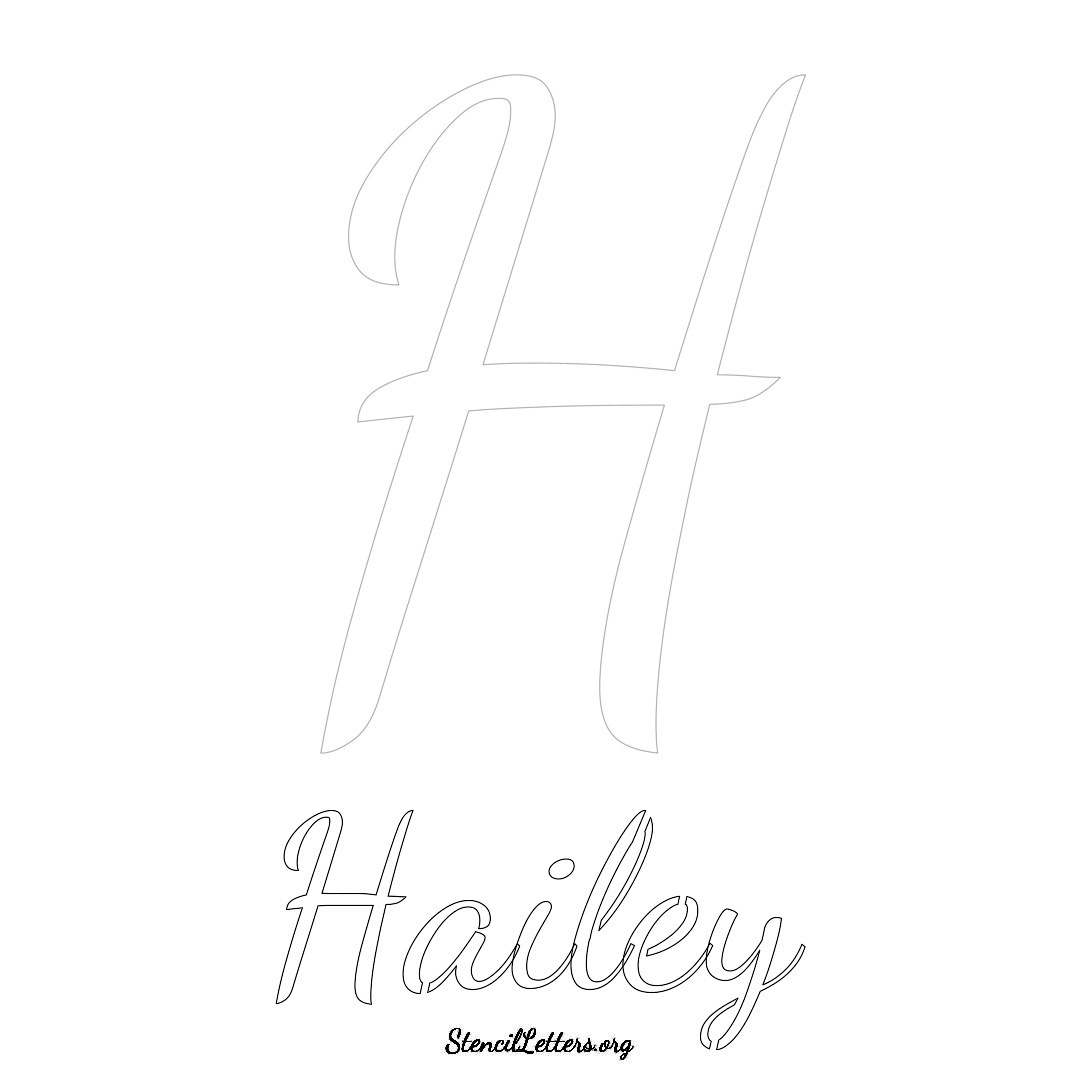
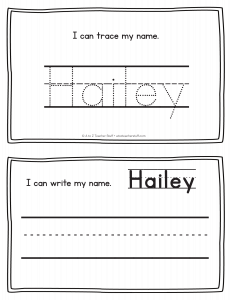
Guiding a young child through the first steps of writing often reveals a fascinating look at neurological and physical development in real time. Pencil grasps shift from awkward fists to refined tripods, and erratic scribbles gradually transform into controlled lines. Within this developmental journey, mastering personal identification is a major milestone. The free printable worksheet “hailey in handwriting” targets this exact window of growth, offering tailored practice that transforms abstract letter shapes into a meaningful personal signature. Children light up when they recognize their own names on a page, and leveraging that intrinsic motivation is one of the most effective strategies in early childhood education. Caregivers frequently notice that a child who resists generic writing drills will readily engage when the task centers around their own identity. This targeted activity bridges the gap between casual drawing and structured literacy, making it an essential addition to any early learning toolkit. Alongside specialized resources like Name Practice Worksheets, foundational exercises help build the precise muscle memory required for lifelong writing fluency.
💡 Educational Key Takeaways:
- Core Skill: Structured Hailey In Handwriting focused on developing pencil grip, stroke control, and early literacy/math confidence.
- Target Scope: Suited for homeschoolers, preschool, kindergarten, and elementary learners.
- Best Recommendation: Practice 10–15 minutes daily with ergonomic writing tools to reinforce muscle memory without hand fatigue.
What This Worksheet Covers
Every curve, vertical line, and crossing stroke in a given name requires coordinated motor planning from the central nervous system. This specific printout focuses intensely on name recognition, precise letter sequencing, and the gradual building of writing confidence. Working with a child’s own name provides a personalized anchor for learning the alphabet, moving away from rote memorization and toward functional literacy. According to Reading Rockets, early literacy development relies heavily on print awareness, where children understand that written symbols carry specific, personal meanings. When a learner traces the letters forming the name Hailey, the visual cortex and the motor cortex must work in seamless tandem to keep the pencil tip within targeted boundaries. Therapists frequently observe children holding their breath during the initial capital letter, applying excessive pressure before finding a smoother rhythm as the lowercase letters unfold. This natural physical adaptation highlights why structured repetition matters. Exploring broader collections of Worksheets ensures that learners encounter diverse formats that keep engagement high while targeting these exact foundational skills.
Key Learning Outcomes
Skill acquisition happens incrementally, and completing this activity yields several distinct developmental benefits. First, children solidify spatial awareness on a two-dimensional plane, learning where to start a letter and how to space characters evenly without crowding. Second, the repetitive motion reinforces correct stroke sequences, which prevents bad habits that can cause hand fatigue later in elementary school. Third, visual-motor integration improves as the eyes guide the hand across the page, monitoring alignment against baseline guidelines. According to the American Occupational Therapy Association, foundational fine motor control directly influences academic success by reducing the physical burden of writing, allowing children to focus entirely on creative and cognitive expression. It sounds simple, and that is the point: mastering the spelling and formation of a personal name builds a psychological foundation of competence. Children who feel confident in their ability to write their own name transition more easily into sentence composition and paragraph writing as they progress through kindergarten and the primary grades.
How to Use This Worksheet
Implementation requires more than simply handing a child a writing utensil and hoping for the best. Adults should first demonstrate proper pencil grip, ensuring the tool rests gently between the thumb and index finger while supported by the middle finger. Positioning the paper at a slight angle matching the child’s forearm slant promotes natural wrist extension and reduces overall strain. Here’s what makes this worksheet different: it encourages tracing large, bold models before asking the learner to produce the letters independently in smaller formats. Begin with a single session lasting no more than five to ten minutes, keeping the atmosphere relaxed and encouraging. If frustration surfaces, pausing the activity or switching to a sensory medium like writing the name in a shallow tray of sand helps reset the nervous system. Integrating these printouts alongside resources from Preschool Worksheets ensures a balanced curriculum that supports both fine motor refinement and cognitive growth.
Practical Tips for Parents and Teachers
Environment and tool selection drastically alter a child’s willingness to practice handwriting skills. Short, stubby crayons or broken pastel pieces naturally encourage a three-point finger grasp, preventing the dreaded fisted grip that limits finger dexterity. Vertical surfaces, such as taping the paper to an easel or a refrigerator, naturally prompt extension of the wrist and activate shoulder stability, which is essential for endurance. Educators and parents should praise specific efforts rather than vague outcomes, noting when a letter stays tightly on the line or when the starting point is accurate. Turning the exercise into a game—such as finding hidden letters or writing secret messages—maintains high engagement without inducing performance anxiety. Consistency yields the best results, so integrating short, daily practice sessions proves far more effective than scheduling one exhausting weekly marathon.
Age-According Recommendations
Developmental readiness dictates how adults should approach this printable activity. According to the National Association for the Education of Young Children guidelines on Developmentally Appropriate Practice, children aged four to six are actively refining their fine motor precision and spatial awareness, making this the prime window for guided name writing. Two- and three-year-olds may only be ready to point, color, or scribble roughly over the letters, and adults should warmly celebrate those early exploratory marks. By kindergarten, children generally possess the bilateral coordination needed to stabilize the paper with one hand while writing fluidly with the dominant hand. Educators must observe individual readiness indicators rather than adhering strictly to chronological age, ensuring that every learner experiences success at their own pace.
Early literacy and fine motor interventions significantly improve writing fluency and self-esteem in young learners — American Occupational Therapy Association
Frequently Asked Questions
Parents and educators frequently ask practical questions about implementing these writing materials effectively at home and in the classroom. The answers below address the most common inquiries regarding formatting, usage, and developmental impact.
Explore More Free Printable Worksheets
Expanding a child’s learning library ensures continuous progress across all developmental domains. Beyond personal identification practice, children benefit immensely from exploring diverse writing challenges that target unique muscle groups and cognitive pathways. Integrating specialized resources like Letter Writing Worksheets allows young learners to master the entire alphabet systematically, building a robust foundation for future academic achievement.
Developmental Milestone & Activity Table
| Development Stage | Recommended Daily Duration | Primary Learning Objective |
|---|---|---|
| Preschool & Pre-K | 10 – 15 Minutes | Pencil grip development & basic pre-stroke lines |
| Kindergarten | 15 – 20 Minutes | Letter/number formation & spatial line awareness |
| Early Elementary (Grade 1–2) | 20 – 30 Minutes | Fluency, sentence construction & neatness |
Images References