Introduction
Young children often possess vibrant imaginary worlds long before translating those complex inner stories onto a blank page. Bridging the gap between oral storytelling and physical writing requires structured scaffolding that supports both cognitive organization and fine motor stamina. Educators and occupational therapists frequently observe kindergarteners who can vividly describe a heroic fictional person aloud, yet freeze the moment a pencil touches a traditional lined sheet. Introducing structured visual formats transforms this abstract narrative process into concrete physical steps. The free printable worksheet graphic organizer character sketch serves as an invaluable tool for organizing thoughts while simultaneously refining foundational pencil skills. Organizing attributes like appearance, traits, and favorite items within distinct visual boxes reduces cognitive overload during the early literacy journey. Children thrive when given distinct visual boundaries that guide both their creative thinking and their physical hand movements across the paper.
💡 Educational Key Takeaways:
- Core Skill: Structured Graphic Organizer Character Sketch focused on developing pencil grip, stroke control, and early literacy/math confidence.
- Target Scope: Suited for homeschoolers, preschool, kindergarten, and elementary learners.
- Best Recommendation: Practice 10–15 minutes daily with ergonomic writing tools to reinforce muscle memory without hand fatigue.
What This Worksheet Covers
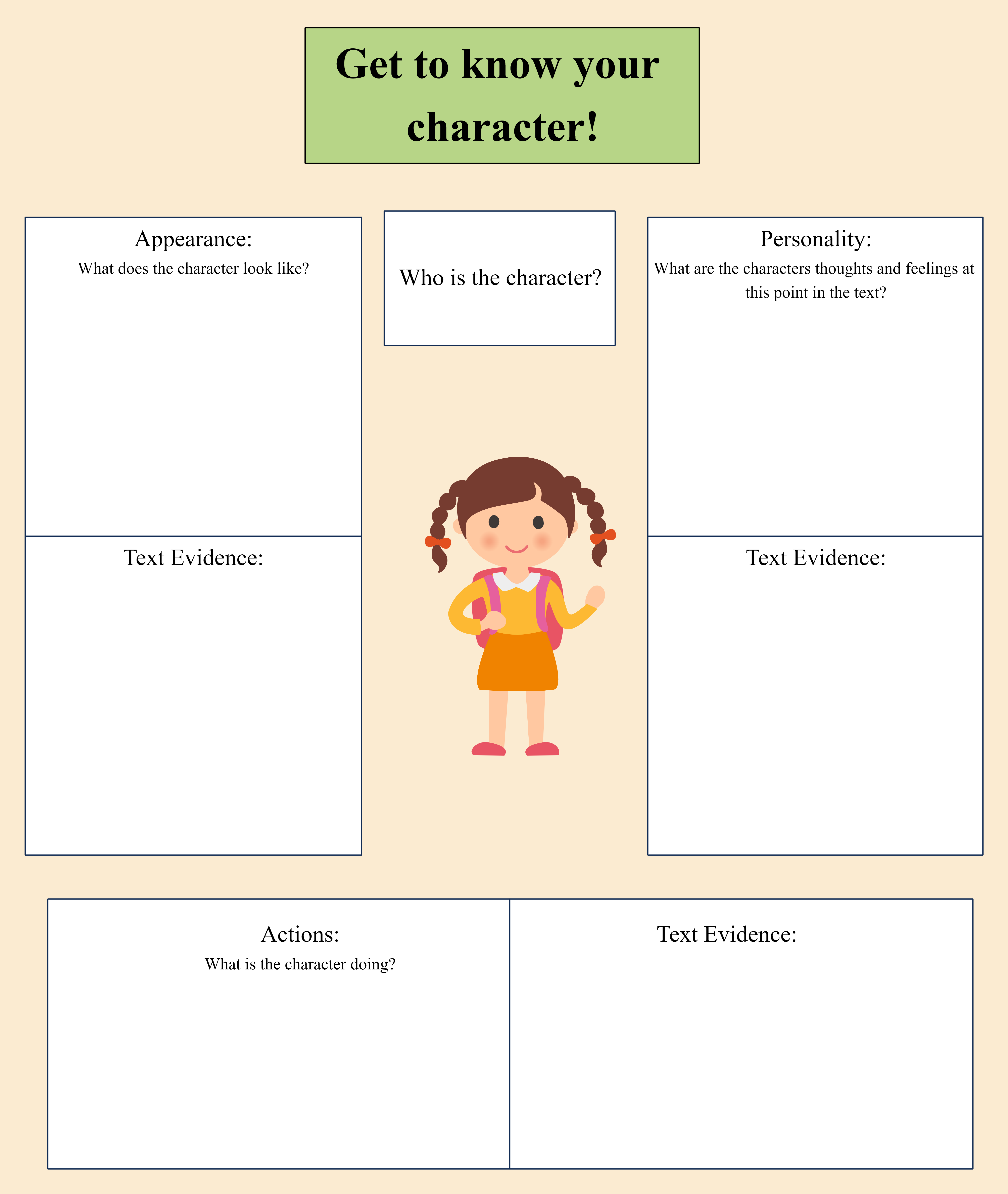
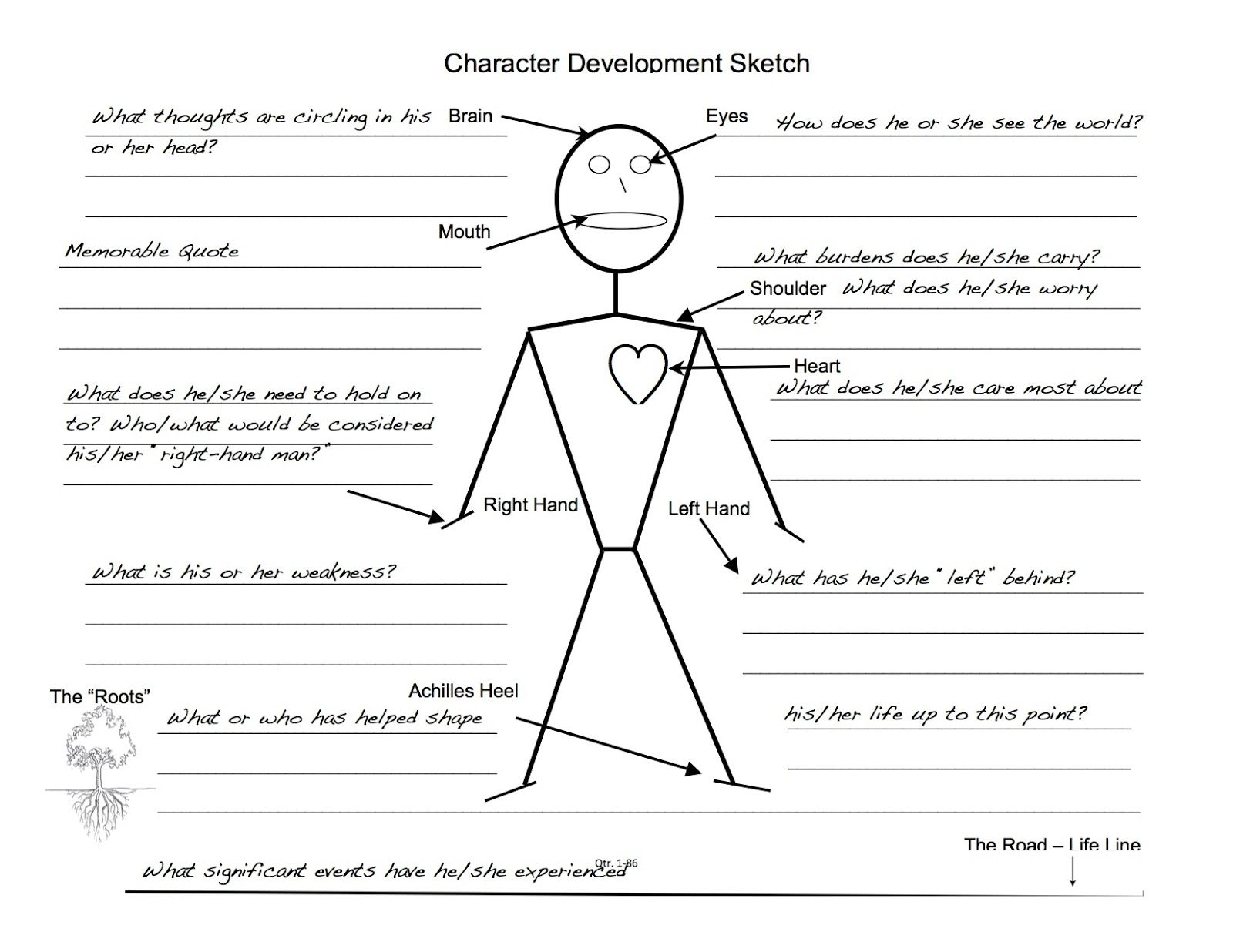
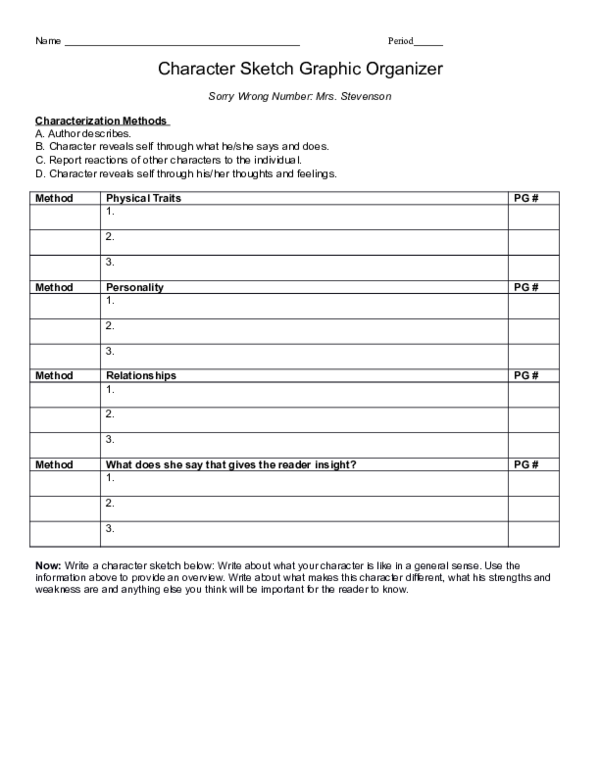
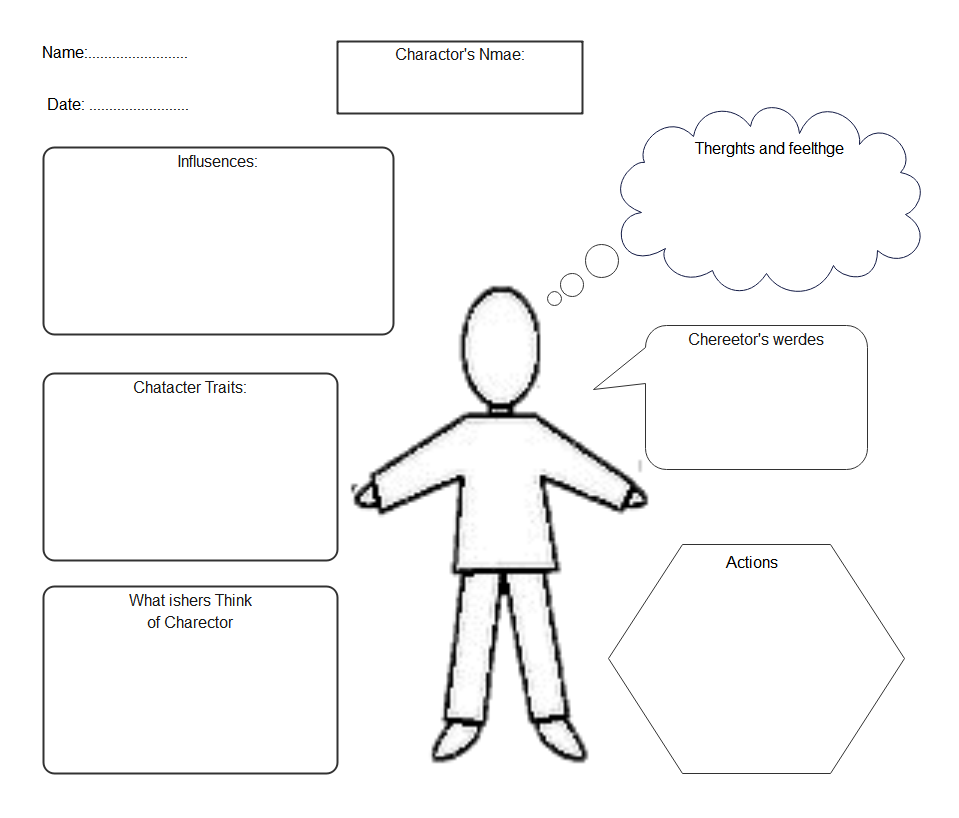
This specific printable resource guides children through the multi-step process of breaking down a fictional persona into digestible descriptive components. Prompts typically target physical appearance, personality traits, motivations, and background details using a mix of drawing spaces and early writing lines. It sounds simple, and that’s the point. By compartmentalizing narrative elements, learners focus intensely on one specific descriptive category at a time instead of staring hopelessly at an overwhelming white space. Occupational therapists appreciate how these dedicated writing zones encourage proper letter sizing and consistent spacing between words. Children also practice essential pre-writing strokes as they draw facial expressions, clothing textures, and symbolic props inside the provided frames. Exploring similar foundational tools on broader Worksheets pages reveals how structured visual planners support diverse learning styles in early elementary classrooms.
Key Learning Outcomes
Engaging with structured descriptive planners fosters essential pre-literacy skills, narrative comprehension, and vocabulary expansion. According to Reading Rockets, early exposure to narrative structure significantly improves a child’s reading comprehension and written expression later in elementary school. Learners begin to understand the fundamental building blocks of storytelling, recognizing that every engaging character possesses distinct physical and emotional attributes. Fine motor control improves organically as children maneuver pencils within narrow boxes, practice controlled coloring, and form legible letters on primary writing lines. Hand-eye coordination strengthens significantly when learners must accurately match descriptive text to corresponding visual illustrations within the designated graphic boundaries. This dual focus on creative writing and pencil dexterity lays critical groundwork for future academic writing success.
How to Use This Worksheet
Successful implementation begins long before the pencil meets the paper by sparking verbal brainstorming sessions with the child. Adults can prompt rich descriptive language by asking open-ended questions about what the fictional person likes to eat, wear, or do for fun. Following the verbal brainstorm, children transfer their favorite ideas onto the page, utilizing the drawing sections first to anchor their visual imagination. Once the drawing is complete, guide the learner to write descriptive words or short sentences on the accompanying lines, offering gentle hand-over-hand assistance only when frustration arises. Educators aiming to expand early writing instruction can also incorporate targeted Letter Writing Worksheets during morning table time to reinforce specific stroke patterns found within the character descriptions. Consistency and patience remain the ultimate keys to building lasting pencil confidence during these formative early childhood years.
Practical Tips for Parents and Teachers
Observing children struggle with fatigue highlights the importance of maintaining an upright seated posture with feet flat on the floor during writing sessions. Slouching or wrapping legs around chair rungs forces the core muscles to work overtime, pulling essential stabilization away from the shoulder, elbow, and hand. Providing short, thick pencils or broken crayons naturally encourages an efficient tripod grasp by physically preventing over-fisting or excessive finger wrapping. Allowing breaks between the drawing phase and the writing phase prevents hand cramping and maintains positive emotional engagement with the task. Adults should celebrate inventive spelling and creative sketches equally, reinforcing the core message that communication matters far more than mechanical perfection at this developmental stage. Integrating specialized Tracing Worksheets into weekly routines helps build the exact muscle memory required for sustained narrative writing.
Age-Appropriate Recommendations
Developmental readiness dictates how deeply children interact with graphic organizers during the preschool and early elementary years. According to the National Association for the Education of Young Children (NAEYC) Developmentally Appropriate Practice guidelines, young learners require a balanced blend of playful exploration and scaffolded skill-building. For ages four to five, adults can scribe the child’s dictated words while the child focuses exclusively on drawing the character’s facial features and clothing details. Children in first and second grade should transition toward independent writing, utilizing primary lines to spell out simple adjectives and action verbs. Matching the task complexity to the child’s current fine motor and cognitive milestones prevents burnout and fosters genuine excitement for creative writing. Pairing these character planners with targeted Name Practice Worksheets ensures learners also master essential personal identification skills alongside their storytelling adventures.
Early narrative development directly correlates with enhanced reading comprehension and vocabulary growth in later elementary grades — Reading Rockets
Frequently Asked Questions
Understanding how to access, print, and utilize these developmental resources effectively addresses common caregiver questions. The answers below provide quick guidance on maximizing the benefits of structured writing planners for young learners.
Explore More Free Printable Worksheets
Supporting a child’s developmental journey requires access to a diverse library of engaging, skill-building materials tailored to every stage of growth. Exploring themed categories ensures that young learners continuously encounter fresh, stimulating challenges that target everything from foundational pencil control to advanced narrative composition. Discovering additional resources like targeted Preschool Worksheets provides comprehensive support for educators and families dedicated to nurturing lifelong literacy and fine motor confidence.
Developmental Milestone & Activity Table
| Development Stage | Recommended Daily Duration | Primary Learning Objective |
|---|---|---|
| Preschool & Pre-K | 10 – 15 Minutes | Pencil grip development & basic pre-stroke lines |
| Kindergarten | 15 – 20 Minutes | Letter/number formation & spatial line awareness |
| Early Elementary (Grade 1–2) | 20 – 30 Minutes | Fluency, sentence construction & neatness |
Images References