Introduction
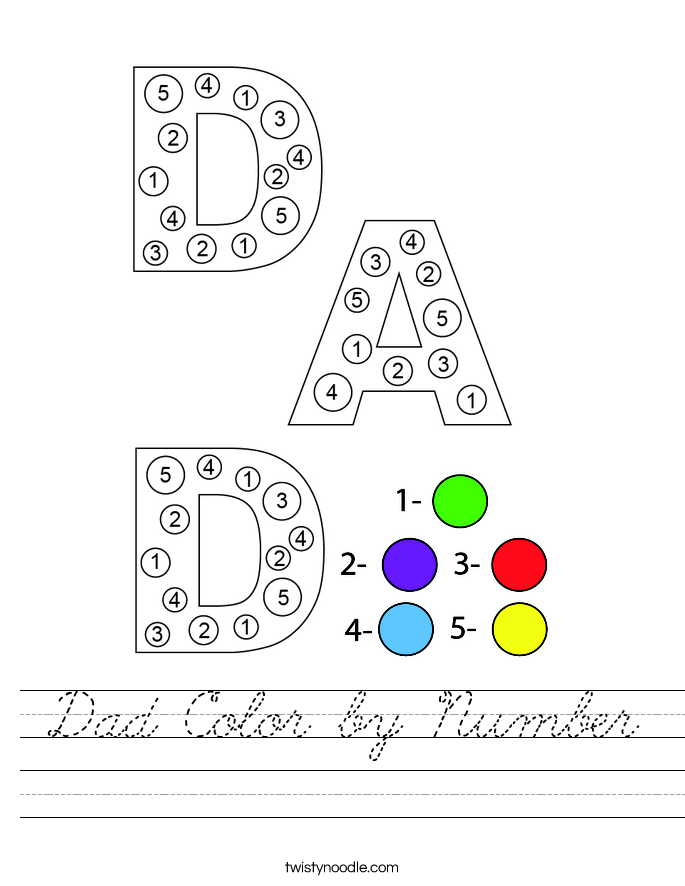
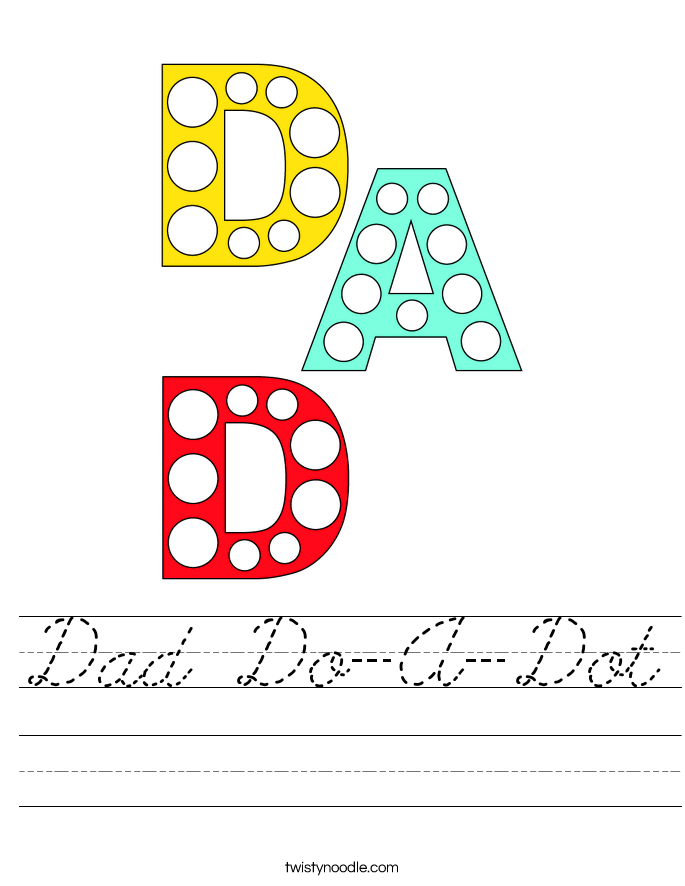
Learning to write involves much more than simply holding a writing utensil and staring at a blank sheet of paper. Children must coordinate complex visual-motor integration skills alongside the intrinsic muscles of the hand to achieve fluid letter formation. Introducing connected script to young learners often bridges the gap between basic print and advanced handwriting fluency. The free printable worksheet “dad and cursive” offers an engaging bridge for children beginning to explore slanted lines and continuous strokes. Educators and occupational therapists frequently notice that children light up when working with meaningful vocabulary rather than abstract drills. It sounds simple, and that’s the point. Transforming everyday words like “dad” into cursive practice makes the fine motor challenge approachable, personal, and profoundly rewarding for developing learners.
💡 Educational Key Takeaways:
- Core Skill: Structured Dad And Cursive focused on developing pencil grip, stroke control, and early literacy/math confidence.
- Target Scope: Suited for homeschoolers, preschool, kindergarten, and elementary learners.
- Best Recommendation: Practice 10–15 minutes daily with ergonomic writing tools to reinforce muscle memory without hand fatigue.
What This Worksheet Covers
This targeted practice page focuses heavily on letter formation, stroke order, and physical spacing. Unlike rigid block printing, cursive demands a continuous, flowing motion that reduces hand fatigue over long writing tasks. Children transition from isolated strokes to fluid transitions, linking the letters “d,” “a,” and “d” in a seamless sequence. Classroom observations show that young children often struggle initially with the re-tracing loops required for the letter “d,” making focused repetition on short words an ideal training ground. According to the American Occupational Therapy Association, building foundational handwriting skills requires adequate postural stability, proximal shoulder control, and precise distal finger movements to manipulate pencils effectively.
Key Learning Outcomes
Mastering short connected words builds a strong foundation for future academic success and note-taking speed. Learners develop fine-tuned hand control by regulating the exact pressure applied during upward and downward directional strokes. Visual tracking improves significantly as eyes scan smoothly from left to right along the baseline. Spatial awareness also expands because children must judge the relative height of ascending loops compared to short, middle-zone letters. Educators exploring broader instructional tools can review various Letter Writing Worksheets to complement these foundational cursive exercises and reinforce proper pencil habits.
How to Use The Worksheet
Begin the session by demonstrating the correct stroke sequence in the air, exaggerating the flowing motion of the connected lines before touching paper. Invite learners to trace the dotted examples using a finger first, activating muscle memory through tactile exploration. Provide short, manageable intervals of practice to prevent hand cramping and maintain high concentration levels. Teachers can easily integrate these pages into morning writing stations, while caregivers might use them during quiet afternoon routines. Pairing these practice sessions with creative Coloring Worksheets helps build intrinsic hand strength and relaxes the hand muscles after intense writing drills.
Practical Tips for Parents and Teachers
Hand posture remains a critical component of successful handwriting development, so check that fingers rest approximately one inch above the pencil tip. Slanting the paper slightly to match the natural angle of the child’s writing hand drastically improves visibility and stroke accuracy. Praise specific efforts, such as noting how smoothly the connection between the two letters was executed, rather than focusing purely on perfection. Offering thick, triangular pencils can also assist children who struggle with standard gripping tools. For households and classrooms seeking additional developmental resources, exploring broader collections of Worksheets ensures a well-rounded skill-building routine.
Age-Appropriate Recommendations
Introducing cursive elements typically aligns with late second grade or early third grade, once children have established a consistent manuscript print foundation. According to the National Association for the Education of Young Children, developmentally appropriate practice requires matching instructional complexity to the child’s physical readiness rather than chronological age alone. Children with advanced fine motor control may begin cursive exploration slightly earlier, while those experiencing developmental delays in hand strength benefit from extended pre-writing preparation. Matching expectations to individual abilities prevents frustration and fosters a lifelong love for written expression.
Proficient handwriting supports overall cognitive development, composition fluency, and academic confidence across all grade levels. — Reading Rockets
Frequently Asked Questions
Finding the right handwriting materials should be seamless for busy educators and families guiding young learners. The answers below address common inquiries regarding downloading, developmental benefits, and trusted educational standards for teaching script.
Explore More Free Printable Worksheets
Supporting a child’s writing journey requires a diverse library of engaging printables that target specific motor milestones. Educators and parents can easily expand their toolkit by browsing through specialized Tracing Worksheets to build essential pencil control before tackling complex letters. Maintaining a varied practice schedule ensures children remain motivated and enthusiastic about mastering new academic challenges.
Developmental Milestone & Activity Table
| Development Stage | Recommended Daily Duration | Primary Learning Objective |
|---|---|---|
| Preschool & Pre-K | 10 – 15 Minutes | Pencil grip development & basic pre-stroke lines |
| Kindergarten | 15 – 20 Minutes | Letter/number formation & spatial line awareness |
| Early Elementary (Grade 1–2) | 20 – 30 Minutes | Fluency, sentence construction & neatness |
Images References