Introduction
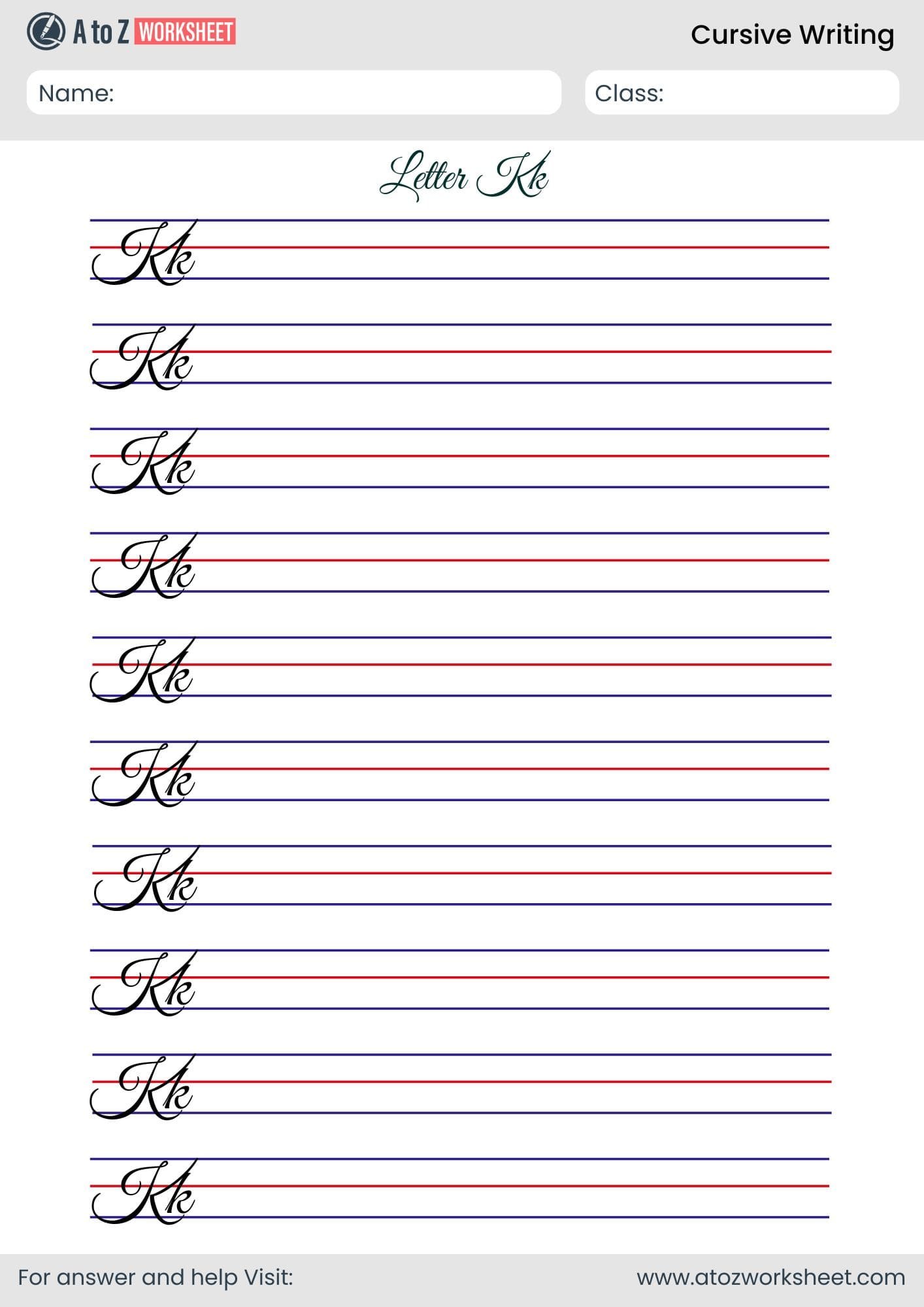
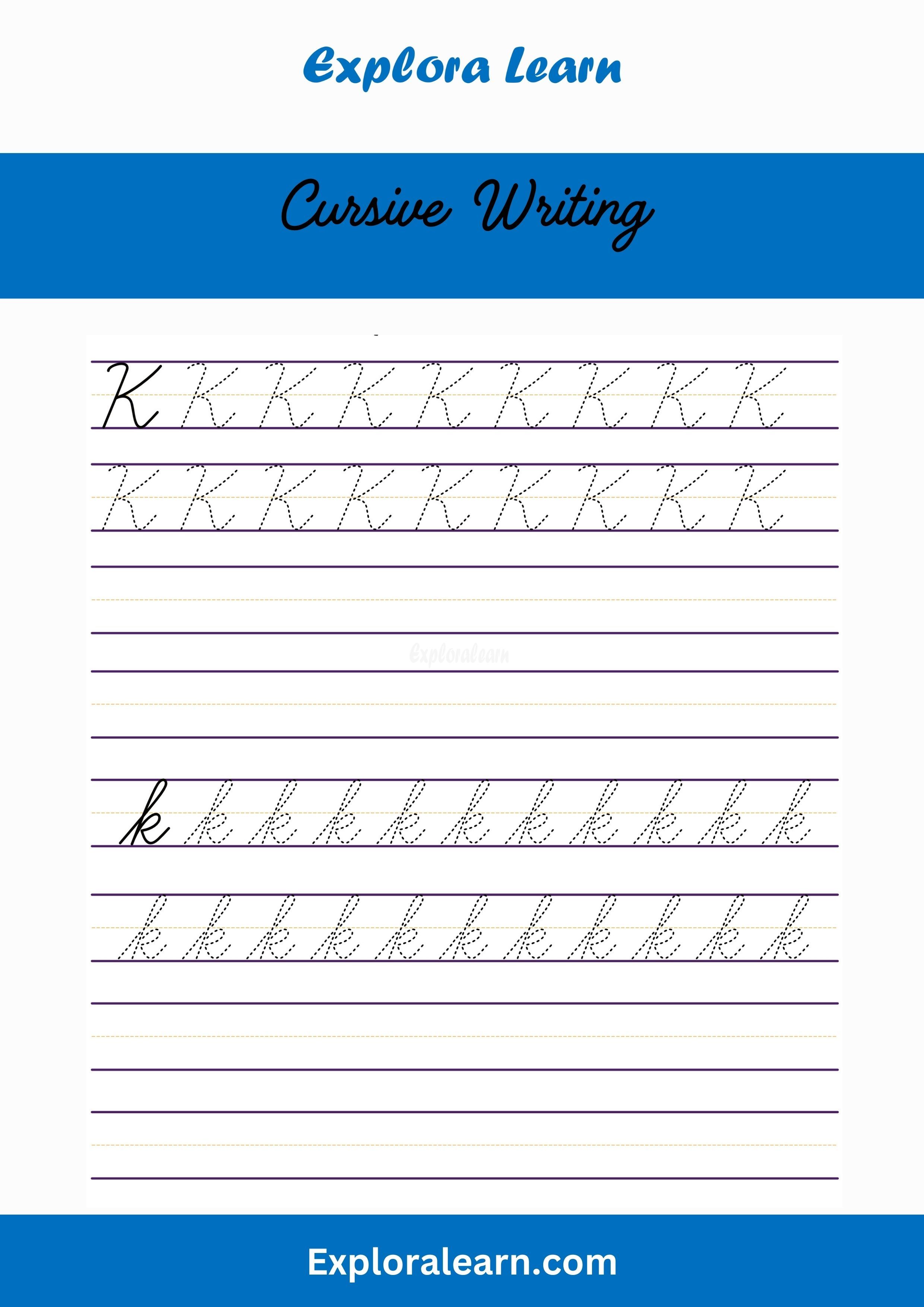
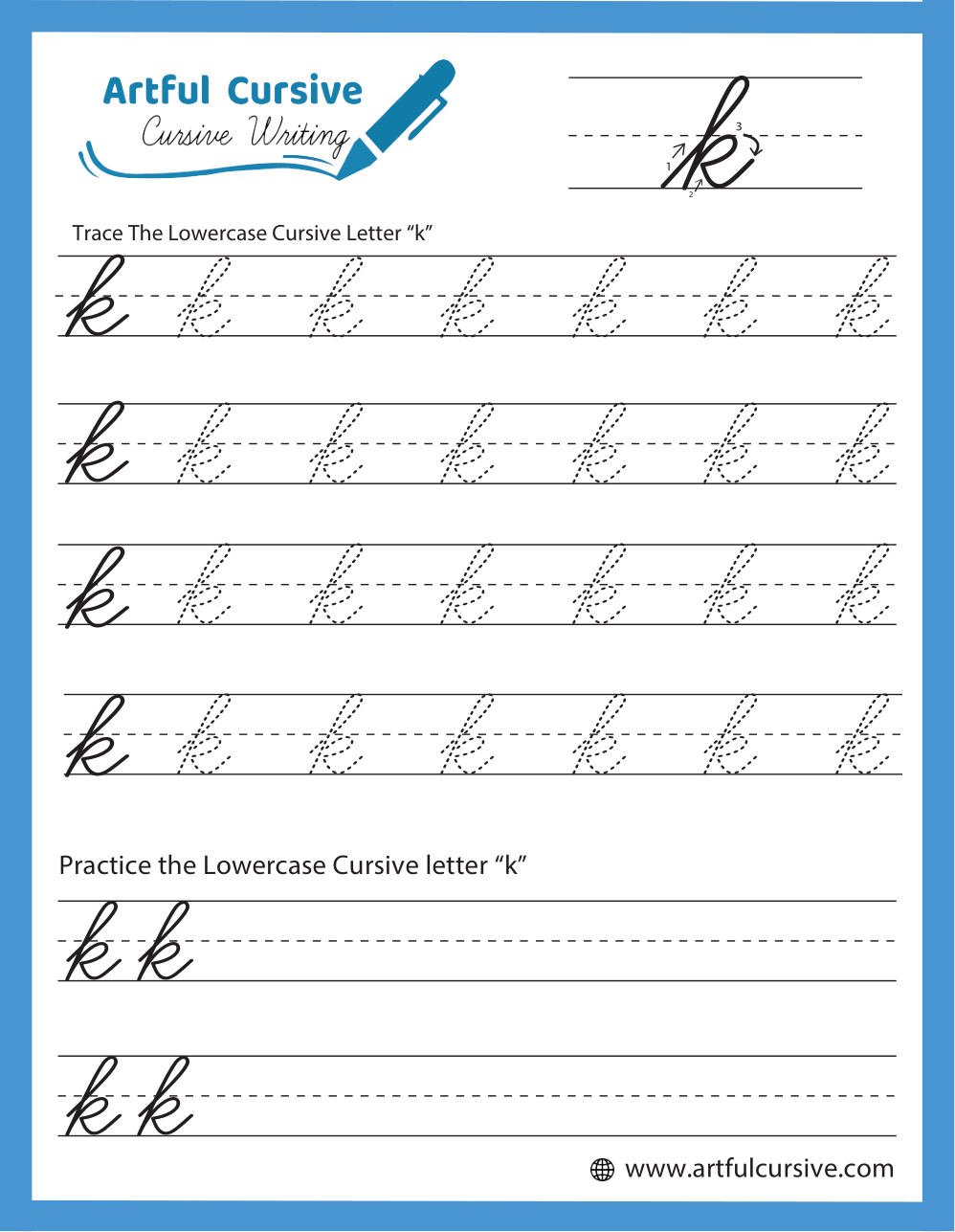
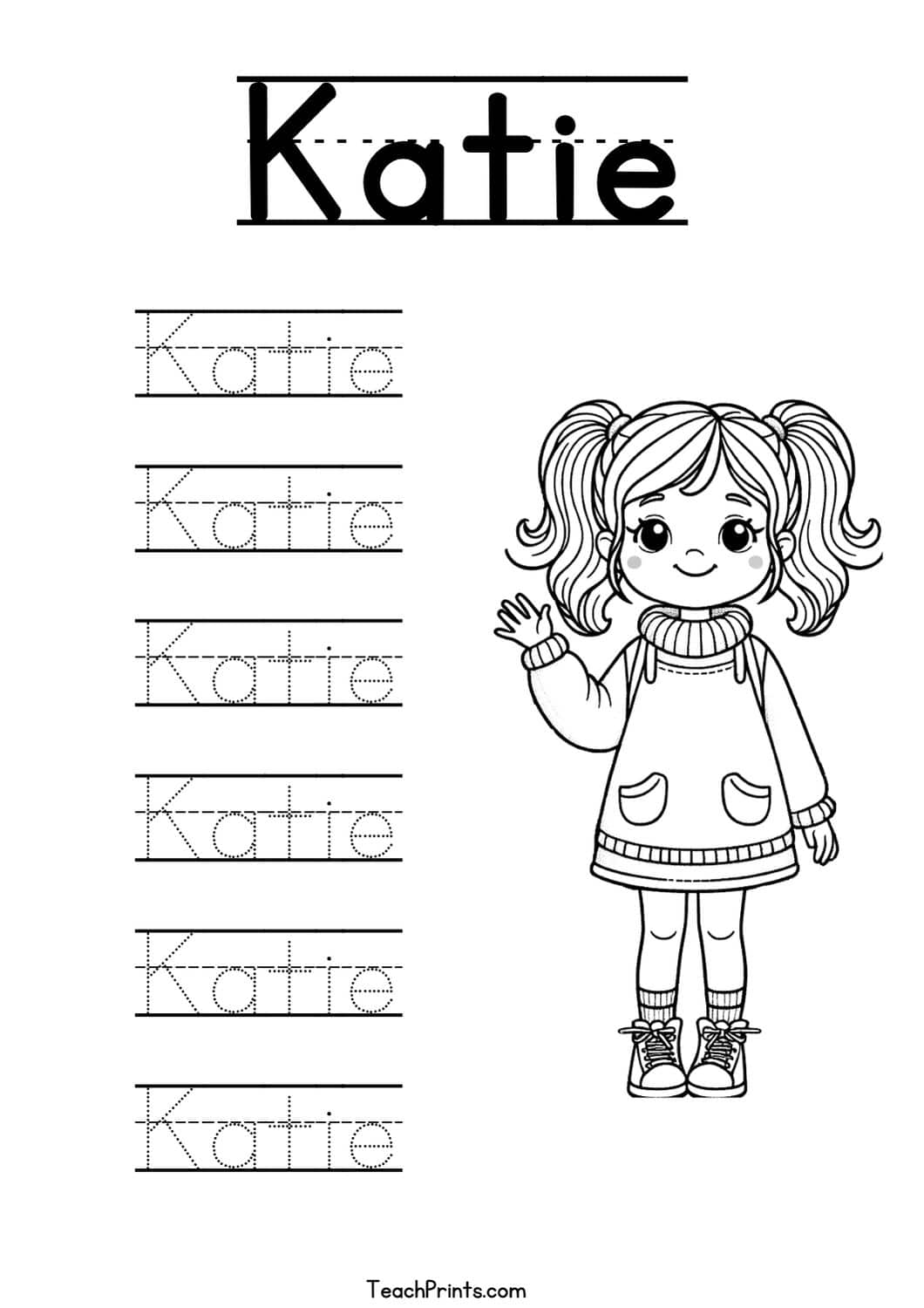
Transitioning young learners from block print to connected script is a monumental milestone in early childhood education. The free printable worksheet “katie cursive” provides a structured pathway for children mastering fluid handwriting movements. Practitioners often observe children pressing crayons into paper with white-knuckled exhaustion, revealing an underlying struggle with continuous hand control. Bridging the gap between disjointed print letters and flowing cursive requires intentional practice materials that respect physical development stages. Educators utilizing targeted Letter Writing Worksheets notice rapid improvements in fluid wrist rotation and slant consistency among developing writers. Script instruction reinforces directional habits while building the foundational dexterity required for academic writing endurance.
💡 Educational Key Takeaways:
- Core Skill: Structured Katie Cursive focused on developing pencil grip, stroke control, and early literacy/math confidence.
- Target Scope: Suited for homeschoolers, preschool, kindergarten, and elementary learners.
- Best Recommendation: Practice 10–15 minutes daily with ergonomic writing tools to reinforce muscle memory without hand fatigue.
What This Worksheet Covers
Targeted script practice focuses heavily on fluid directional strokes, baseline alignment, and consistent letter sizing. Connecting letters demands continuous pencil pressure without the abrupt stops inherent in manuscript printing. Children engage directly with sweeping lead-in lines, looping ascenders, and graceful exit tails. According to the American Occupational Therapy Association, mastering continuous-stroke handwriting enhances bilateral coordination and visual-motor integration in school-aged children. Furthermore, structured cursive tools build muscle memory in the intrinsic hand muscles, reducing hand fatigue during extended writing tasks. Exploring related Tracing Worksheets offers additional pre-writing support for learners still stabilizing their pencil grip.
Key Learning Outcomes
Repeated engagement with connected script fosters spatial awareness across the writing page. Young writers learn to judge proportional letter heights and maintain uniform spacing between individual words. According to Reading Rockets, systematic handwriting instruction activates visual perception regions in the brain, directly supporting decoding and reading fluency. Confidence blooms as children realize they can produce sophisticated, adult-like script rather than disjointed capital blocks. Adults supporting this progression often incorporate specialized Name Practice Worksheets to anchor script mastery in personal identity and immediate relevance.
How to Use This Worksheet
Implementation succeeds best through short, highly focused daily intervals rather than exhausting marathon sessions. Ten minutes of attentive script practice yields far better neurological retention than an hour of distracted scribbling. Adults should supervise initial attempts to ensure proper stroke initiation, catching incorrect pencil habits before muscle memory solidifies. Placing transparent plastic sheets over printed pages allows children to practice looping lines repeatedly with dry-erase markers. This tactile repetition eliminates performance anxiety, transforming skill acquisition into a low-stakes, engaging game.
Practical Tips for Parents and Teachers
Ergonomic setup remains paramount during any fine motor activity. Chairs must allow feet to rest flat on the floor, establishing a stable base of support for upper body control. Slanting the writing surface slightly upward encourages a natural wrist extension, preventing hand cramping. It sounds simple, and that is the point. When the body is comfortably aligned, the hand is free to execute delicate looping movements without unnecessary tension. Encouraging a dynamic tripod grasp ensures fingers maintain adequate mobility along the pencil shaft.
Age-Appropriate Recommendations
Introducing cursive generally aligns with third-grade benchmarks under the Common Core ELA standard CCSS.ELA-LITERACY.L.3.1.i, though second-grade students with advanced fine motor skills often begin exploring foundational connections. Younger children in early elementary grades should focus heavily on basic stroke accuracy and pencil stabilization before attempting full word loops. According to the National Association for the Education of Young Children guidelines on developmentally appropriate practice, expectations must match the physical readiness of the child’s small hand muscles rather than arbitrary age milestones. For younger developmental groups, incorporating broader Preschool Worksheets ensures foundational dexterity is fully established.
Systematic cursive instruction activates neurological pathways associated with visual-motor integration and reading fluency — Reading Rockets
Frequently Asked Questions
Answers to common inquiries regarding cursive implementation, printing logistics, and developmental milestones.
Mastering continuous-stroke handwriting enhances bilateral coordination and finger dexterity in developing learners — American Occupational Therapy Association
Explore More Free Printable Worksheets
Expanding a child’s writing repertoire requires access to diverse, engaging practice materials designed for every stage of development. Exploring comprehensive resource libraries ensures educators and parents can always locate targeted activities tailored to specific fine motor goals. Discover additional tools across various categories by browsing through the main catalog of printable Worksheets designed to inspire young learners daily. For artistic activities that build hand strength, try incorporating engaging Coloring Worksheets into the weekly routine.
Developmental Milestone & Activity Table
| Development Stage | Recommended Daily Duration | Primary Learning Objective |
|---|---|---|
| Preschool & Pre-K | 10 – 15 Minutes | Pencil grip development & basic pre-stroke lines |
| Kindergarten | 15 – 20 Minutes | Letter/number formation & spatial line awareness |
| Early Elementary (Grade 1–2) | 20 – 30 Minutes | Fluency, sentence construction & neatness |
Images References