Introduction
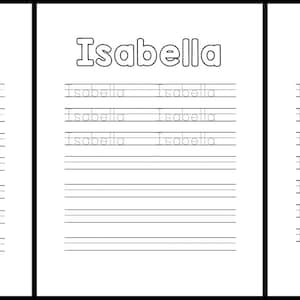
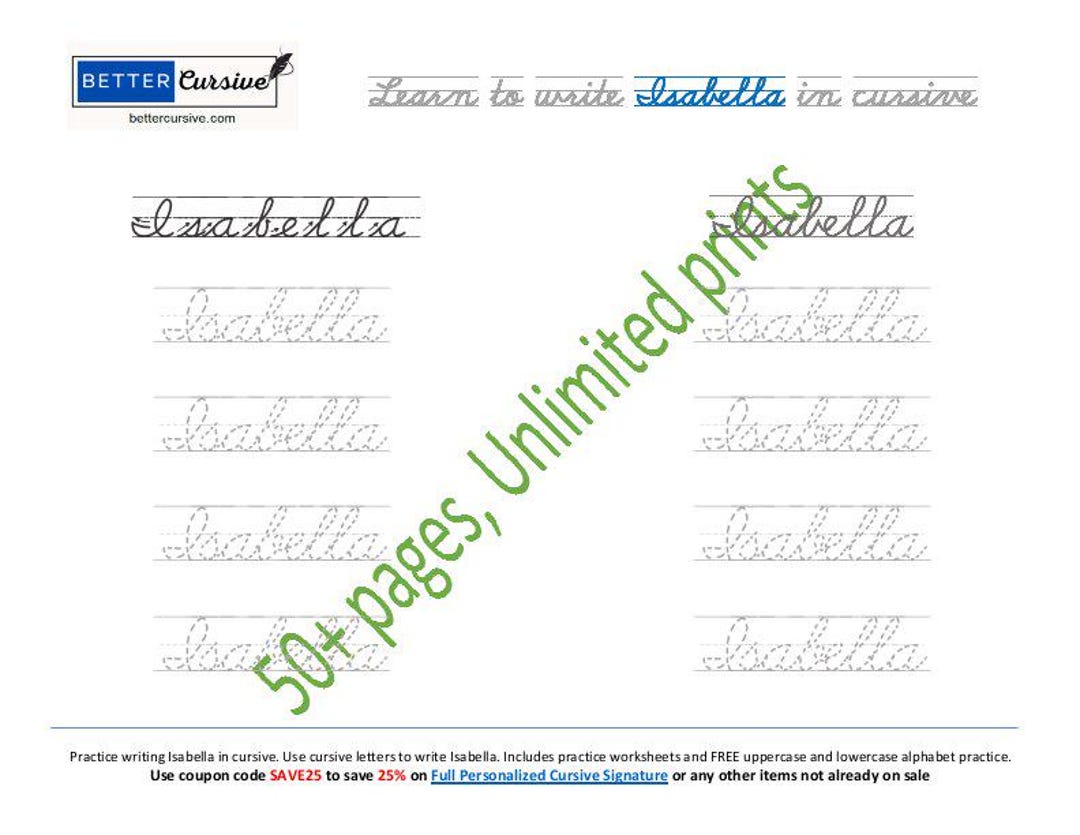
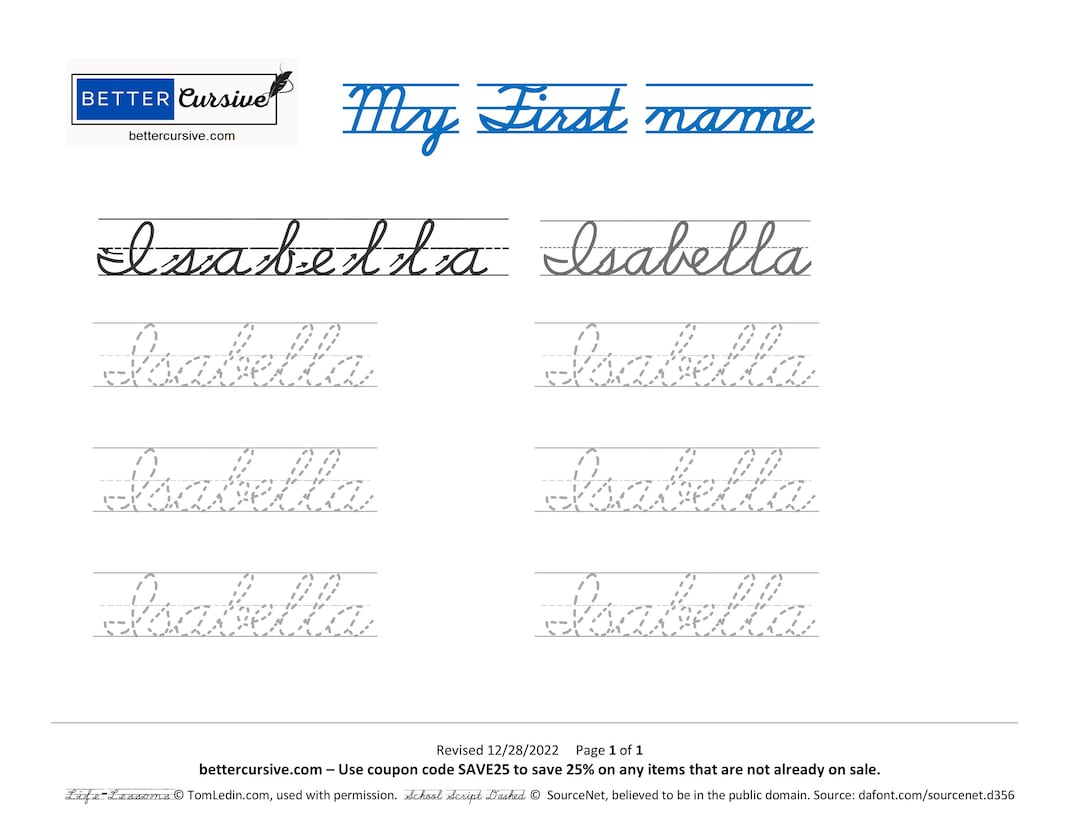
Mastering connected handwriting requires a delicate balance of visual-motor integration, spatial awareness, and consistent motor planning. When children transition from print to script, targeted resources like the free printable worksheet “isabella cursive wiritmg” offer a structured pathway toward fluid writing habits. Clinical observations in pediatric therapy rooms frequently highlight how personalized name practice anchors a child’s investment in difficult writing tasks. It sounds simple, and that’s the point. Personalization transforms abstract loops and lines into a meaningful ownership exercise, fostering patience during early cursive instruction.
💡 Educational Key Takeaways:
- Core Skill: Structured Isabella Cursive Wiritmg focused on developing pencil grip, stroke control, and early literacy/math confidence.
- Target Scope: Suited for homeschoolers, preschool, kindergarten, and elementary learners.
- Best Recommendation: Practice 10–15 minutes daily with ergonomic writing tools to reinforce muscle memory without hand fatigue.
What This Worksheet Covers
This specific printable focuses squarely on letter formation, stroke sequencing, and optimal spacing within cursive script. Children encounter unique challenges when linking letters together, particularly managing the continuous fluid movement required for names containing curved terminals. Practicing these specific letter sequences builds muscle memory in the intrinsic hand muscles, which directly supports overall Name Practice Worksheets progression. According to the American Occupational Therapy Association, foundational fine motor control established through targeted writing sheets directly enhances a student’s academic confidence and legibility over time. Educators often notice that when children trace their own names in script, they pay closer attention to baseline adherence and proportional height.
Key Learning Outcomes
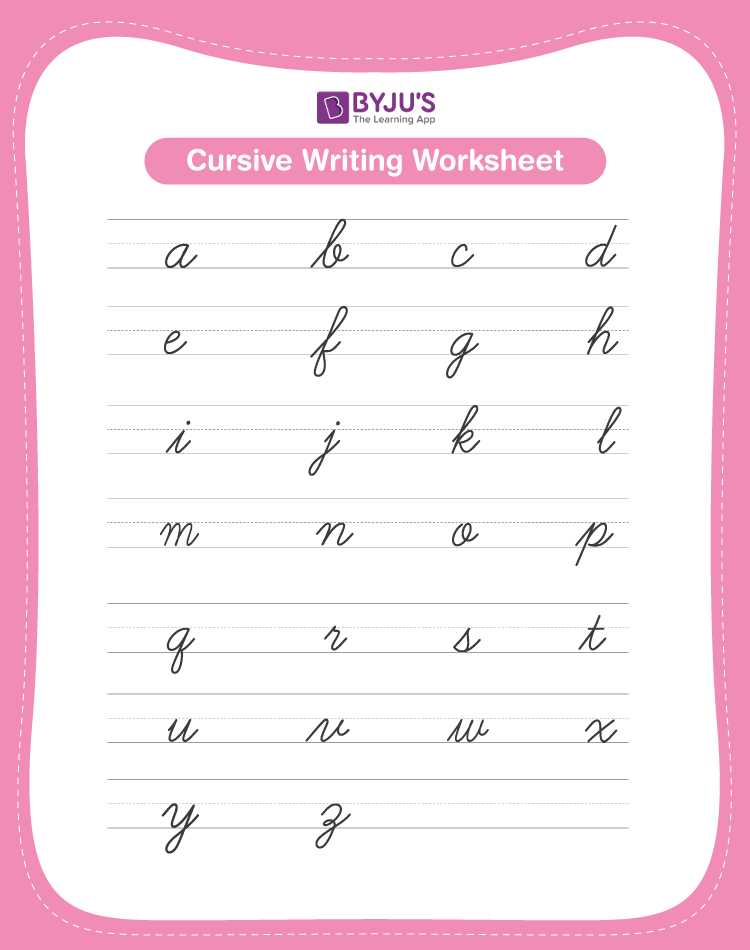
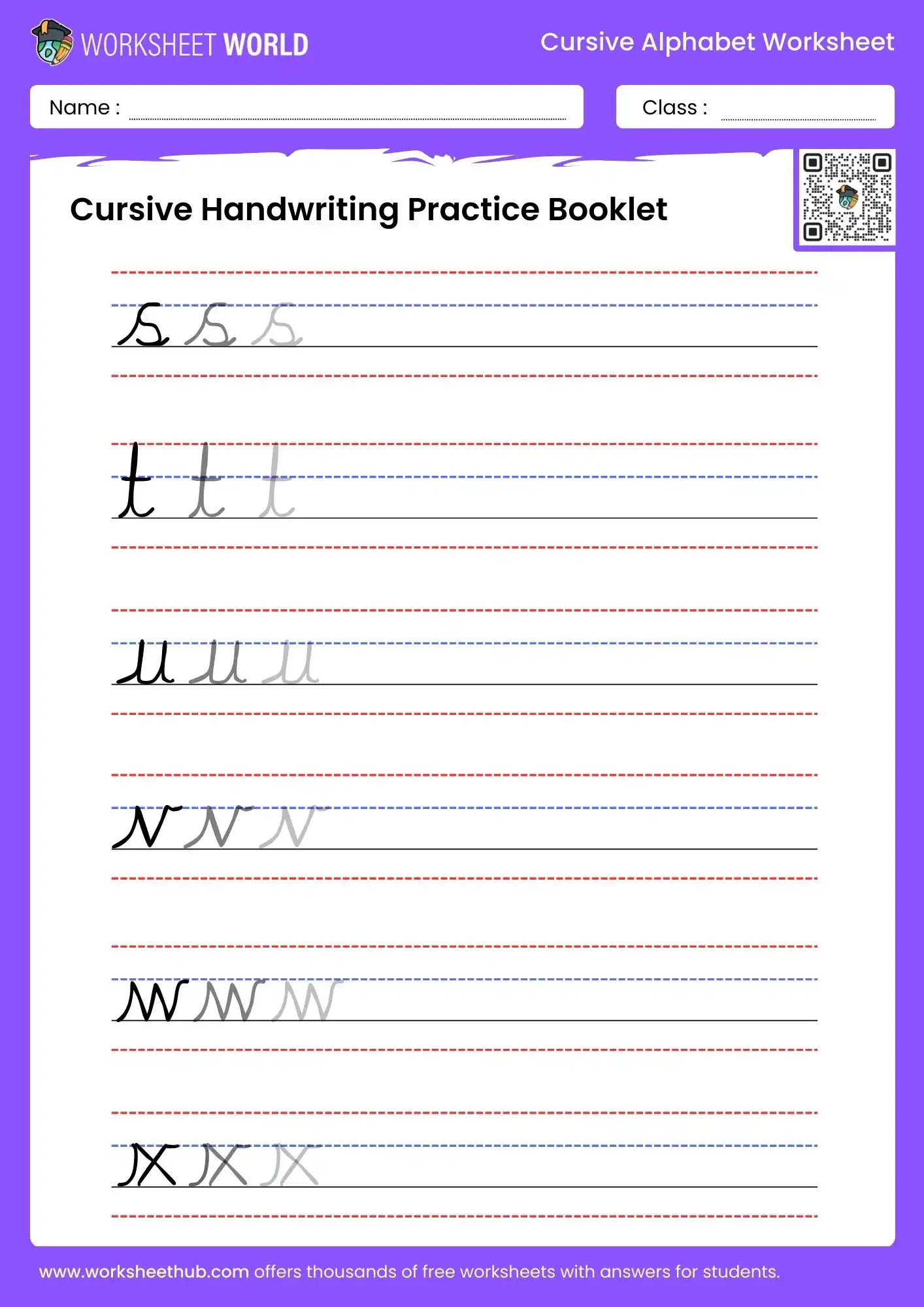
Repeated engagement with customized cursive layouts yields measurable improvements in pencil pressure regulation and directional crossing. Learners transition from disjointed, jerky strokes to rhythmic, continuous motions that define fluent cursive writing. Here’s what makes this worksheet different: it targets the exact transitional strokes—like connecting upward swings to downward slants—that frequently trip up developing writers. Strengthening these patterns aligns closely with broader goals found in specialized Letter Writing Worksheets collections designed to bridge print and script.
How to Use This Worksheet
Implementation requires more than simply handing a child a pencil and walking away. Adults should first demonstrate proper grip mechanics, ensuring the pencil rests gently between the thumb, index, and middle fingers without excessive knuckle whitening. Children benefit enormously from air-writing the name first, using gross motor movements of the entire arm to internalize the flow before applying graphite to paper. This kinesthetic preparation reinforces neural pathways associated with successful letter formation.
Practical Tips for Parents and Teachers
Creating a calm, well-lit workspace with an appropriately sized chair and desk prevents early physical fatigue during writing sessions. Slanting the paper slightly to match the natural angle of the child’s writing hand dramatically improves line accuracy and reduces wrist strain. Educators can pair this exercise with tactile explorations, such as tracing the letters in a shallow tray filled with salt or sand. For broader foundational skill-building before tackling advanced script, exploring various Tracing Worksheets can provide essential pre-writing stroke stabilization.
Age-Appropriate Recommendations
Introducing cursive typically occurs around the second or third grade, once children demonstrate stable print legibility and consistent left-to-right progression. According to the National Association for the Education of Young Children Developmentally Appropriate Practice guidelines, expectations must align with each child’s current fine motor stamina rather than strict chronological age. Pushing cursive too early can cause finger cramping and frustration, whereas introducing it when hand arches are fully matured yields much smoother results. Additional early childhood resources, such as standard Preschool Worksheets, help build the underlying hand strength necessary for these later milestones.
Foundational fine motor control established through targeted writing sheets directly enhances a student’s academic confidence and legibility over time. — American Occupational Therapy Association (AOTA)
Frequently Asked Questions
Parents and educators frequently ask practical questions regarding the implementation, downloading, and developmental benefits of personalized handwriting printables.
Mastering connected handwriting requires a delicate balance of visual-motor integration, spatial awareness, and consistent motor planning. — National Center for Learning Disabilities (NCLD)
Explore More Free Printable Worksheets
Expanding a child’s writing repertoire requires access to a diverse library of skill-building materials. Educators and caregivers can browse comprehensive collections of Worksheets to support every stage of development, from early pencil grasp mastery to advanced cursive fluency. Integrating varied resources ensures that children remain engaged while building the vital neuromuscular connections required for lifelong writing success.
Developmental Milestone & Activity Table
| Development Stage | Recommended Daily Duration | Primary Learning Objective |
|---|---|---|
| Preschool & Pre-K | 10 – 15 Minutes | Pencil grip development & basic pre-stroke lines |
| Kindergarten | 15 – 20 Minutes | Letter/number formation & spatial line awareness |
| Early Elementary (Grade 1–2) | 20 – 30 Minutes | Fluency, sentence construction & neatness |
Images References