Introduction
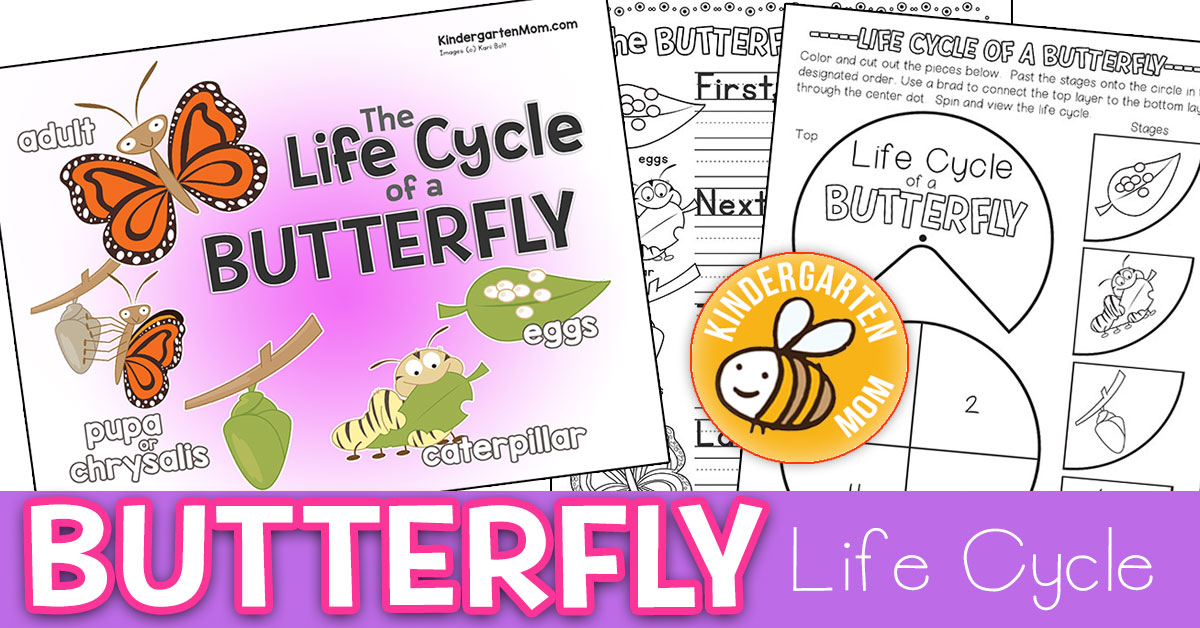
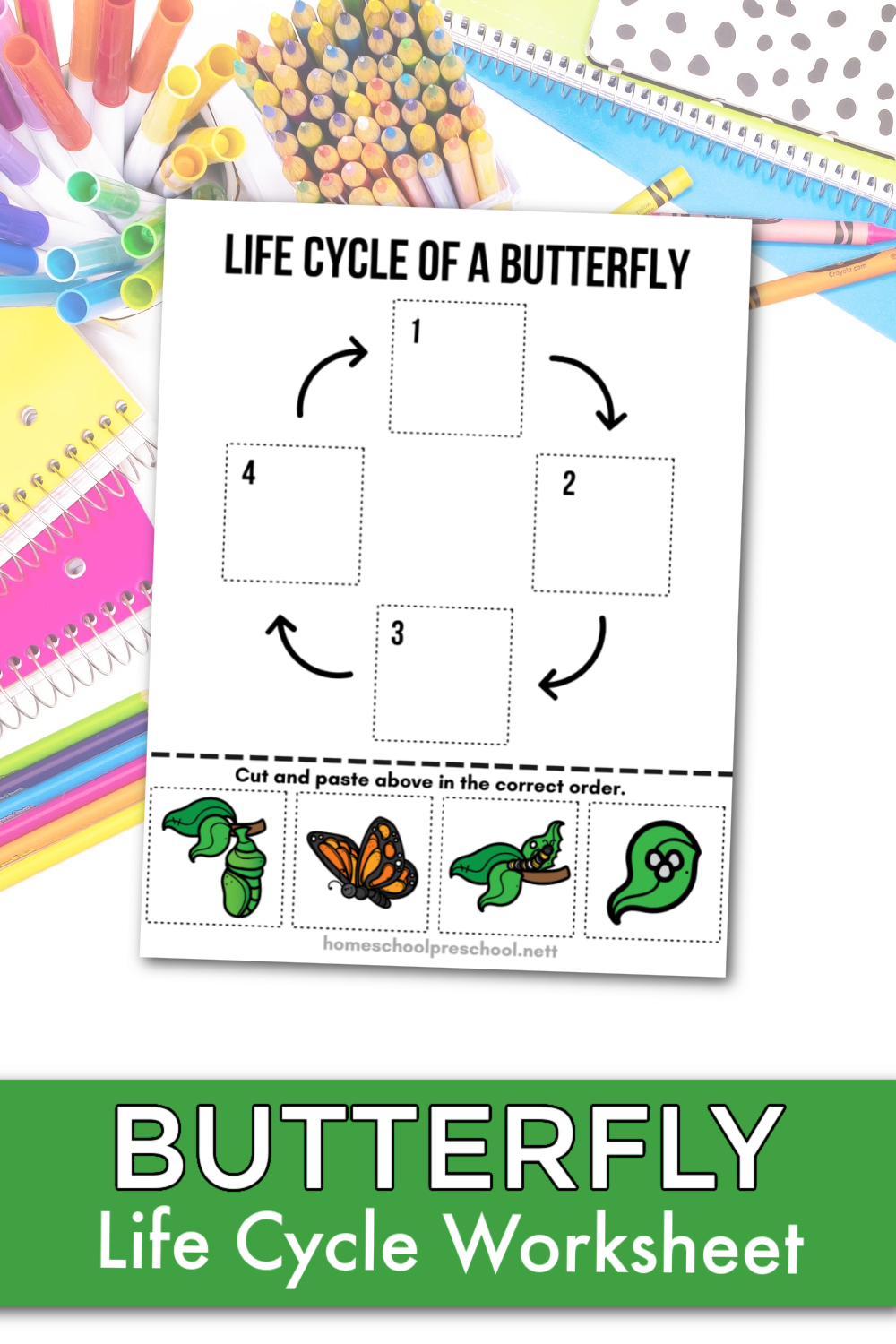
Preschool butterfly worksheets provide structured, thematic tracing exercises designed to develop early fine-motor control, bilateral coordination, and foundational stroke accuracy in young children. According to the American Occupational Therapy Association (AOTA), purposeful pre-writing activities involving continuous curvilinear patterns significantly enhance the intrinsic hand muscles necessary for mature pencil grasp development. Educators and parents utilize these seasonal templates alongside general preschool worksheets to bridge creative engagement with rigorous pre-handwriting mechanics. The whimsical symmetry of butterfly wings naturally encourages alternating left-to-right strokes, preparing the hand for formal letter and character formation.
Handwriting Practice Snapshot:
- Core Focus: Symmetrical stroke generation and fine-motor pencil control using insect motifs.
- Target Scope: Early childhood education settings, occupational therapy sessions, and home-school environments.
- Key Recommendation: Pair continuous wing loops with targeted tracing worksheets to build sustained grip endurance.
Core Principles and Detailed Overview
Handwriting mechanics depend on precise neurological translation of visual patterns into fluid motor actions, a process thoroughly supported by seasonal printables. Preschool butterfly worksheets isolate specific pre-writing strokes—such as horizontal lines, vertical slants, loops, and concentric circles—within the distinct anatomical segments of an insect. By mapping out antennae, symmetrical wings, and segmented bodies, young learners practice the exact biomechanical movements required for uppercase and lowercase alphabet construction. Integrating these thematic layouts with foundational letter writing worksheets ensures smooth transitions from playful drawing to standardized character formation without causing hand fatigue or grip regression.
Key Specifications and Breakdown
| Skill Level / Grade | Target Stroke / Mechanical Focus | Pedagogical / Coaching Cue |
|---|---|---|
| Early Preschool (Ages 3-4) | Continuous loop, radial arc, and concentric oval tracing | Encourage the child to glide smoothly around the wing edges without lifting the writing utensil. |
| Late Preschool (Ages 4-5) | Diagonal cross-hatching, straight antenna lines, and symmetry | Prompt the learner to alternate sides evenly to balance bilateral hand coordination. |
| Transition to Kindergarten | Controlled directional arrows, proportional scaling, and baseline alignment | Instruct the student to follow the directional entry points from top to bottom and left to right. |
Handwriting and Fine-Motor Development Principle — American Occupational Therapy Association (AOTA)
Step-by-Step Practical Application and Guidelines
Implementing thematic printables effectively requires a structured progression from gross motor air-writing to fine motor pencil application. Educators should begin by having learners trace large butterfly outlines in the air or on sensory salt trays to internalize the directional flow of the strokes. Next, introduce the paper templates while monitoring the tripod grasp, ensuring fingers rest approximately one inch above the pencil tip. Practitioners should combine these artistic tracing drills with customized name practice worksheets to personalize the session and maintain high engagement levels throughout the writing exercise.
Common Challenges and How to Avoid Them
Premature hand cramping and incorrect directional stroke sequences represent the most frequent obstacles encountered during early childhood writing tasks. To prevent fatigue, limit continuous tracing sessions to under ten minutes and ensure seating ergonomics feature feet flat on the floor with elbows resting comfortably at a ninety-degree angle. If children struggle with crossing the visual midline while completing symmetrical butterfly wings, physical guidance or boundary markers can help retrain eye-tracking patterns. Supplementing these targeted mechanics with creative coloring worksheets further reinforces wrist stability and builds the necessary endurance for advanced academic writing.
💬 Frequently Asked Questions
Explore More Free Handwriting and Character Worksheets
Mastering early handwriting mechanics requires a diverse library of targeted printables, seasonal resources, and structured practice tools. Educators, parents, and developmental specialists can access hundreds of complimentary resources directly at CharacterWritingWorksheets.com to support every phase of early childhood literacy development.
Worksheet Previews & Reference Materials