Introduction
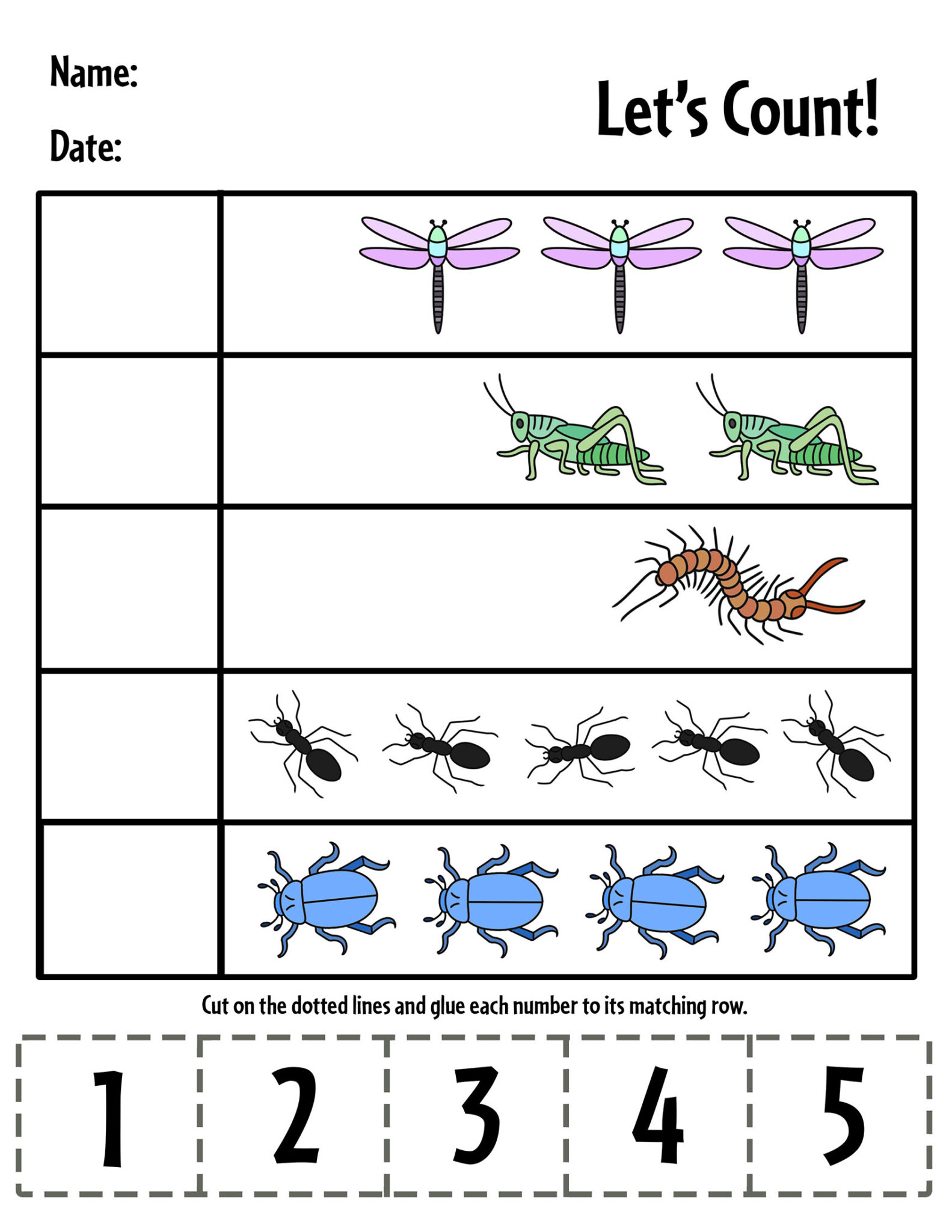
Preschool busy worksheets are structured, engagement-focused educational printables designed to build foundational fine-motor skills, visual-spatial awareness, and early character recognition through repetitive, low-stress tracing and matching activities. According to the National Association for the Education of Young Children (NAEYC), developmentally appropriate practice requires embedding fine-motor skill acquisition into playful, structured tasks that foster self-regulation and physical dexterity. Utilizing targeted preschool worksheets bridges the gap between casual play and formal writing readiness. Early childhood educators and parents leverage these multi-sensory printables to establish proper pencil grips, spatial boundaries, and foundational stroke sequences before children transition to rigorous alphabet instruction.
Handwriting Practice Snapshot:
- Core Focus: Building fine-motor dexterity and foundational pencil control via engaging printable templates.
- Target Scope: Early childhood settings, home-school environments, and occupational therapy interventions.
- Key Recommendation: Pair structured tracing sheets with tactile manipulatives to reinforce proper neuromuscular pathways.
Core Principles and Detailed Overview
Preschool busy worksheets establish proper handwriting mechanics by systematically breaking down complex letter forms into manageable vertical, horizontal, diagonal, and curved strokes. This systematic breakdown reduces cognitive overload, allowing young learners to concentrate entirely on hand-eye coordination, pencil pressure regulation, and bilateral hand integration. When developing independent writing capabilities, children benefit greatly from incorporating specialized tracing worksheets that emphasize continuous line control. Furthermore, integrating coloring worksheets into the daily routine strengthens intrinsic hand muscles, which directly supports the endurance required for extended writing tasks.
Key Specifications and Breakdown
| Skill Level / Grade | Target Stroke / Mechanical Focus | Pedagogical / Coaching Cue |
|---|---|---|
| Early Preschool (Age 3) | Vertical lines, horizontal lines, and gross circular motions. | “Start at the top sky line and pull straight down to the ground.” |
| Mid Preschool (Age 4) | Diagonal slants, intersecting lines, and closed shapes. | “Keep your wrist resting gently on the paper and glide smoothly.” |
| Pre-Kindergarten (Age 5) | Letter formation curves, baseline alignment, and directional flow. | “Trace the dotted path slowly without lifting your pencil tip.” |
Early childhood fine-motor development depends on proximal stability, core strength, and the progressive refinement of dynamic tripod grasps before formal letter formation is introduced. — American Occupational Therapy Association (AOTA)
Step-by-Step Practical Application and Guidelines
Implementing preschool busy worksheets effectively requires a structured daily routine that prioritizes correct ergonomics, short practice durations, and positive reinforcement. Educators and parents should begin sessions by verifying that the child maintains a functional tripod grip, with feet flat on the floor and the paper tilted at a comfortable angle matching the writing hand. Introduce targeted letter writing worksheets only after the child demonstrates consistent mastery of basic pre-writing stroke patterns. Transition smoothly into specialized name practice worksheets to provide personalized relevance, ensuring learners connect fine-motor effort directly to their own identities and written communication.
Common Challenges and How to Avoid Them
Hand fatigue, incorrect pencil grasps, and frustration during tracing tasks usually stem from overly complex worksheets or excessive daily duration demands. Adults must monitor children closely for white-knuckle grips or awkward wrist wrapping, intervening early with ergonomic pencil grips or vertical surface drawing boards to restore proper alignment. Keeping practice sessions brief—typically five to ten minutes—prevents burnout and ensures that muscle memory forms correctly without reinforcing bad postural habits.
💬 Frequently Asked Questions
Explore More Free Handwriting and Character Worksheets
Educators and families seeking comprehensive resources to support early childhood development can explore the complete collection of printable materials available across CharacterWritingWorksheets.com. Accessing these structured assets empowers adults to guide young learners toward confident, legible, and fluent handwriting mastery.
Worksheet Previews & Reference Materials