Introduction
Preschool beginner worksheets serve as foundational instructional tools engineered to bridge the developmental gap between gross motor play and precise letter formation mechanics. According to the National Association for the Education of Young Children (NAEYC), purposeful fine-motor activities integrated into early childhood curricula effectively build the hand strength and neural pathways necessary for lifelong writing fluency. These specialized printables guide young learners through foundational strokes—such as horizontal lines, vertical lines, circles, and slants—before transitioning to actual alphabet characters. Educators and parents utilizing structured preschool worksheets establish an essential framework for proper pencil grip, visual-spatial awareness, and directional tracking. Mastery of early stroke sequences prevents compensatory habits like awkward finger positioning or excessive writing fatigue. This resource examines essential mechanical principles, developmental staging, and evidence-based methodologies for optimizing early literacy instruction.
Handwriting Practice Snapshot:
- Core Focus: Systematic stroke sequencing and fine-motor control for early childhood learners.
- Target Scope: Preschool classrooms, home-school environments, and occupational therapy interventions.
- Key Recommendation: Prioritize large pre-writing strokes and multisensory tactile feedback before introducing standard pencil-and-paper exercises.
Core Principles and Detailed Overview
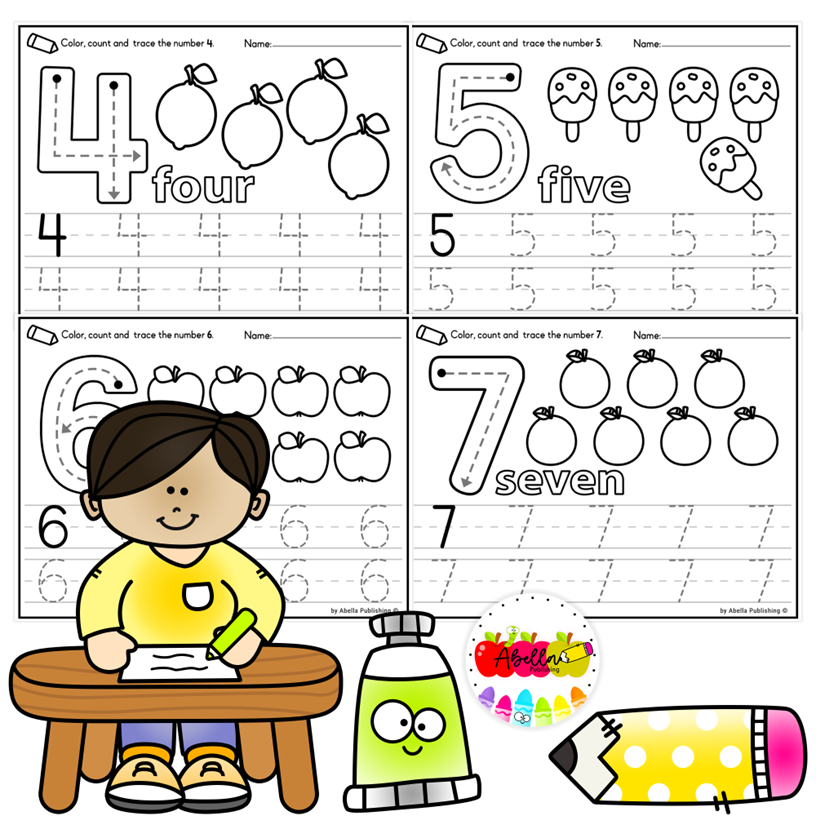
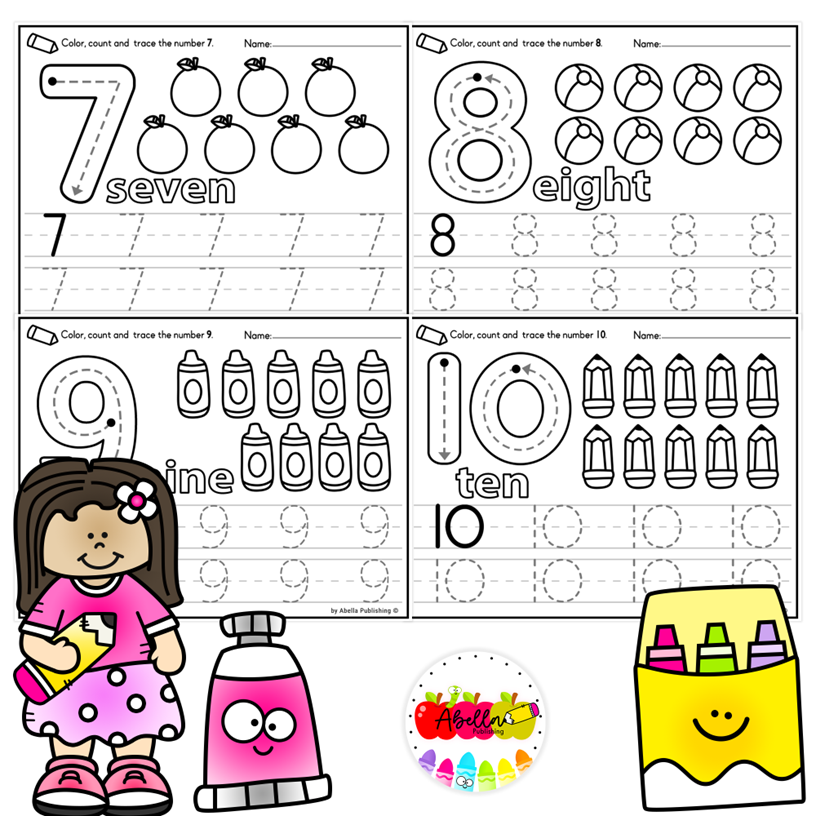
Handwriting mechanics in early childhood depend entirely upon sequential stroke acquisition and consistent visual-motor integration. Preschool beginner worksheets must align with developmental readiness, moving deliberately from unstructured scribbling to controlled directional movements. The structural integrity of each printable sheet relies on appropriately sized primary writing lines, clear directional arrows, and distinct starting dots that cue the correct top-to-bottom and left-to-right writing habits. Utilizing targeted tracing worksheets reinforces spatial boundaries while conditioning the intrinsic muscles of the hand. Furthermore, integrating coloring worksheets into daily routines offers a low-pressure method for building hand endurance, wrist stability, and boundary awareness prior to formal letter instruction.
Key Specifications and Breakdown
| Skill Level / Grade | Target Stroke / Mechanical Focus | Pedagogical / Coaching Cue |
|---|---|---|
| Early Preschool (Age 3) | Vertical, horizontal, and circular pre-writing lines. | Start at the green dot, pull straight down to the red stop. |
| Mid Preschool (Age 4) | Diagonal slants, crosses, and basic intersecting paths. | Keep the wrist flat and watch the pencil point move forward. |
| Late Preschool (Age 5) | Structured letter writing worksheets and name practice worksheets. | Glide smoothly along the baseline without lifting the pencil prematurely. |
Early childhood fine-motor development requires foundational stroke mastery, core postural stability, and proper pencil grasp before formal orthographic production. — American Occupational Therapy Association (AOTA)
Step-by-Step Practical Application and Guidelines
Executing preschool beginner worksheets successfully requires a structured, multi-sensory routine that emphasizes physical posture alongside paper-and-pencil tasks. Begin each session by ensuring the learner maintains an upright posture with both feet flat on the floor and hips positioned at a ninety-degree angle. Introduce the target stroke on the printed sheet by tracing the path in the air or over a textured surface using an index finger. Direct the child to place the pencil tip on the designated starting point, enforcing continuous left-to-right progression and correct downward pressure. Limit individual practice sessions to ten or fifteen minutes to prevent hand fatigue, frustration, and deterioration of fine-motor form.
Common Challenges and How to Avoid Them
Incorrect pencil grips and bottom-up stroke reversals represent the most frequent obstacles encountered during early writing instruction. Educators and parents must address tight thumb wraps or clenched fists immediately using ergonomic aids, short golf pencils, or vertical writing surfaces that naturally promote a functional tripod grasp. When children attempt to form letters from the bottom upward or the right inward, redirect their attention to the structural cueing arrows printed on the sheet. Emphasize slow, deliberate accuracy over speed, ensuring that each worksheet serves as a tool for motor pattern mastery rather than a rushed copying exercise.
💬 Frequently Asked Questions
Explore More Free Handwriting and Character Worksheets
Accessing a comprehensive library of structured educational materials empowers educators and parents to build robust literacy foundations efficiently. Exploring the extensive resources available directly through CharacterWritingWorksheets.com provides unlimited printable options tailored to every developmental milestone, ensuring every child achieves optimal handwriting confidence and mechanical precision.
Worksheet Previews & Reference Materials