Introduction
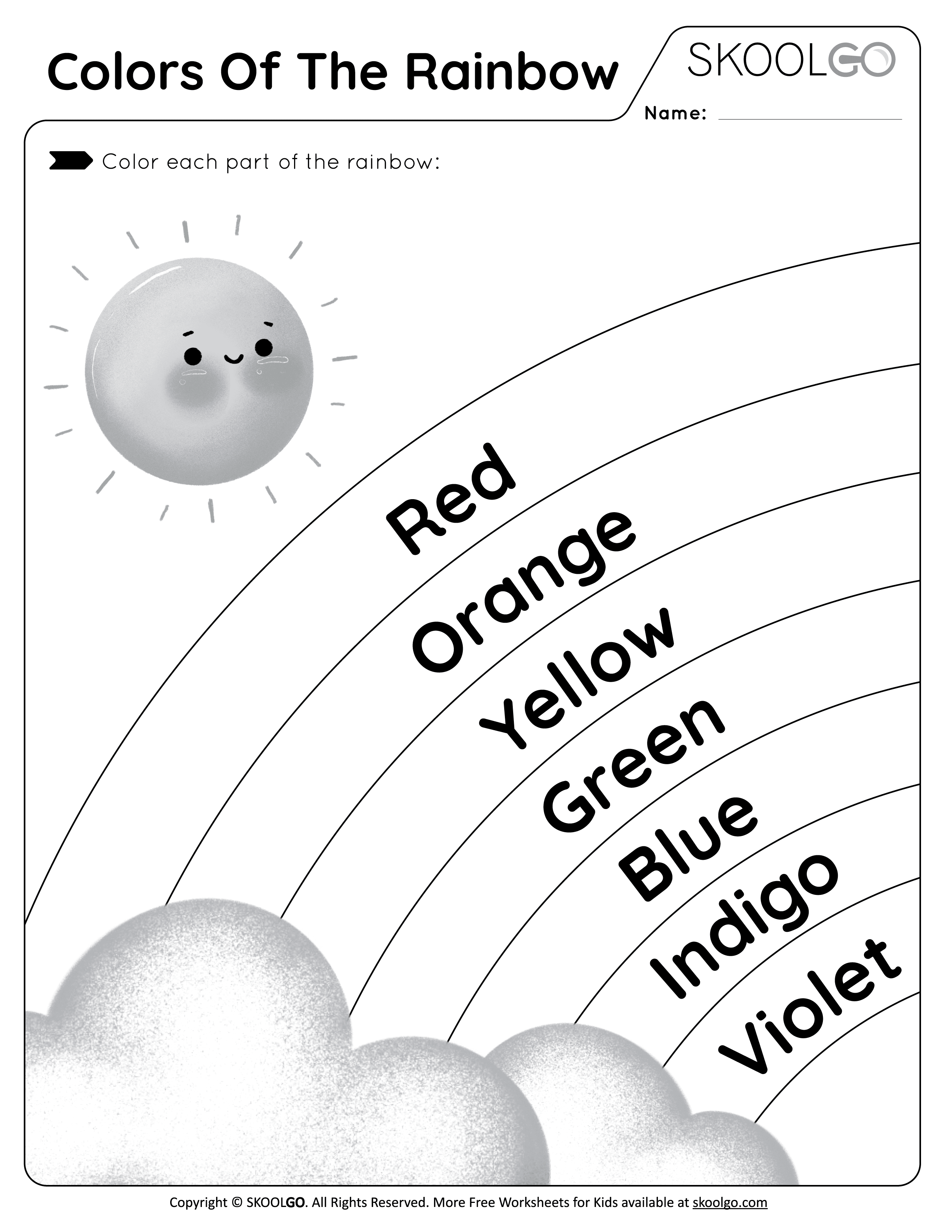
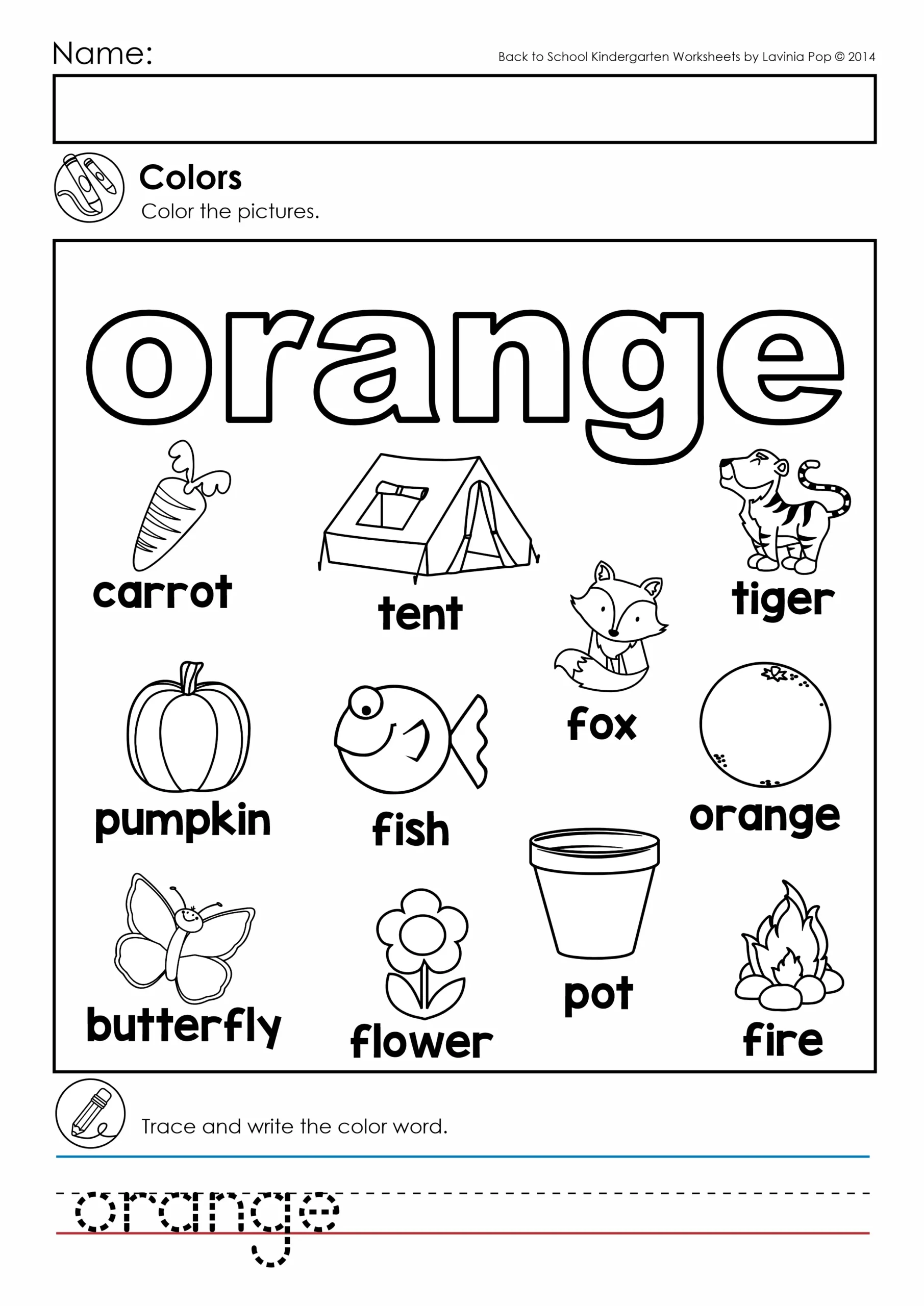
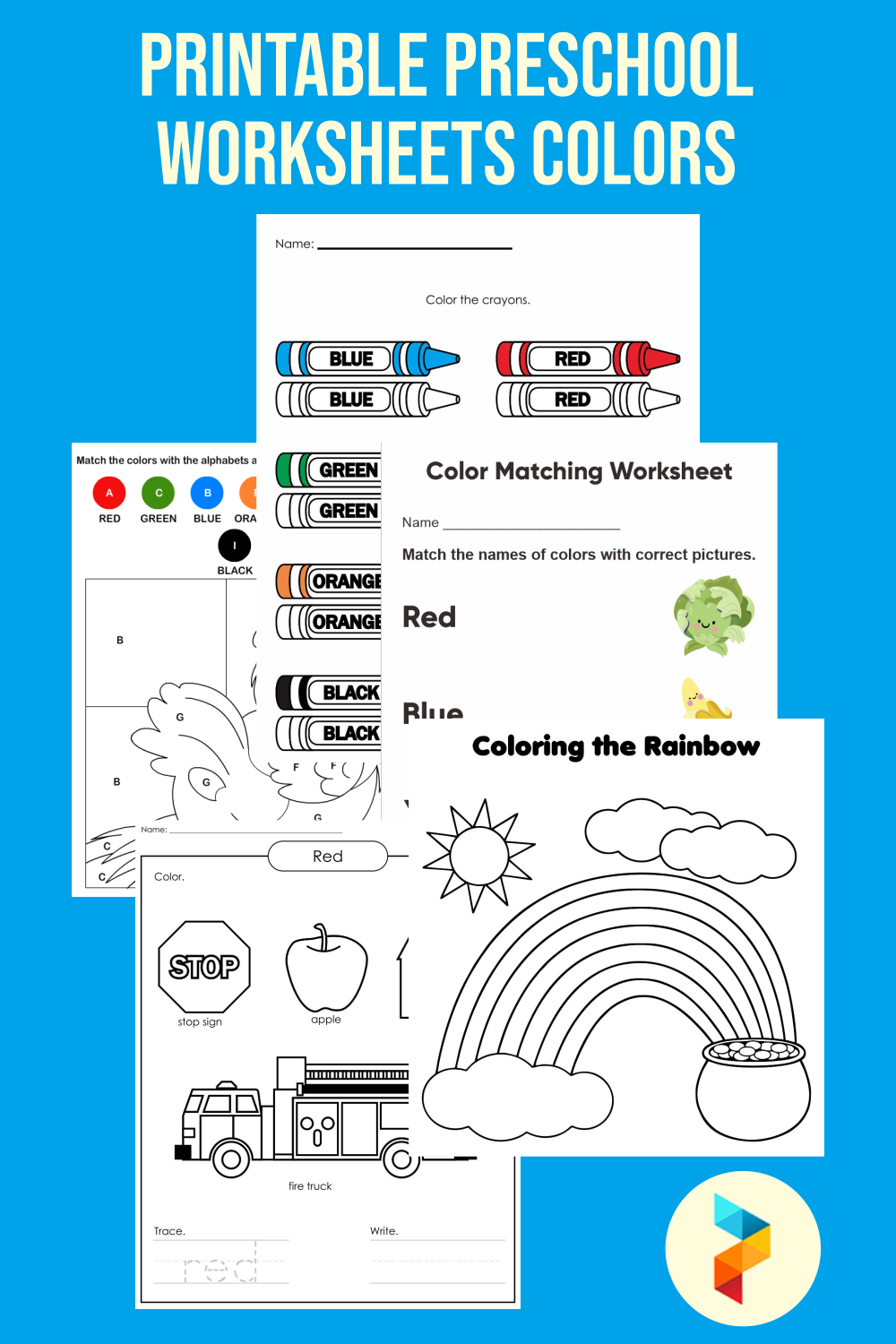
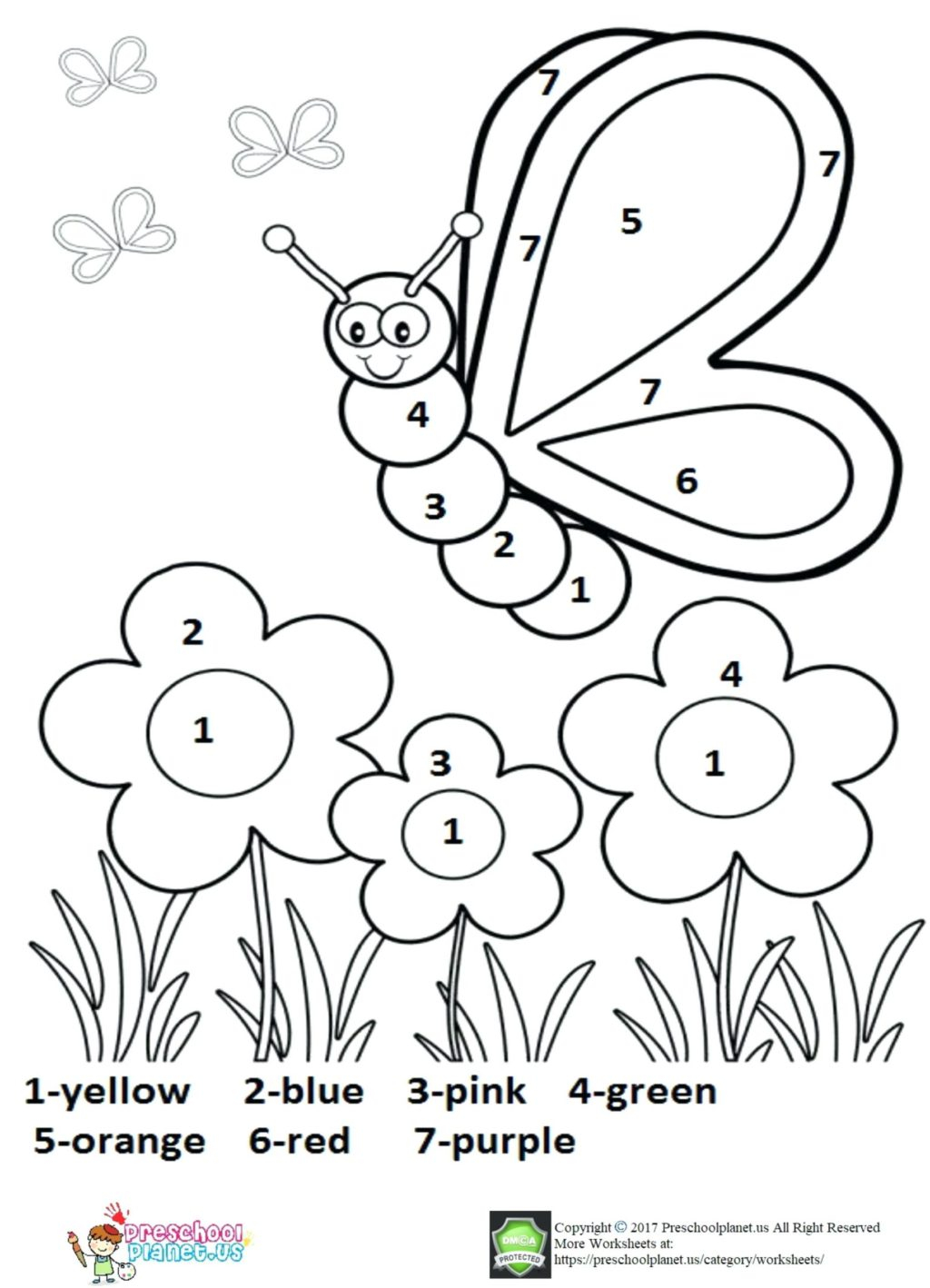
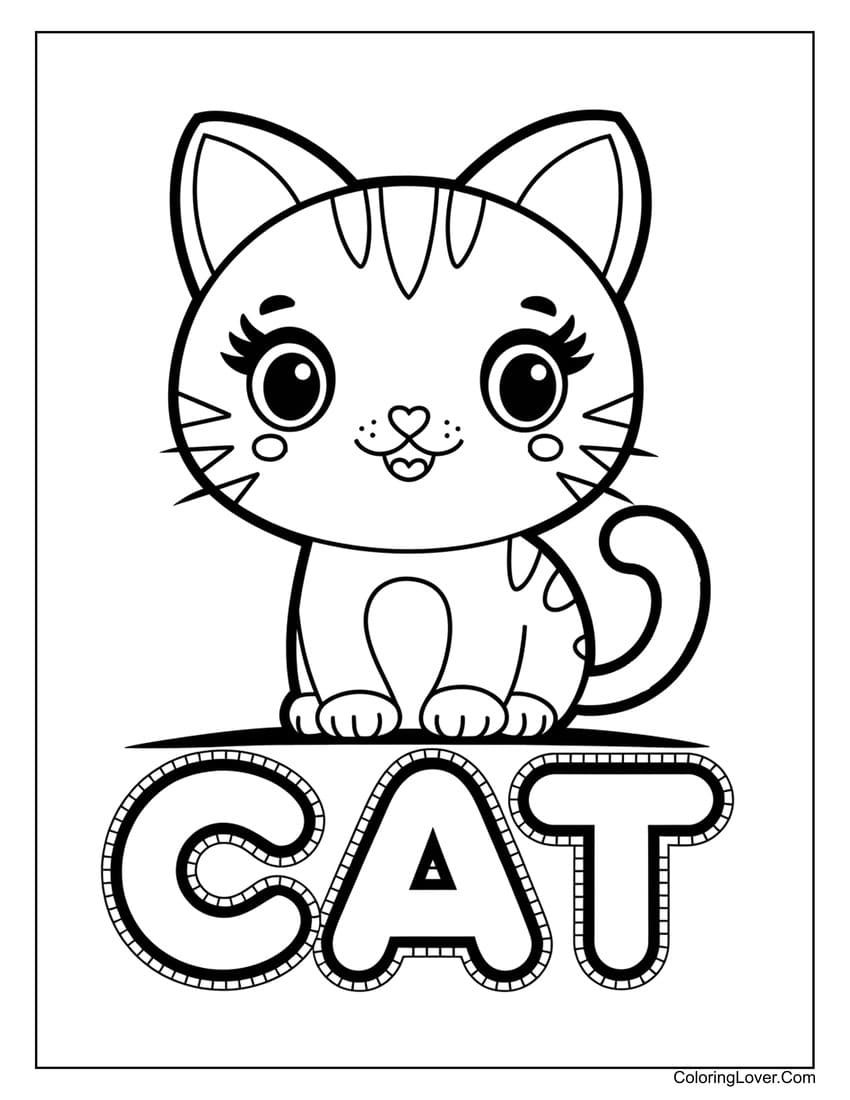
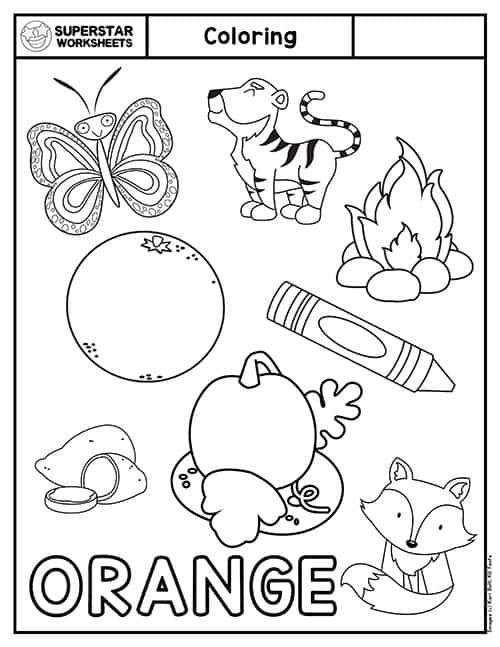
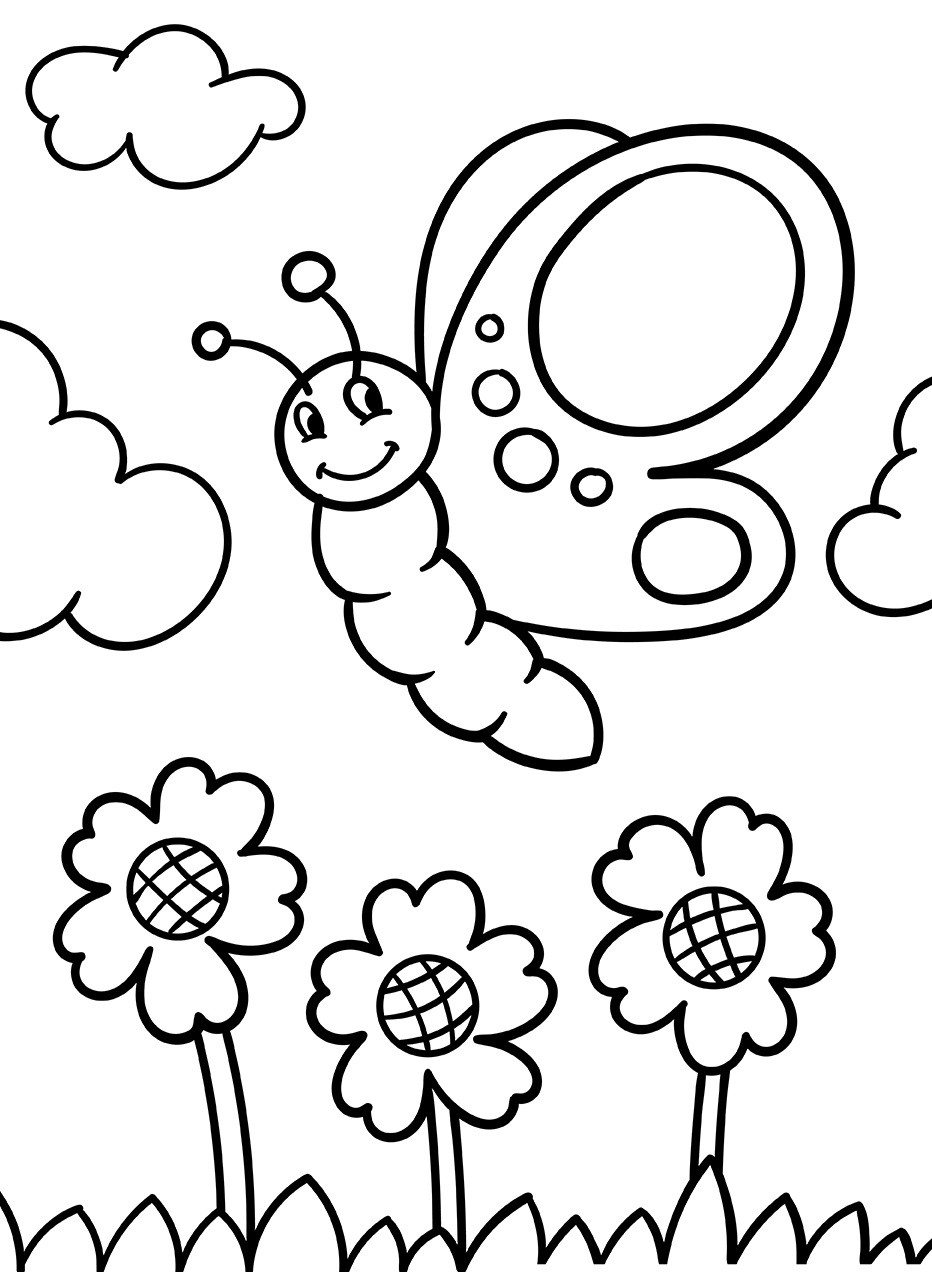
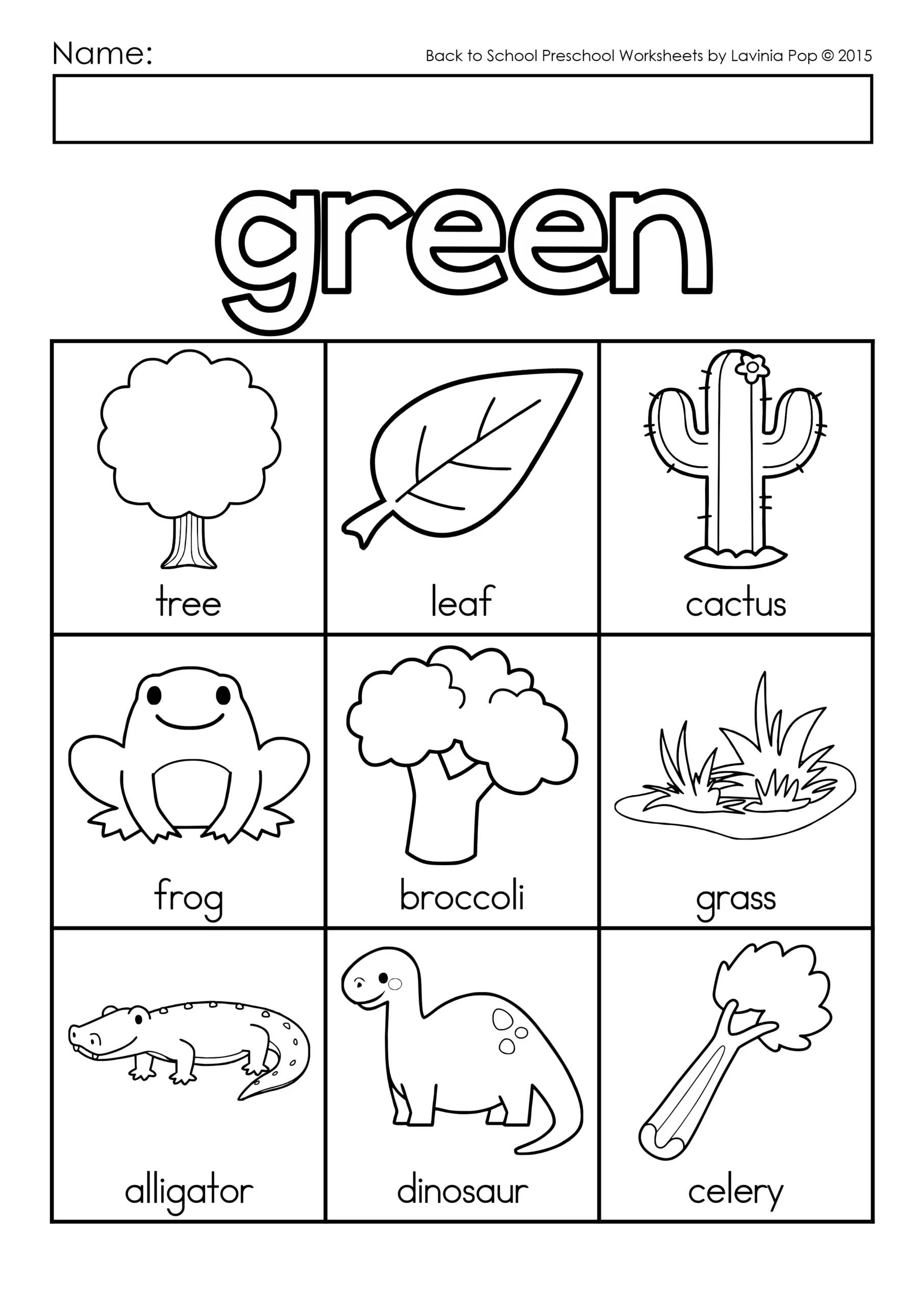
Preschool worksheets coloring combine creative artistic expression with foundational fine-motor skill acquisition necessary for early handwriting mechanics. According to the National Association for the Education of Young Children (NAEYC), purposeful manipulation of writing and coloring tools builds intrinsic hand strength and foundational bilateral coordination in early childhood development. Utilizing structured preschool worksheets bridges the gap between unstructured play and the rigorous muscle control required for precise character formation. Educators and parents frequently integrate these multi-sensory tools to transition young learners from gross arm movements to controlled finger and wrist articulation.
Handwriting Practice Snapshot:
- Core Focus: Preserving structural integrity of stroke sequences through guided coloring and boundary containment.
- Target Scope: Early childhood education settings, homeschooling environments, and occupational therapy clinics.
- Key Recommendation: Pair thick-line boundary illustrations with proper dynamic tripod grasp instruction before advancing to standard worksheets.
Core Principles and Detailed Overview
Targeted coloring tasks reinforce the exact directional strokes, spatial boundaries, and visual-motor integration needed for legible letter and character writing. By requiring children to color within defined perimeters, these specialized materials teach precise stop-and-start control that directly translates to standard tracing worksheets. Fine-motor control develops sequentially, starting with palmar grasps and progressing to the refined pincer grasp demanded by complex character-building exercises. Educators must ensure that coloring activities are not viewed merely as busywork, but rather as deliberate physical training that conditions the intrinsic muscles of the hand for sustained writing endurance.
Key Specifications and Breakdown
| Skill Level / Grade | Target Stroke / Mechanical Focus | Pedagogical / Coaching Cue |
|---|---|---|
| Early Preschool (Age 3) | Gross radial cross-hatching and vertical containment | “Fill the entire shape without crossing the heavy black border.” |
| Mid Preschool (Age 4) | Concentric circling and controlled directional shading | “Move the crayon in smooth, continuous loops from left to right.” |
| Transition to Kindergarten (Age 5) | Precision edge control and diagonal pressure modulation | “Keep the tip inside the lines while adjusting wrist pressure.” |
Early fine-motor manipulation of coloring tools directly predicts subsequent orthographic fluency and character formation speed — American Occupational Therapy Association (AOTA)
Step-by-Step Practical Application and Guidelines
Implementing structured visual activities requires careful adherence to ergonomic seating, proper tool selection, and progressive difficulty scaling. Begin practice sessions by evaluating the child’s grip, ensuring fingers rest approximately one inch from the tip of a short, thick crayon or colored pencil. Select thematic coloring worksheets that feature large, uncluttered shapes before introducing intricate geometric borders. Guide learners to color using consistent top-to-bottom and left-to-right patterns, subtly ingraining the directional muscle memory that will later govern advanced letter writing worksheets and customized name practice worksheets.
Common Challenges and How to Avoid Them
Hand fatigue, improper grip regression, and boundary frustration frequently hinder progress during early motor skill development. When a child exerts excessive downward force or abandons an efficient grasp, physical tension builds rapidly, necessitating frequent rest intervals and shorter practice durations. Instructors must avoid punishing stray marks outside boundary lines; instead, frame boundary containment as a fun spatial game that rewards steady wrist movement rather than flawless initial perfection.
💬 Frequently Asked Questions
Explore More Free Handwriting and Character Worksheets
Access a comprehensive collection of developmental resources, fine-motor tools, and structured writing templates designed for early childhood success at CharacterWritingWorksheets.com. Integrating expertly designed printables ensures every learner builds the confidence, muscle memory, and mechanical precision needed for lifelong literacy.
Printable Coloring Page Previews