Introduction
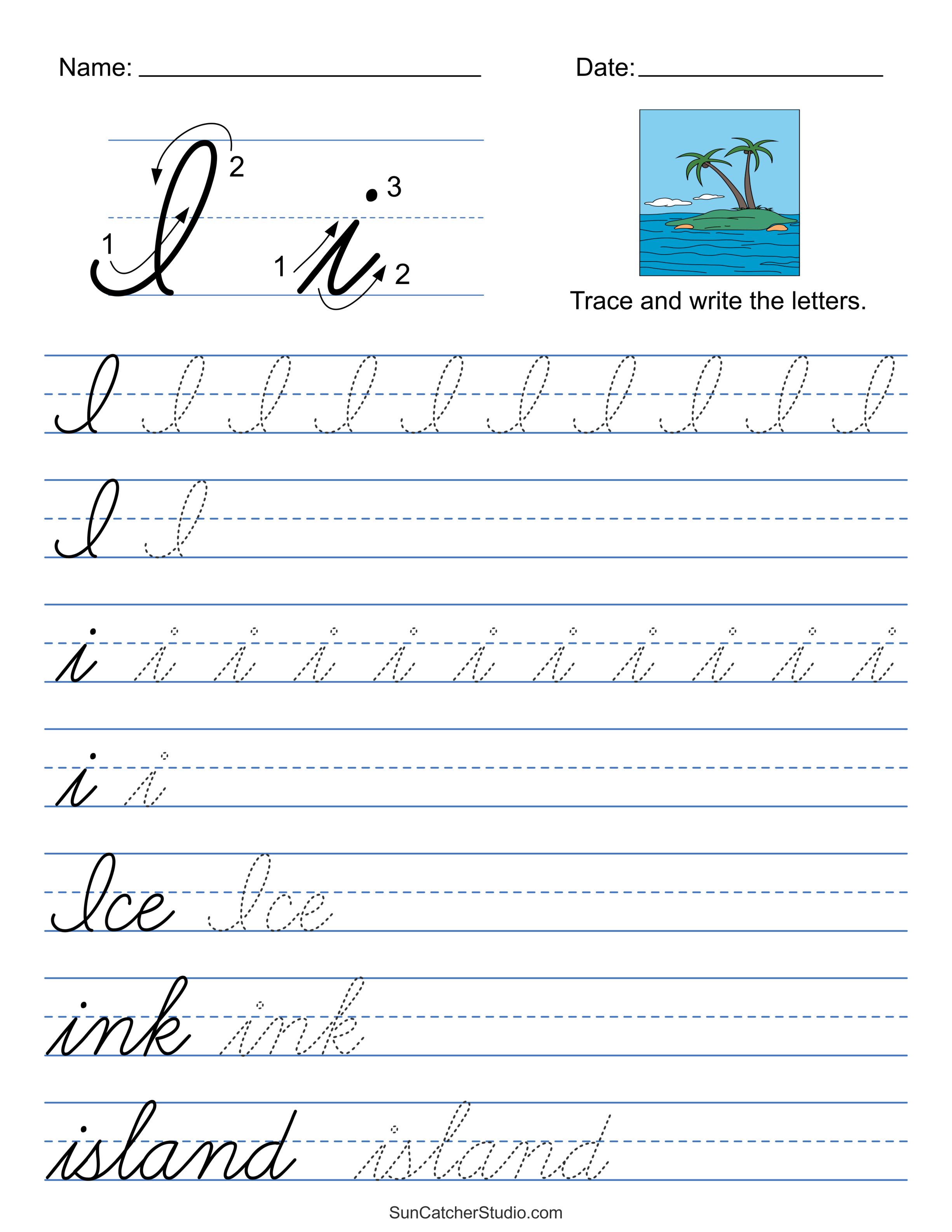
Transitioning young learners from block print to fluid connected writing often feels like scaling a vertical cliff. Children clutch their pencils with white knuckles, fighting against the natural curves required for graceful script. The free printable worksheet “ivy cursive” transforms this frustrating struggle into an engaging exercise in continuous motion and rhythmic penmanship. Adults frequently notice how early writing tools either hinder or help a child’s natural arc of development. Watching a five-year-old attempt loop-and-slant letters reveals immediate physical barriers, such as excessive finger pressure or awkward wrist positioning. Providing targeted practice pages bridges the gap between basic stroke control and fluent literacy. Exploring broader collections of Letter Writing Worksheets offers continuous skill scaffolding for growing hands.
💡 Educational Key Takeaways:
- Core Skill: Structured Ivy Cursive focused on developing pencil grip, stroke control, and early literacy/math confidence.
- Target Scope: Suited for homeschoolers, preschool, kindergarten, and elementary learners.
- Best Recommendation: Practice 10–15 minutes daily with ergonomic writing tools to reinforce muscle memory without hand fatigue.
What This Worksheet Covers
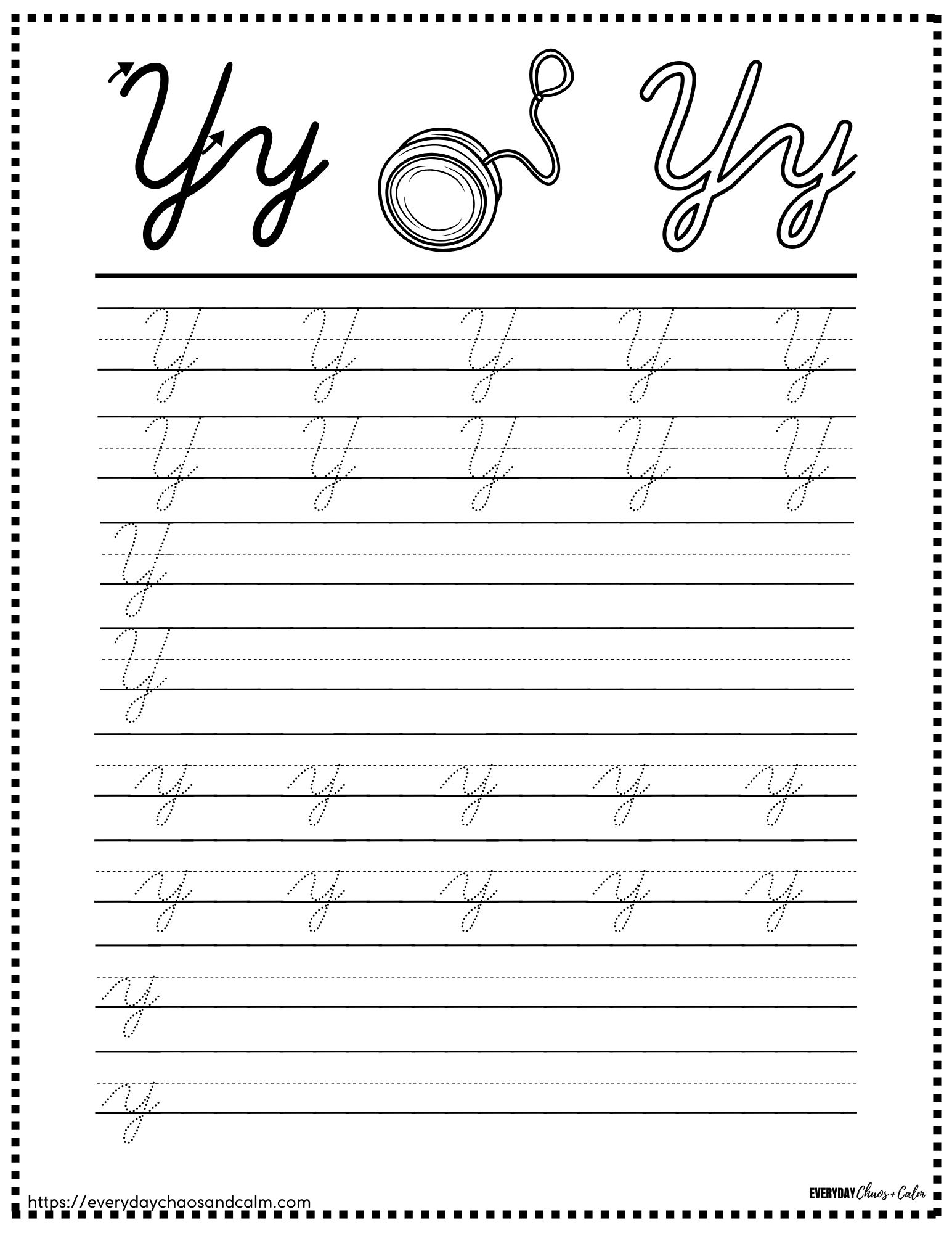
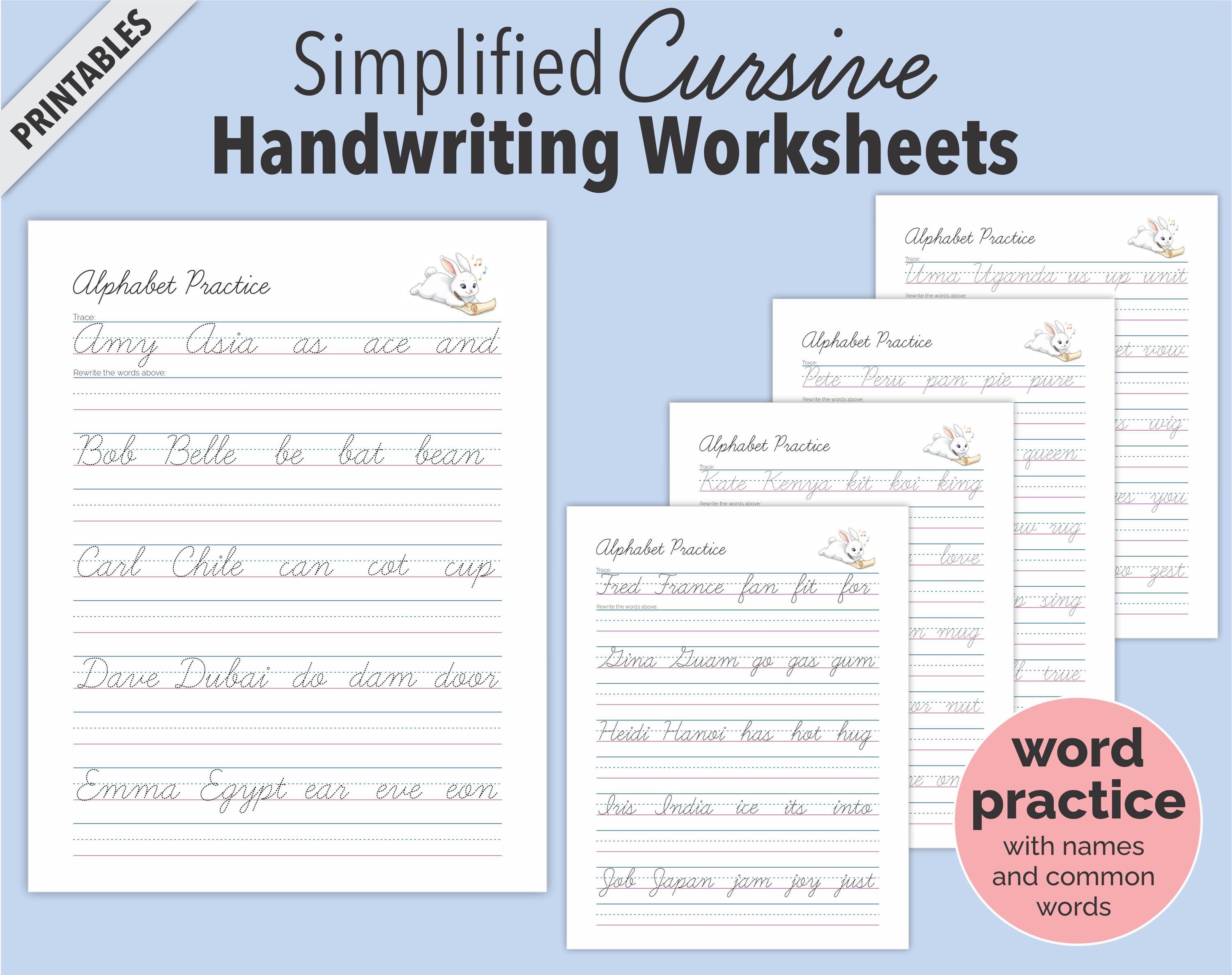
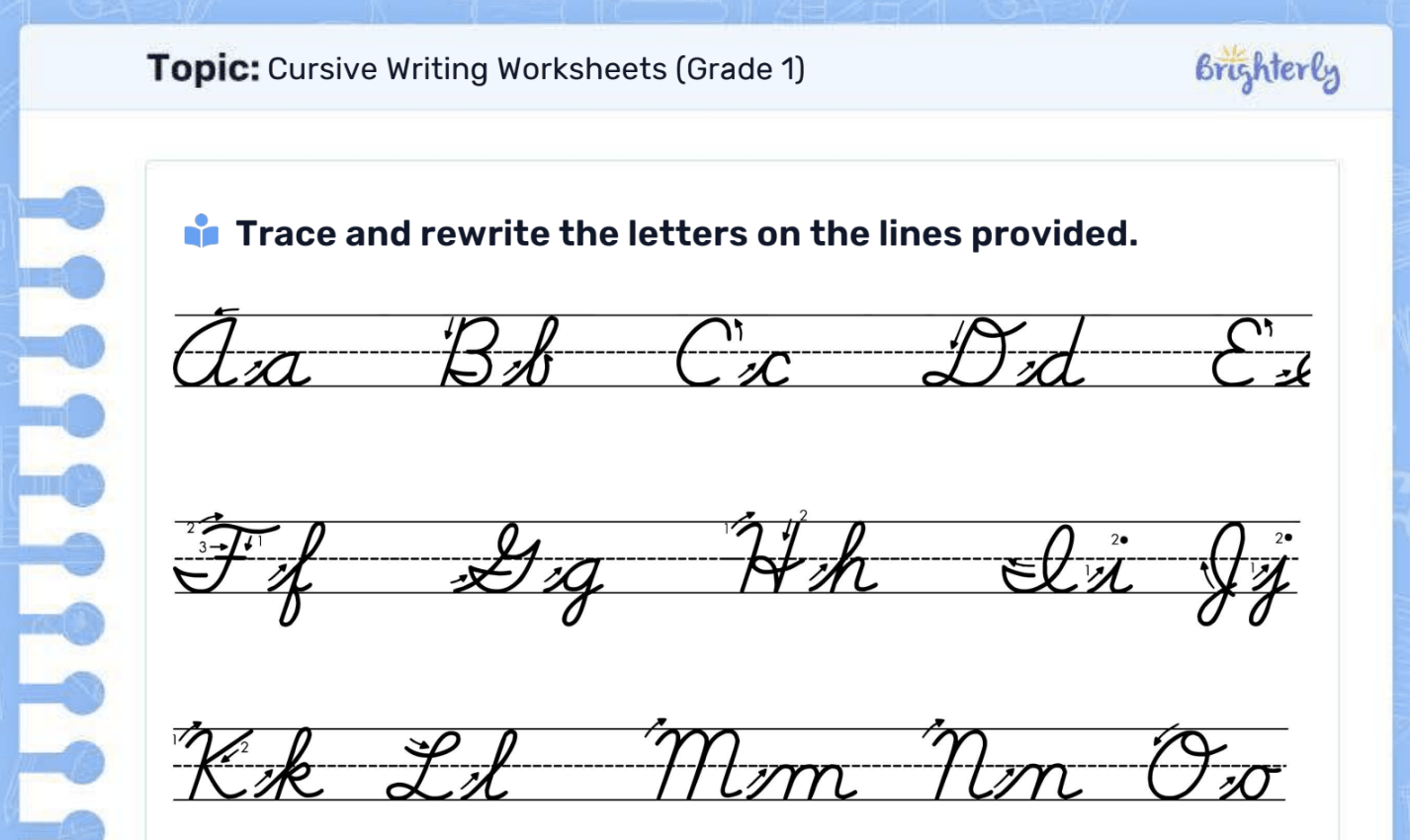
Mastering connected script demands precise letter formation, consistent slant, and mindful stroke order. The ivy cursive layout focuses heavily on fluid entry and exit strokes, which anchor each letter to the baseline. Children learn how individual characters flow organically into the next without lifting the writing implement. Hand fatigue often sets in when learners press too hard, making tactile awareness of pressure just as important as visual accuracy. Educators routinely observe that young writers rush through connections, resulting in illegible smudges rather than crisp loops. Targeted tracing and independent replication elements systematically train the neural pathways responsible for manual dexterity. For foundational preparation, pairing these exercises with Tracing Worksheets strengthens early pencil control.
Key Learning Outcomes
Consistent interaction with these targeted templates yields measurable improvements in fine motor endurance and spatial awareness. According to the American Occupational Therapy Association, engaging in purposeful manual writing tasks directly supports the refinement of intrinsic hand muscles necessary for sustained academic participation. Children develop an intuitive sense of spacing between words, avoiding the common pitfall of compressed, unreadable letter clusters. Furthermore, practicing continuous lines enhances bilateral coordination, requiring one hand to stabilize the paper while the dominant hand executes controlled cursive arcs. Confidence naturally builds as erratic scribbles evolve into uniform, legible letter forms that meet primary educational benchmarks. When expanding a child’s daily practice routine, utilizing diverse Worksheets ensures well-rounded motor skill acquisition.
How to Use This Worksheet
Setting the stage for successful handwriting requires attention to physical posture and ergonomic seating arrangements. Feet must rest flat on the floor, and the non-dominant hand should anchor the paper at a comfortable slant. It sounds simple, and that’s the point: physical stability directly dictates pencil precision. Adults should guide the learner through the initial model rows, demonstrating how the pencil glides smoothly across the page without stopping abruptly. Children benefit from tracing the greyed-out templates first before attempting freehand replication on the blank guidelines. Here’s what makes this worksheet different: it emphasizes the rhythm of the stroke rather than mere visual perfection.
Practical Tips for Parents and Teachers
Short, frequent sessions yield far better retention than long, exhausting drill blocks lasting thirty minutes. Ten minutes of focused daily cursive practice prevents hand cramping and keeps enthusiasm high. Writing instruments matter immensely, so replacing standard adult pens with short, triangular pencils encourages a functional tripod grasp naturally. Allowing learners to trace the letters with their index fingers before picking up a pencil activates tactile memory channels. Positive verbal reinforcement should highlight fluid movement rather than obsessing over a single imperfect loop.
Age-Appropriate Recommendations
Introducing connected script aligns best with the later stages of primary education, typically beginning around second grade once manuscript printing is secure. According to the National Association for the Education of Young Children, developmentally appropriate practice dictates that fine motor demands must match the physiological maturation of the child’s hand joints. Pushing cursive onto preschoolers causes undue frustration because their hand arches are not yet fully formed. Educators utilizing the Handwriting Without Tears framework find that introducing cursive alongside late-stage printing helps reinforce directional habits. Children at this developmental stage thrive when instruction is paced deliberately and anchored in playful, low-pressure application.
Purposeful fine motor tasks directly support the refinement of intrinsic hand muscles necessary for academic participation — American Occupational Therapy Association
Frequently Asked Questions
Navigating early handwriting instruction often brings up practical questions regarding printing access, skill timing, and developmental milestones. The answers below address the most common inquiries from educators and caregivers.
Systematic letter formation practice significantly decreases visual-motor fatigue in early elementary students — National Center for Learning Disabilities
Explore More Free Printable Worksheets
Expanding a child’s educational toolkit requires access to diverse resources that target every facet of early literacy and motor development. Integrating varied practice materials prevents burnout and keeps the learning environment fresh and exciting. Caregivers looking to build foundational pre-writing strength will find exceptional value in specialized Preschool Worksheets. Additionally, fostering personal identity alongside early literacy yields wonderful engagement through dedicated Name Practice Worksheets.
Developmental Milestone & Activity Table
| Development Stage | Recommended Daily Duration | Primary Learning Objective |
|---|---|---|
| Preschool & Pre-K | 10 – 15 Minutes | Pencil grip development & basic pre-stroke lines |
| Kindergarten | 15 – 20 Minutes | Letter/number formation & spatial line awareness |
| Early Elementary (Grade 1–2) | 20 – 30 Minutes | Fluency, sentence construction & neatness |
Images References