Introduction
Mastering cursive writing remains a cornerstone of fine motor skill acquisition and cognitive integration for young learners. The free printable worksheet “cursive zach rwigen” offers a targeted approach to fluid letter formation, connecting individual loops and slants into cohesive words. Practitioners often notice children gripping pencils with white knuckles when first attempting cursive, struggling to balance hand pressure with fluid motion. Integrating specialized Letter Writing Worksheets transforms this initial frustration into purposeful practice by breaking down complex connections into manageable strokes. According to the American Occupational Therapy Association, foundational fine motor tasks build the intrinsic hand strength necessary for academic endurance throughout elementary school and beyond.
💡 Educational Key Takeaways:
- Core Skill: Structured Cursive Zach Rwigen focused on developing pencil grip, stroke control, and early literacy/math confidence.
- Target Scope: Suited for homeschoolers, preschool, kindergarten, and elementary learners.
- Best Recommendation: Practice 10–15 minutes daily with ergonomic writing tools to reinforce muscle memory without hand fatigue.
What This Worksheet Covers
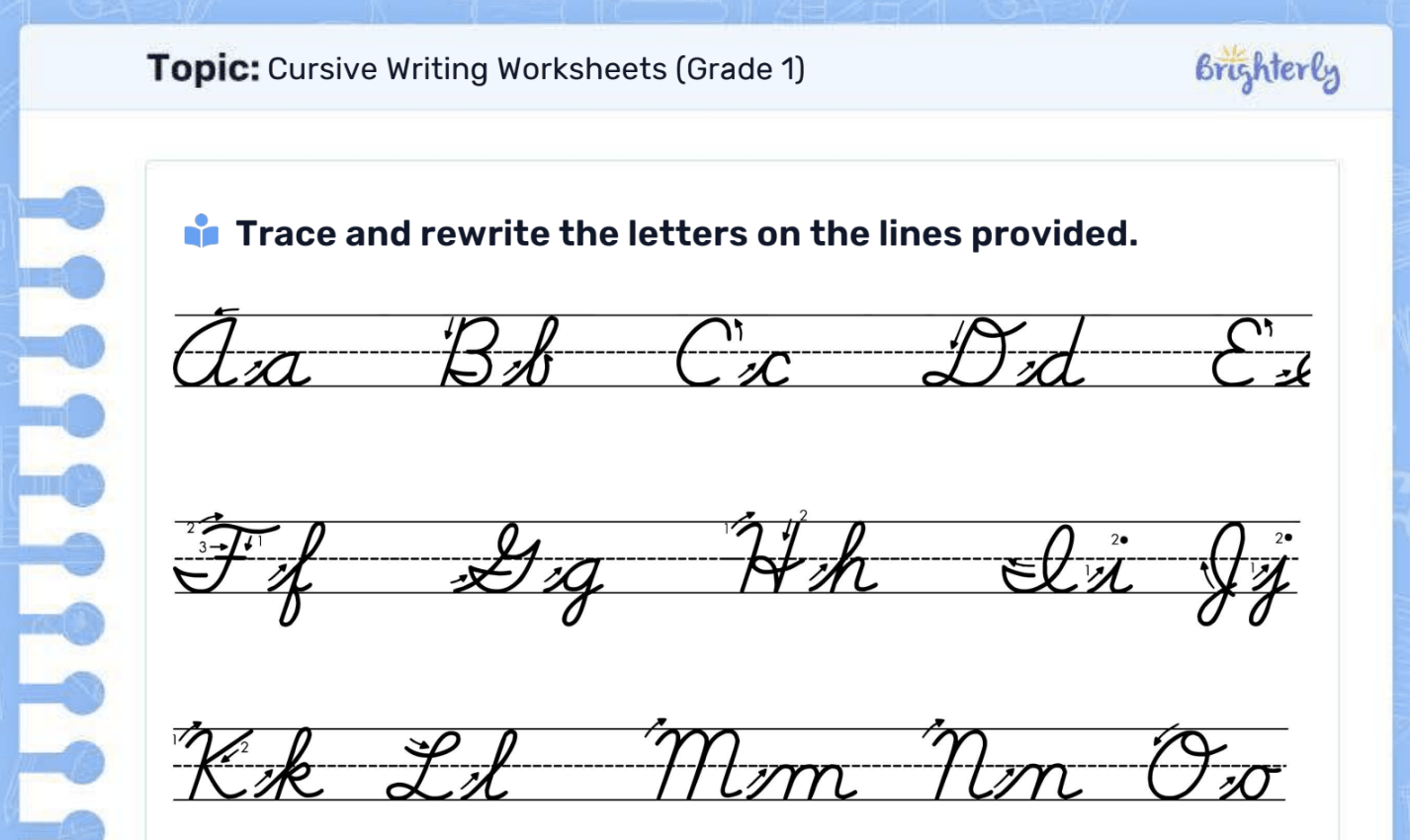
Targeted cursive practice requires more than random looping exercises; it demands systematic exposure to specific letter combinations and spacing rules. This resource focuses heavily on stroke order, baseline adherence, and consistent slant angles. Children frequently rush through connecting strokes, causing letters to float above the line or crowd together illegibly. Using comprehensive Tracing Worksheets alongside this printable helps stabilize visual-motor coordination, ensuring that young writers develop the muscle memory required for legible, automatic handwriting. It sounds simple, and that’s the point. Repetitive, low-stress tracing lays the neurological groundwork for effortless written expression later on.
Key Learning Outcomes
Learners engaging with this material rapidly improve their pencil control, spatial awareness, and letter sequencing. Educators frequently observe students hesitating at the transition between ascending and descending cursive strokes, often lifting the writing utensil entirely out of habit. Purposeful layout design addresses this hurdle by providing clear directional arrows and starting dots. Furthermore, mastering these connected letter forms boosts overall writing confidence, allowing children to focus on content rather than mechanics. Exploring broader collections of Worksheets ensures that children receive a well-rounded skill set bridging early literacy and advanced motor control.
How to Use This Worksheet
Implementation succeeds best when adults introduce the material in short, relaxed sessions rather than long, fatiguing blocks. Setting up a stable workspace with proper chair height and angled writing surfaces drastically improves postural stability and hand function. Here’s what makes this worksheet different: it emphasizes fluid movement over rigid perfection, encouraging children to maintain a continuous flow across the page. Pairing this activity with related Name Practice Worksheets keeps engagement high by incorporating personal identity into daily handwriting routines. Adults should monitor grip fatigue closely, pausing the exercise the moment a child’s hand begins to cramp or slump.
Practical Tips for Parents and Teachers
Guiding young hands through cursive connections requires patience and tactical sensory engagement before picking up a pencil. Tracing the dotted lines with a finger in the air or over textured sandpaper letters primes the neurological pathways for accurate paper-based execution. Lighting and contrast matter immensely, so printing copies on matte, glare-free paper reduces visual strain during extended writing sessions. Offering broken crayons or short stubby pencils naturally encourages a mature tripod grasp by restricting the fingers from wrapping entirely around the shaft. Celebrating incremental progress—such as a particularly smooth loop or consistent slant—reinforces positive associations with written communication.
Age-Appropriate Recommendations
Introducing cursive instruction typically aligns with the standards outlined in the Common Core ELA framework, specifically supporting foundational writing standards for second grade where fluid cursive or manuscript transitions are encouraged. Children aged seven to eight possess the requisite bilateral coordination and visual-spatial maturity to manage connected script without excessive joint strain. According to Reading Rockets, explicit handwriting instruction directly reinforces reading fluency and spelling by anchoring letter-sound relationships through kinesthetic memory. For younger children not yet ready for cursive loops, introducing introductory Preschool Worksheets builds the baseline pre-writing strokes needed for future success.
Explicit handwriting instruction directly reinforces reading fluency and spelling by anchoring letter-sound relationships through kinesthetic memory. — Reading Rockets
Frequently Asked Questions
How do adults download and print this resource? Accessing the file requires clicking the download link on the hosting page, saving the PDF to a local device, and printing at standard scale. Does this worksheet support fine motor development? Yes, tracing and executing cursive strokes builds intrinsic hand muscles and improves bilateral hand-eye coordination for early writers. What organization highlights the importance of foundational handwriting? According to the American Occupational Therapy Association, foundational fine motor tasks build the intrinsic hand strength necessary for academic endurance.
Explore More Free Printable Worksheets
Expanding a child’s learning repertoire beyond a single exercise ensures balanced development across multiple cognitive and physical domains. Caregivers can easily locate supplemental resources by browsing thematic categories designed for diverse developmental stages. Integrating creative options like Coloring Worksheets into the daily schedule provides an engaging way to build hand strength and visual focus without feeling like traditional schoolwork. Providing varied, accessible practice materials fosters lifelong learning enthusiasm and steady skill acquisition.
Developmental Milestone & Activity Table
| Development Stage | Recommended Daily Duration | Primary Learning Objective |
|---|---|---|
| Preschool & Pre-K | 10 – 15 Minutes | Pencil grip development & basic pre-stroke lines |
| Kindergarten | 15 – 20 Minutes | Letter/number formation & spatial line awareness |
| Early Elementary (Grade 1–2) | 20 – 30 Minutes | Fluency, sentence construction & neatness |
Images References