Introduction
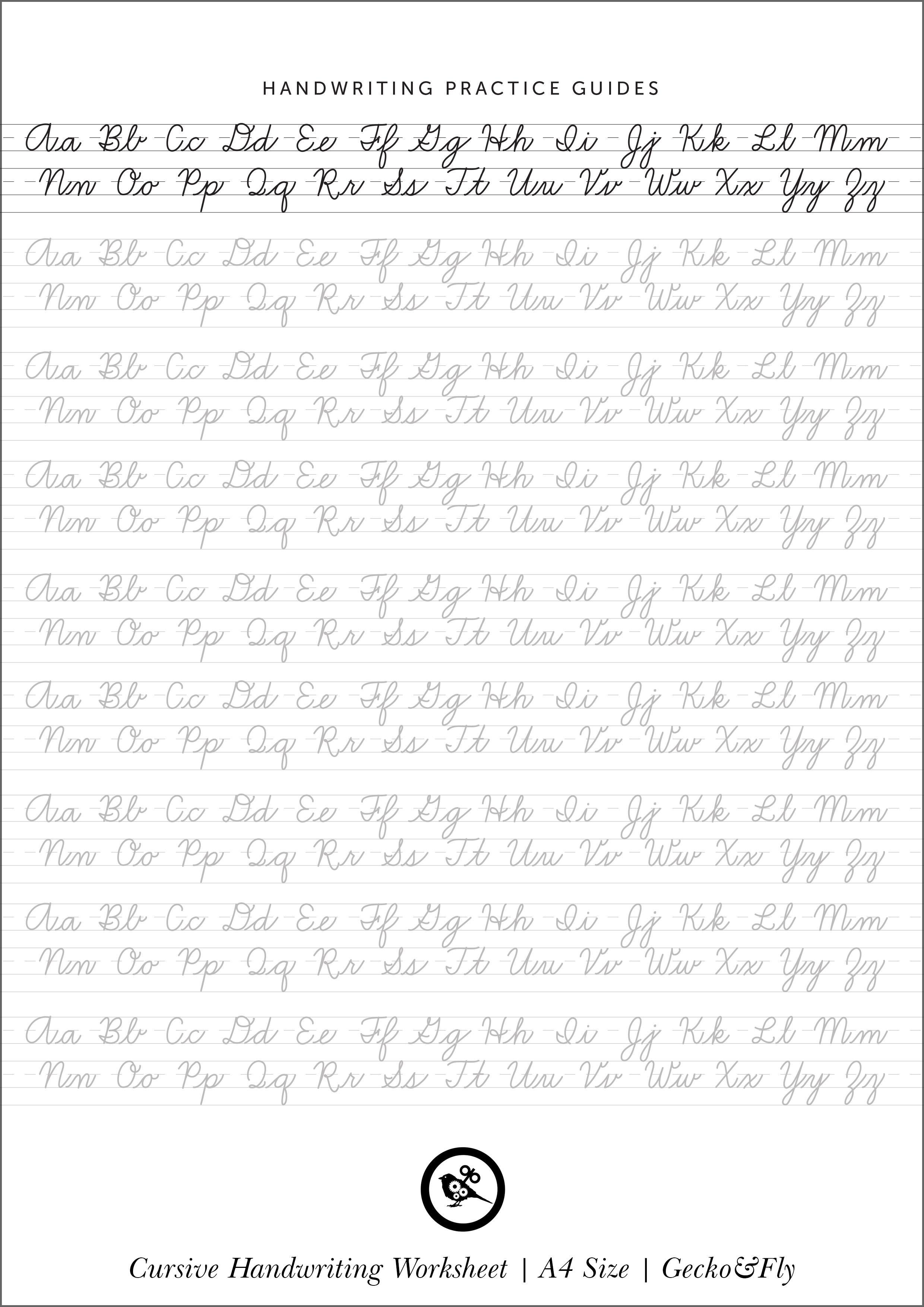
Learning to write a personal name in connected script marks an important developmental milestone in early childhood education. The free printable worksheet “christopher – cursive writing sheet” provides targeted practice for young learners mastering letter sequencing, fine motor control, and fluid hand movements. Observing a child transition from disjointed print to flowing cursive reveals a fascinating leap in neurological and muscular coordination. According to the American Occupational Therapy Association, handwriting requires the seamless integration of visual-perceptual skills, fine motor control, and motor planning. Educational materials that focus specifically on a child’s own name offer high personal relevance, driving intrinsic motivation during practice sessions.
💡 Educational Key Takeaways:
- Core Skill: Structured Christopher – Cursive Writing Sheet focused on developing pencil grip, stroke control, and early literacy/math confidence.
- Target Scope: Suited for homeschoolers, preschool, kindergarten, and elementary learners.
- Best Recommendation: Practice 10–15 minutes daily with ergonomic writing tools to reinforce muscle memory without hand fatigue.
What This Worksheet Covers
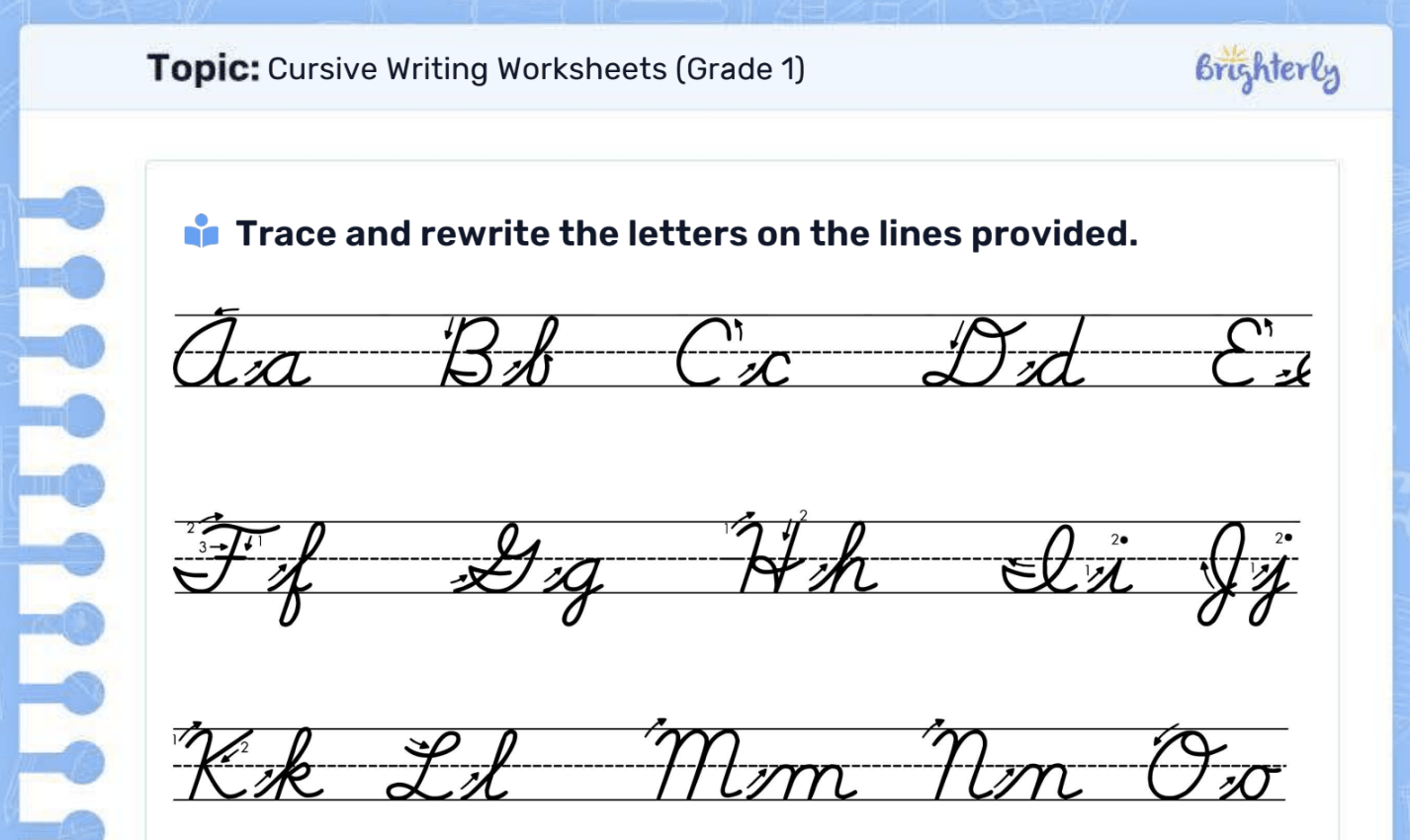
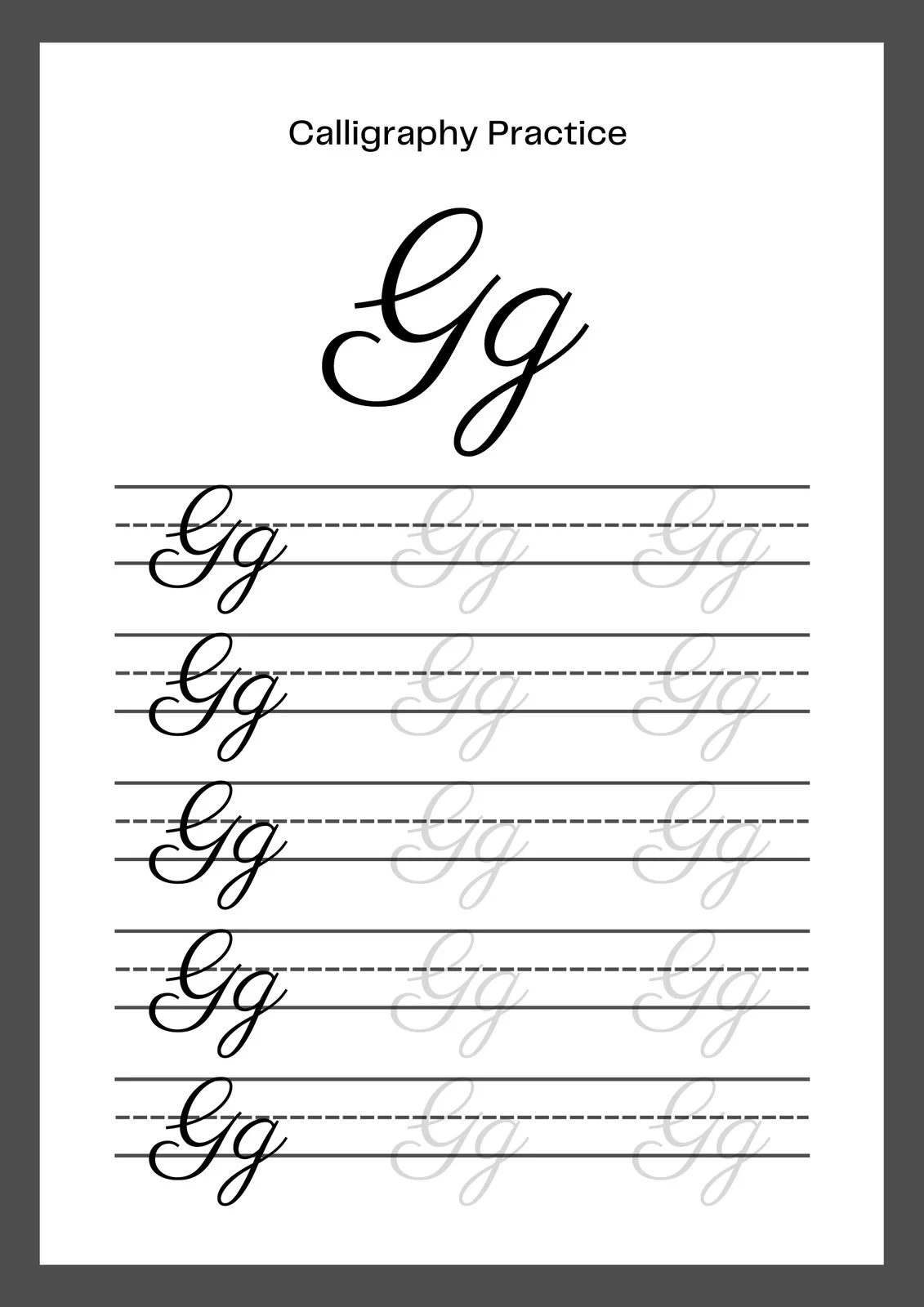
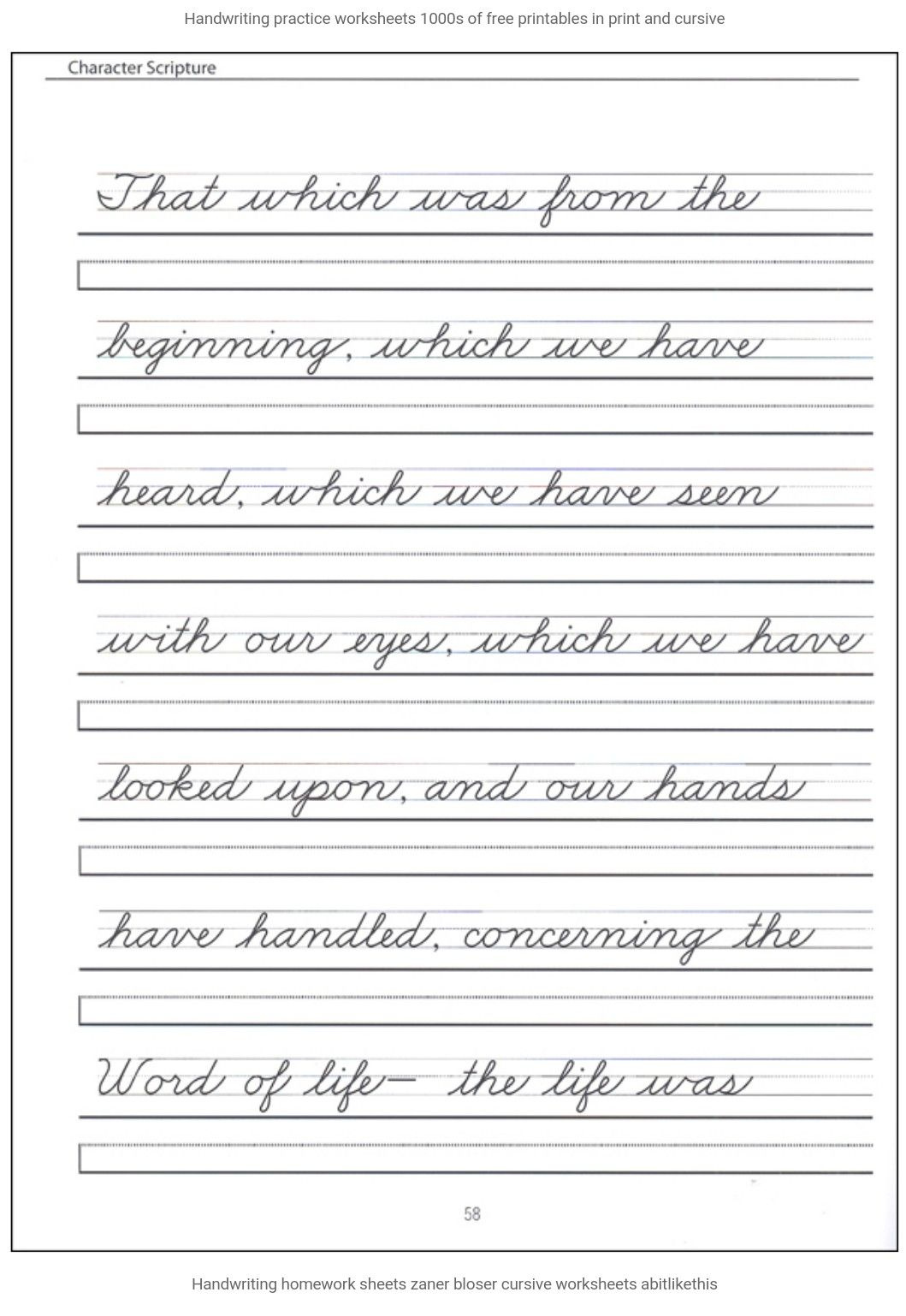
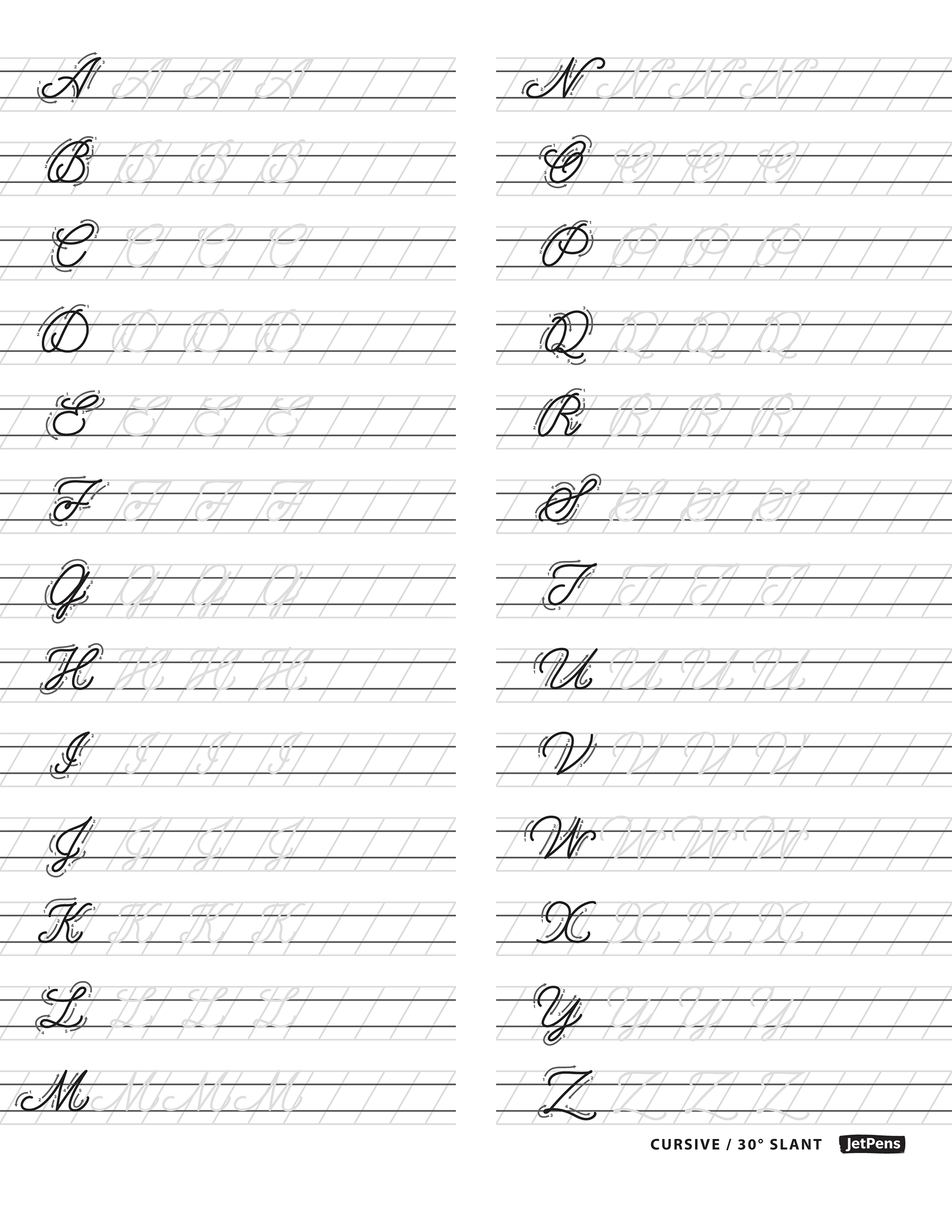
This specific printable targets the mechanics of connected letter formation, starting with foundational slant and rhythmic stroke patterns. Young writers often struggle with the continuous flow required in cursive, frequently lifting the writing tool too early or applying inconsistent pressure. Structured guidance helps bridge the gap between basic Tracing Worksheets and independent composition. Each line builds muscle memory for diagonal connectors, loops, and tails unique to the targeted name. Mastering these strokes supports broader literacy goals found within Letter Writing Worksheets, reinforcing how individual graphemes blend together into recognizable words.
Key Learning Outcomes
Children engaging with this exercise refine their pencil grasp, bilateral hand coordination, and spatial awareness across the page. Consistent repetition trains the hand muscles to execute fluid transitions without fatiguing quickly. Name recognition naturally deepens as the child repeatedly traces and copies the letters composing their identity. Educators often notice that practicing a familiar proper noun reduces cognitive load, allowing the child to focus entirely on pressure regulation and line accuracy rather than spelling or letter retrieval.
How to Use This Worksheet
Adults should introduce the page during a quiet, focused time of day when the child’s hands are warm and alert. Begin by demonstrating the correct stroke order in the air or on a larger surface before touching the paper. It sounds simple, and that’s the point: foundational habits form best through intentional, slow repetitions rather than rushed completion. Encourage the writer to trace the faded models first, paying close attention to where each connector begins and ends. Transitioning to independent copying on the blank lines should happen gradually as confidence grows.
Practical Tips for Parents and Teachers
Environmental setup plays a massive role in successful handwriting sessions. Ensure the chair and table allow the child’s feet to rest flat on the floor with hips and knees at ninety-degree angles. Slanting the paper slightly to match the natural angle of the writing hand prevents awkward wrist bending. When exploring broader resources such as Name Practice Worksheets or foundational Preschool Worksheets, keep sessions short—around ten to fifteen minutes maximum. Positive reinforcement focused on effort rather than perfection keeps frustration low and enthusiasm high.
Age-Appropriate Recommendations
Introducing cursive typically aligns with second or third grade, corresponding with the Handwriting Without Tears developmental progression where children possess the refined distal finger control required for complex loops and slants. According to the National Association for the Education of Young Children guidelines on developmentally appropriate practice, tasks must match the current physical and cognitive capacities of the child. Pushing cursive too early can cause unnecessary hand cramping and discouragement, whereas introducing it when the child demonstrates solid print fluency yields much stronger, more confident results.
Handwriting instruction enhances reading fluency, spelling, and compositional composition by activating specialized neural circuits in the brain associated with visual-motor integration. — American Occupational Therapy Association
Frequently Asked Questions
How can this printable be downloaded and printed for classroom or home use? Access the digital file directly from the browser, save it to a device, and print it using standard letter-sized paper at a one-to-one scale. Why is cursive handwriting practice beneficial for young learners? According to the National Center for Learning Disabilities, cursive writing engages critical brain regions, supports working memory, and assists children with dyslexia by minimizing letter reversals. At what age should children begin practicing connected script? Most children are developmentally ready to explore cursive around ages seven to eight, once print handwriting mechanics feel automatic and consistent.
Explore More Free Printable Worksheets
Expanding a child’s writing toolkit requires a diverse variety of practice materials that target different developmental stages. Exploring comprehensive collections of Worksheets ensures children continuously build strength, accuracy, and creative expression. Integrating fun artistic elements through Coloring Worksheets further develops hand muscle endurance and bilateral coordination, preparing young hands for the demands of advanced literacy and composition.
Developmental Milestone & Activity Table
| Development Stage | Recommended Daily Duration | Primary Learning Objective |
|---|---|---|
| Preschool & Pre-K | 10 – 15 Minutes | Pencil grip development & basic pre-stroke lines |
| Kindergarten | 15 – 20 Minutes | Letter/number formation & spatial line awareness |
| Early Elementary (Grade 1–2) | 20 – 30 Minutes | Fluency, sentence construction & neatness |
Images References