Introduction
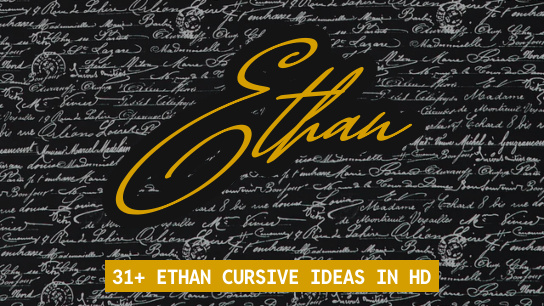
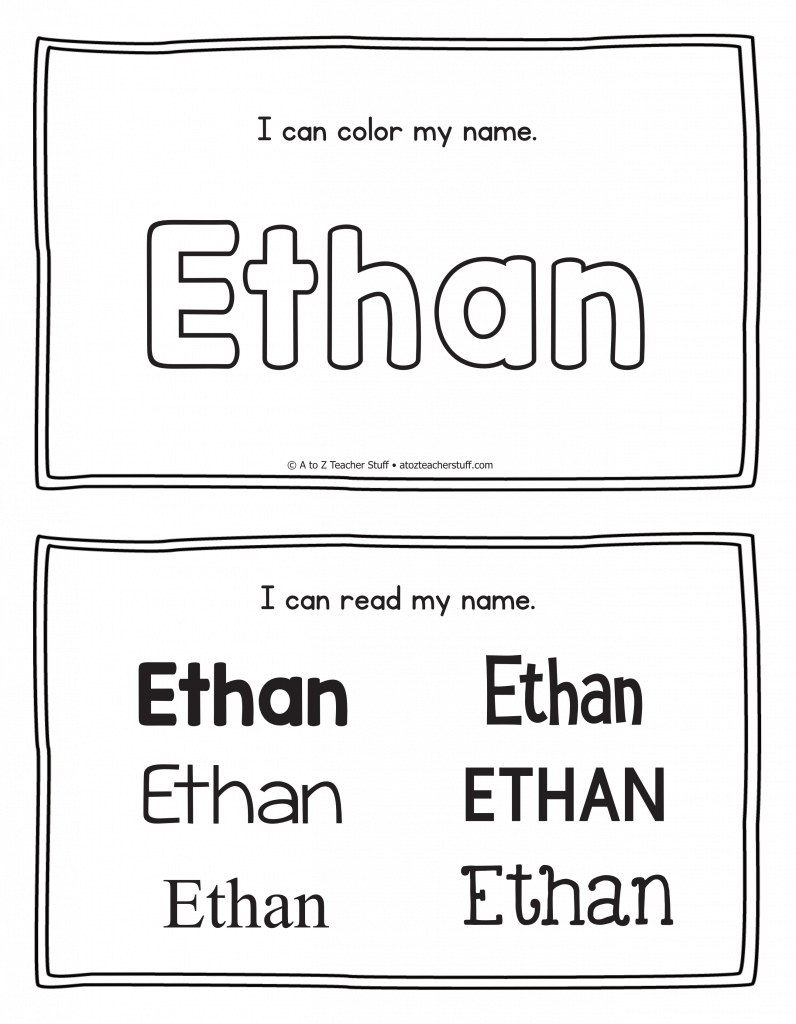
Mastering cursive script requires a delicate balance of fluid hand movements, consistent slant, and proper letter sequencing. When children begin exploring connected handwriting through personalized assets like the free printable worksheet “cursive ethan practice,” they bridge the gap between isolated manuscript letters and elegant flowing text. Working in clinic rooms and classrooms reveals a common hesitation when young learners first encounter cursive, often stemming from unfamiliar loops and connectors. Targeted practice transforms that initial intimidation into steady confidence by focusing specifically on a familiar and meaningful personal identifier. Exploring foundational Name Practice Worksheets creates immediate personal investment, which drastically improves attention span during fine motor skill exercises. Children naturally care more about mastering the letters that spell out their own identities compared to arbitrary vocabulary words.
💡 Educational Key Takeaways:
- Core Skill: Structured Cursive Ethan Practice focused on developing pencil grip, stroke control, and early literacy/math confidence.
- Target Scope: Suited for homeschoolers, preschool, kindergarten, and elementary learners.
- Best Recommendation: Practice 10–15 minutes daily with ergonomic writing tools to reinforce muscle memory without hand fatigue.
What This Worksheet Covers
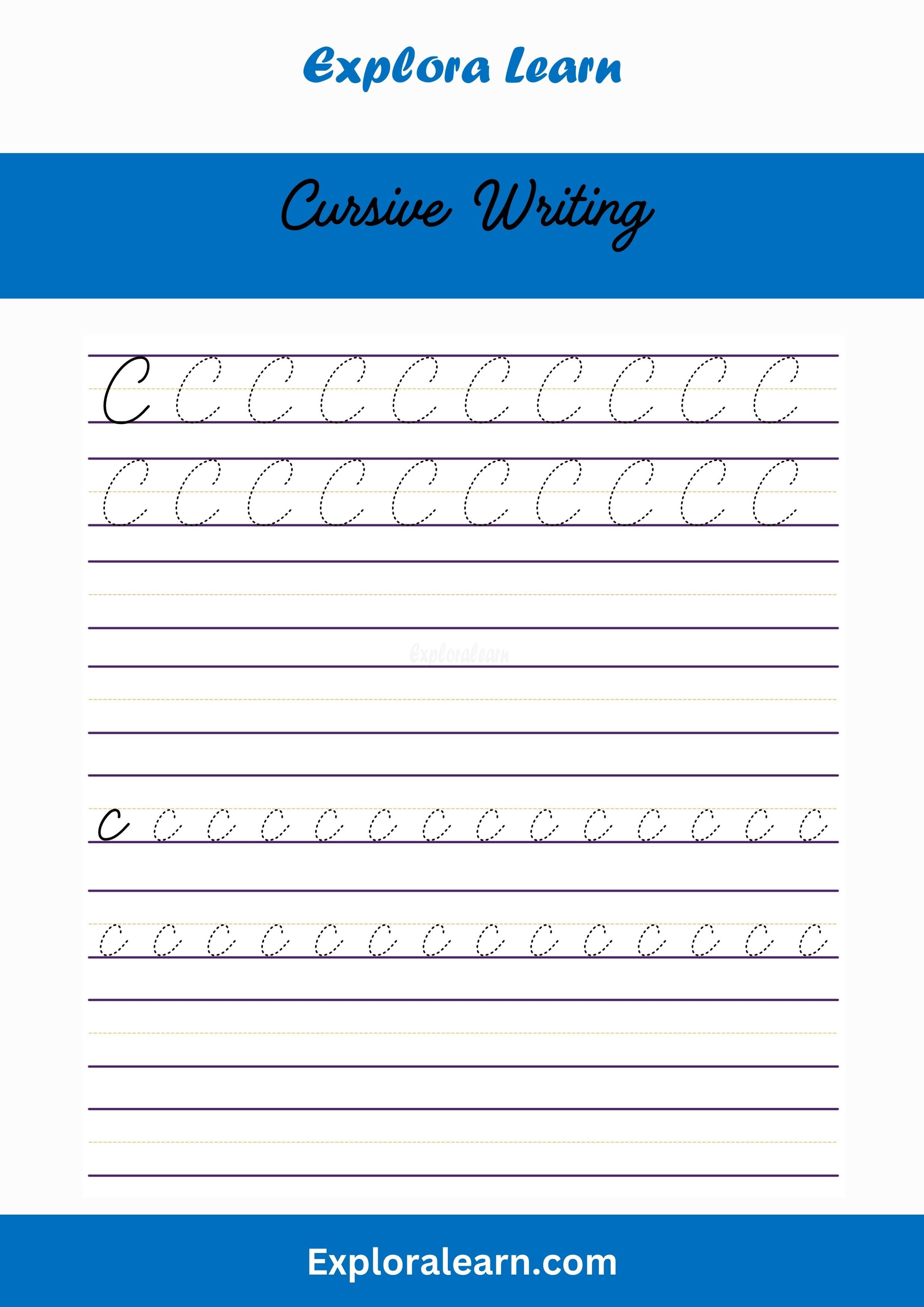
Delving into connected script demands precise pencil control and visual-motor integration. This specific printable targets letter sequencing, fluid stroke transitions, and appropriate spacing between fluid letter forms. Traditional print writing stops and starts with every single stroke, whereas cursive relies entirely on continuous motion and rhythmic pacing. Educators often observe children clutching writing utensils with excessive finger tension when attempting complex loops for the first time. The layout of this resource gently guides the hand through proper directional paths, reducing muscle fatigue and encouraging a dynamic tripod grasp. Expanding handwriting instruction often benefits from pairing this resource with broader Letter Writing Worksheets to reinforce individual letter mechanics before attempting full-word connection.
Key Learning Outcomes
Repeated engagement with this guided layout yields measurable improvements in fine motor dexterity and visual memory. According to Reading Rockets, explicit handwriting instruction significantly enhances overall reading fluency, spelling accuracy, and written expression capabilities in young children. Learners naturally internalize the consistent slant and proportional height required for legible cursive. Muscle memory develops rapidly through structured repetition, allowing the hand to execute automated strokes without requiring intense conscious thought for every single letter connector. This frees up cognitive bandwidth for higher-level composition and creative storytelling during daily writing tasks.
How to Use This Worksheet
Successful implementation begins long before putting pencil to paper. Setting up an ergonomic workspace ensures feet rest flat on the floor and the writing surface sits at a comfortable elbow height. Adults should model the correct starting point and directional flow for each stroke before inviting the child to trace. Allowing learners to trace the letters with an index finger first helps activate proprioceptive feedback loops in the brain. Transitioning from sensory tracing to actual pencil work requires monitoring grip pressure and paper angle to maintain proper posture throughout the exercise.
Practical Tips for Parents and Teachers
Shorter, frequent practice sessions yield far better results than marathon writing blocks that induce hand cramps and frustration. Limiting active engagement to five or ten minutes per day preserves enthusiasm and prevents sloppy habits from forming due to fatigue. Incorporating tactile elements like writing the target word in a tray of sand or shaving cream reinforces the physical motion before returning to traditional paper tasks. Pairing these targeted writing sessions with broader Tracing Worksheets helps build foundational pre-writing strokes and line accuracy for holistic development.
Age-Appropriate Recommendations
Introducing connected script typically aligns with second or third-grade developmental milestones, once manuscript handwriting exhibits consistent size, spacing, and automaticity. According to the National Association for the Education of Young Children (NAEYC) Developmentally Appropriate Practice guidelines, learning experiences must match the physical and cognitive maturity of the individual child. Pressuring kindergarteners or early first graders into cursive too early often leads to frustration because intrinsic hand arches and finger dexterity remain underdeveloped. Ensuring readiness safeguards positive attitudes toward writing and prevents the formation of inefficient pencil grasps that prove difficult to correct later in academic life.
Explicit handwriting instruction significantly enhances overall reading fluency, spelling accuracy, and written expression capabilities in young children. — Reading Rockets
Frequently Asked Questions
How can this printable be downloaded and printed? Access the file directly from the browser, save it to a local device, and print it using standard letter-sized paper at 100 percent scale for accurate proportions.
How does this specific resource support fine motor development? The structured layout requires sustained visual-motor control, precise pencil pressure modulation, and fluid finger movements that strengthen intrinsic hand muscles.
What age group benefits most from cursive instruction? According to the American Occupational Therapy Association, children typically develop the necessary visual-motor integration and hand strength for cursive writing around second grade.
Explore More Free Printable Worksheets
Supporting a well-rounded early childhood curriculum requires access to diverse resources that target every facet of physical and academic growth. Educators and parents can discover a vast library of supplemental tools, ranging from foundational Preschool Worksheets designed for early learners to creative options found among the broader Worksheets collection. Building a comprehensive practice routine ensures children remain engaged, challenged, and supported throughout every stage of their educational journey.
Developmental Milestone & Activity Table
| Development Stage | Recommended Daily Duration | Primary Learning Objective |
|---|---|---|
| Preschool & Pre-K | 10 – 15 Minutes | Pencil grip development & basic pre-stroke lines |
| Kindergarten | 15 – 20 Minutes | Letter/number formation & spatial line awareness |
| Early Elementary (Grade 1–2) | 20 – 30 Minutes | Fluency, sentence construction & neatness |
Images References