Introduction
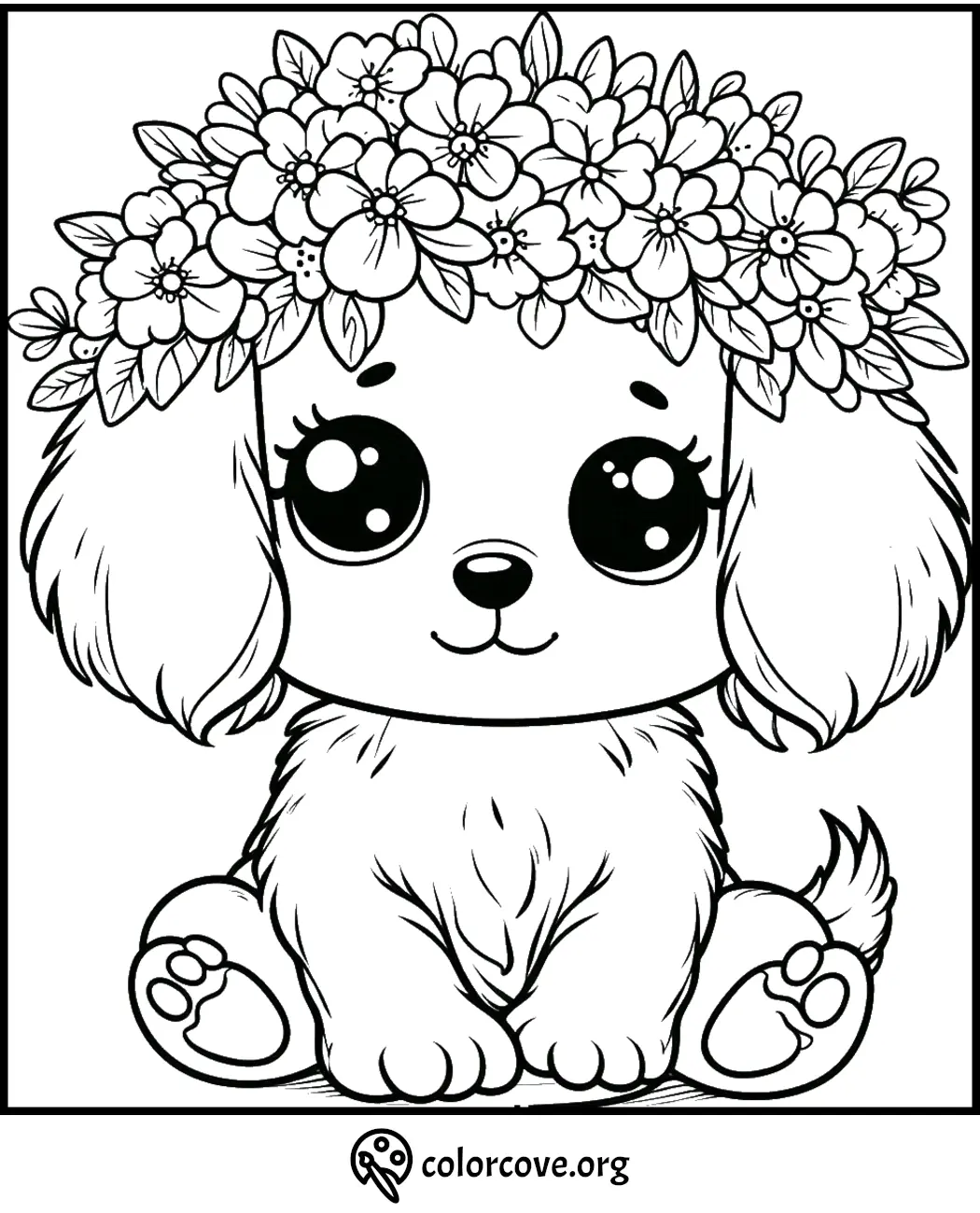
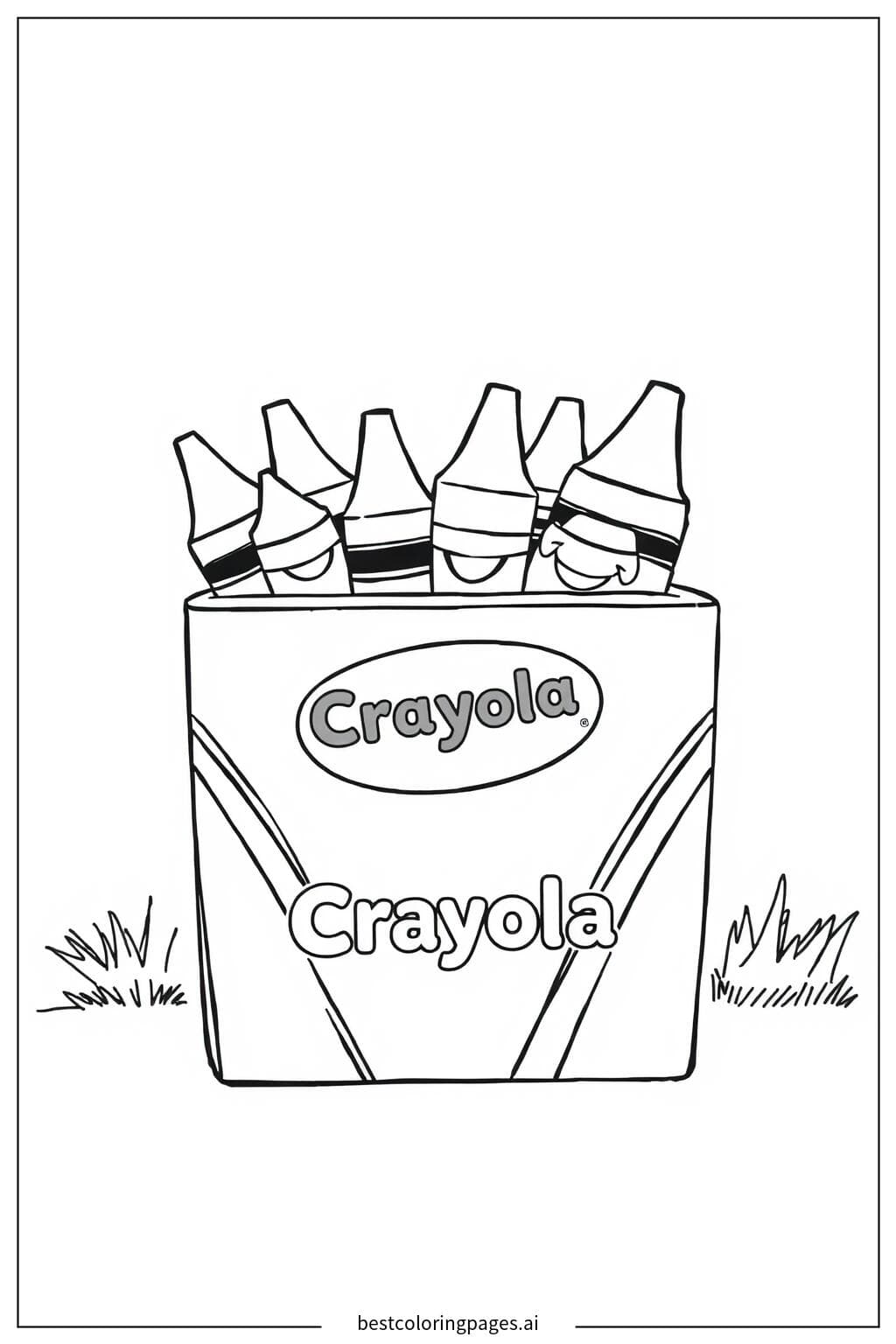
Coloring pages cozy represent intentionally designed, low-stress artistic layouts that naturally foster fine-motor control, hand strength, and visual-spatial processing foundational to early literacy and letter formation. According to the American Occupational Therapy Association (AOTA), targeted fine-motor interventions using structured coloring and pencil control activities significantly improve functional grasp and handwriting legibility in young learners. Integrating these relaxing design sheets into daily instruction prepares developing hands for precise pencil strokes required during complex tracing worksheets exercises.
Handwriting Practice Snapshot:
- Core Focus: Building intrinsic hand muscle strength and dynamic tripod grasp through comforting, low-anxiety artistic sheets.
- Target Scope: Early childhood classrooms, home-schooling environments, and occupational therapy sessions for developing writers.
- Key Recommendation: Pair thick outlines with restricted coloring zones to prevent hand fatigue while reinforcing directional pencil movement.
Core Principles and Detailed Overview
Cozy-themed artistic sheets provide low-stimulus environments that encourage sustained concentration, proper wrist stabilization, and controlled finger dexterity. By utilizing thick, enclosed borders, these templates establish distinct boundaries that train the hand to decelerate, change direction fluidly, and execute micro-adjustments in pressure. Such mechanical control directly translates to fluid letter formation found within structured letter writing worksheets. Educators utilize these relaxing layouts to reduce grip-pressure fatigue, ensuring learners maintain an ergonomic pencil grasp over extended instructional periods without experiencing physical strain or frustration.
Key Specifications and Breakdown
| Skill Level / Grade | Target Stroke / Mechanical Focus | Pedagogical / Coaching Cue |
|---|---|---|
| Early Preschool (Ages 3-4) | Whole-arm movement, gross motor control, and palmar grasp stabilization. | Keep the wrist flat and move the entire arm smoothly across the page. |
| Advanced Preschool (Ages 4-5) | Transitioning to transitional tripod grasp and short directional strokes. | Pinch the pencil gently and keep the fingers close to the writing tip. |
| Early Kindergarten (Ages 5-6) | Dynamic tripod grasp, boundary control, and consistent pressure application. | Stop cleanly at the border and lift the crayon without pressing too hard. |
Early fine-motor development requires balanced proprioceptive feedback and low-stress environmental conditions to optimize neural pathways governing motor planning. — American Occupational Therapy Association (AOTA)
Step-by-Step Practical Application and Guidelines
Implementing these calming artistic resources effectively requires pairing them with deliberate ergonomic monitoring and progressive tool selection. Begin sessions by reviewing proper pencil posture and ensuring feet remain flat on the floor to provide proximal body stability. Instruct learners to start filling spaces from top to bottom and left to right, mirroring standard reading and writing vectors. Introduce complementary preschool worksheets afterward to bridge the gap between open-ended artistic coloring and structured linear writing mechanics. Regular, short-duration practice yields superior neuromuscular conditioning compared to infrequent, exhaustive writing drills.
Common Challenges and How to Avoid Them
Excessive hand fatigue, awkward finger wraps, and crossing midline difficulties frequently hinder early writing progress unless instructors intervene with targeted modifications. Overcoming tight white-knuckle grips involves substituting standard crayons with short stubby writing tools that physically prevent fingers from wrapping incorrectly around the shaft. Educators should also monitor paper placement, tilting the worksheet slightly to match the natural arc of the learner’s forearm. For children struggling with consistent line placement, pairing artistic tasks with specialized name practice worksheets helps anchor spatial awareness to personal, meaningful vocabulary.
💬 Frequently Asked Questions
Explore More Free Handwriting and Character Worksheets
Optimizing early childhood literacy requires a diverse suite of engaging, professionally structured pedagogical materials designed for daily classroom or home instruction. Discover an extensive library of free educational resources, including specialized coloring worksheets, by visiting CharacterWritingWorksheets.com today to support developing writers.