Introduction
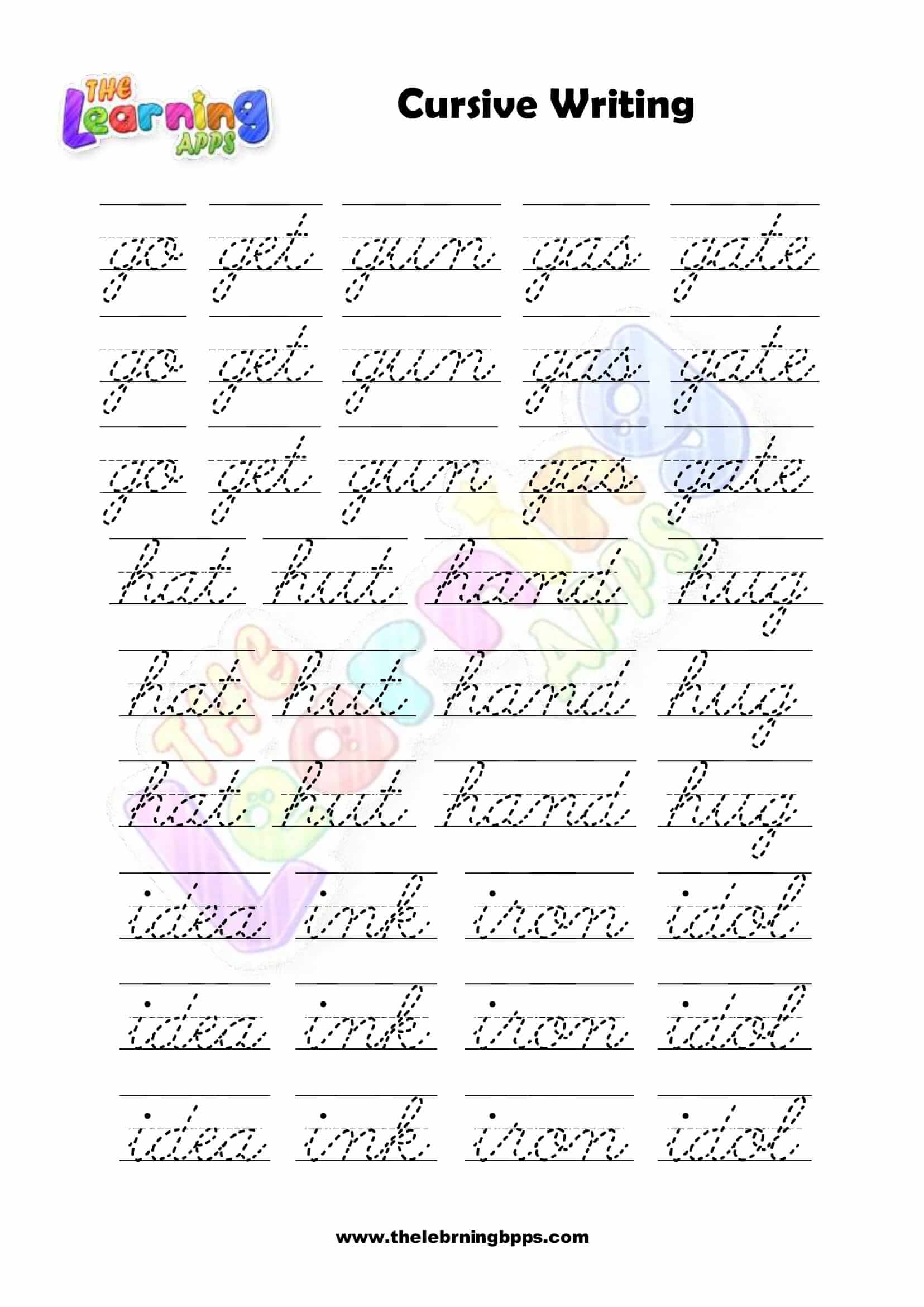
Mastering connected script in a secondary language requires a unique blend of visual-motor integration and linguistic stamina. The free printable worksheet “cursive learning sheets pr long words russian” addresses this exact challenge by guiding developing writers through multi-syllable vocabulary in Cyrillic. Children often grip pencils too tightly when faced with complex letter combinations, leading to hand fatigue and frustration. Observers in pediatric clinics frequently notice that providing structured, linear pathways helps children relax their hand muscles while maintaining consistent letter formation and slant. Bridging the gap between isolated character drills and fluent sentence construction demands intentional practice materials that target fine motor endurance specifically for bilingual or language-learning classrooms.
💡 Educational Key Takeaways:
- Core Skill: Structured Cursive Learning Sheets Pr Long Words Russian focused on developing pencil grip, stroke control, and early literacy/math confidence.
- Target Scope: Suited for homeschoolers, preschool, kindergarten, and elementary learners.
- Best Recommendation: Practice 10–15 minutes daily with ergonomic writing tools to reinforce muscle memory without hand fatigue.
What This Worksheet Covers
Extended Russian vocabulary units demand rigorous pencil control, steady stroke order, and precise spatial awareness across the writing line. This specific resource focuses on complex consonant clusters and multi-syllable structures typical of the Russian language, requiring continuous fluid motion rather than disjointed strokes. According to the American Occupational Therapy Association, handwriting proficiency relies heavily on the integration of visual perception, kinesthetic feedback, and sustained postural stability. Children navigate baseline adherence, loop heights, and proportional spacing while connecting intricate Cyrillic characters like ‘п’ and ‘р’ into longer, meaningful words. It sounds simple, and that’s the point: stripping away distractions allows the nervous system to focus purely on motor planning and rhythm.
Key Learning Outcomes
Practicing extended Cyrillic terminology builds essential competencies that translate directly into broader academic success and physical dexterity. Regular engagement with these pages refines the intrinsic hand muscles responsible for dynamic tripod grasps, reducing the likelihood of early writing cramps. Beyond physical endurance, learners expand their vocabulary retention and orthographic mapping by writing complete terms rather than isolated graphs. Educators seeking foundational pre-writing support often begin with broader Tracing Worksheets before introducing complex linguistic scripts. Ultimately, children develop a smooth, rhythmic handwriting style that supports faster expression and reduced cognitive load during creative writing tasks.
How to Use This Worksheet
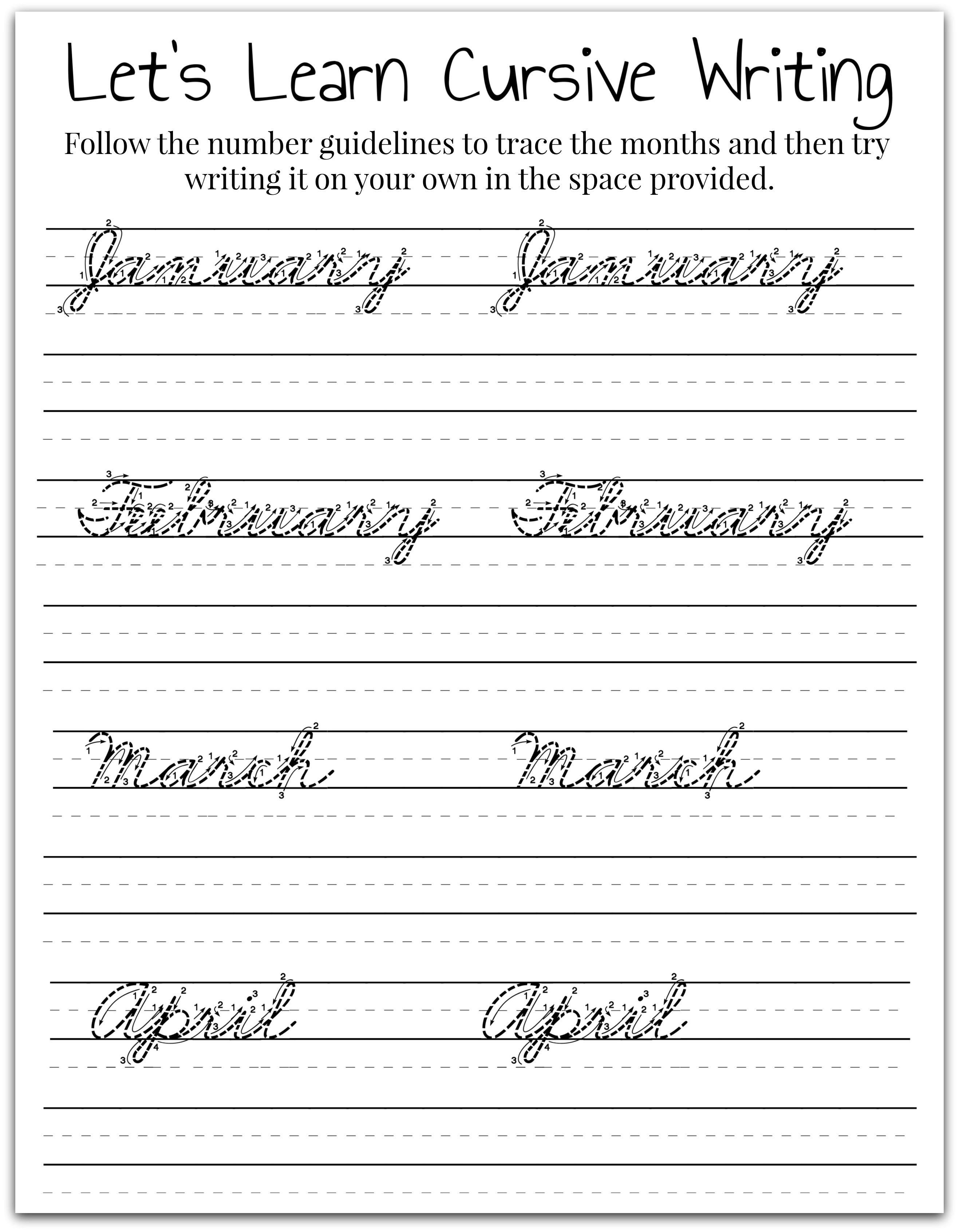
Successful implementation begins with setting up an ergonomically sound workspace where feet rest flat on the floor and elbows bend at a comfortable ninety-degree angle. Adults should model the initial stroke sequences slowly, emphasizing the continuous flow required for complex Russian letter junctions. Children trace the lighter ghosted letters first to internalize the kinetic memory, gradually transitioning to independent reproduction on blank lines below. Teachers frequently pair these exercises with foundational tools found within Letter Writing Worksheets to reinforce baseline orientation and stroke consistency. Patience remains essential as developing hands build the stamina necessary to complete lengthy, multi-character vocabulary without losing letter proportion.
Practical Tips for Parents and Teachers
Creating a low-pressure environment transforms tedious handwriting drills into an engaging linguistic exercise. Limit practice sessions to short, ten-minute blocks to prevent muscle fatigue and maintain high focus levels throughout the activity. Using colored pencils or scented markers can also increase intrinsic motivation for reluctant writers who find traditional graphite monotonous. For younger children still developing core pencil control, exploring supplementary resources like Preschool Worksheets helps build preparatory hand strength. Monitoring grip pressure and paper angle ensures that bad habits do not solidify during these crucial formative stages of connected script learning.
Age-Appropriate Recommendations
Introducing advanced Cyrillic vocabulary typically aligns with late elementary milestones when students have already mastered basic print mechanics and spatial boundaries. According to the National Association for the Education of Young Children guidelines on developmentally appropriate practice, learning materials must match the child’s current neurological and physical readiness rather than chronological age alone. Children aged seven to ten generally possess the refined visual-motor integration required to manage the varying ascenders and descenders inherent in Russian cursive. Educators can scaffold this learning by incorporating activities from Name Practice Worksheets to build initial confidence with personalized letter sequencing before tackling lengthy foreign terms.
Handwriting proficiency directly correlates with overall academic achievement, cognitive processing speed, and reading comprehension in early elementary years. — American Occupational Therapy Association
Frequently Asked Questions
Accessing and utilizing these specialized educational resources requires just a few straightforward steps to ensure optimal results at home or inside the classroom.
Fine motor skill acquisition in early childhood relies heavily on structured multi-sensory tracing and consistent stroke repetition. — Centers for Disease Control and Prevention
Explore More Free Printable Worksheets
Expanding a child’s fine motor toolkit requires access to a diverse library of targeted educational materials tailored to every stage of development. Exploring various categories helps maintain high engagement while addressing specific developmental needs like grip strength, spatial awareness, and letter fluency. Caregivers can browse the complete collection of Worksheets to find additional resources that support both native language acquisition and secondary script mastery. Integrating varied exercises across multiple developmental domains ensures a well-rounded foundation for lifelong academic success.
Developmental Milestone & Activity Table
| Development Stage | Recommended Daily Duration | Primary Learning Objective |
|---|---|---|
| Preschool & Pre-K | 10 – 15 Minutes | Pencil grip development & basic pre-stroke lines |
| Kindergarten | 15 – 20 Minutes | Letter/number formation & spatial line awareness |
| Early Elementary (Grade 1–2) | 20 – 30 Minutes | Fluency, sentence construction & neatness |
Images References