Introduction
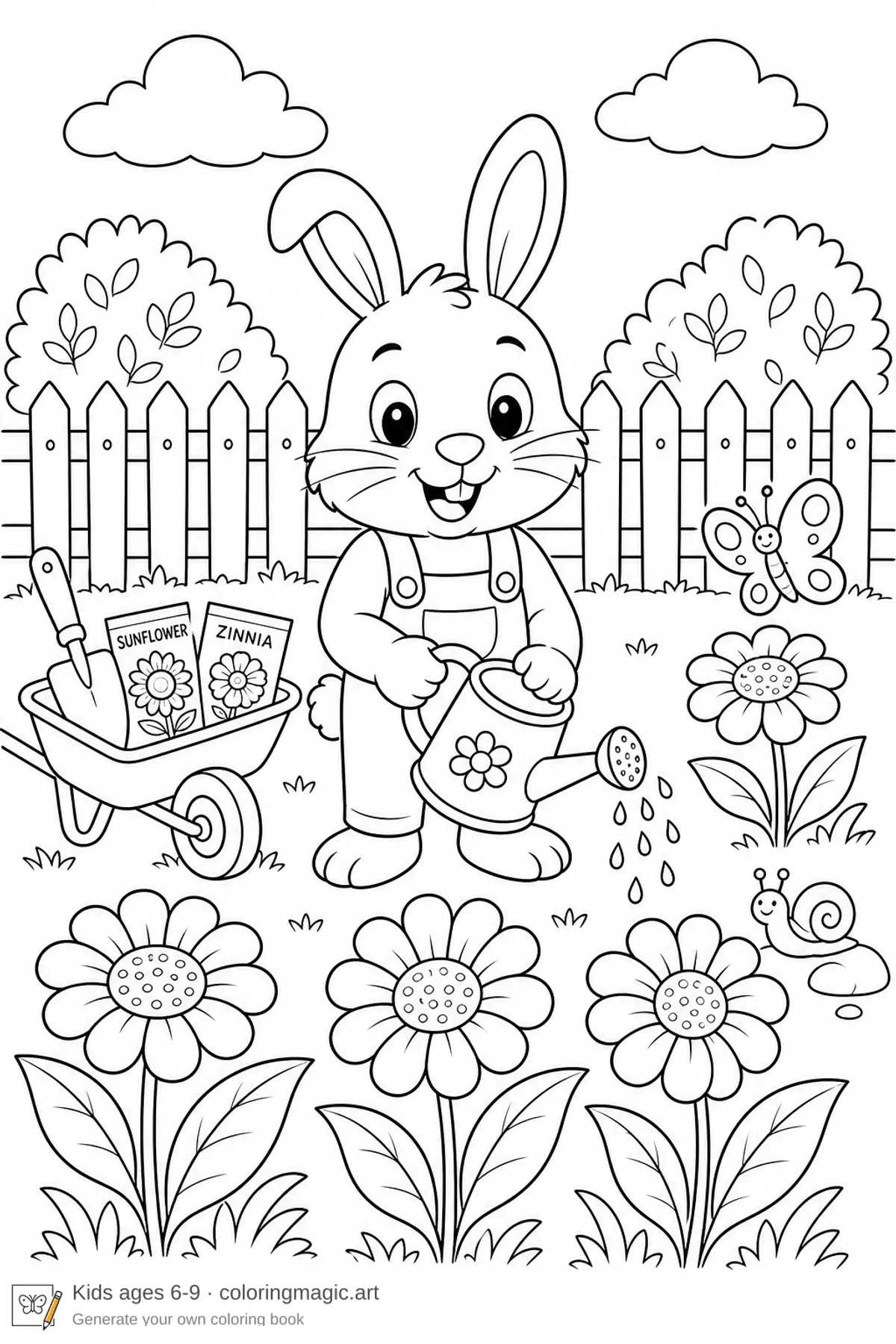
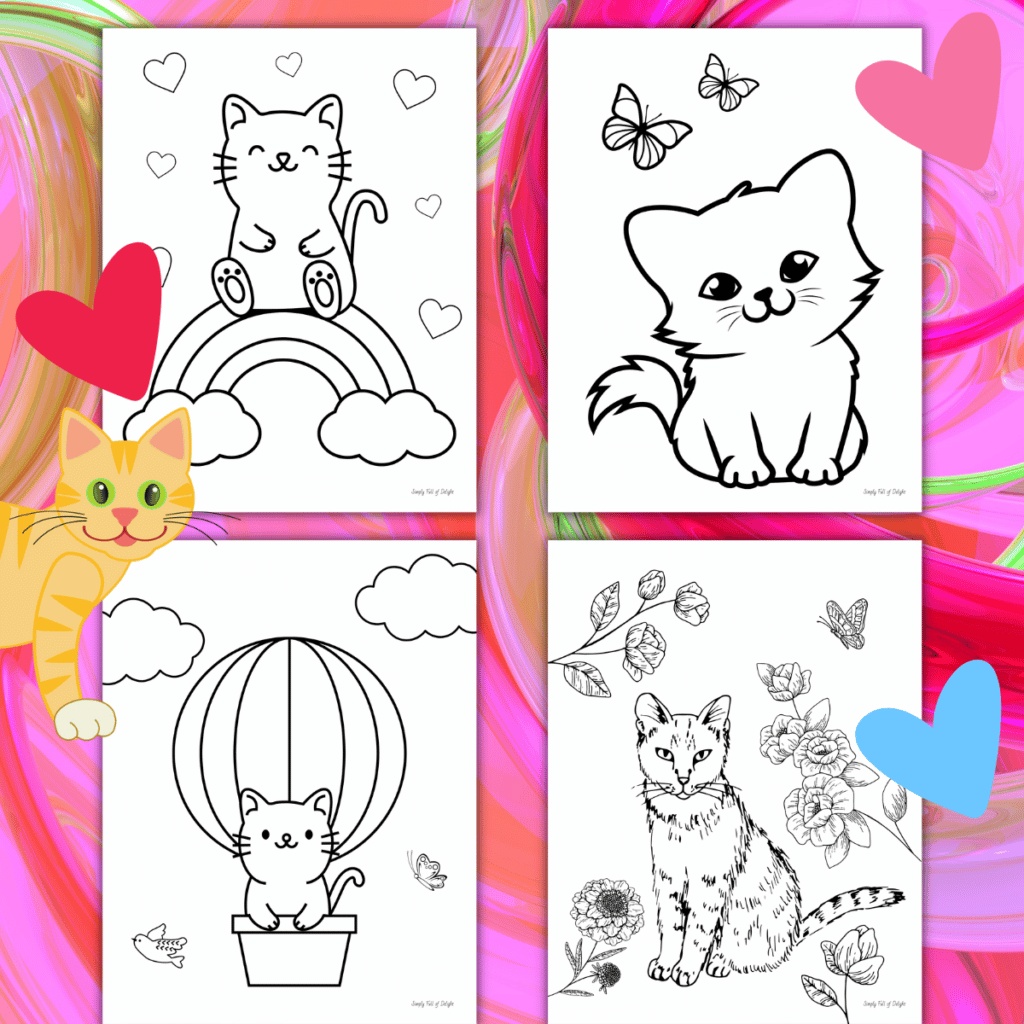
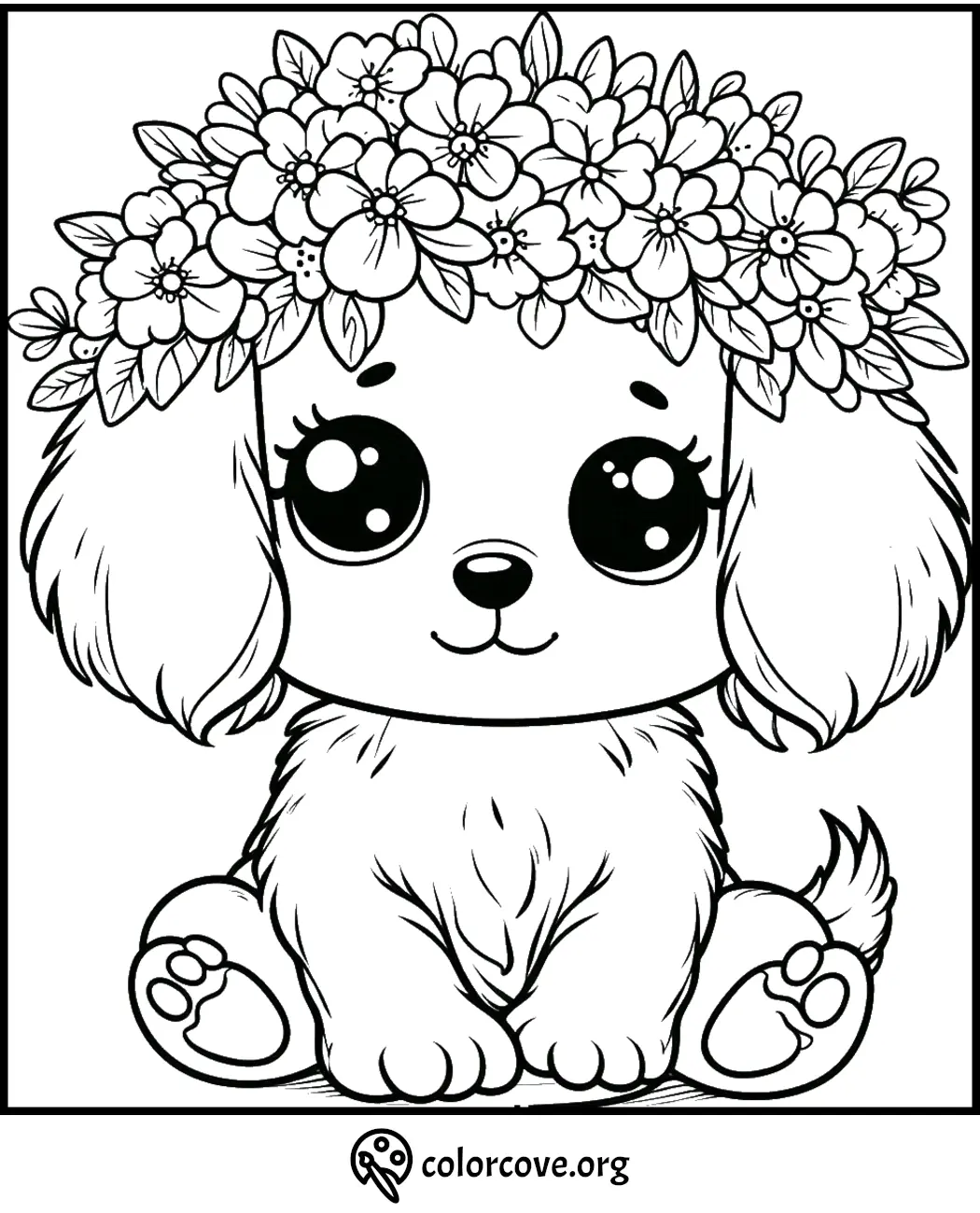
Utilizing adorable graphic templates for developmental coloring provides foundational hand-eye coordination required for early orthographic mastery. According to the National Association for the Education of Young Children (NAEYC), purposeful fine-motor activities integrated into visual art directly support the neurological pathways responsible for precise letter formation. Integrating specialized coloring worksheets into daily routines bridges the gap between unstructured play and the rigid physical demands of elementary writing mechanics.
Handwriting Practice Snapshot:
- Core Focus: Applying engaging, visually appealing graphic outlines to build foundational grip strength and pencil control.
- Target Scope: Early childhood educators, homeschool environments, and occupational therapy clinics serving preschool through early elementary cohorts.
- Key Recommendation: Pair stylized graphic fills with directional stroke markers to reinforce correct boundary awareness before transitioning to formal letter writing worksheets.
Core Principles and Detailed Overview
Aesthetic engagement through whimsical illustrations directly accelerates fine-motor acquisition by sustaining child attention spans during repetitive physical tasks. When children trace and color within confined, themed boundaries, intrinsic motivation overrides hand fatigue, allowing for extended practice on proper finger placement and dynamic tripod grasps. Careful visual styling transforms mundane muscle conditioning into an inviting sensory experience, which is why educators frequently combine artistic tracing with tracing worksheets to build comprehensive upper-limb stability.
Key Specifications and Breakdown
| Skill Level / Grade | Target Stroke / Mechanical Focus | Pedagogical / Coaching Cue |
|---|---|---|
| Early Preschool | Broad sweeping motions, continuous curved fills | “Keep the crayon inside the friendly character lines.” |
| Late Preschool / Transitional Kindergarten | Directional control, stopping at precise corners | “Trace the outer edge softly before filling the middle.” |
| Early Elementary | Controlled pressure modulation, micro-details | “Use light wrist movements to shade the tiny details.” |
Fine-motor precision and visual-spatial manipulation established through structured coloring tasks serve as mandatory physiological precursors for legible, fluent handwriting output. — American Occupational Therapy Association (AOTA)
Step-by-Step Practical Application and Guidelines
Implementing themed artistic outlines requires a structured pedagogical sequence that transitions from macro-muscle control to micro-finger dexterity. Instructors should begin by establishing proper grasp ergonomics before presenting the visual stimulus. Next, direct learners to outline the outermost perimeter using a top-to-bottom, left-to-right directional habit, mirroring standard reading and writing vectors. Finally, permit students to color the interior spaces using overlapping circular strokes or parallel lines, actively preventing the onset of hyper-gripping and hand cramping. For continuous reinforcement, pair these artistic exercises with targeted preschool worksheets designed to build foundational stamina.
Common Challenges and How to Avoid Them
Heavy-handed pressing and ignoring boundary lines represent the most frequent mechanical hurdles encountered during graphic coloring exercises. Instructors can eliminate excessive hand fatigue by swapping standard wax crayons for short, truncated writing utensils that naturally force a functional tripod pinch. Additionally, selecting illustrations featuring thick, high-contrast black boundary lines provides crucial visual feedback for learners struggling with spatial awareness and boundary inhibition. Educators seeking personalized orthographic practice can also integrate specialized name practice worksheets to maintain high engagement levels across all writing centers.
💬 Frequently Asked Questions
Explore More Free Handwriting and Character Worksheets
Accessing comprehensive educational resources ensures every child builds a rock-solid foundation in orthographic mastery, letter formation, and fine-motor control. Explore the complete collection of free, high-quality printables, lesson plans, and instructional tools directly available across the digital library at CharacterWritingWorksheets.com and discover thousands of additional worksheets tailored for early childhood development.
Printable Coloring Page Previews