Introduction
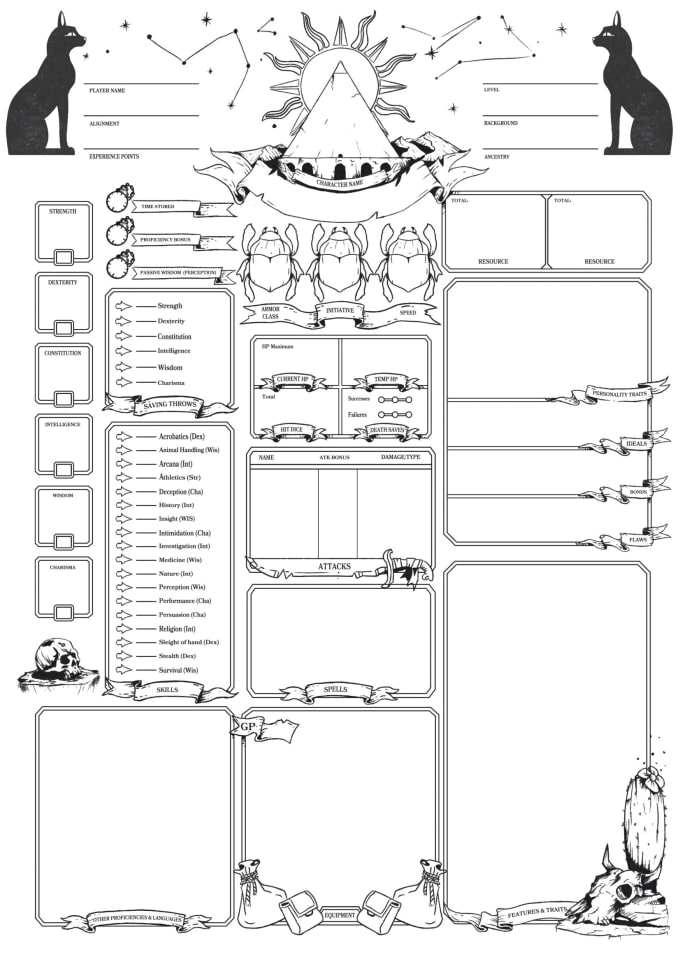
Bridging the gap between imaginative play and foundational literacy requires materials that capture a child’s genuine interests. The undertale dungeons and dragons character sheet transforms a familiar tabletop roleplaying aesthetic into a targeted tool for pre-writing strokes, pencil control, and line accuracy. Children often resist traditional handwriting drills because repetitive lines lack narrative context. Introducing fantasy elements changes the dynamic entirely, shifting the perception of a writing exercise from a chore into a creative quest. Clinical observations in pediatric occupational therapy consistently reveal that motivation directly influences hand endurance and postural stability. When young learners care about the outcome of the text they are producing, intrinsic focus naturally replaces external prompting.
💡 Educational Key Takeaways:
- Core Skill: Structured Undertale Dungeons And Dragons Character Sheet focused on developing pencil grip, stroke control, and early literacy/math confidence.
- Target Scope: Suited for homeschoolers, preschool, kindergarten, and elementary learners.
- Best Recommendation: Practice 10–15 minutes daily with ergonomic writing tools to reinforce muscle memory without hand fatigue.
What This Worksheet Covers
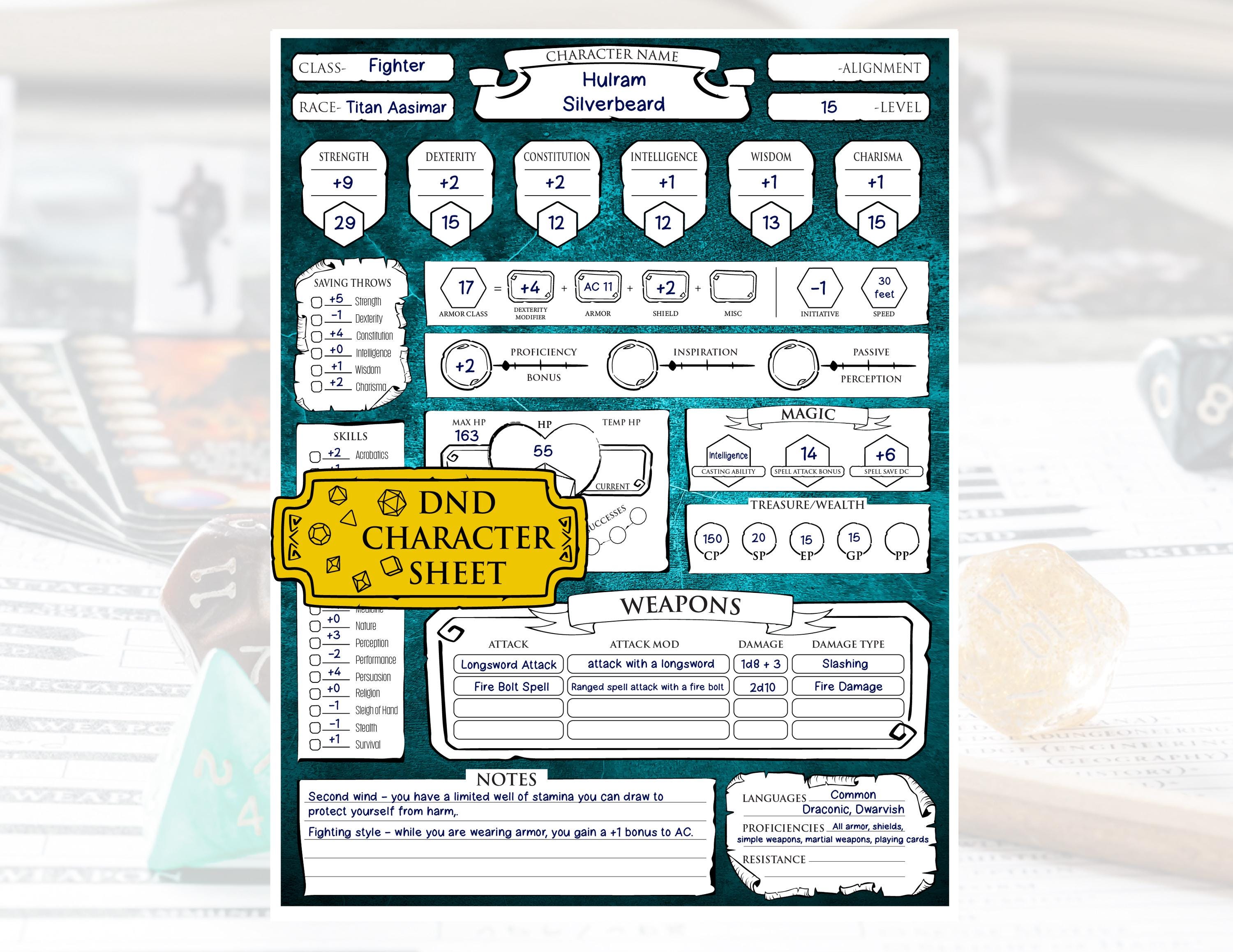
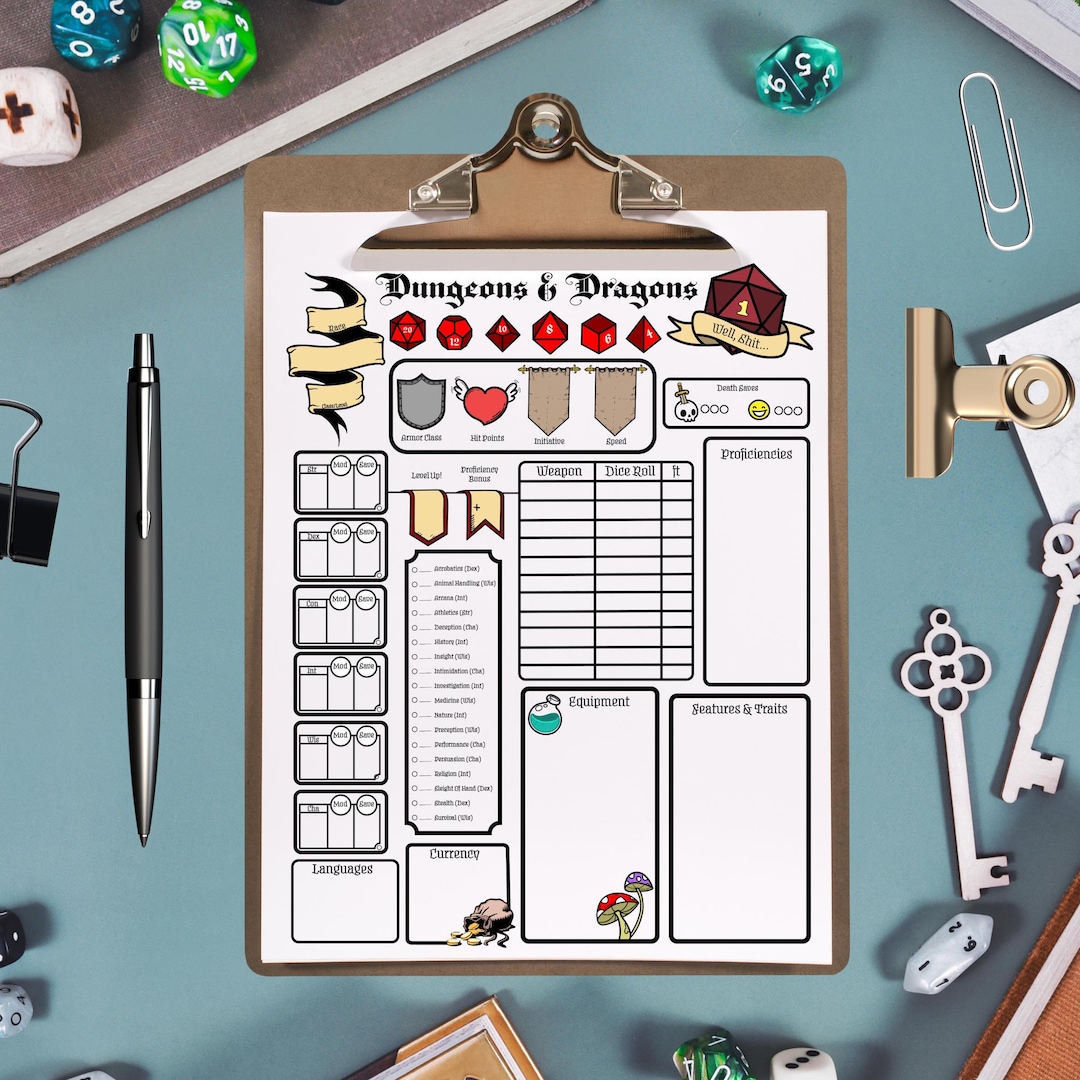
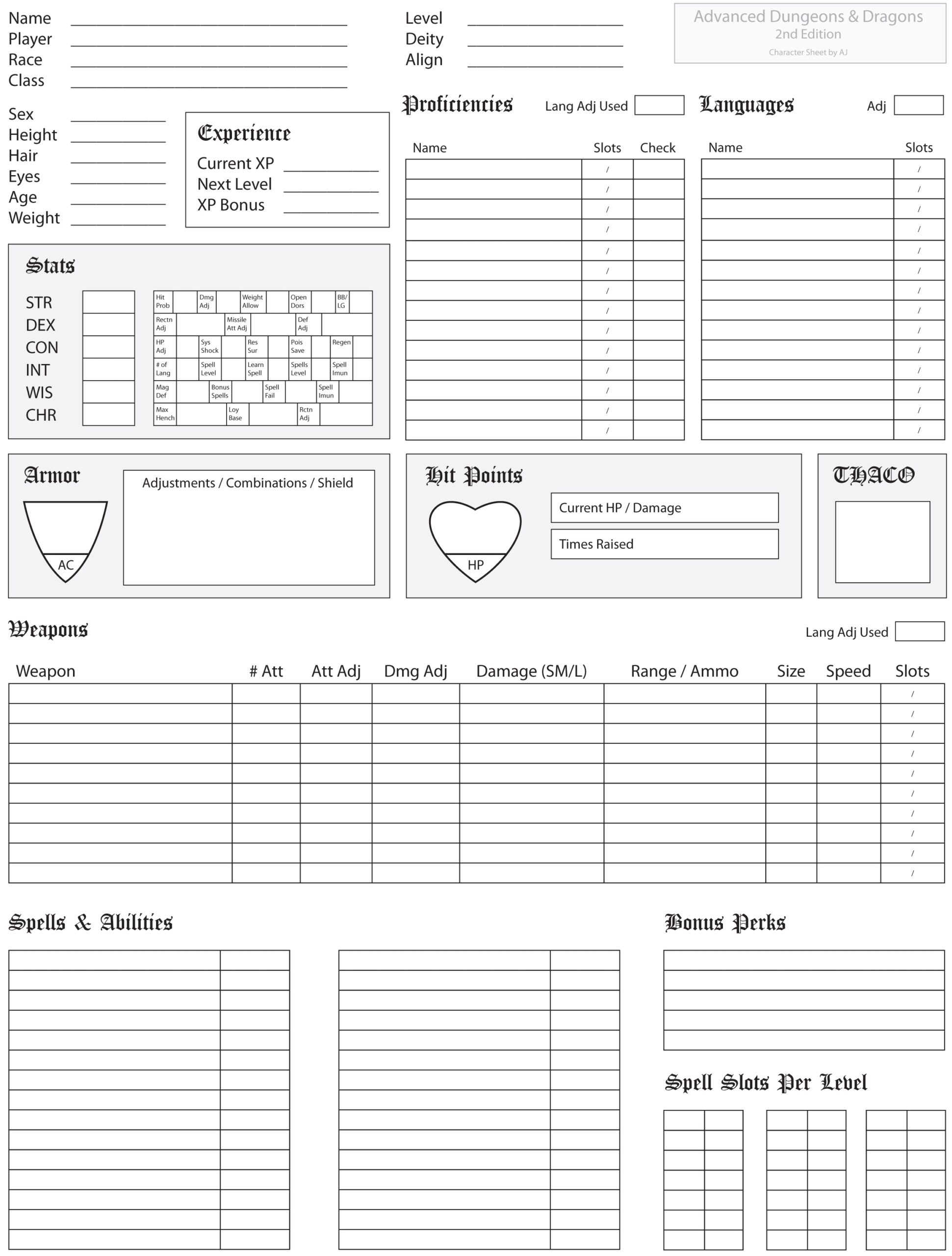
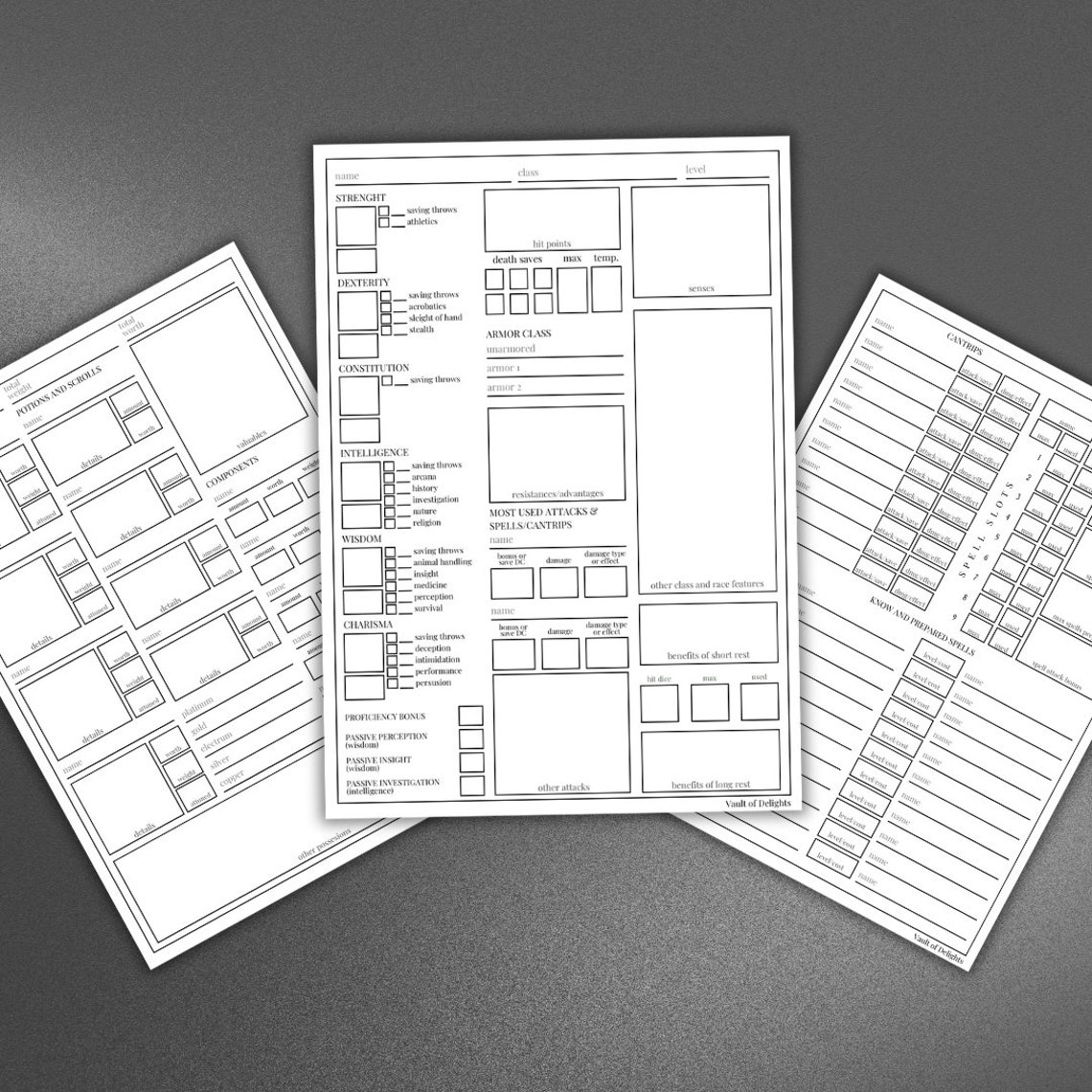
Graphic organizers designed for tabletop gaming inherently require structured spatial organization, making them exceptional templates for early writing practice. The undertale dungeons and dragons character sheet features distinct text boxes, stat lines, and inventory sections that guide the hand to respect boundaries. According to the American Occupational Therapy Association, foundational visual-motor integration allows children to copy shapes, align letters on a baseline, and manage spatial constraints on a page. Navigating small grid squares and narrow margin lines challenges the intrinsic muscles of the hand. This precise control builds the dynamic tripod grasp necessary for legible, fatigue-free writing throughout the elementary school years.
Key Learning Outcomes
Completing these themed profiles reinforces essential developmental milestones in distinct ways. Letter sequencing and initial name recognition improve as children fill in character monikers and attributes. Furthermore, controlled tracing along complex borders refines pre-writing strokes. Exploring related resources like Tracing Worksheets helps stabilize the small muscles of the hand before moving to standard lined paper. Educators frequently notice that children who struggle with traditional letter formation show unexpected persistence when completing character attributes, inventory lists, and hit-point counters.
How to Use This Worksheet
Successful implementation relies on setting a supportive physical environment before any writing begins. Ensure the child’s feet rest flat on the floor and the chair height allows the hips, knees, and ankles to form ninety-degree angles. This postural foundation provides the proximal stability required for distal hand control. Adults should introduce the resource as a collaborative storytelling session rather than an academic test. Children can invent backstory details, describe magical abilities, and map out inventory items while simultaneously practicing pencil pressure modulation and horizontal alignment.
Practical Tips for Parents and Teachers
Scaffolding the experience prevents frustration for younger participants who may still be developing fine motor stamina. Adults can pre-trace light guide lines or allow the use of thicker writing utensils for initial stat tracking. For broader developmental support, pairing this activity with options from Preschool Worksheets ensures a balanced approach to early childhood education. It sounds simple, and that’s the point: keeping the session short, engaging, and playful yields far better muscle memory development than lengthy, forced writing drills.
Age-Appropriate Recommendations
Tailoring expectations to developmental stages ensures children experience success without undue strain. According to the National Association for the Education of Young Children, developmentally appropriate practice requires aligning learning goals with a child’s current social, emotional, and physical capacities. For younger children aged four to five, adult assistance is typically needed to transcribe complex stat names while the child focuses on coloring and simple tracing. Older children aged six to eight can independently manage the full inventory, character stats, and narrative descriptions, actively strengthening spelling, spacing, and letter formation.
Foundational visual-motor skills predict later academic and handwriting success across early elementary grade levels — American Occupational Therapy Association
Frequently Asked Questions
Finding clear answers regarding implementation helps caregivers maximize the developmental benefits of themed writing activities. The following information addresses common inquiries about access, skill building, and official standards.
Explore More Free Printable Worksheets
Expanding a child’s portfolio of engaging writing practice materials maintains enthusiasm across multiple subjects. Practitioners frequently integrate items from Worksheets to maintain engagement, while dedicated collections such as Name Practice Worksheets offer targeted support for foundational literacy skills.
Developmental Milestone & Activity Table
| Development Stage | Recommended Daily Duration | Primary Learning Objective |
|---|---|---|
| Preschool & Pre-K | 10 – 15 Minutes | Pencil grip development & basic pre-stroke lines |
| Kindergarten | 15 – 20 Minutes | Letter/number formation & spatial line awareness |
| Early Elementary (Grade 1–2) | 20 – 30 Minutes | Fluency, sentence construction & neatness |
Images References