Introduction
Learning to write in cursive requires a sophisticated blend of visual-motor integration, sustained postural control, and fluid finger movements. The “loyalty in cursive” free printable worksheet offers a purposeful pathway for children mastering connected script. Integrating vocabulary-rich character traits into handwriting practice transforms mundane drills into meaningful skill-building exercises. Educators frequently observe children pressing pencils into paper with white-knuckled intensity when first encountering cursive loops. Smooth, continuous strokes demand a lighter touch and a relaxed pincer grasp, shifting the focus from rigid letter formation to dynamic fluidity. Bridging the gap between isolated print letters and flowing script presents unique hurdles for elementary students, yet targeted resources make the transition remarkably smooth. Exploring various Letter Writing Worksheets provides children with the foundational muscle memory required for advanced handwriting tasks.
💡 Educational Key Takeaways:
- Core Skill: Structured Loyalty In Cursive focused on developing pencil grip, stroke control, and early literacy/math confidence.
- Target Scope: Suited for homeschoolers, preschool, kindergarten, and elementary learners.
- Best Recommendation: Practice 10–15 minutes daily with ergonomic writing tools to reinforce muscle memory without hand fatigue.
What This Worksheet Covers
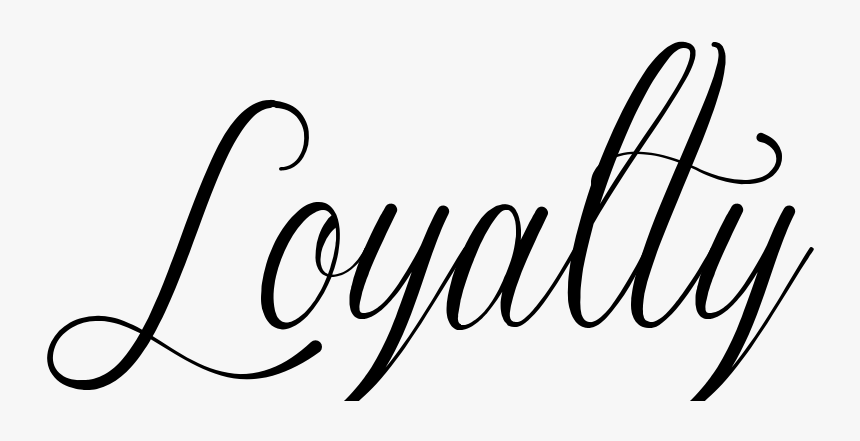
This specific printable focuses heavily on letter formation, stroke order, and proportional spacing within the constraints of traditional cursive lines. Children trace and independently write the word “loyalty,” paying close attention to how the descending loop of the letter ‘y’ connects seamlessly to the ascending stroke of the letter ‘t’. It sounds simple, and that’s the point. Repetitive tracing reduces cognitive load, allowing developing brains to encode the rhythmic flow of cursive connections into long-term procedural memory. Occupational therapy clinics routinely utilize trait-based vocabulary to keep learners engaged during repetitive handwriting interventions. Mastery of these individual letter transitions ultimately dictates legibility and writing speed as academic demands increase in upper elementary grades. Beyond mechanical precision, practicing words centered on positive virtues reinforces social-emotional understanding alongside physical literacy.
Key Learning Outcomes
Completing this exercise successfully strengthens hand-eye coordination and spatial awareness on lined paper. Young learners refine their ability to regulate pencil pressure, ensuring consistent line thickness throughout the entire word. According to the American Occupational Therapy Association, foundational fine motor competencies directly predict academic success and self-esteem during the formative school years. Furthermore, connecting letters in a continuous fluid motion enhances bilateral hand coordination and visual tracking skills. Children also expand their reading vocabulary by engaging directly with the written word repeatedly during the tracing and copying phases. Additional practice materials, such as targeted Name Practice Worksheets, help reinforce these identical mechanical principles using personally meaningful text.
How to Use This Worksheet
Adults should first demonstrate the correct starting point and directional flow for the lowercase ‘l’ and ‘o’ combination. Children benefit greatly from air-writing the word several times before touching a writing utensil to the physical page. Here’s what makes this worksheet different: it pairs moral vocabulary with high-frequency cursive strokes to maximize instructional time. Educators can print multiple copies for a dedicated writing center or slip a single sheet into a clear dry-erase sleeve for reusable practice. Monitoring posture during the activity ensures that feet remain flat on the floor and the non-dominant hand stabilizes the paper properly. Encouraging children to verbalize the stroke direction as they write creates a multi-sensory learning loop that solidifies correct motor patterns quickly.
Practical Tips for Parents and Teachers
Short, frequent practice sessions yield significantly better results than marathon writing drills that induce hand fatigue. If a child begins to exhibit sloppy letter sizing, pause the session and incorporate a quick hand-stretching break to release tension. Teachers often notice that adjusting the slant of the paper slightly to match the child’s forearm angle immediately improves cursive connectivity. Providing chunky, short pencils or ergonomic grips can also assist learners who struggle to maintain an optimal tripod grasp. Keeping the atmosphere relaxed removes performance anxiety, allowing the neurological pathways responsible for fine motor control to develop naturally. Utilizing supplementary Tracing Worksheets beforehand can help build the required baseline confidence for complex cursive connections.
Age-Appropriate Recommendations
Introducing cursive typically aligns with third-grade milestones, though mature second-grade students occasionally demonstrate the requisite finger dexterity. According to the Common Core ELA standard CCSS.ELA-LITERACY.L.3.1.I, students are expected to write fluidly and legibly, making cursive instruction a natural fit for this developmental window. Educators utilizing the NAEYC Developmentally Appropriate Practice framework recognize that fine motor tasks must match the physical readiness of the child rather than a strict calendar age. For younger children still developing foundational hand strength, foundational Preschool Worksheets serve as an ideal preparatory step. Ensuring appropriate task matching prevents frustration and fosters a lifelong appreciation for written communication.
Foundational fine motor competencies directly predict academic success and self-esteem during the formative school years — American Occupational Therapy Association (AOTA)
Frequently Asked Questions
Navigating early handwriting instruction often brings up practical questions for caregivers and educators alike. Clear guidance ensures that children receive consistent support both inside and outside the formal classroom environment.
Young children benefit from explicit instruction in letter formation and stroke consistency to build sustainable writing habits — Reading Rockets
Explore More Free Printable Worksheets
Expanding a child’s fine motor toolkit requires access to a wide variety of engaging, skill-specific practice materials. Exploring comprehensive collections of free Worksheets ensures that learners stay motivated and challenged across every developmental stage. Incorporating diverse activities keeps the learning process fresh, dynamic, and thoroughly enjoyable for growing minds.
Developmental Milestone & Activity Table
| Development Stage | Recommended Daily Duration | Primary Learning Objective |
|---|---|---|
| Preschool & Pre-K | 10 – 15 Minutes | Pencil grip development & basic pre-stroke lines |
| Kindergarten | 15 – 20 Minutes | Letter/number formation & spatial line awareness |
| Early Elementary (Grade 1–2) | 20 – 30 Minutes | Fluency, sentence construction & neatness |
Images References