Introduction
Mastering cursive script remains a pivotal milestone in elementary education, bridging early motor control with fluid written expression. Introducing children to connected lettering through familiar terms creates an immediate, personal stake in the learning process. The free printable worksheet “samantha in cursive writing” offers a targeted approach to teaching fluid letter connections using a specific, recognizable name. Every child approaches the page with unique hand strength, visual-motor integration skills, and patience levels. Watching a young learner navigate the looping ascenders and flowing connectors of cursive reveals just how much neurological planning goes into a single stroke. Connecting letters requires continuous motion rather than the stop-start nature of traditional print. Educators and occupational therapists frequently notice that children who struggle with isolated print letters often find a surprising rhythm once introduced to the flowing mechanics of cursive script. Exploring comprehensive resources within specialized Name Practice Worksheets allows children to build essential muscle memory while mastering the specific spelling of meaningful words. The transition from simple strokes to connected text demands deliberate practice, thoughtful scaffolding, and tools that support sustained attention.
💡 Educational Key Takeaways:
- Core Skill: Structured Samantha In Cursive Writing focused on developing pencil grip, stroke control, and early literacy/math confidence.
- Target Scope: Suited for homeschoolers, preschool, kindergarten, and elementary learners.
- Best Recommendation: Practice 10–15 minutes daily with ergonomic writing tools to reinforce muscle memory without hand fatigue.
What This Worksheet Covers
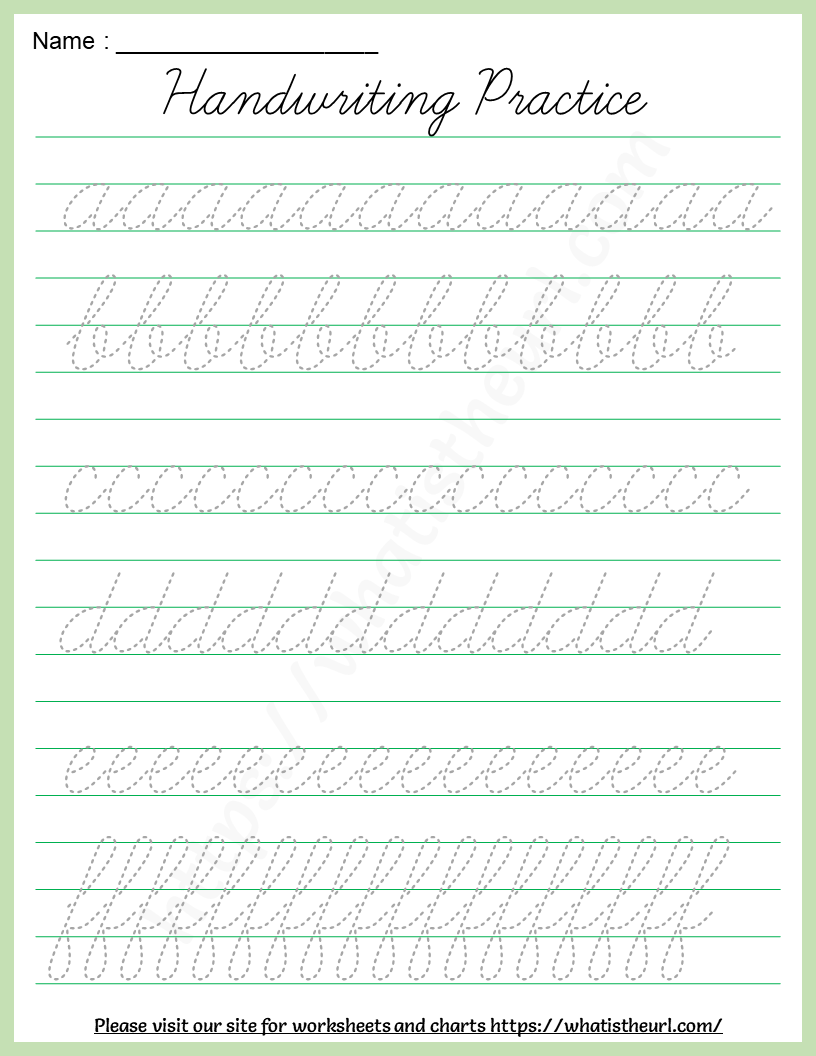
Focused practice sheets targeting specific names bridge the gap between abstract letter shapes and personalized writing goals. This particular instructional sheet centers entirely on forming the targeted word using standard cursive guidelines, baseline anchors, and mid-line dashed indicators. Children examine the precise entry strokes required for the capital letter before transitioning into the lower-case loops that define cursive writing. It sounds simple, and that’s the point: isolating one high-frequency name removes the cognitive overload of composing sentences, allowing total focus on pencil grip and fluid motion. According to the American Occupational Therapy Association, foundational handwriting requires the integration of visual, motor, and sensory systems to produce legible, automatic letter formation. Young writers often press too hard when attempting unfamiliar letter connections, leading to hand fatigue and frustration. Repeated interaction with structured tracing guides helps remediate this tendency by reinforcing gentle, consistent pressure across the writing instrument. Integrating related materials from broader Letter Writing Worksheets expands this skill set, ensuring children encounter diverse letter combinations beyond a single personalized example.
Key Learning Outcomes
Targeted cursive instruction yields measurable improvements in fine motor dexterity, spatial awareness, and orthographic mapping. When children repeatedly trace and copy the designated name, their brains encode the motor plan required for automatic letter sequencing. This physical repetition reduces the cognitive burden of writing, freeing up mental space for higher-order composition and spelling accuracy. Furthermore, consistent practice with curved connectors strengthens the intrinsic muscles of the hand, particularly the lumbricals and interosseous muscles responsible for precise finger control. According to Reading Rockets, explicit handwriting instruction significantly enhances letter recognition and supports broader early literacy development by cementing the visual-motor connection to print. Children develop an acute awareness of baseline positioning, letter height ratios, and appropriate spacing between consecutive strokes. Mastery of these foundational elements prevents common legibility issues down the line, establishing a strong physical basis for academic success across all subjects requiring written output.
How to Use This Worksheet
Successful implementation relies on establishing an optimal physical environment and maintaining realistic pacing during practice sessions. Adults should first verify that the child sits with feet flat on the floor, hips and knees at ninety-degree angles, and the non-dominant hand stabilizing the paper. Begin with an observation phase where the child traces the faded example using an index finger before picking up a pencil. This multisensory preview activates the motor cortex and establishes a visual roadmap for the upcoming pen strokes. Practitioners can transition learners toward independent execution by gradually reducing visual prompts, moving from solid tracing lines to dotted guides, and finally to blank primary lines. For learners needing additional foundational support, pairing this activity with resources found under Tracing Worksheets helps build preliminary stroke accuracy before tackling complex cursive linkages.
Practical Tips for Parents and Teachers
Short, frequent practice blocks yield far better results than exhaustive, high-fatigue writing sessions lasting twenty or thirty minutes. Five to ten minutes of focused cursive work daily keeps engagement high and prevents the physical strain associated with cramping hand muscles. Selecting the right writing tool makes a tremendous difference in comfort and control; short, unsharpened pencils or specialized triangular grips naturally encourage a functional dynamic tripod grasp. Adults should provide immediate, constructive feedback regarding stroke directionality rather than focusing solely on overall neatness. Celebrating small victories, such as a smoothly executed initial capital loop or a well-proportioned connector, builds the learner’s confidence and intrinsic motivation. Keeping the workspace clear of visual distractions ensures the child maintains steady focus throughout the short exercise.
Age-Appropriate Recommendations
Introducing cursive writing requires careful alignment with developmental readiness rather than rigid adherence to chronological age. Within the National Association for the Education of Young Children Developmentally Appropriate Practice framework, educators are urged to meet children at their current motor and cognitive skill levels. Most children in the second through third-grade developmental window possess the refined hand-eye coordination and spatial judgment necessary for cursive mastery. Younger children aged five or six typically benefit more from pre-writing strokes and print awareness rather than immediate cursive instruction. Educators should evaluate whether a child demonstrates consistent hand dominance, adequate bilateral coordination, and the ability to form basic diagonal and curved lines before introducing connected script. When readiness indicators align, targeted cursive practice becomes an empowering extension of a child’s growing literacy toolkit.
Foundational Handwriting Integration — American Occupational Therapy Association
Frequently Asked Questions
Finding the right guidance for early writing mechanics ensures smooth, frustration-free skill acquisition at home and in the classroom. Reviewing common questions helps clarify printing logistics, developmental milestones, and pedagogical approaches designed to support young learners effectively.
Explore More Free Printable Worksheets
Expanding a child’s writing toolkit requires access to diverse, engaging practice materials tailored to every developmental stage. Exploring comprehensive directories of Worksheets provides educators and parents with endless opportunities to reinforce essential academic skills. Younger siblings or children needing foundational practice can also benefit greatly from activities located within Preschool Worksheets, ensuring a seamless continuum of learning from early childhood through early elementary school.
Developmental Milestone & Activity Table
| Development Stage | Recommended Daily Duration | Primary Learning Objective |
|---|---|---|
| Preschool & Pre-K | 10 – 15 Minutes | Pencil grip development & basic pre-stroke lines |
| Kindergarten | 15 – 20 Minutes | Letter/number formation & spatial line awareness |
| Early Elementary (Grade 1–2) | 20 – 30 Minutes | Fluency, sentence construction & neatness |
Images References