Introduction
Mastering write jeremiah shivers in cursive upercase j and s requires targeted fine-motor instruction, precise stroke sequencing, and structured multi-sensory practice. According to the American Occupational Therapy Association (AOTA), explicit instruction in letter formation mechanics significantly enhances manual dexterity and orthographic retention in early learners. Building muscle memory for capital cursive connectors involves understanding slope, baseline anchoring, and continuous fluid motion. Educators and parents utilize specialized name practice worksheets to help students transition from isolated letter drills to complex proper noun execution. Structured tracing templates bridge the gap between basic motor planning and fluent handwriting mastery.
Handwriting Practice Snapshot:
- Core Focus: Executing write jeremiah shivers in cursive upercase j and s with precise capital loops and fluid lowercase transitions.
- Target Scope: Early elementary students, homeschoolers, and educators focusing on proper cursive orthography.
- Key Recommendation: Isolate capital letter practice before linking multi-word proper names to ensure proportional consistency.
Core Principles and Detailed Overview
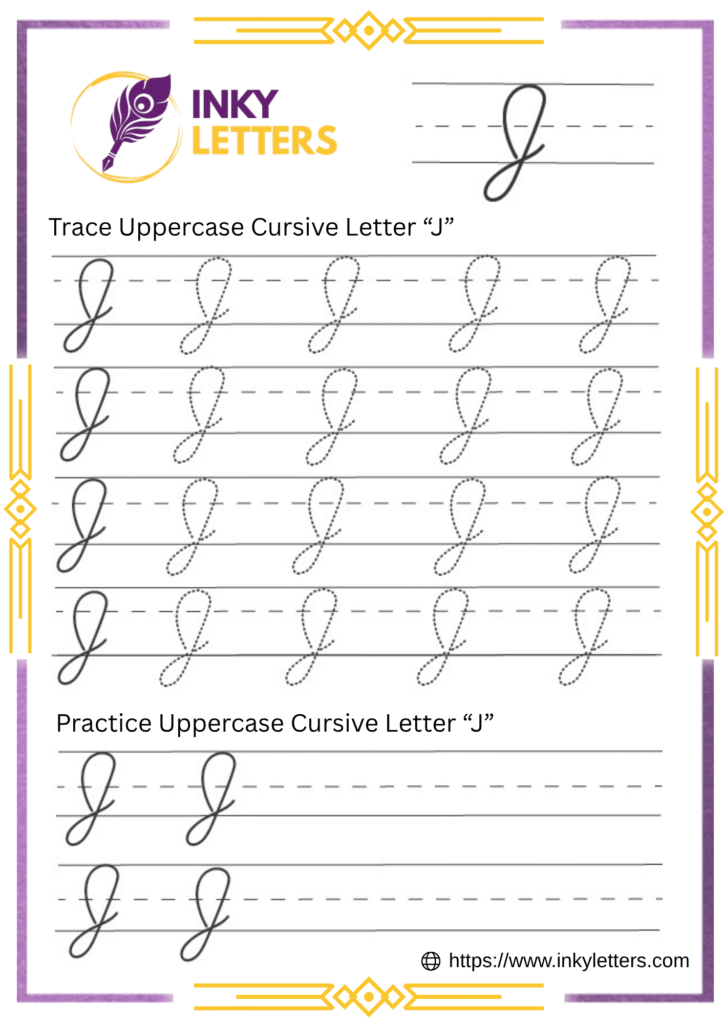
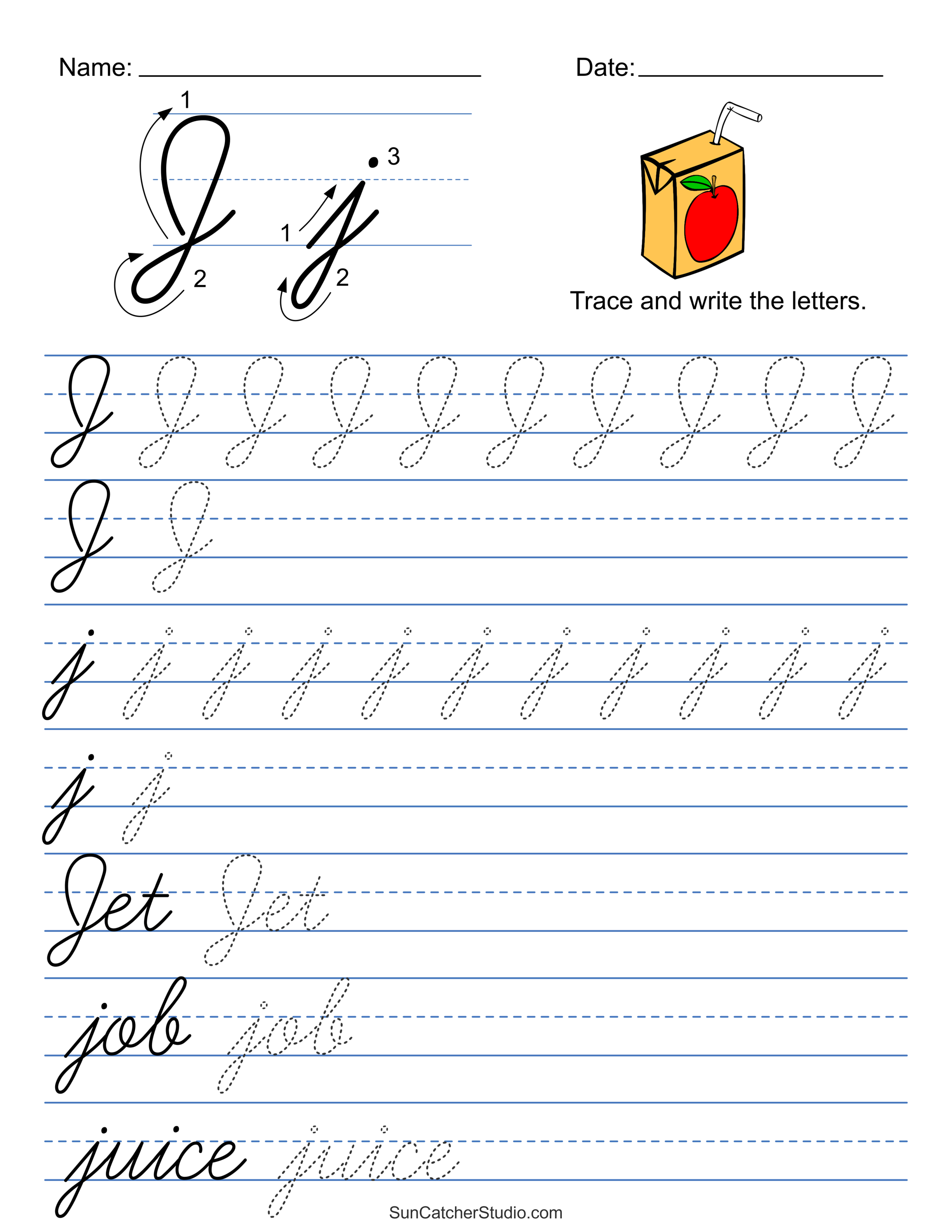
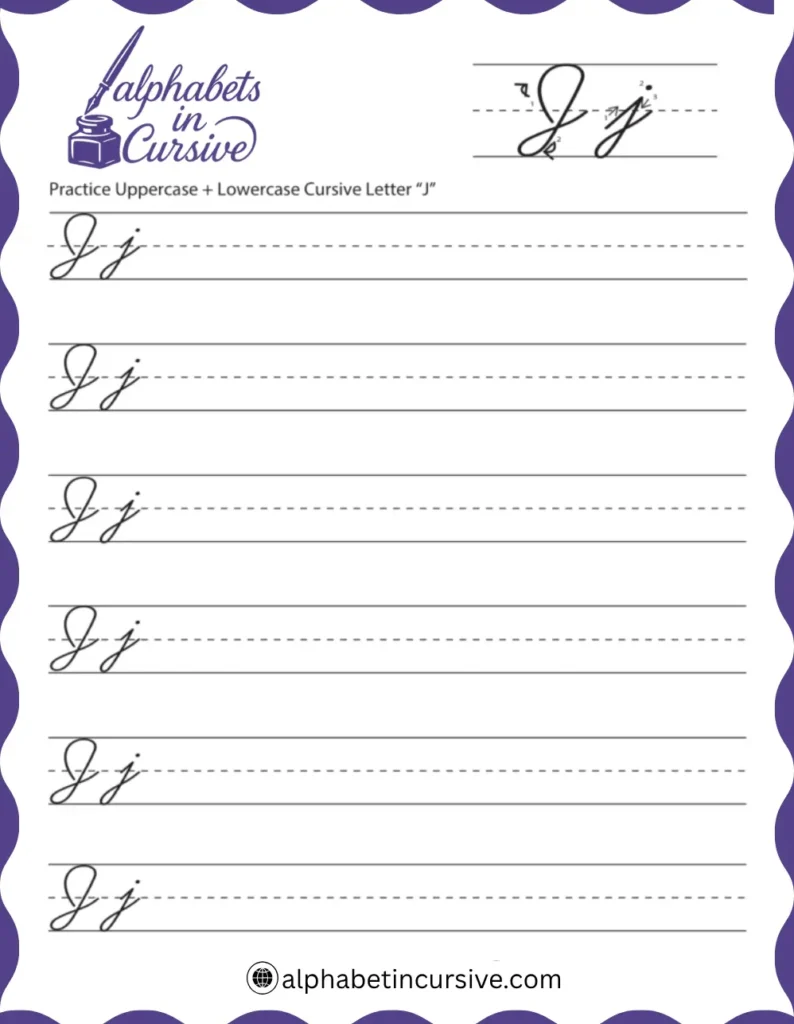
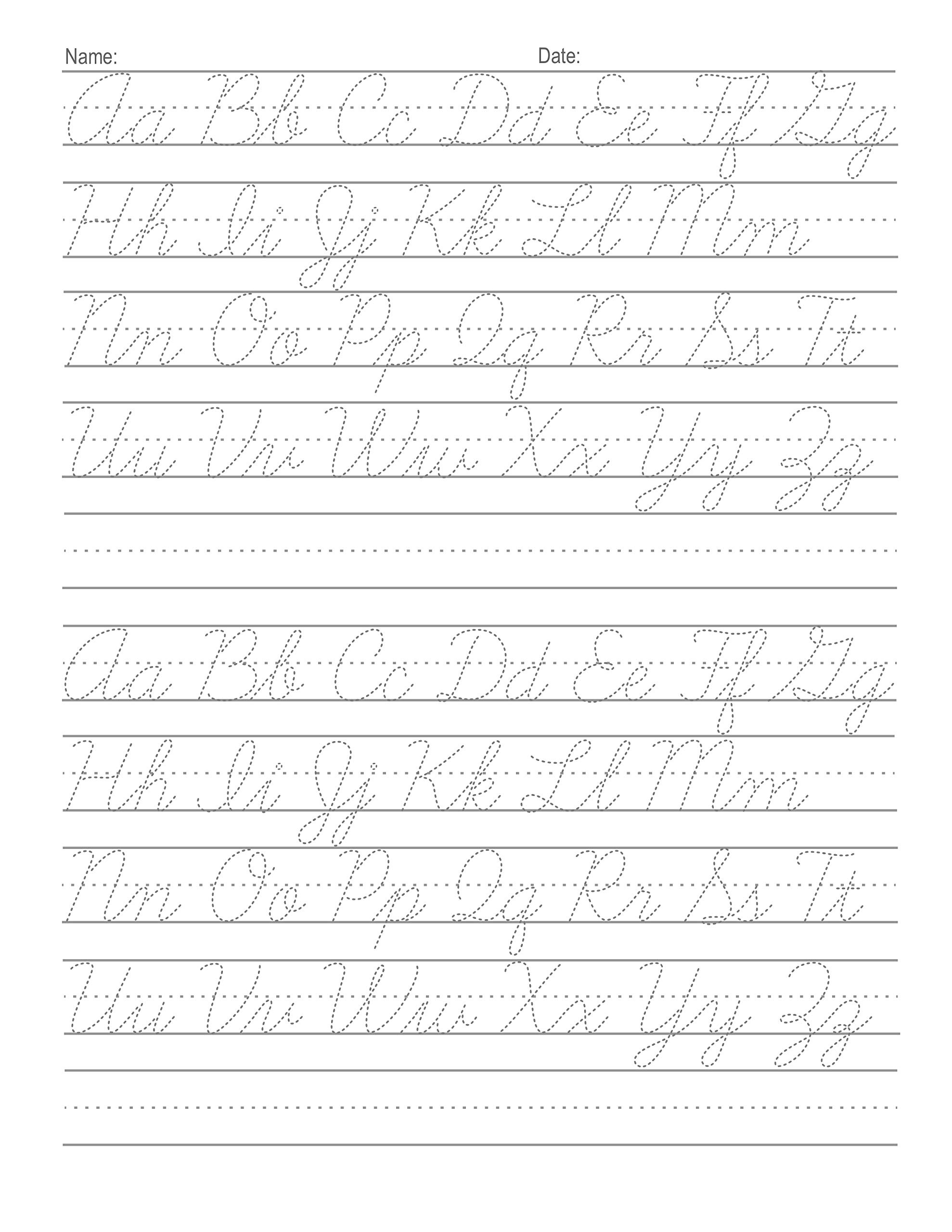
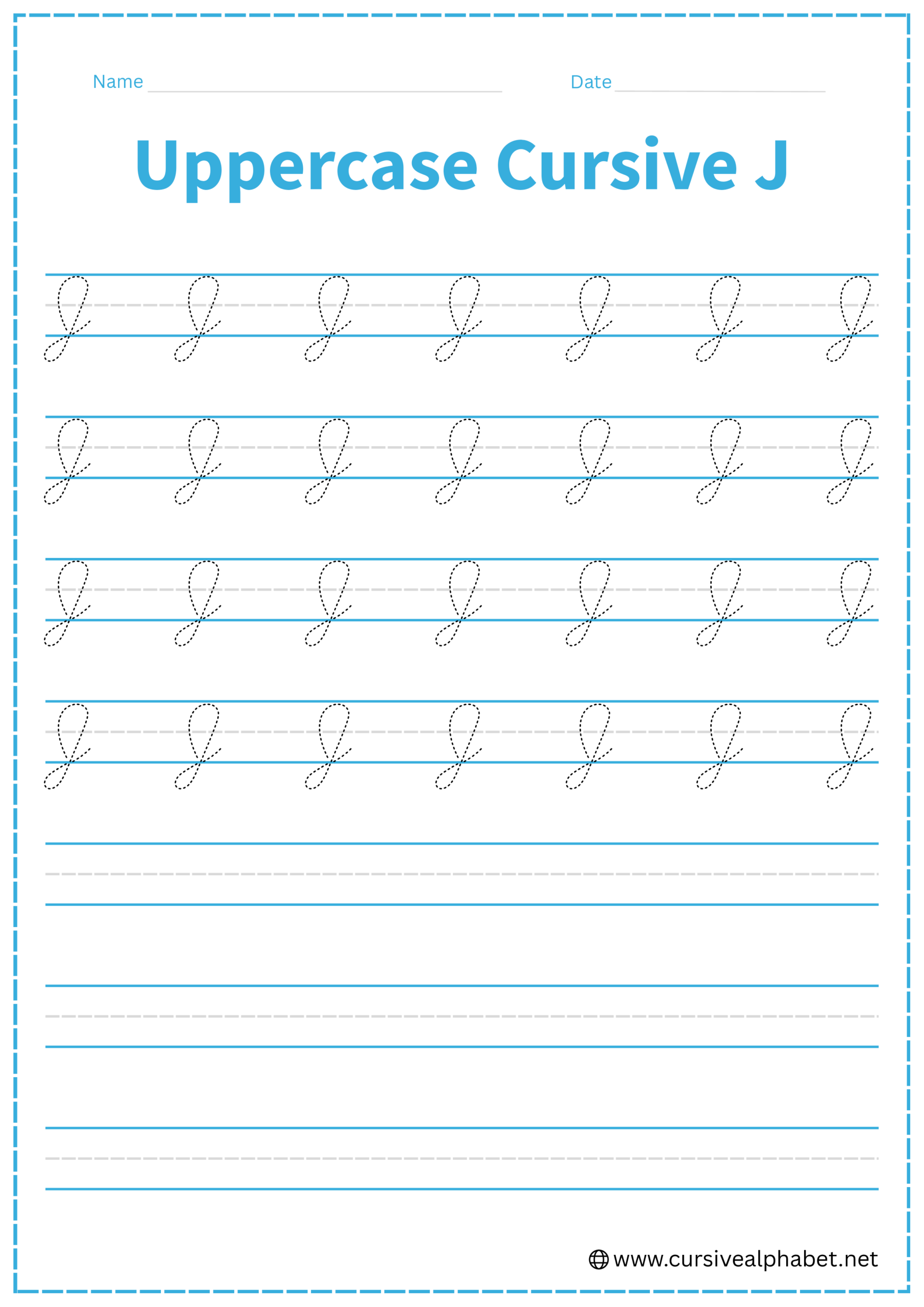
Executing write jeremiah shivers in cursive upercase j and s demands strict adherence to traditional capital letter proportions and baseline entry strokes. The uppercase cursive ‘J’ begins at the top headline, sweeping downward below the baseline into a graceful looping tail that flows seamlessly into the lowercase ‘e’. Conversely, the uppercase cursive ‘S’ initiates at the midline or headline depending on the regional script standard, forming a sharp entry curve that hooks backward before dropping down to connect with the lowercase ‘h’. Fine-motor precision improves when learners utilize tracing worksheets designed to reinforce continuous fluid motion and uniform letter slant.
Key Specifications and Breakdown
| Skill Level / Grade | Target Stroke / Mechanical Focus | Pedagogical / Coaching Cue |
|---|---|---|
| Early Elementary (Grade 2-3) | Uppercase ‘J’ loop depth and baseline crossing | “Start high at the headline, dive deep below the line, and swing up smoothly.” |
| Intermediate (Grade 3-4) | Uppercase ‘S’ entry hook and connector angle | “Curve backward to the top, slice down sharply, and kick out flat to connect.” |
| Advanced Fluency (Grade 4+) | Multi-word spacing and rhythmic proper noun flow | “Keep the hand moving steadily across Jeremiah Shivers without lifting the pen.” |
Proper biomechanical alignment and consistent stroke sequencing are foundational to preventing hand fatigue and developing legible cursive handwriting. — American Occupational Therapy Association (AOTA)
Step-by-Step Practical Application and Guidelines
Mastering write jeremiah shivers in cursive upercase j and s follows a progressive four-step sequence from isolation to full-name integration. First, practice the uppercase ‘J’ by drawing descending loops that maintain a consistent forty-five-degree slant. Second, drill the uppercase ‘S’ independently, focusing on the sharp top apex and the curved exit stroke that links directly to the lowercase ‘e’. Third, combine these capital formations with lowercase letter clusters found on standard letter writing worksheets. Finally, practice writing the complete name ‘Jeremiah Shivers’ on lined paper, ensuring uniform letter height, consistent spacing between words, and smooth connector lines.
Common Challenges and How to Avoid Them
Overcoming common errors when learning write jeremiah shivers in cursive upercase j and s involves correcting improper loop sizing, excessive pen lifts, and incorrect slant angles. A frequent mistake involves closing the uppercase ‘J’ too early or failing to extend the descending loop below the baseline, which distorts vertical alignment. Similarly, learners often misform the uppercase ‘S’ by treating it like a printed capital letter rather than utilizing the continuous cursive entry hook. Utilizing targeted preschool worksheets and foundational coloring worksheets during early childhood helps build the spatial awareness required to prevent these mechanical errors.
💬 Frequently Asked Questions
Explore More Free Handwriting and Character Worksheets
Educators and parents seeking additional instructional materials can access a comprehensive library of resources designed to support early orthography and fine-motor development. Explore the full collection of educational tools available directly at CharacterWritingWorksheets.com to find targeted practice sheets for every stage of handwriting mastery.
Visual Reference Gallery