Introduction
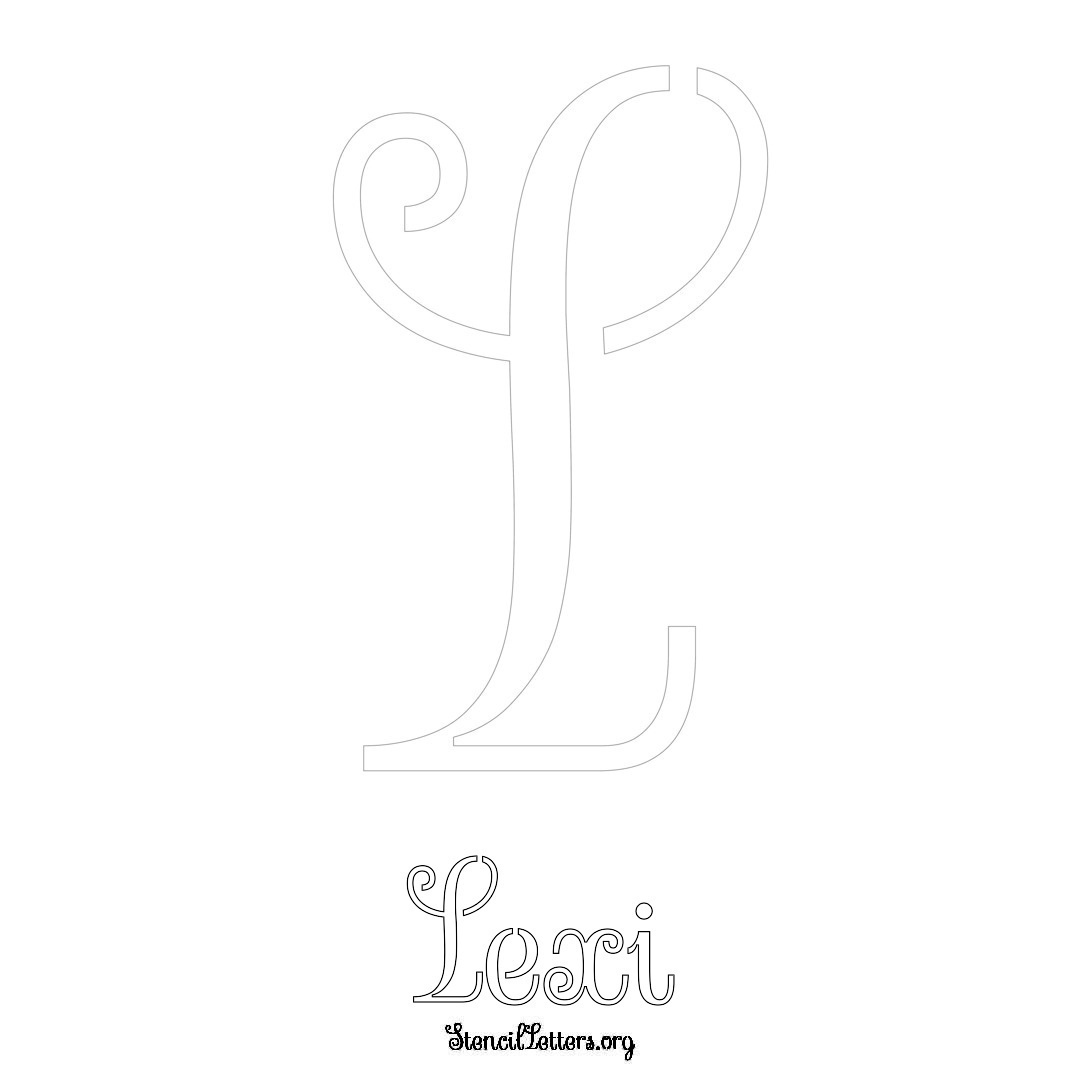
Guiding young children through the transition from printed letters to flowing script requires patience, precision, and the right tools. When children encounter specialized practice pages, such as the free printable worksheet “lexi with cursive writing,” a bridge forms between basic print mechanics and advanced orthographic flow. Educators often notice a tense gripping pattern when children first attempt connected lines. Hand muscles tire quickly, and frustration mounts rapidly without proper guidance. Effective instruction addresses these physical hurdles by combining targeted stroke sequences with familiar linguistic content, turning a challenging motor task into an engaging exercise in fluidity.
💡 Educational Key Takeaways:
- Core Skill: Structured Lexi With Cursive Writing focused on developing pencil grip, stroke control, and early literacy/math confidence.
- Target Scope: Suited for homeschoolers, preschool, kindergarten, and elementary learners.
- Best Recommendation: Practice 10–15 minutes daily with ergonomic writing tools to reinforce muscle memory without hand fatigue.
What This Worksheet Covers
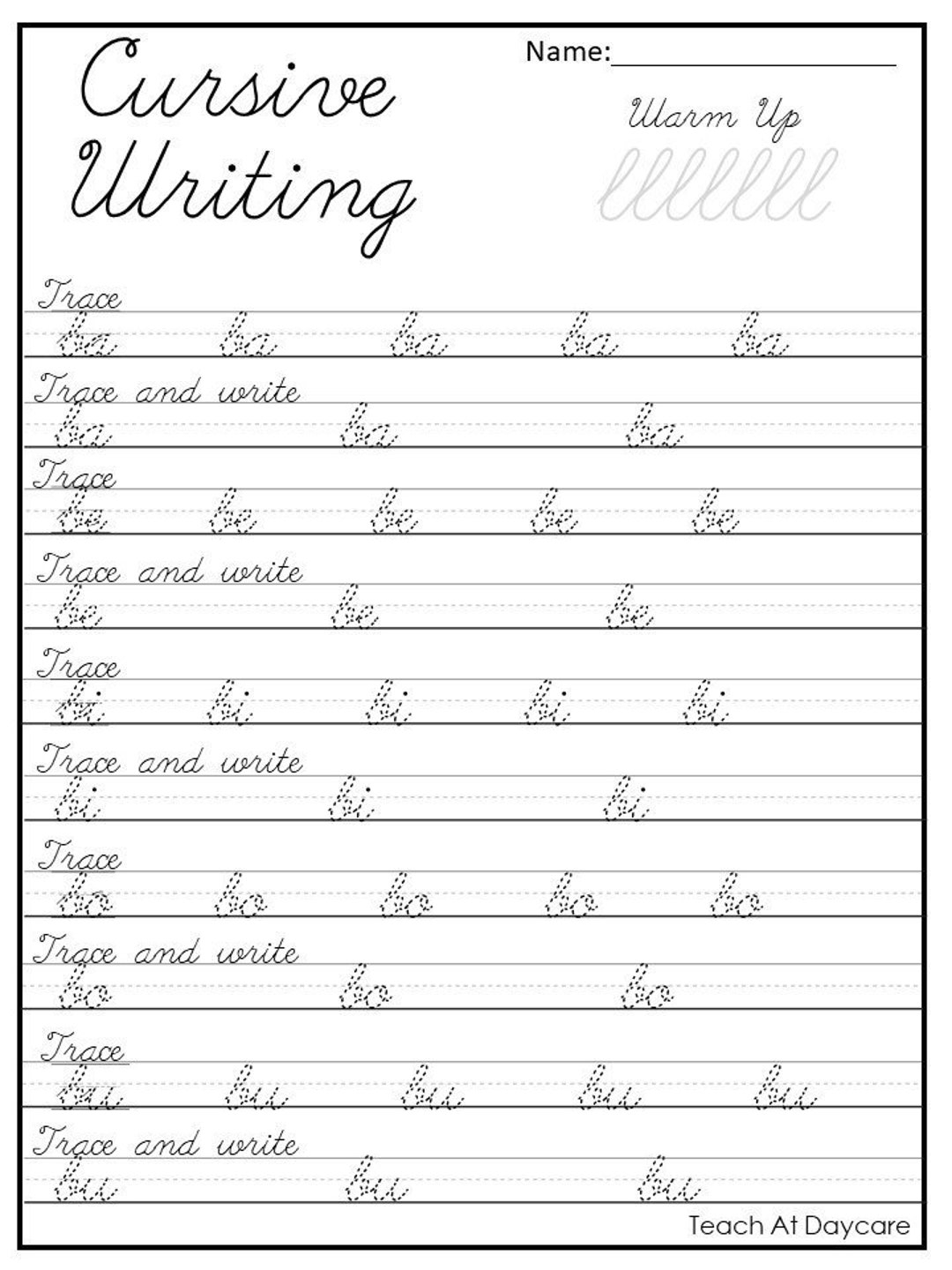
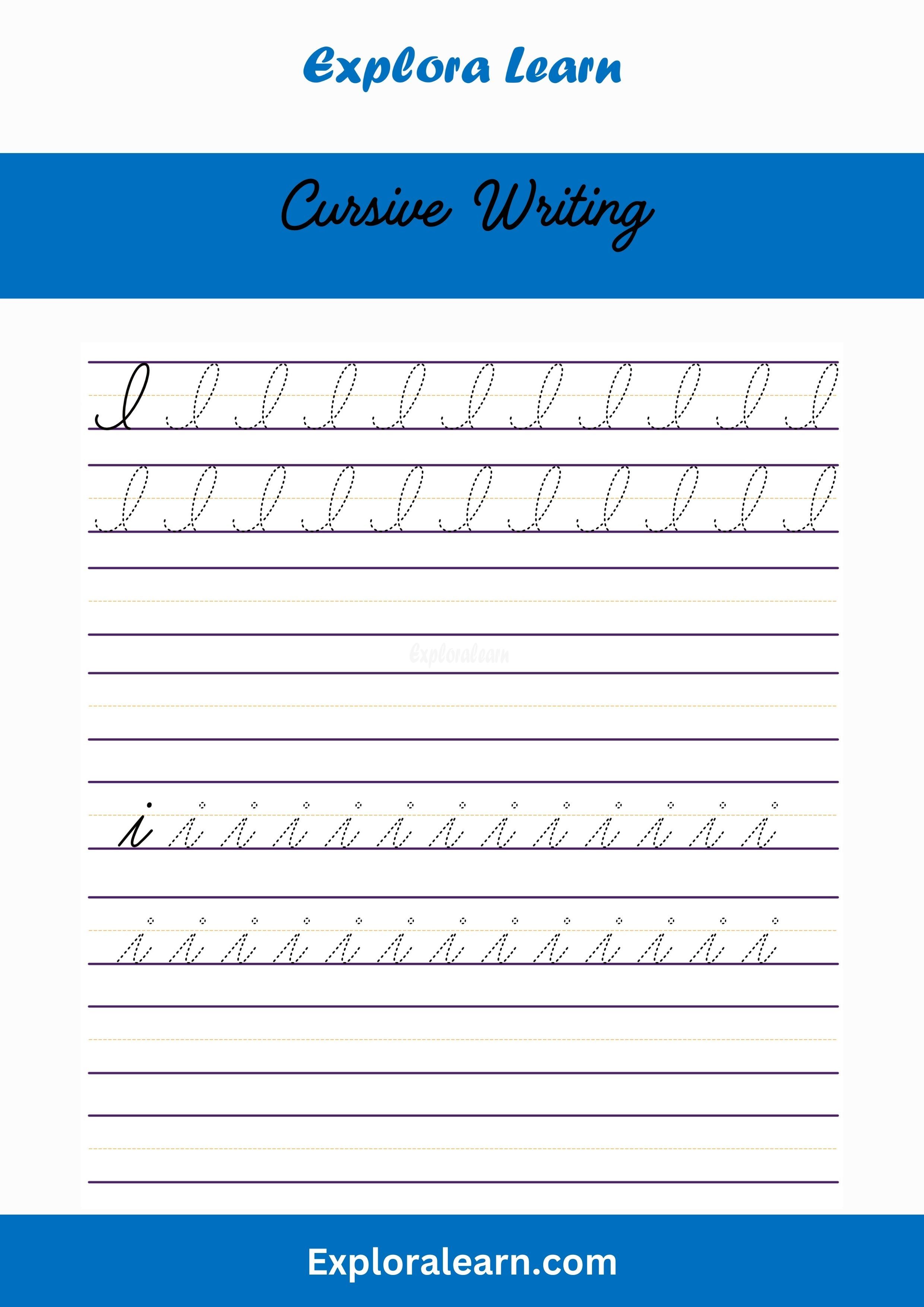
Mastering connected script demands a high level of bilateral coordination and visual-motor integration. This particular resource targets exact letter formation, continuous stroke order, and appropriate spatial orientation between words. Children move beyond static block letters to understand how individual graphemes link together seamlessly. According to the American Occupational Therapy Association, foundational fine motor tasks support the neural pathways necessary for complex academic output. Within early learning environments, children frequently struggle with slant consistency and proportional sizing. Structured tracing paths provide the exact visual boundaries required to correct these common mechanical errors before bad habits solidify.
Key Learning Outcomes
Consistent engagement with this printable leads to measurable gains in muscle memory and visual tracking. Learners internalize the directional flow of connections, which drastically reduces cognitive load during creative writing assignments. Building proficiency in script also enhances orthographic mapping, reinforcing spelling patterns through kinesthetic feedback. Exploring additional options within Letter Writing Worksheets deepens this foundational knowledge. As hand strength improves, young writers exhibit greater endurance, writing longer passages without experiencing hand cramping or structural fatigue.
How to Use This Worksheet
Implementation requires more than simply handing a pencil to a child and hoping for the best. Adults should first demonstrate the continuous motion in the air, emphasizing the rhythm and fluidity of the script. Initial attempts benefit greatly from using thick crayons or short pencils, which naturally encourage a functional tripod grasp instead of a maladaptive fist grasp. Setting up a comfortable workspace with feet flat on the floor ensures optimal proximal stability for distal fine motor control. Pairing this exercise with broader foundational tasks found across various Preschool Worksheets builds a comprehensive early childhood curriculum.
Practical Tips for Parents and Teachers
Patience remains the primary requirement when introducing connected writing styles to developing hands. Short, frequent practice sessions yield significantly better results than marathon writing blocks. It sounds simple, and that’s the point: five minutes of focused, high-quality tracing outperforms twenty minutes of sloppy completion. Taping the paper to the desk prevents slipping, which is a frequent frustration for children still developing dominant hand stability. Children benefit immensely when adults praise specific improvements, such as a smooth exit stroke or correct proportional height, rather than offering vague compliments.
Age-Appropriate Recommendations
Introducing cursive elements typically aligns with late second grade or early third grade, once print handwriting achieves automaticity, matching the foundational guidelines outlined by Handwriting Without Tears. Children younger than seven often lack the intrinsic hand strength and visual-motor maturity required for complex looping and slanting. Pushing advanced script too early can lead to excessive tension and avoidance behaviors. For younger learners building basic pencil control, utilizing resources housed in Tracing Worksheets serves as an ideal preparatory step before tackling fully connected letterforms.
Fine motor competence in early elementary years directly correlates with academic success and literacy development across grade levels — National Center for Learning Disabilities
Frequently Asked Questions
Navigating early writing instruction raises common queries regarding readiness, formatting, and printing protocols. The answers below address the most frequent inquiries from adults guiding young learners.
Explore More Free Printable Worksheets
Expanding a child’s writing toolkit requires access to a diverse array of practice materials tailored to specific developmental milestones. Beyond script practice, children thrive when engaging with Name Practice Worksheets to solidify personal identification and letter sequencing. Educators and caregivers can also incorporate Coloring Worksheets to build foundational hand strength and grip endurance in younger siblings. Exploring the full collection of Worksheets ensures a balanced approach to early childhood education.
Developmental Milestone & Activity Table
| Development Stage | Recommended Daily Duration | Primary Learning Objective |
|---|---|---|
| Preschool & Pre-K | 10 – 15 Minutes | Pencil grip development & basic pre-stroke lines |
| Kindergarten | 15 – 20 Minutes | Letter/number formation & spatial line awareness |
| Early Elementary (Grade 1–2) | 20 – 30 Minutes | Fluency, sentence construction & neatness |
Images References