Introduction
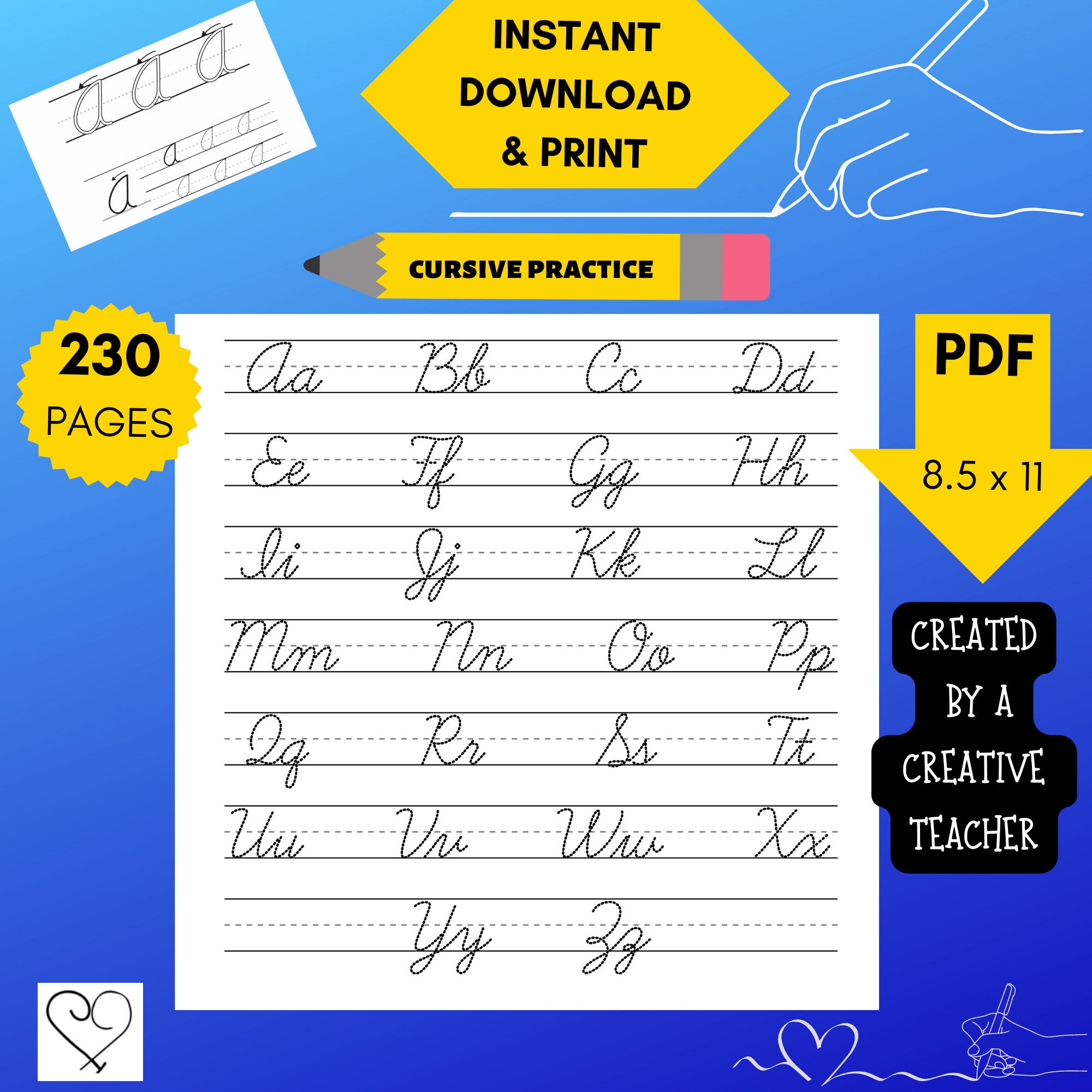
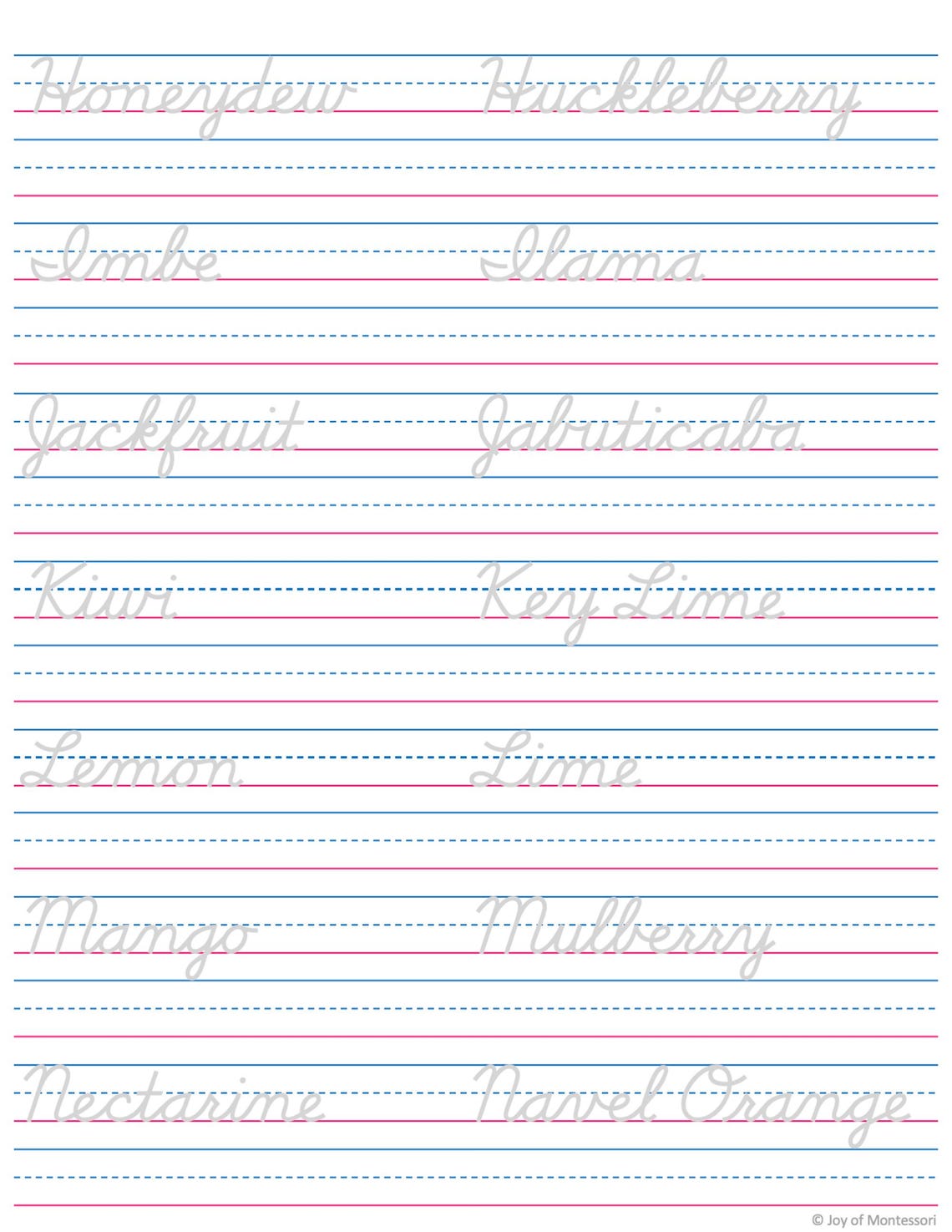
Learning to write in linked cursive presents an exciting developmental milestone for young learners transitioning from manuscript lettering. Introducing floral motifs into handwriting practice transforms repetitive drills into an engaging exercise that builds fluid hand movements. The free printable worksheet “daisy cursive” bridges the gap between artistic expression and structural penmanship, offering children a visually appealing way to master continuous lines. Developing the rhythmic flow required for cursive relies heavily on consistent pencil control and spatial awareness. Practitioners often notice that children grip pencils with excessive tension when faced with traditional, rigid writing drills, yet soften their grip naturally when working with nature-inspired curved designs. This instructional resource utilizes familiar flower petals to guide the hand through looping strokes, establishing muscle memory without inducing frustration.
💡 Educational Key Takeaways:
- Core Skill: Structured Daisy Cursive focused on developing pencil grip, stroke control, and early literacy/math confidence.
- Target Scope: Suited for homeschoolers, preschool, kindergarten, and elementary learners.
- Best Recommendation: Practice 10–15 minutes daily with ergonomic writing tools to reinforce muscle memory without hand fatigue.
What This Worksheet Covers
The layout of this specific print material focuses on continuous fluid motion, guiding developing hands through looping petals and stems that mimic foundational cursive connections. Mastery of letter formation, stroke order, and proportional spacing begins long before children write full sentences on lined paper. Navigating the delicate curves of a floral design requires targeted hand-eye coordination and precise finger isolation. Children must regulate their downward pressure to keep lines smooth, directly addressing common obstacles seen in early writing classrooms. According to the American Occupational Therapy Association, foundational fine motor tasks like controlled tracing and drawing curved lines directly support the neural pathways necessary for fluent handwriting and academic endurance.
Key Learning Outcomes
Students engaging with these floral practice sheets refine their bilateral coordination, stabilizing the paper with one hand while the dominant hand executes precise pencil strokes. Fluid transitions between letters become second nature as children trace the looping contours of the floral artwork. Spatial planning improves significantly because learners must judge the boundaries of the page and adjust their hand placement accordingly. Building this foundational dexterity ensures that children can transition smoothly to broader writing tasks found across comprehensive Worksheets designed for early childhood development.
How to Use This Worksheet
Setting the stage for successful handwriting practice involves creating an ergonomic workspace with child-sized seating and appropriate lighting. Begin the session by encouraging children to trace the outer contours of the daisy with a finger before introducing a writing utensil, allowing kinesthetic mapping of the curves. It sounds simple, and that’s the point. This tactile preparation primes the neurological system for the upcoming pencil work. Educators can pair these exercises with specialized Tracing Worksheets to reinforce pre-writing lines and pencil accuracy. Adults should monitor hand positioning closely, ensuring a functional grasp that prevents early hand fatigue.
Practical Tips for Parents and Teachers
Short, frequent practice intervals yield far better results than lengthy, exhausting drill sessions. Introducing vibrant coloring tools or flexible writing instruments can also renew interest if a child shows signs of distraction. Here’s what makes this worksheet different: it integrates decorative elements that naturally encourage varying line thickness, helping children modulate the pressure they apply to the page. Adults should offer positive reinforcement focused on effort and smooth execution rather than absolute perfection. Integrating these sheets alongside targeted Letter Writing Worksheets creates a well-rounded approach to early literacy and fine motor refinement.
Age-Appropriate Recommendations
Children aged five to eight typically possess the foundational hand strength and visual-perceptual skills needed to tackle cursive loops and floral connections. According to the National Association for the Education of Young Children, developmentally appropriate practice emphasizes open-ended exploration and skill-building activities that match a child’s current motor capabilities rather than forcing rigid academic standards prematurely. Educators should assess individual readiness, noting whether the child demonstrates established hand dominance and adequate stability in the intrinsic muscles of the hand before introducing complex cursive loops.
Foundational fine motor tasks like controlled tracing and drawing curved lines directly support the neural pathways necessary for fluent handwriting and academic endurance. — American Occupational Therapy Association
Frequently Asked Questions
How do adults access and print this educational material? The file downloads instantly as a standard PDF format, making it easy to print multiple copies at home or in a classroom setting using standard printer paper.
How does this activity support fine motor development? The intricate floral patterns require precise finger movements and sustained pressure control, which strengthen the intrinsic hand muscles vital for legible, fatigue-free writing.
What age group benefits most from this practice? According to the National Association for the Education of Young Children, children in the early elementary grades benefit most when activities align with their emerging motor skills and cognitive readiness.
Explore More Free Printable Worksheets
Expanding a child’s learning repertoire requires access to a diverse library of skill-building materials. Educators and caregivers can discover additional resources tailored to early childhood development by browsing through targeted categories like Preschool Worksheets. Continuing this developmental journey with engaging, themed practice pages ensures that young learners maintain enthusiasm for writing as they grow.
Developmental Milestone & Activity Table
| Development Stage | Recommended Daily Duration | Primary Learning Objective |
|---|---|---|
| Preschool & Pre-K | 10 – 15 Minutes | Pencil grip development & basic pre-stroke lines |
| Kindergarten | 15 – 20 Minutes | Letter/number formation & spatial line awareness |
| Early Elementary (Grade 1–2) | 20 – 30 Minutes | Fluency, sentence construction & neatness |
Images References