Introduction
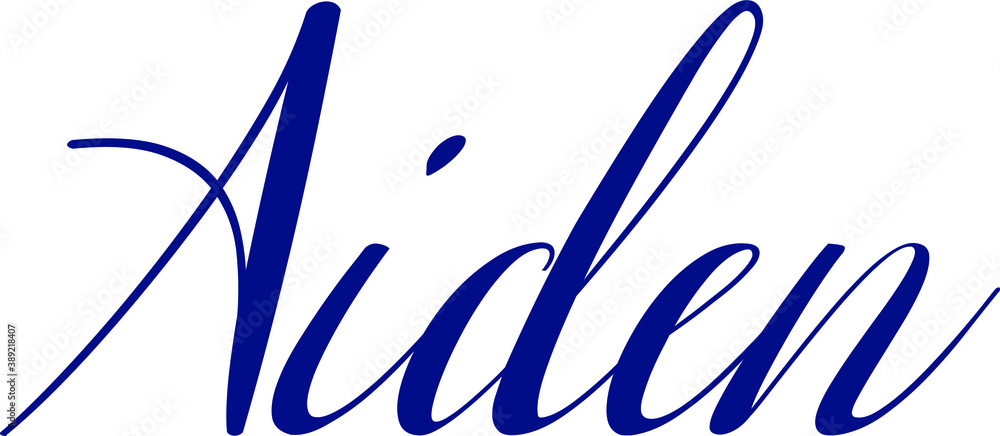
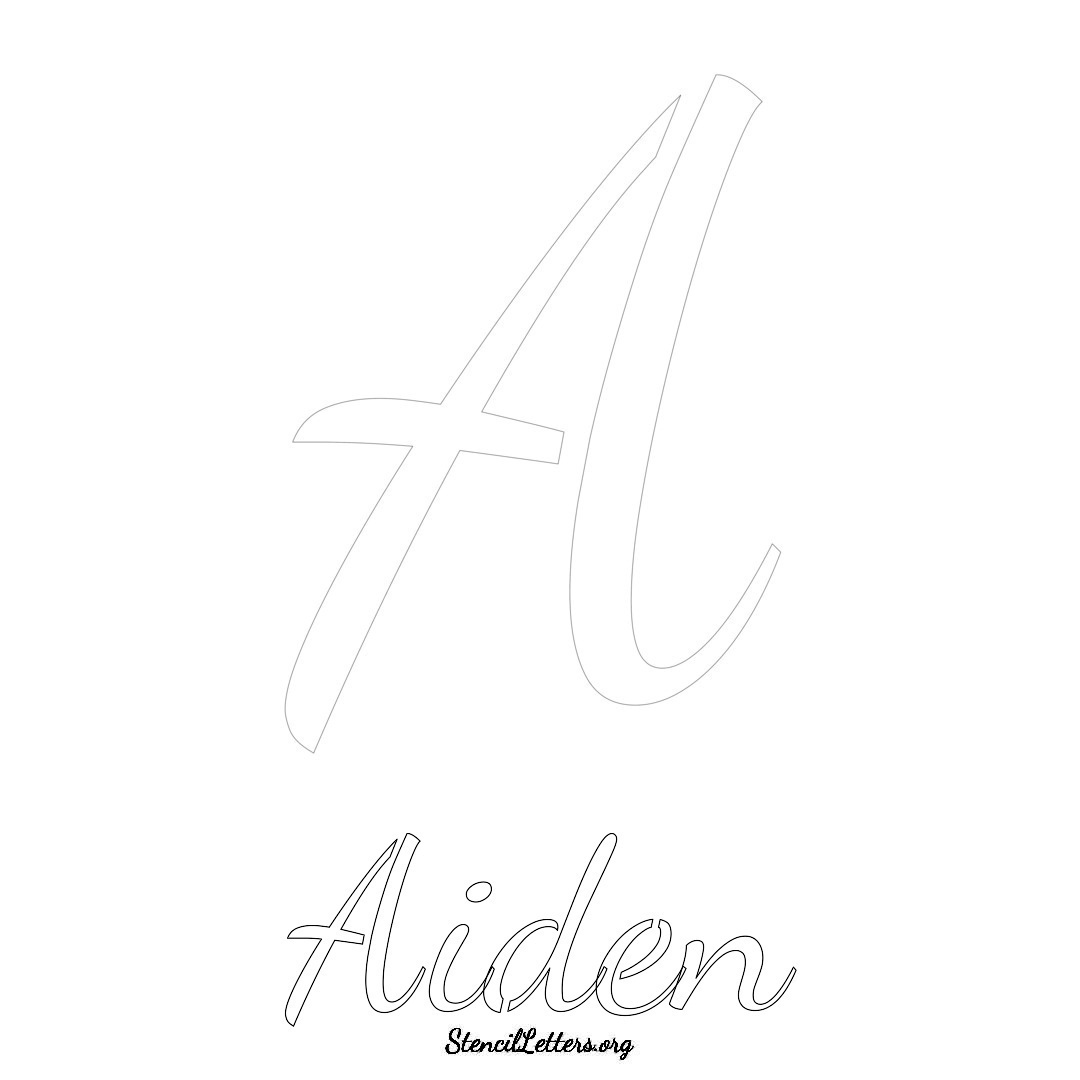
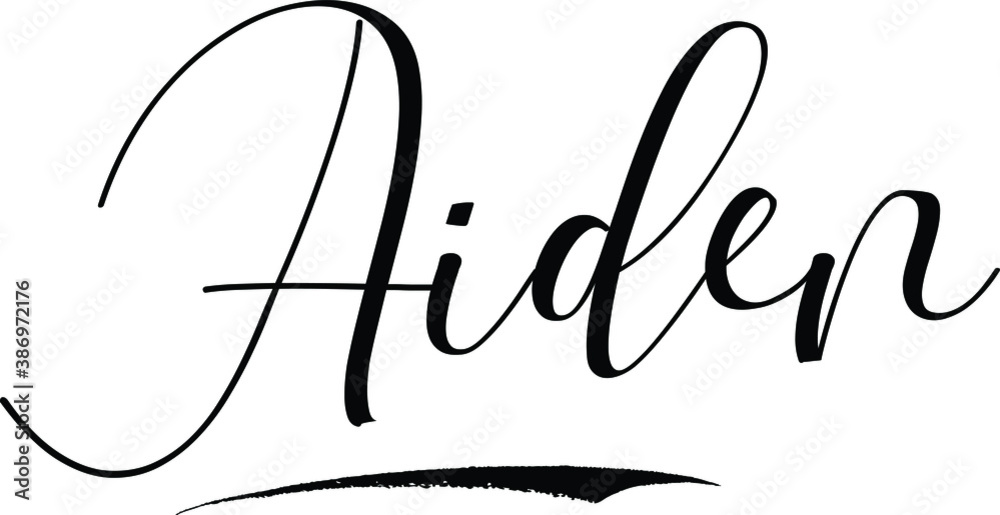
Guiding a child through the early stages of handwriting requires patience, the right tools, and an understanding of physical development. When young learners begin connecting letters into flowing script, traditional print suddenly gives way to a continuous, rhythmic motion. The free printable worksheet “cursive aiden” targets this exact developmental milestone by providing structured practice for a specific, highly personal word. Children connect deeply with writing their own names or the names of peers, transforming a routine pencil drill into a meaningful exercise. Occupational therapists often observe that children who struggle with abstract looping patterns suddenly find their rhythm when tracing a familiar, meaningful name. Building confidence with personalized vocabulary lays a robust foundation for lifelong writing fluency, moving far beyond rote memorization into true motor planning.
💡 Educational Key Takeaways:
- Core Skill: Structured Cursive Aiden focused on developing pencil grip, stroke control, and early literacy/math confidence.
- Target Scope: Suited for homeschoolers, preschool, kindergarten, and elementary learners.
- Best Recommendation: Practice 10–15 minutes daily with ergonomic writing tools to reinforce muscle memory without hand fatigue.
What This Worksheet Covers
This targeted resource focuses heavily on name recognition, letter sequencing, and foundational writing confidence. Cursive writing demands continuous fluid motion, requiring the hand to maintain consistent pressure and directional control without lifting the writing utensil between strokes. According to the American Occupational Therapy Association, mastering foundational handwriting skills involves visual-motor integration, motor planning, and tactile feedback, all of which are engaged when a child carefully navigates connected script. The layout guides the hand through specific fluid transitions, such as moving smoothly from the initial rounded lowercase formation into the sharp ascending and descending loops characteristic of fluent cursive script. Educators exploring this resource often pair it with Name Practice Worksheets to reinforce spatial awareness and letter proportionality.
Key Learning Outcomes
Working through this page strengthens specific neural pathways responsible for bilateral coordination and fine motor precision. Children learn to gauge proportional spacing between the initial capital letter and the subsequent lowercase connectors. It sounds simple, and that’s the point. Repetitive, low-stress tracing helps automate the physical motion, freeing up cognitive space for higher-order composition tasks later on. Furthermore, mastering name-writing in script fosters a strong sense of personal identity and ownership over academic work. For broader skill development across early childhood domains, many classrooms incorporate standard Preschool Worksheets alongside specialized handwriting drills.
How to Use This Worksheet
Successful implementation begins with posture and proper pencil grasp. Ensure the child sits with feet flat on the floor and hips at a ninety-degree angle, providing a stable core from which the hand and arm can move freely. Begin by having the child trace the faded script using a finger to map out the physical trajectory before introducing a writing tool. Transitioning to a short, unsharpened colored pencil or a specialized grip helps encourage an optimal tripod grasp without inducing hand fatigue. Educators frequently integrate these pages into morning centers or quiet transition blocks, ensuring children never feel rushed through the stroke sequences. Additional variations and foundational strokes can be found across various Worksheets designed for early developmental stages.
Practical Tips for Parents and Teachers
Here’s what makes this worksheet different: it emphasizes fluid pacing over rigid perfection. If a child’s hand begins to cramp or frustration mounts, pause the session immediately and introduce light hand stretches or wall push-ups to wake up the upper body proprioceptive system. Using highlighters to trace the initial baseline or providing tactile boundaries can also assist learners who struggle with spatial containment. Positive reinforcement should focus on the effort put into smooth transitions rather than the neatness of the final product. Celebrating small breakthroughs keeps motivation high and prevents the anxiety often associated with early writing instruction.
Age-Appropriate Recommendations
Introducing cursive script typically aligns with late kindergarten or second-grade milestones, depending on the individual child’s readiness and fine motor endurance. According to the National Association for the Education of Young Children guidelines on developmentally appropriate practice, educators must match instructional expectations to the child’s physical and cognitive capacities rather than adhering strictly to chronological age norms. Children should demonstrate reliable control over print letters and steady pencil pressure before tackling the complex diagonal connections found in cursive. When developmental readiness aligns with engaging, personalized materials like this one, handwriting transitions from a frustrating chore into an enjoyable, rewarding creative outlet.
Mastering foundational handwriting involves visual-motor integration, motor planning, and tactile feedback — American Occupational Therapy Association
Frequently Asked Questions
Clear answers to common questions help parents and educators maximize the benefits of this handwriting resource, ensuring smooth preparation and execution at home or in the classroom.
Explore More Free Printable Worksheets
Expanding a child’s fine motor toolkit requires access to a diverse array of targeted practice materials. Beyond personalized script templates, educators and parents can explore Letter Writing Worksheets to build individual alphabet mastery or utilize Tracing Worksheets to refine early pencil control and line accuracy.
Developmental Milestone & Activity Table
| Development Stage | Recommended Daily Duration | Primary Learning Objective |
|---|---|---|
| Preschool & Pre-K | 10 – 15 Minutes | Pencil grip development & basic pre-stroke lines |
| Kindergarten | 15 – 20 Minutes | Letter/number formation & spatial line awareness |
| Early Elementary (Grade 1–2) | 20 – 30 Minutes | Fluency, sentence construction & neatness |
Images References