Introduction
Introducing foundational social concepts to young children often begins with exploring the immediate environment, particularly the concept of family. The sociological family institution worksheet provides a structured approach for young learners to examine familial roles, relationships, and structures. Translating abstract sociological ideas into tangible classroom activities requires careful scaffolding. Educators frequently notice that children grasp complex community frameworks much faster when they connect those ideas to their own lived experiences. Integrating early writing tasks with social studies broadens traditional curricula.
💡 Educational Key Takeaways:
- Core Skill: Structured Sociological Family Institution Worksheet focused on developing pencil grip, stroke control, and early literacy/math confidence.
- Target Scope: Suited for homeschoolers, preschool, kindergarten, and elementary learners.
- Best Recommendation: Practice 10–15 minutes daily with ergonomic writing tools to reinforce muscle memory without hand fatigue.
What This Worksheet Covers
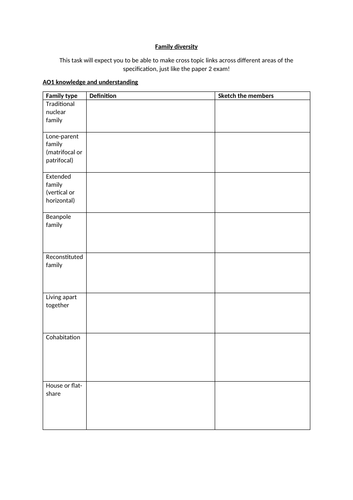
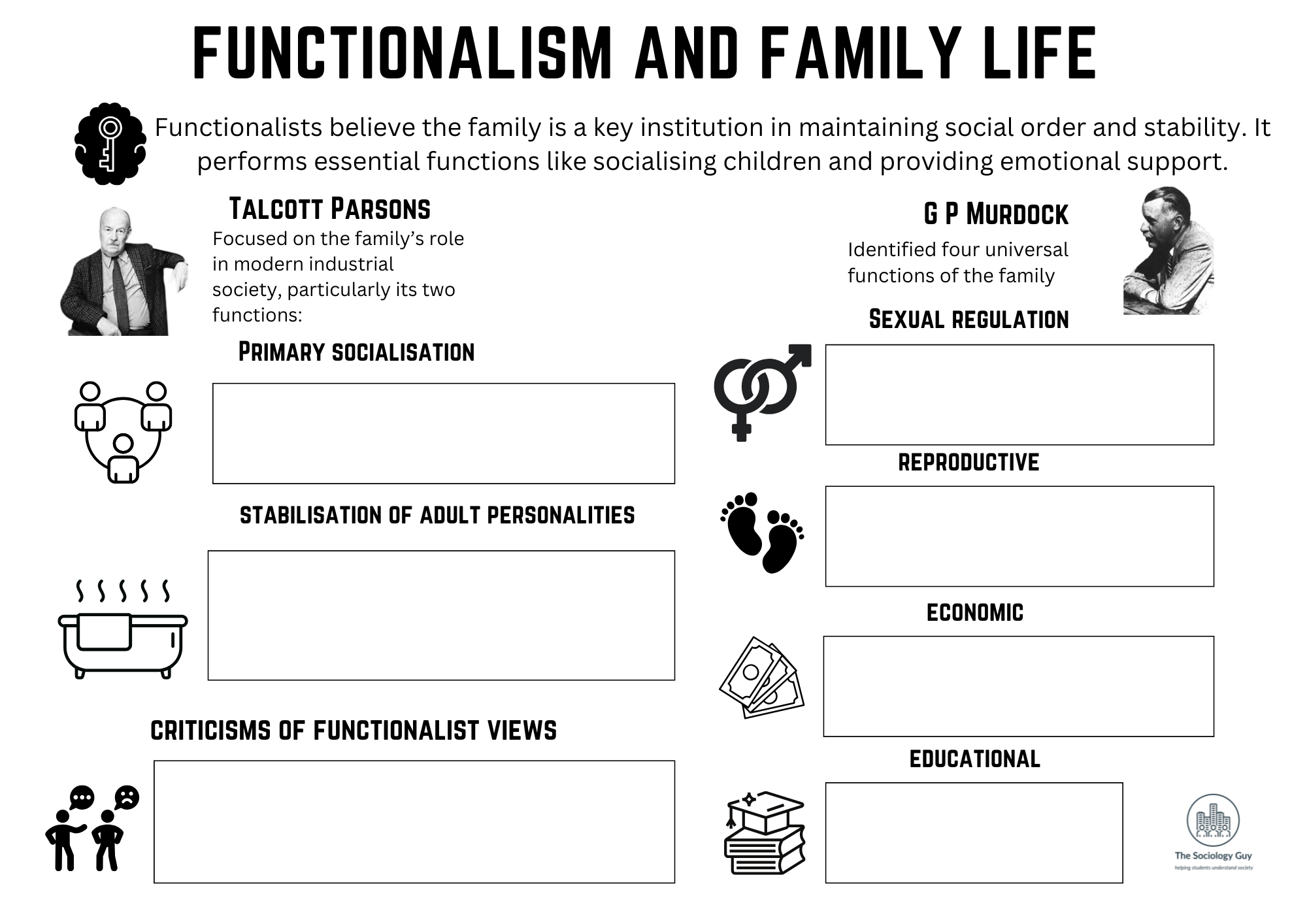
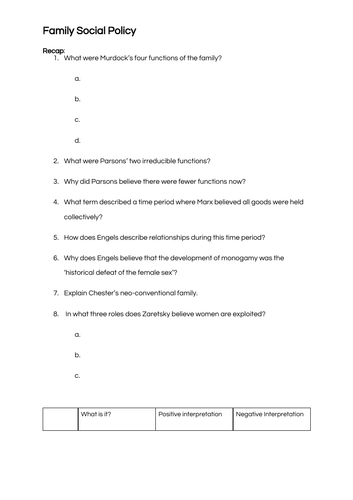
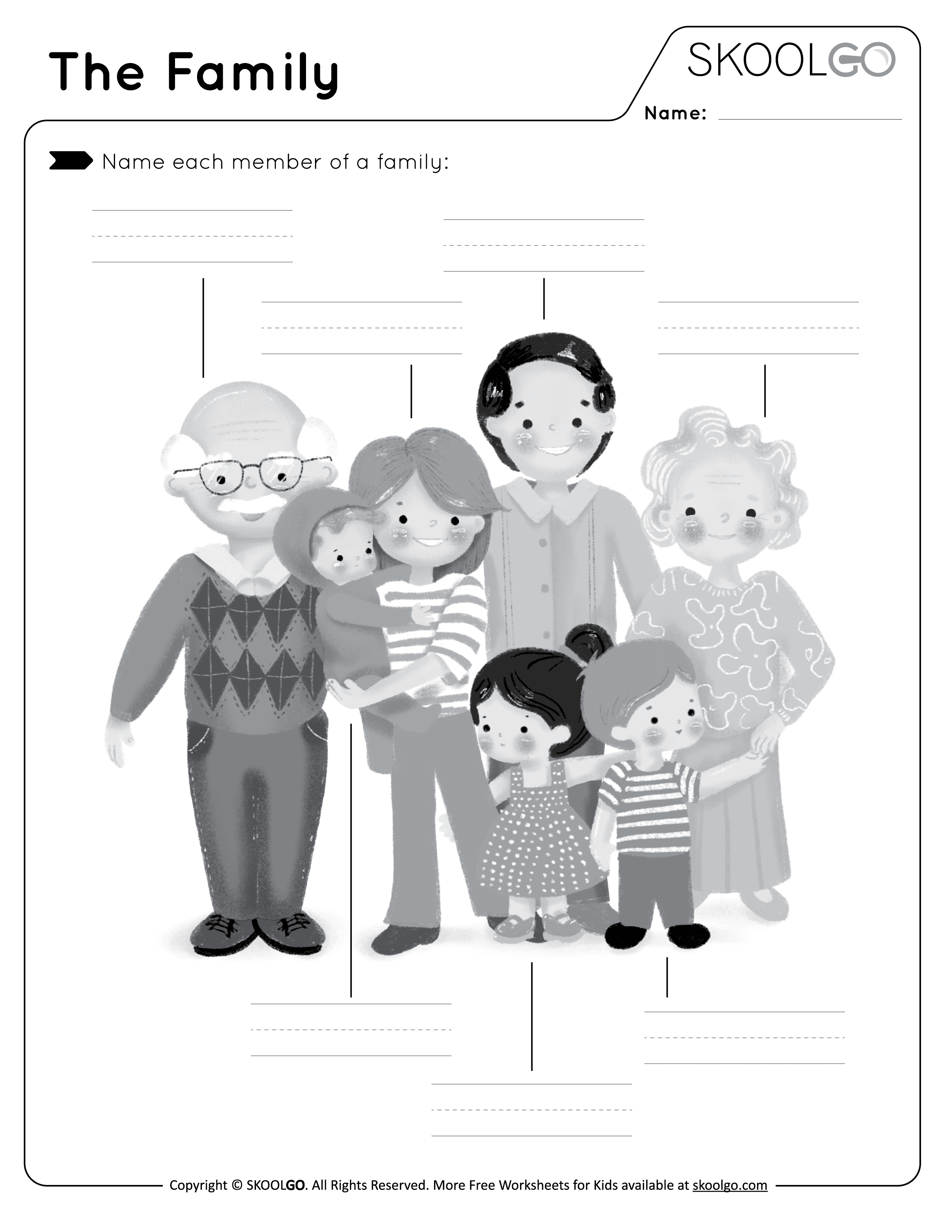
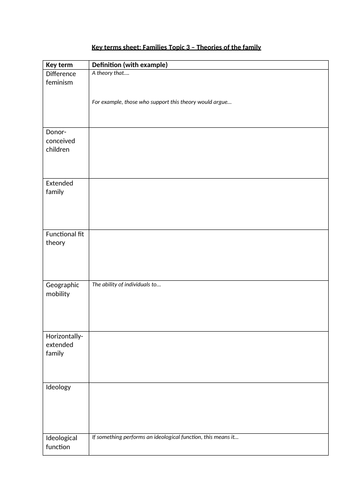
This resource guides children through identifying different family units, understanding household roles, and recognizing how families function within a broader community. Through targeted graphic organizers and vocabulary matching, learners examine the various structures that make up modern society. It sounds simple, and that’s the point. Breaking down sociology into visual components allows early learners to process relationships without feeling overwhelmed by heavy textbook definitions. The activities complement broader lessons found across general worksheets designed for early elementary classrooms.
Key Learning Outcomes
Children who engage with this material strengthen their critical thinking and social-emotional awareness simultaneously. Recognizing diverse family dynamics fosters empathy and inclusivity among peers. Furthermore, completing the accompanying writing prompts builds foundational literacy skills, aligning seamlessly with broader objectives typically addressed through Preschool Worksheets. Young students learn to articulate thoughts regarding community structures, household cooperation, and individual responsibilities within a shared living space.
How to Use This Worksheet
Implementation works best when adults facilitate a brief introductory discussion about households before handing out the printed pages. Asking open-ended questions about who lives in a home helps activate prior knowledge and primes the brain for targeted learning. Children benefit from verbalizing their thoughts before putting pencil to paper. Here’s what makes this worksheet different: it bridges sociological inquiry with essential pencil control practice, ensuring cognitive and physical domains develop in tandem.
Practical Tips for Parents and Teachers
Creating a supportive environment involves monitoring hand posture and ensuring proper seating ergonomics during writing portions. According to the American Occupational Therapy Association, maintaining stable core posture and appropriate grasp patterns significantly reduces hand fatigue during extended writing tasks. Adults should encourage children to describe their drawings or written answers aloud, bridging oral language skills with written expression. Pairing these printables with engaging artistic elements can also be supported by utilizing dedicated Coloring Worksheets to build hand strength beforehand.
Age-Appropriate Recommendations
According to the National Association for the Education of Young Children Developmentally Appropriate Practice guidelines, materials for children ages four through seven should connect directly to their immediate social spheres. Younger learners may need adult assistance to read prompts or dictate their answers, while older children can complete the sociological family institution worksheet independently. Educators can adapt the expectations depending on fine motor capabilities, occasionally substituting complex sentence writing with simpler labeling tasks to maintain engagement and prevent frustration.
Children thrive academically when early social studies concepts are paired with active motor skill development and guided peer discussions. — NAEYC Developmentally Appropriate Practice Guidelines
Frequently Asked Questions
Accessing and utilizing these learning materials is straightforward for educators and families alike. Downloading the file requires clicking the primary download link on the resource page, saving the PDF to a local device, and printing it on standard letter-sized paper. This specific resource supports fine motor and early writing development by incorporating structured writing lines and vocabulary tracing elements directly alongside sociological concepts. According to the National Association for the Education of Young Children, integrating writing into social studies helps reinforce cognitive connections and builds essential early literacy habits.
Explore More Free Printable Worksheets
Expanding a child’s learning journey involves integrating various subjects and skill sets throughout the week. Discover additional resources tailored to specific developmental milestones by browsing specialized collections like Tracing Worksheets for foundational pencil control. Consistent practice across multiple academic domains fosters lifelong learning habits and ensures well-rounded developmental progress for every young learner.
Developmental Milestone & Activity Table
| Development Stage | Recommended Daily Duration | Primary Learning Objective |
|---|---|---|
| Preschool & Pre-K | 10 – 15 Minutes | Pencil grip development & basic pre-stroke lines |
| Kindergarten | 15 – 20 Minutes | Letter/number formation & spatial line awareness |
| Early Elementary (Grade 1–2) | 20 – 30 Minutes | Fluency, sentence construction & neatness |
Images References