Introduction
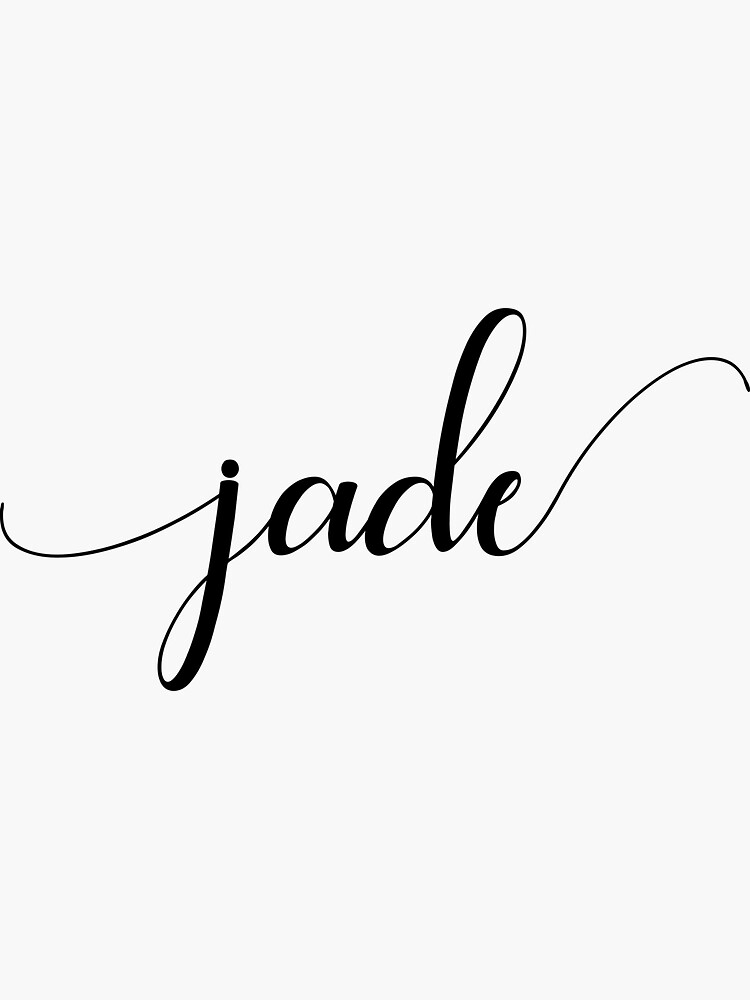
Guiding young children through the transition from print to connected script requires patience, precision, and the right pedagogical tools. When young learners begin exploring fluid letterforms, the physical demands on their developing hand muscles increase significantly. The free printable worksheet “jade is cursive writing with simple flowers” bridges the gap between structured letter practice and engaging artistic elements, creating an inviting pathway for children mastering looped strokes. Classrooms and living rooms often echo with the quiet concentration of children gripping pencils, trying to keep their hands steady as they trace sweeping ascenders and descenders. Integrating decorative motifs like floral accents transforms a potentially frustrating handwriting drill into a calming, visually rewarding exercise that keeps reluctant writers engaged longer.
💡 Educational Key Takeaways:
- Core Skill: Structured Jade Is Cursive Writing With Simple Flowers focused on developing pencil grip, stroke control, and early literacy/math confidence.
- Target Scope: Suited for homeschoolers, preschool, kindergarten, and elementary learners.
- Best Recommendation: Practice 10–15 minutes daily with ergonomic writing tools to reinforce muscle memory without hand fatigue.
What This Worksheet Covers
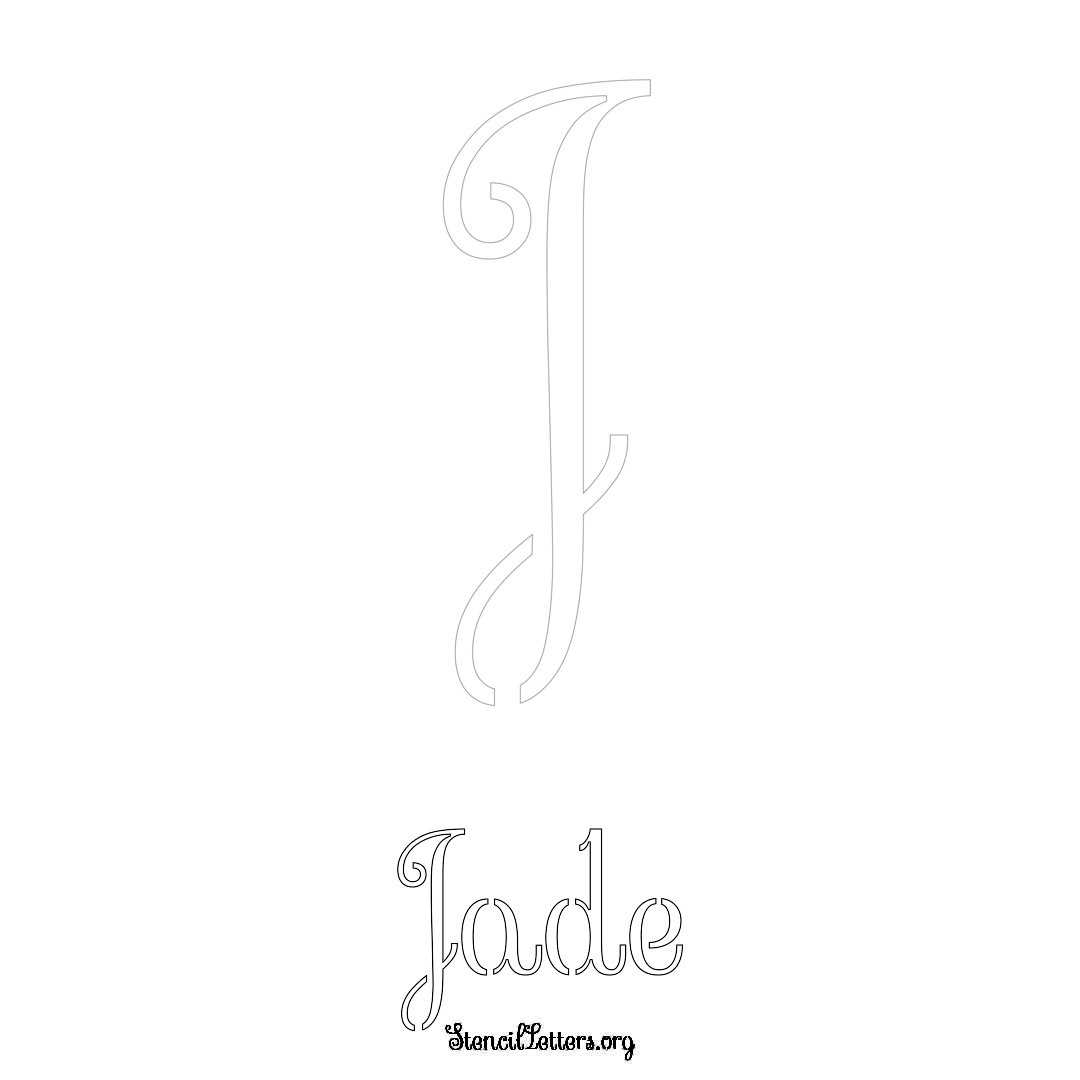
This specialized resource focuses on name recognition, letter sequencing, and confidence, using the specific identifier “Jade” combined with continuous cursive lines and botanical details. Children practice fluid hand movements, transitioning from isolated printed letters to the connected pathways required for fluent handwriting. According to the American Occupational Therapy Association, mastering proximal stability and distal mobility is essential before children can execute the flowing, continuous strokes demanded by cursive script. Alongside these core writing objectives, the embedded floral illustrations invite gentle coloring, which reinforces fine motor control and bilateral hand coordination. Exploring these foundational exercises aligns closely with goals found in Name Practice Worksheets, where personal connection drives literacy engagement.
Key Learning Outcomes
Working through this printable yields measurable progress in several developmental domains simultaneously. Children enhance spatial awareness by navigating the boundaries of the writing lines while maintaining appropriate slant and letter proportions. Furthermore, the act of tracing the curved petals surrounding the text exercises the small intrinsic muscles of the hand, improving the pincer grasp necessary for sustained writing stamina. Educators frequently observe that when children personalize a name or connect with a visual theme, their intrinsic motivation to maintain proper pencil grip skyrockets. This targeted engagement supports broader goals often explored within Letter Writing Worksheets, helping learners internalize directional habits early.
How to Use This Worksheet
Successful implementation begins with setting up an ergonomic workspace where the child’s feet rest flat on the floor and hips form a ninety-degree angle. Adults should invite learners to trace the name “Jade” using a finger first, activating muscle memory before the pencil touches the paper. It sounds simple, and that’s the point: kinesthetic rehearsal reduces cognitive load when the writing utensil is finally introduced. Once the tracing phase is complete, children can transition to the coloring elements, using short-shafted crayons or colored pencils to further strengthen hand arches.
Practical Tips for Parents and Teachers
Observing a child’s grip pressure provides immediate feedback on whether the writing tool is too heavy or the paper angle needs adjustment. Encouraging breaks during the floral coloring section prevents hand fatigue and maintains a positive attitude toward writing tasks. Here’s what makes this worksheet different: the dual focus on text and illustration ensures that fine motor output remains varied rather than repetitive. Practitioners can also integrate these pages with broader developmental tools found in Tracing Worksheets to build foundational pre-writing strokes sequentially.
Age-Appropriate Recommendations
Children aged six to eight typically exhibit the visual-motor integration required to comprehend cursive connections and decorative spatial layouts. According to the National Association for the Education of Young Children guidelines on developmentally appropriate practice, learning experiences should match the physical and cognitive maturity levels of the child. Pushing complex script too early can lead to tension and bad habits, whereas introducing gentle cursive practice alongside familiar names around second grade fosters natural skill acquisition. Educators utilizing structured frameworks like Handwriting Without Tears find that combining lowercase cursive loops with engaging visual markers respects this gradual progression.
Developmental Readiness — According to the American Occupational Therapy Association, refined fine motor coordination and sustained bilateral control develop progressively between the ages of five and eight, making this the ideal window for introducing connected cursive strokes and controlled coloring tasks.
Frequently Asked Questions
Navigating early handwriting materials can raise specific questions regarding printing formats, developmental timing, and instructional strategies. The answers below address the most common inquiries from educators and caregivers seeking to optimize fine motor growth.
Explore More Free Printable Worksheets
Expanding a child’s fine motor library ensures continuous engagement and steady skill refinement across multiple domains. Caregivers can discover additional resources by browsing through Preschool Worksheets for foundational readiness or exploring specialized Coloring Worksheets designed to build grip strength. Accessing a diverse collection of Worksheets guarantees that learning remains dynamic, supportive, and tailored to every unique developmental stage.
Developmental Milestone & Activity Table
| Development Stage | Recommended Daily Duration | Primary Learning Objective |
|---|---|---|
| Preschool & Pre-K | 10 – 15 Minutes | Pencil grip development & basic pre-stroke lines |
| Kindergarten | 15 – 20 Minutes | Letter/number formation & spatial line awareness |
| Early Elementary (Grade 1–2) | 20 – 30 Minutes | Fluency, sentence construction & neatness |
Images References