Introduction
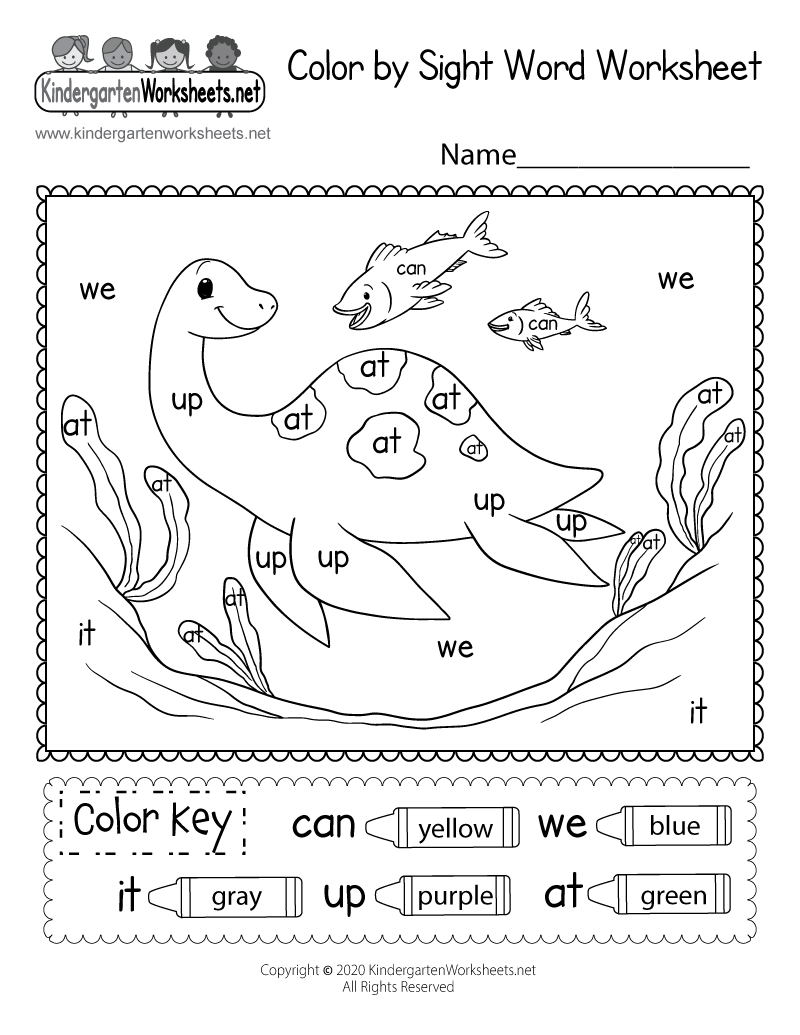
A coloring worksheets environment refers to the carefully structured physical and cognitive space wherein children utilize graphical color-fill templates to build foundational fine-motor control, hand strength, and visual-spatial awareness necessary for early literacy. According to the American Occupational Therapy Association (AOTA), targeted fine-motor activities involving controlled crayon or pencil manipulation are essential precursors to fluid handwriting and letter formation. Educators and parents regularly integrate coloring worksheets alongside traditional letter writing worksheets to bridge the gap between unstructured creative play and disciplined stroke mechanics.
Handwriting Practice Snapshot:
- Core Focus: Optimizing the physical and pedagogical setting of coloring worksheets environment for motor skill acquisition.
- Target Scope: Early childhood educators, occupational therapists, and homeschooling parents instructing preschool and kindergarten learners.
- Key Recommendation: Maintain proper ergonomic seating and designated boundary-control tasks to enforce precise hand-eye coordination.
Core Principles and Detailed Overview
Designing an optimal coloring worksheets environment requires deliberate attention to ergonomic placement, tactile feedback, and progressive visual boundaries that train the hand to obey strict motor commands. The fundamental mechanics of staying within printed outlines mirror the directional control required for proper character creation found in tracing worksheets and specialized name practice worksheets. When young learners manipulate writing instruments to fill designated shapes, intrinsic hand muscles strengthen, reducing the likelihood of grip fatigue during extended writing sessions. Furthermore, structured fill-in tasks teach children directional stroke consistency, such as moving uniformly from left to right or top to bottom, which directly translates to alphabet legibility.
Key Specifications and Breakdown
| Skill Level / Grade | Target Stroke / Mechanical Focus | Pedagogical / Coaching Cue |
|---|---|---|
| Toddler / Pre-K | Gross radial grasp and whole-arm movements | Encourage multi-directional scribbling within wide, open borders. |
| Preschool | Digital pronate or transitional tripod grasp | Prompt the learner to keep strokes parallel and inside boundary lines. |
| Kindergarten | Dynamic tripod grasp with localized finger control | Instruct steady wrist anchoring while shading intricate geometric shapes. |
Fine-motor control and visual-motor integration developed through structured drawing and coloring tasks serve as primary predictors of early academic and handwriting success. — American Occupational Therapy Association (AOTA)
Step-by-Step Practical Application and Guidelines
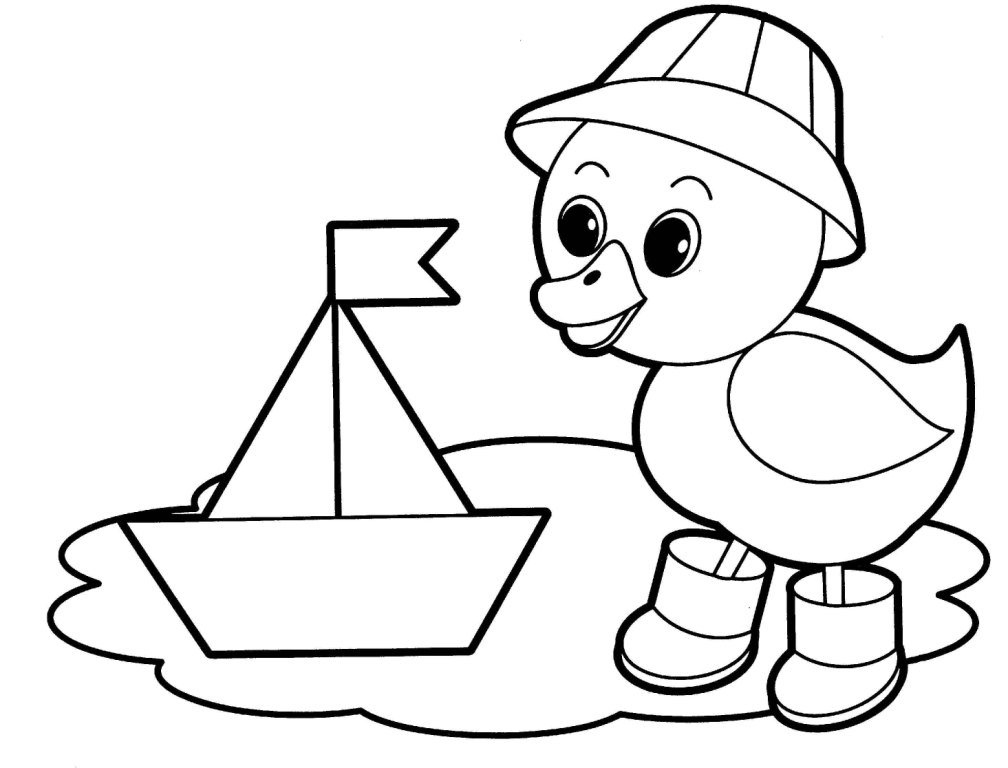
Implementing an effective coloring worksheets environment involves preparing a well-lit workspace, securing the paper with gentle drafting tape to prevent sliding, and selecting appropriate short-barreled writing tools that enforce a natural tripod grasp. Instructors should begin by introducing simple geometric outlines before transitioning to complex thematic illustrations found across standard preschool worksheets. Adults must monitor posture closely, ensuring feet rest flat on the floor and paper is tilted at a natural angle matching the child’s dominant writing hand. Consistent daily sessions lasting between ten and fifteen minutes maximize muscular endurance without inducing hand cramps or cognitive overload.
Common Challenges and How to Avoid Them
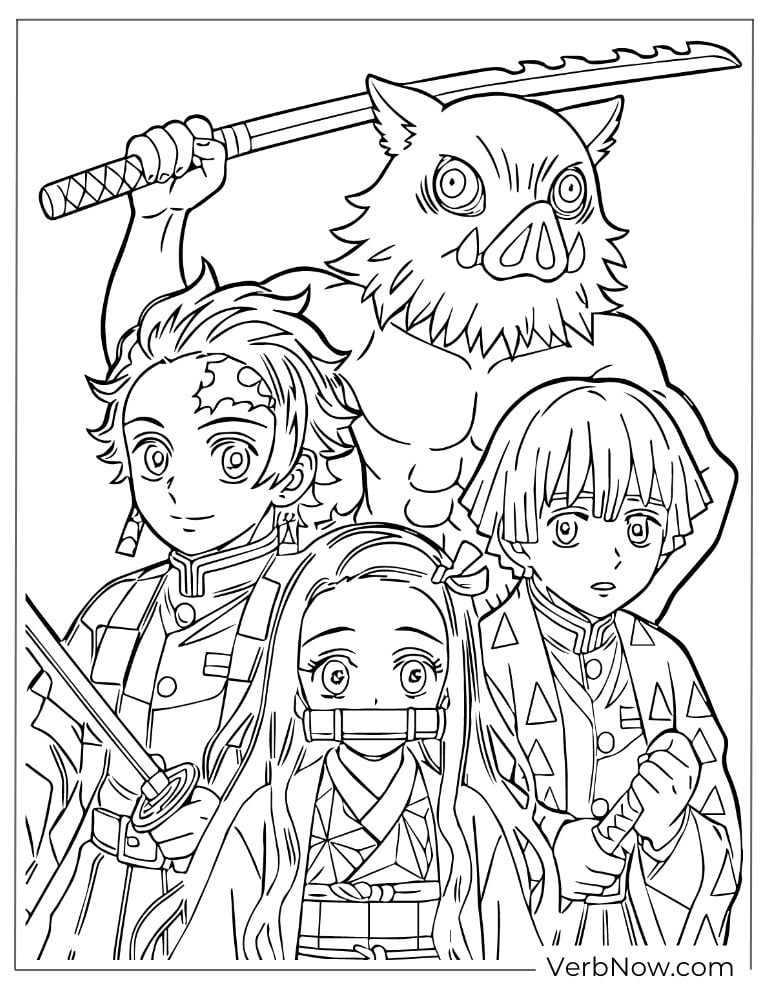
Over-reliance on thick, blunt markers often encourages poor wrist elevation and sloppy boundary adherence, whereas implementing triangular crayons naturally corrects improper finger positioning. Children frequently struggle with spatial awareness, pressing down too heavily or abandoning lines entirely when templates lack high-contrast borders. Instructors can mitigate this by utilizing sheets featuring bold, thick outlines that provide unmistakable visual feedback. Additionally, rotating writing instruments frequently prevents uneven wear and maintains optimal friction against the paper surface during practice.
💬 Frequently Asked Questions
Explore More Free Handwriting and Character Worksheets
Accessing comprehensive educational resources empowers educators and parents to build robust foundational skills that span every stage of early childhood development. Explore the extensive collection of printable assets, developmental guides, and targeted practice units available directly through CharacterWritingWorksheets.com to support continuous literacy growth.
Printable Coloring Page Previews