Introduction
Simplified artistic practice pages serve as foundational tools for developing the fine-motor control required for legible handwriting. According to the National Association for the Education of Young Children (NAEYC), engaging young learners in structured visual-motor tasks strengthens the intrinsic muscles of the hand and improves pencil grasp stability. Integrating basic coloring worksheets into early childhood curricula bridges the gap between unstructured play and precise letter formation. Educators and parents utilize these simplified templates to build stamina, spatial awareness, and bilateral coordination before introducing formal letter writing worksheets. Establishing these physical prerequisites early prevents hand fatigue and reduces frustration during extended writing sessions.
Handwriting Practice Snapshot:
- Core Focus: Developing fine-motor control, pencil grasp, and spatial boundaries through simplified artistic templates.
- Target Scope: Early childhood education settings, homeschool environments, and occupational therapy interventions.
- Key Recommendation: Pair large-outline templates with short-barrel writing utensils to promote a mature tripod grip.
Core Principles and Detailed Overview
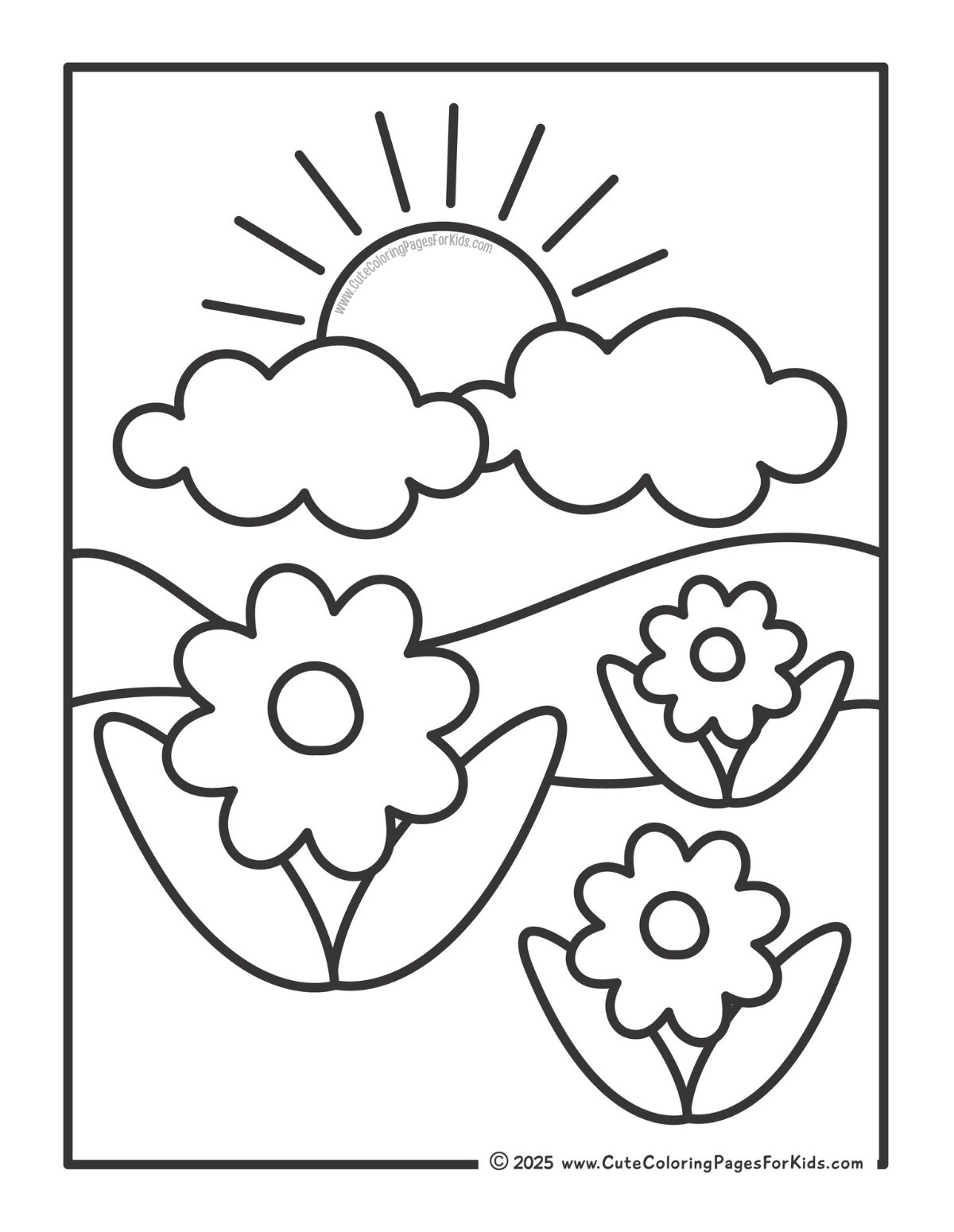
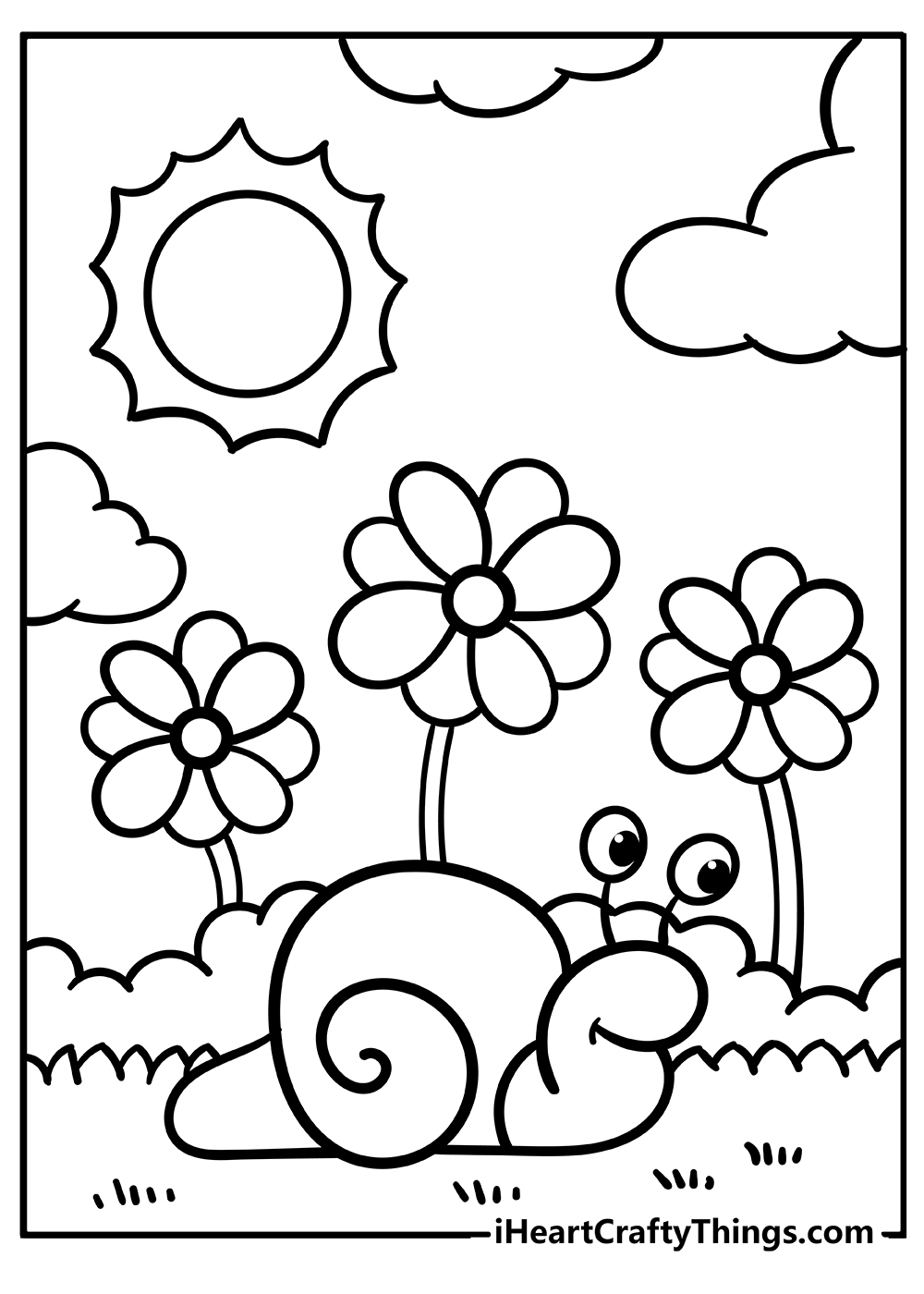
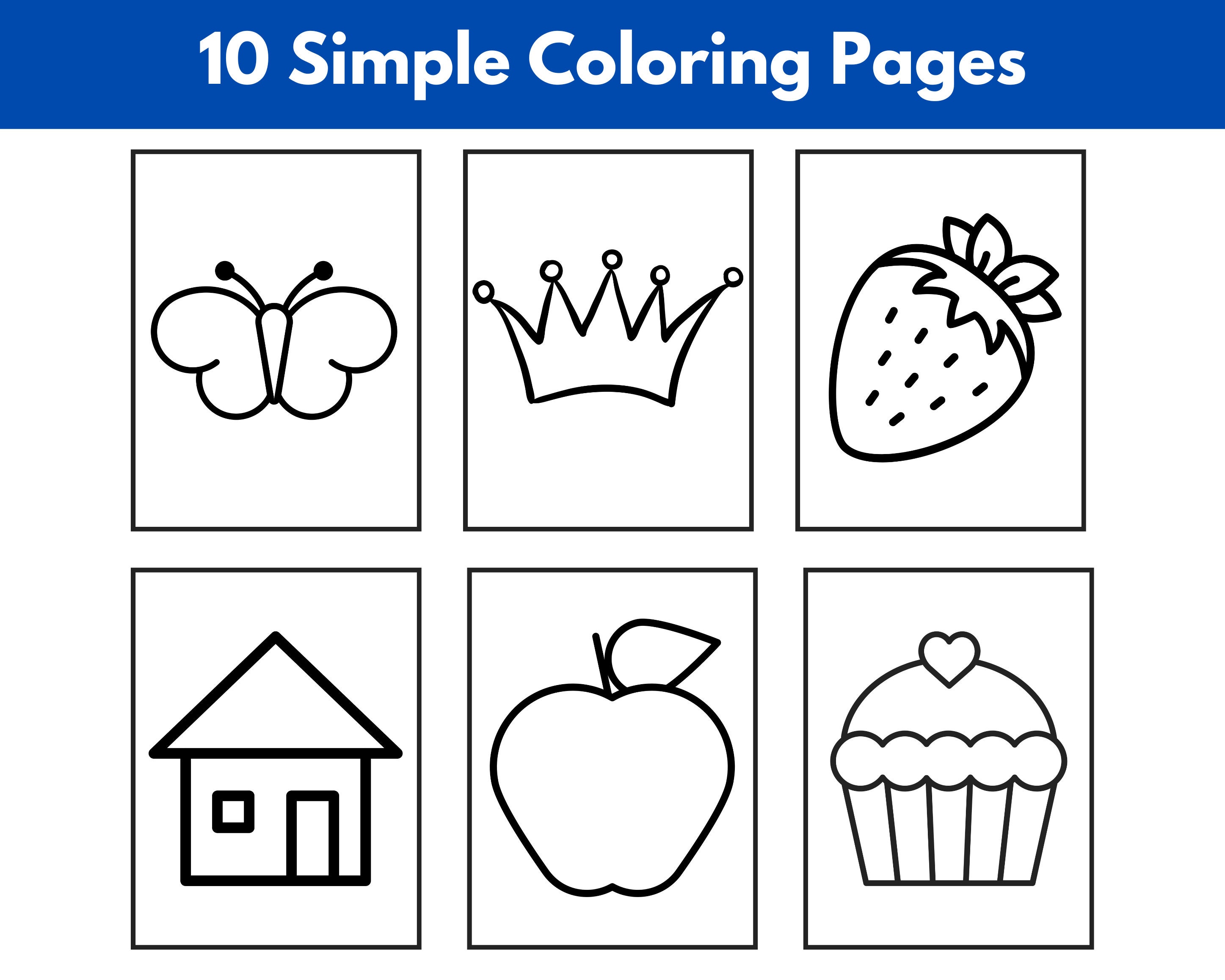
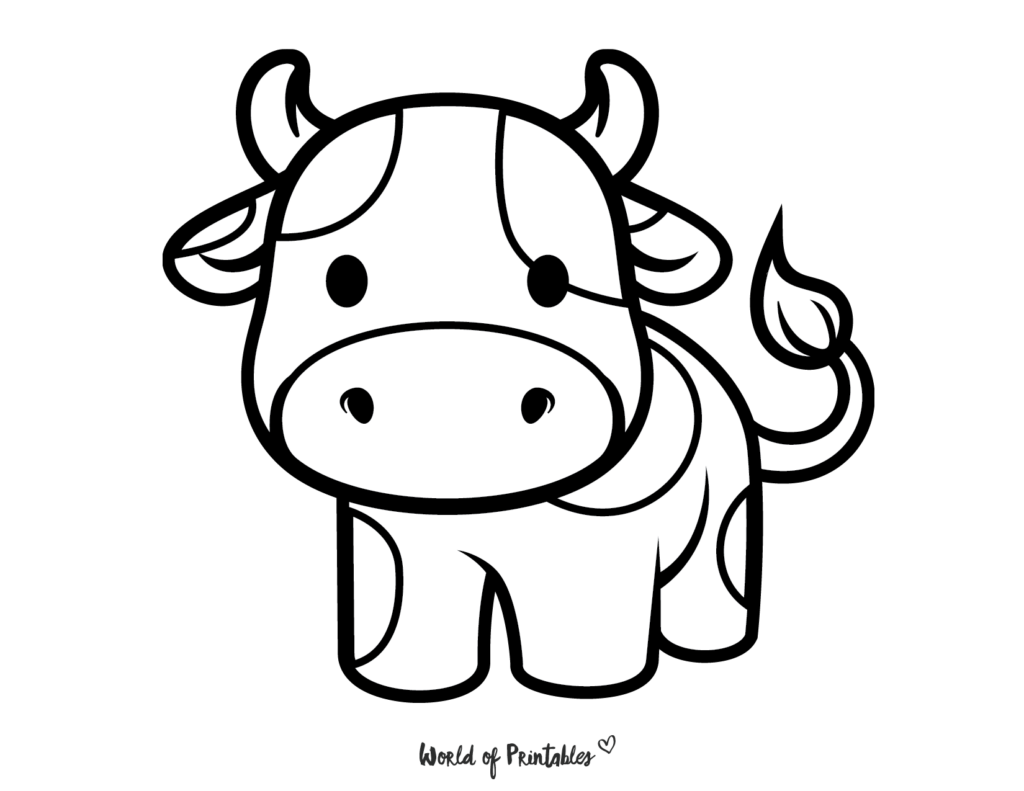
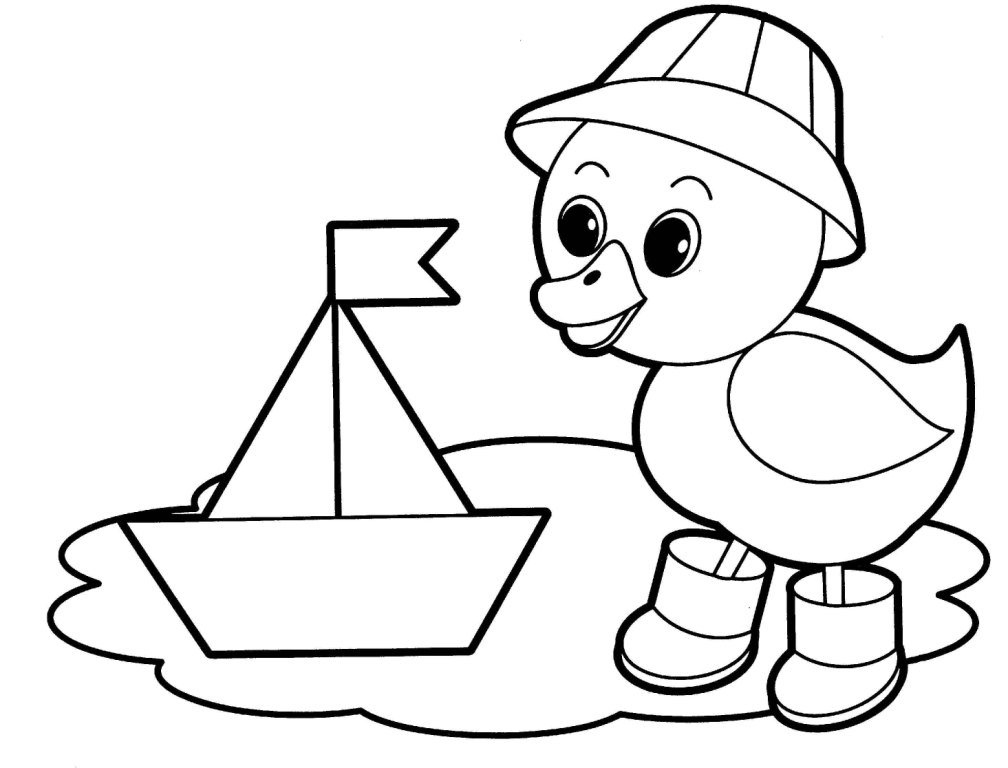
Simplified graphic pages establish foundational handwriting mechanics by training the hand to execute controlled, directional strokes within defined boundaries. The primary objective centers on teaching learners how to modulate pressure, maintain consistent visual attention, and reverse-engineer the curves and straight lines found in standard preschool worksheets. When children color within large, uncluttered shapes, the brain maps the connection between visual boundaries and physical hand movements. This spatial conditioning directly transfers to navigating lines on tracing worksheets and eventually independent composition. Furthermore, selecting appropriately sized outlines prevents cognitive overload, allowing the learner to focus exclusively on grip mechanics and fluid wrist movement.
Key Specifications and Breakdown
| Skill Level / Grade | Target Stroke / Mechanical Focus | Pedagogical / Coaching Cue |
|---|---|---|
| Early Preschool (Ages 3-4) | Whole-arm movement, large circular motions, palmar grasp transition | “Keep the crayon moving smoothly inside the big fence lines without lifting.” |
| Advanced Preschool (Ages 4-5) | Wrist stabilization, top-to-bottom directional filling, transitional tripod grip | “Start at the top corner and pull the color down slowly like a sliding board.” |
| Kindergarten (Ages 5-6) | Finger dexterity, micro-adjustments at edges, strict boundary containment | “Slow down near the corners to keep the pencil tip sharp and inside the track.” |
Children require targeted fine-motor skill development and visual-perceptual practice before mastering complex letter formation and character strokes. — American Occupational Therapy Association (AOTA)
Step-by-Step Practical Application and Guidelines
Implementing simplified art templates effectively requires a structured progression that prioritizes mechanical accuracy over aesthetic completion. Begin by selecting outlines featuring thick, high-contrast borders that clearly delineate boundaries for developing visual systems. Instruct learners to adopt an ergonomic grip before placing the utensil on the paper, ensuring the non-dominant hand stabilizes the sheet properly. Encourage directional shading—such as left-to-right or top-to-bottom passes—which mimics the exact oculomotor tracking required for reading and writing. Transition gradually from oversized geometric shapes to complex character outlines found across standard name practice worksheets only after consistent boundary control is observed.
Common Challenges and How to Avoid Them
Over-reliance on tight finger gripping and heavy pressure application frequently leads to premature muscle fatigue and avoidance behaviors during writing exercises. Educators can mitigate this by swapping standard long pencils for broken crayons or golf pencils, which naturally force a three-point finger posture. Another common error involves rushing through intricate designs, resulting in uncontrolled scribbling that reinforces poor spatial habits. Counteract this by establishing deliberate pacing rules, encouraging children to lift their writing utensils only when shifting to a new section of the template. Monitoring posture and paper tilt guarantees that shoulder and elbow joints remain relaxed, supporting sustained fine-motor output.
💬 Frequently Asked Questions
Explore More Free Handwriting and Character Worksheets
Accessing comprehensive educational libraries ensures continuous skill development across all early literacy domains. Educators and parents can browse the complete collection of structured exercises, instructional guides, and printable resources directly at CharacterWritingWorksheets.com to support every stage of early childhood penmanship development.
Printable Coloring Page Previews