Introduction
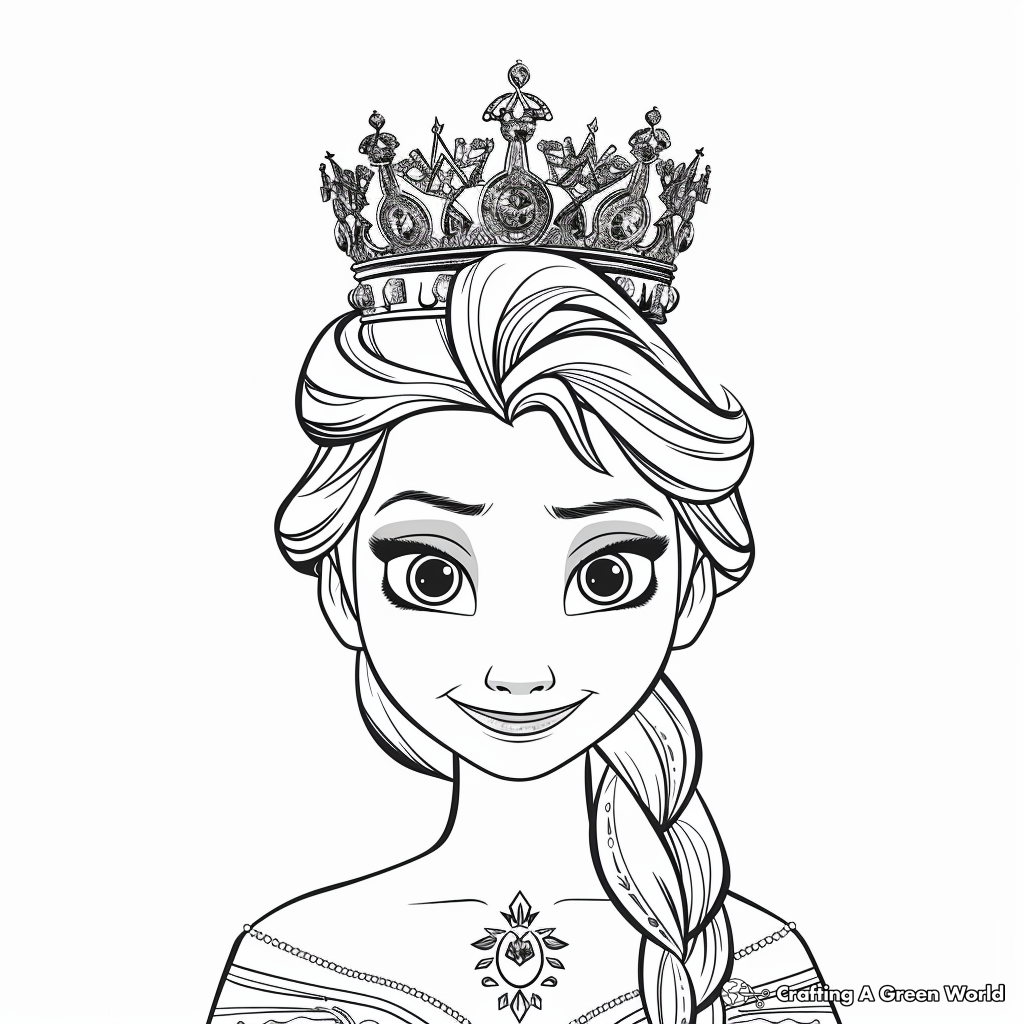
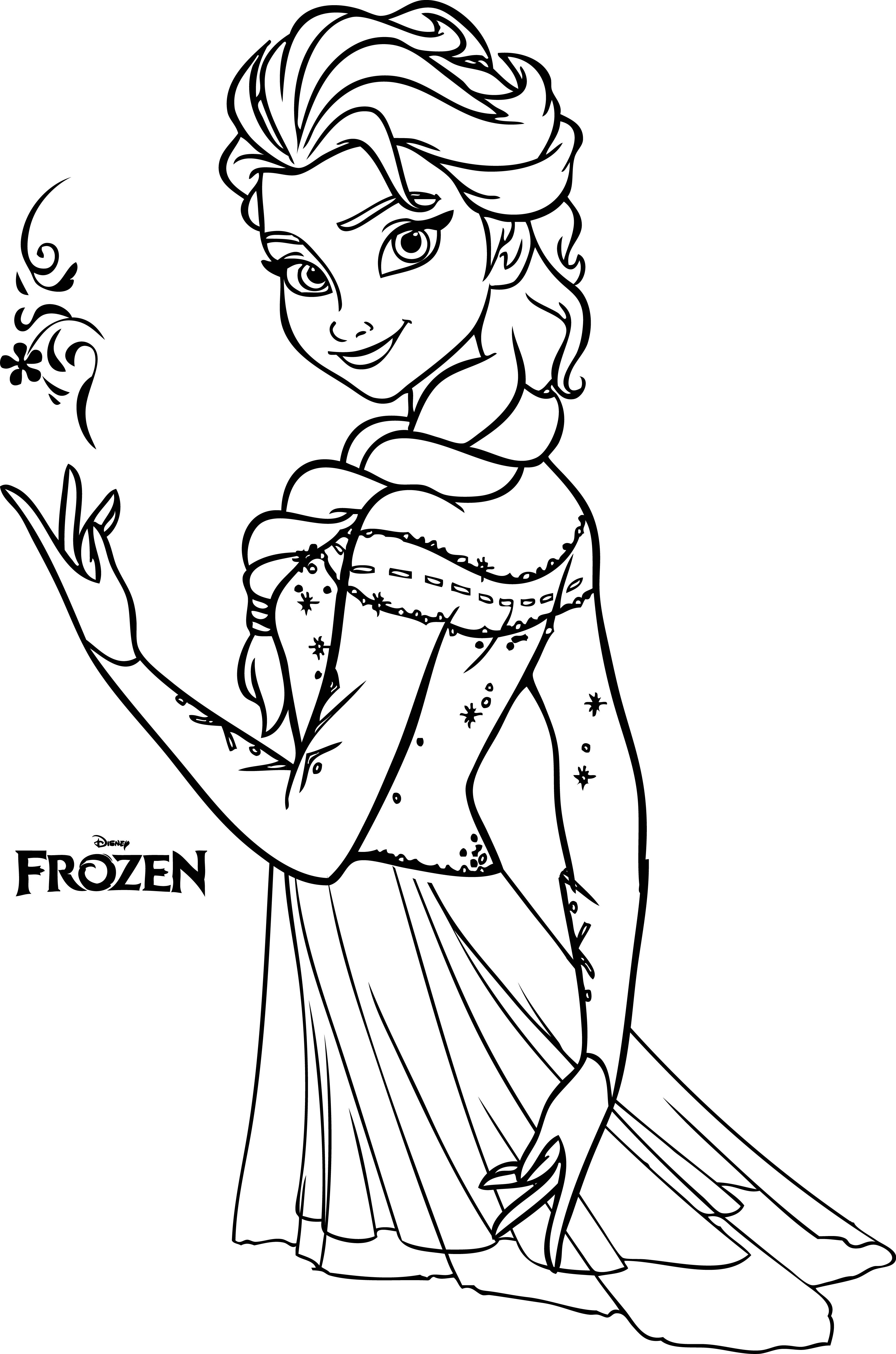
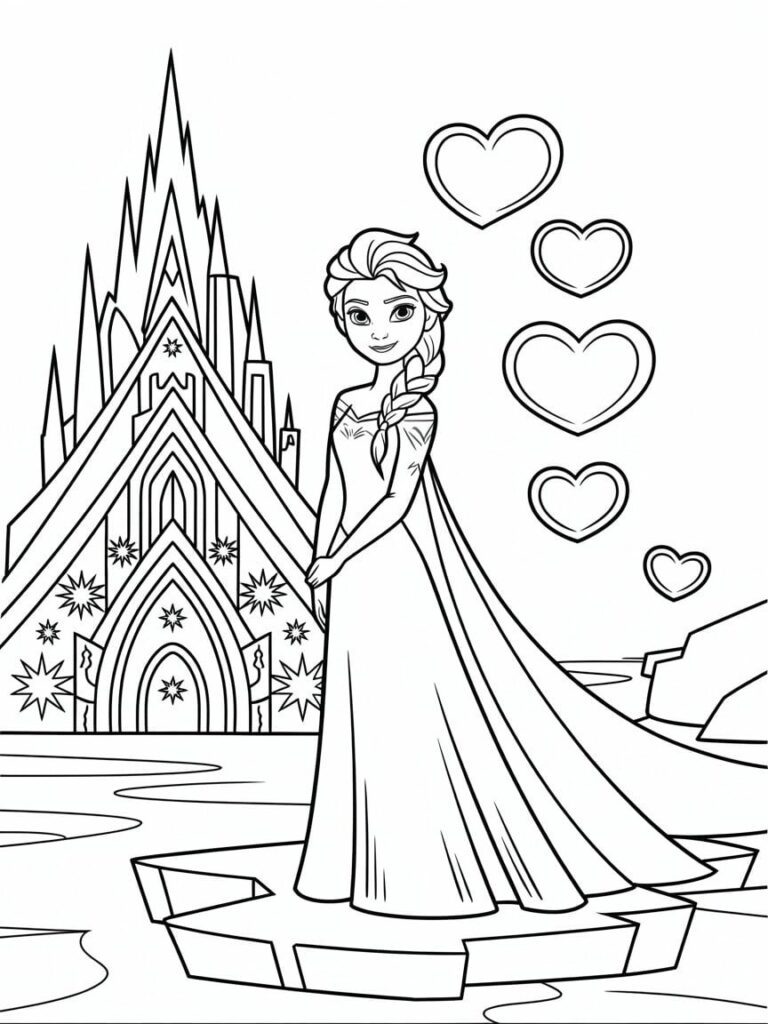
Coloring worksheets elsa are targeted educational printables that leverage popular animated character engagement to develop foundational fine-motor skills, hand strength, and pre-writing pencil control in early childhood education. According to the National Association for the Education of Young Children (NAEYC), purposeful play-based learning activities that integrate familiar visual themes significantly enhance task persistence and small muscle development in young learners. Integrating themed art templates into daily curricula provides an effective bridge between recreational coloring and structured handwriting mechanics. Practitioners utilize these specific thematic sheets to transition children from loose, unstructured scribbling to controlled, deliberate directional strokes. Accessing specialized coloring worksheets offers educators a reliable method to boost student engagement while building the intrinsic dexterity required for crisp letter formation. Educators often pair these artistic resources with tracing worksheets to reinforce multi-directional control.
Handwriting Practice Snapshot:
- Core Focus: Developing fine-motor precision, pencil grasp, and stroke fluidity through themed art templates.
- Target Scope: Early childhood classrooms, special education occupational therapy sessions, and home-school environments.
- Key Recommendation: Enforce consistent top-to-bottom and left-to-right coloring strokes to mirror proper alphabet formation habits.
Core Principles and Detailed Overview
The mechanics of coloring worksheets elsa rely on controlled wrist stabilization and dynamic tripod grasp reinforcement to prepare children for rigorous writing tasks. Direct answer: Graphic character templates maintain attention spans, allowing learners to endure longer practice intervals necessary for building intrinsic hand muscles. Fine-motor coordination relies heavily on the pincer grasp, which is challenged when children maneuver crayons or colored pencils within intricate boundary lines. Practitioners design these sheets to encourage deliberate directional changes, arcs, and vertical fills that directly correspond to the geometric loops found in standard letter writing worksheets. When children successfully restrict pigment placement within narrow character outlines, neural pathways associated with spatial awareness and visual-motor integration strengthen considerably. Furthermore, completing themed art pages instills a sense of accomplishment, reinforcing positive emotional associations with writing-related tasks.
Key Specifications and Breakdown
| Skill Level / Grade | Target Stroke / Mechanical Focus | Pedagogical / Coaching Cue |
|---|---|---|
| Preschool / Ages 3-4 | Broad directional fills and circular scribbling | Keep fingers close to the pencil tip and move the wrist smoothly. |
| Pre-K / Kindergarten | Boundary control and linear hatching strokes | Stop at the black line like a traffic light turning red. |
| Early Elementary / Grade 1 | Detailed cross-hatching and pressure modulation | Press lightly for soft shadows and firmly for bold outlines. |
Developmental precision in early childhood motor tasks directly predicts subsequent legibility and speed in elementary writing fluency. — American Occupational Therapy Association (AOTA)
Step-by-Step Practical Application and Guidelines
Executing coloring worksheets elsa effectively requires a structured methodological approach that prioritizes correct ergonomic posture and stroke sequencing. Direct answer: Instructors must first verify that learners maintain an appropriate tripod grip before permitting any marking instruments to touch the paper. Begin the session by modeling directional fills on a separate demonstration sheet, emphasizing left-to-right progression to mimic reading and writing habits. Next, direct the learner to outline the major focal points of the character graphic using continuous, unbroken lines to build boundary awareness. Gradually progress to interior shading, encouraging varied pressure modulation to develop intrinsic hand muscle endurance. Teachers should continuously monitor grip tension, intervening immediately if fingers wrap too tightly around the writing utensil. Transitioning smoothly from these artistic boundaries to structured name practice worksheets ensures the newly acquired control transfers directly to orthographic output.
Common Challenges and How to Avoid Them
Frequent pitfalls during the completion of coloring worksheets elsa include hand fatigue, improper grip regression, and complete disregard for boundary lines due to rushing. Direct answer: Fatigue and poor control stem primarily from an uncorrected clenched fist grasp, which forces the child to rely on gross arm movements instead of fine finger articulation. Educators combat this by introducing shorter, broken crayons or triangular pencils that physically force proper finger placement. Another common error involves erratic, disorganized scribbling that fails to build structured directional motor memory. Instructors resolve this by breaking large character sections into smaller, manageable visual grids using faint pencil boundaries. Emphasizing quality over speed prevents sloppy habits from forming and protects the child from experiencing early frustration during fine-motor tasks. Utilizing foundational preschool worksheets beforehand helps eliminate these mechanical deficits before formal letter instruction begins.
💬 Frequently Asked Questions
Explore More Free Handwriting and Character Worksheets
Expanding early childhood literacy and fine-motor curricula requires a diverse repository of structured printables tailored to every developmental milestone. Educators, parents, and therapists can discover an extensive library of free, high-quality resources by visiting CharacterWritingWorksheets.com to download additional worksheets designed to foster lifelong writing excellence.
Printable Coloring Page Previews