Introduction
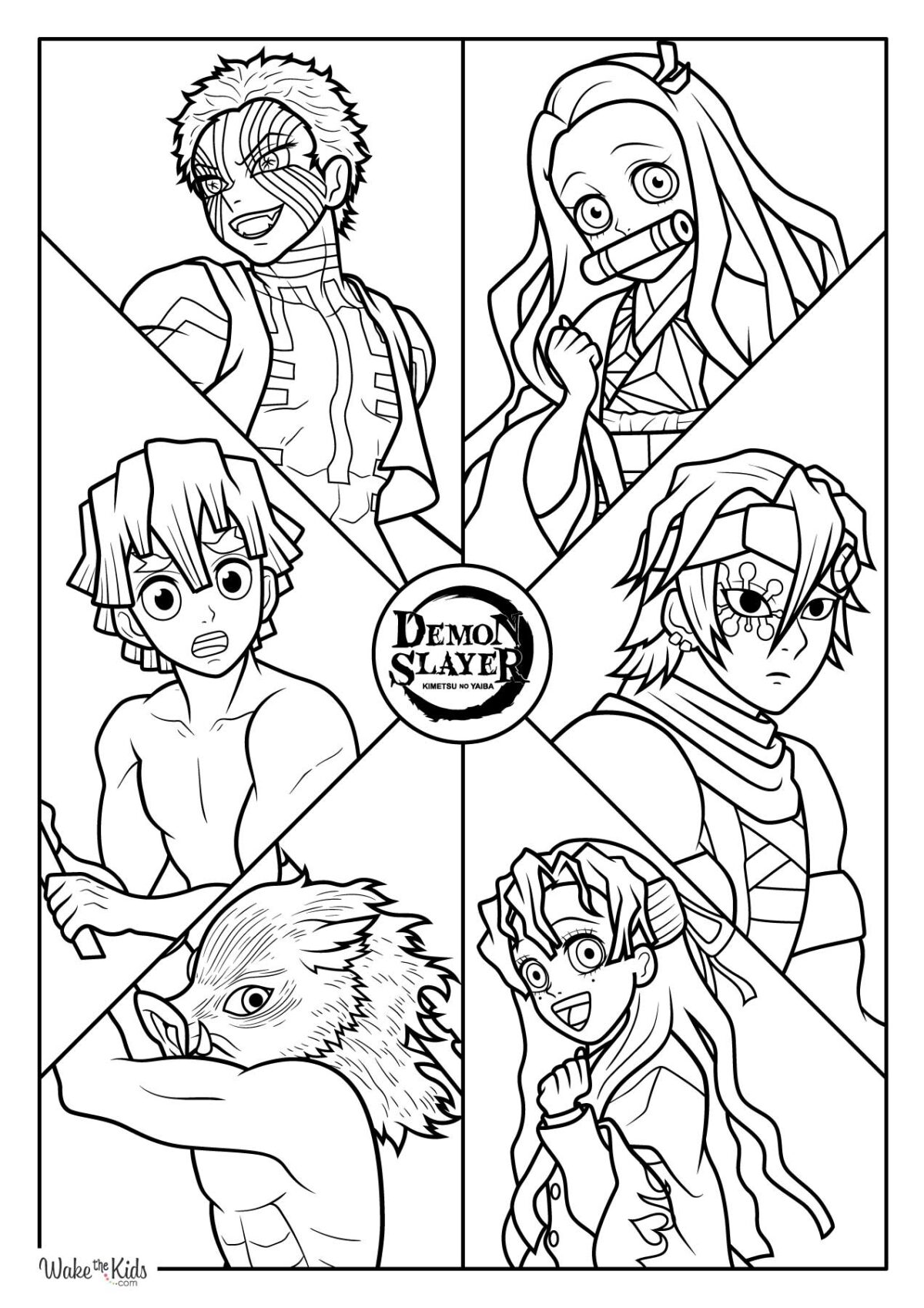
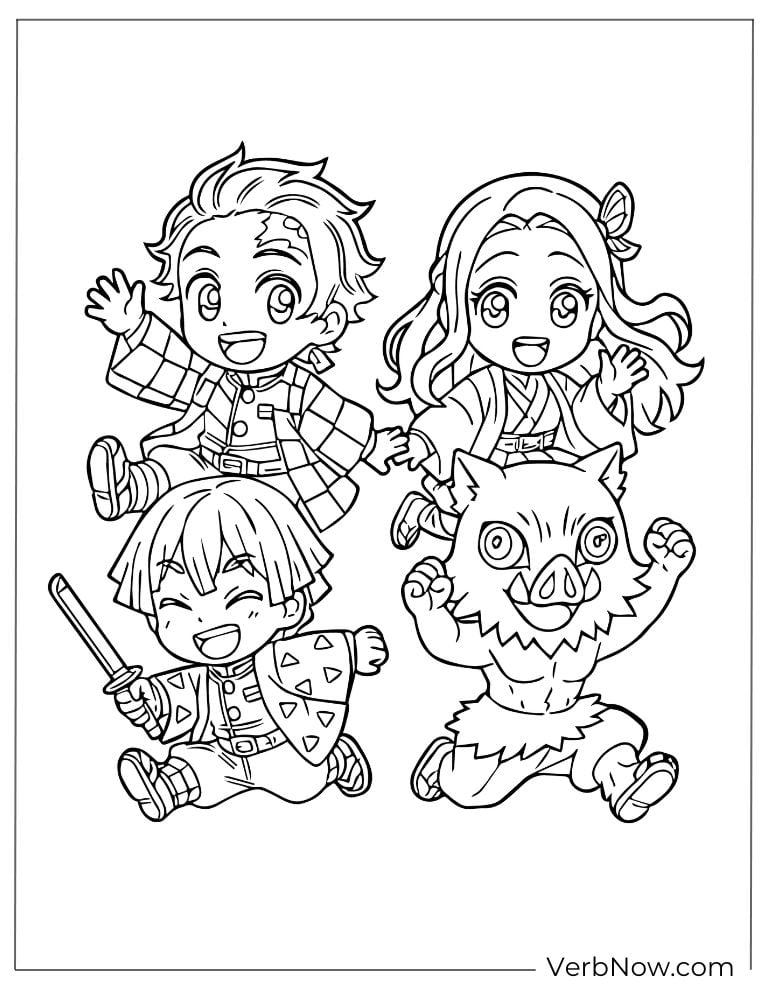
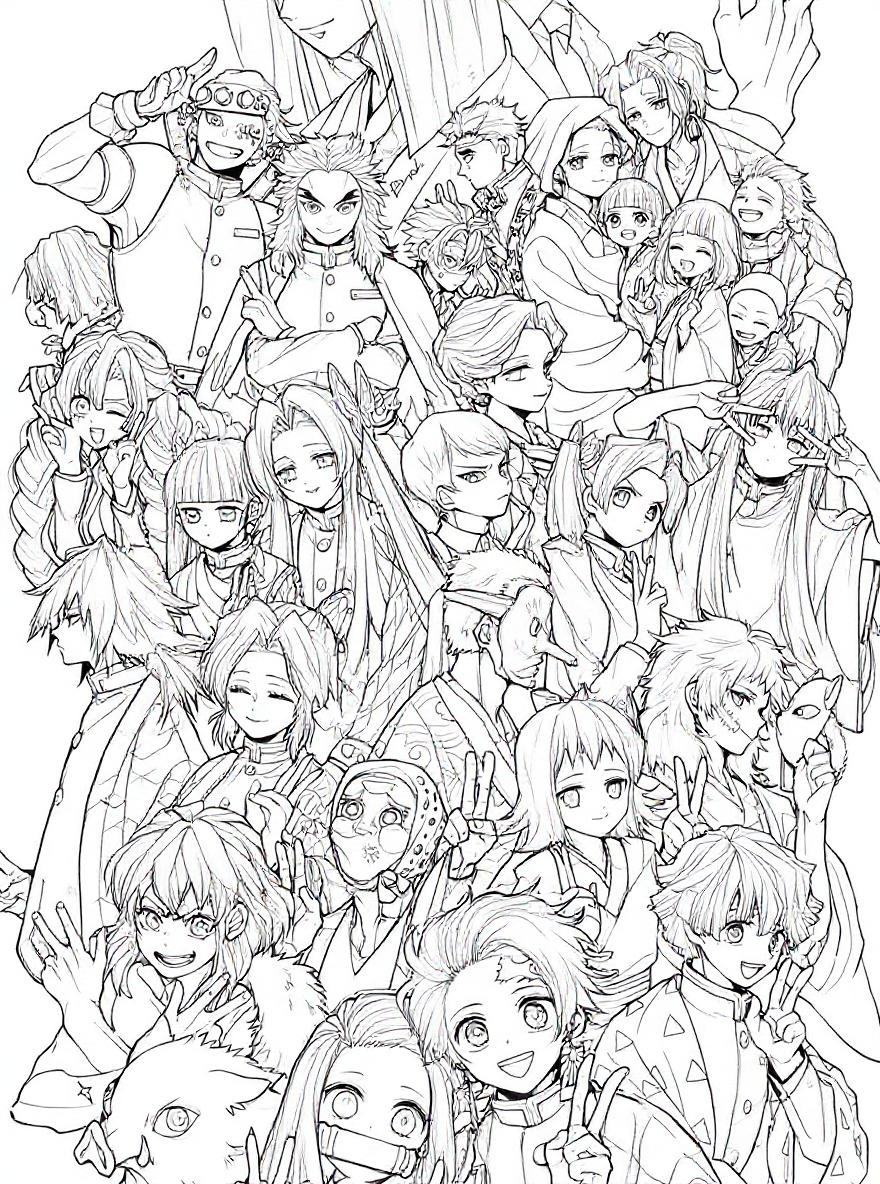
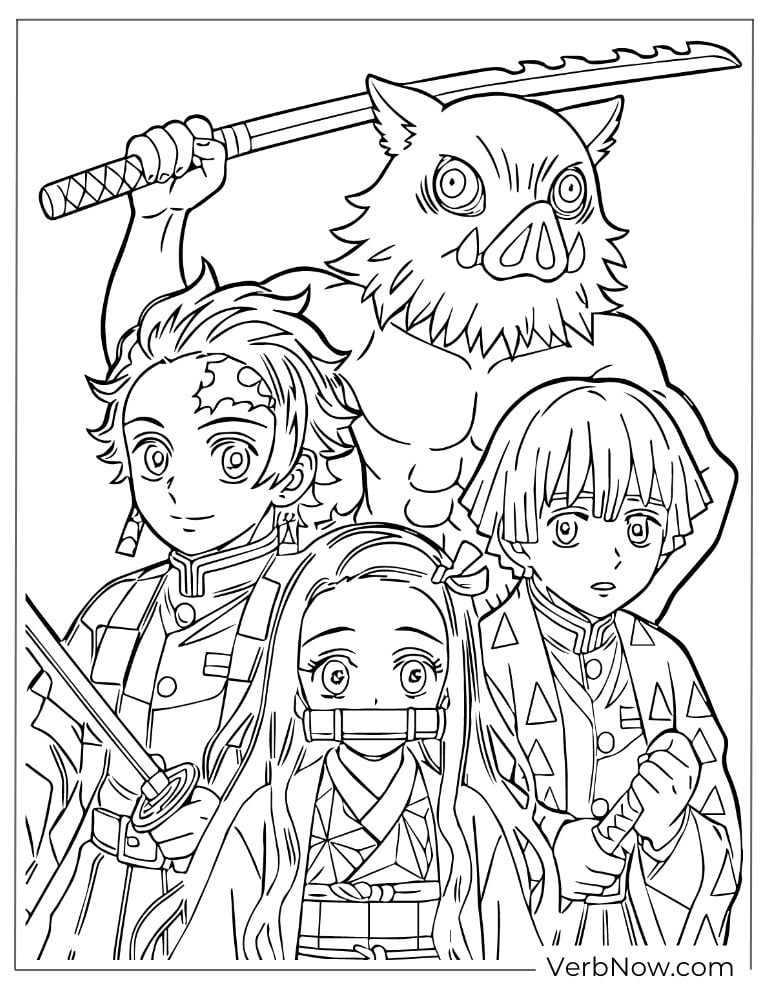
Coloring pages demon slayer serve as engaging, high-interest thematic tools that bridge the gap between recreational graphic art and foundational handwriting mechanics by developing fine-motor control, hand strength, and visual-spatial precision. According to the National Association for the Education of Young Children (NAEYC), intentional art-based motor activities significantly enhance the manual dexterity required for successful letter and character formation. Utilizing popular graphic motifs captures reluctant learners’ attention, transforming standard pencil-grip practice into targeted neuromuscular conditioning. Children transitioning from basic preschool worksheets to structured writing benefit immensely from these thematic templates. Integrating familiar characters establishes an immediate emotional connection, reducing writing anxiety and encouraging sustained focus during pencil-stroke exercises.
Handwriting Practice Snapshot:
- Core Focus: Leveraging thematic anime outlines to build pencil control and fine-motor endurance.
- Target Scope: Early elementary students and homeschoolers refining stroke sequences.
- Key Recommendation: Enforce dynamic tripod grips while tracing intricate thematic linework.
Core Principles and Detailed Overview
Coloring pages demon slayer reinforce handwriting development by demanding precise wrist stabilization, controlled finger movements, and deliberate directional strokes that mirror letter formation requirements. Structured graphical outlines require learners to execute tight curves, sharp diagonals, and parallel lines—the exact geometric building blocks found in the alphabet. When children color within complex boundaries, intrinsic hand muscles activate, providing the physical stamina needed for prolonged writing tasks. Educators frequently pair these specialized templates with standard coloring worksheets to maintain high engagement while systematically targeting pencil pressure regulation. Controlling pressure prevents hand fatigue and ensures smooth transitions between light shading and heavy accent lines.
Key Specifications and Breakdown
| Skill Level / Grade | Target Stroke / Mechanical Focus | Pedagogical / Coaching Cue |
|---|---|---|
| Early Preschool | Broad circular motions and perimeter containment | “Keep the pencil moving slowly inside the bold outer border.” |
| Kindergarten | Diagonal strokes and sharp angular directional shifts | “Pivot the wrist gently to trace the sharp uniform edges.” |
| First Grade | Micro-detailing, pressure modulation, and sustained grip | “Maintain a light tripod grasp while shading the narrow zones.” |
Fine-motor control and proximal stability established through structured coloring and tracing tasks directly correlate with improved letter legibility and writing speed in early childhood. — American Occupational Therapy Association (AOTA)
Step-by-Step Practical Application and Guidelines
Implementing coloring pages demon slayer effectively requires a structured progression from broad motor tracing to detailed pencil control. Begin by selecting outlines with varied line widths that challenge the student to alternate between fast sweeping motions and slow, deliberate strokes. Instruct learners to check their hand posture, ensuring fingers rest approximately one inch from the writing tip before any coloring commences. Educators should encourage directional coloring—moving exclusively from top to bottom or left to right—which instills the foundational scanning patterns necessary for reading and writing fluidly. Complement this practice by introducing targeted tracing worksheets to solidify the connection between artistic linework and standard alphanumeric characters.
Common Challenges and How to Avoid Them
Hand fatigue, awkward fist grips, and impulsive scribbling represent the most frequent obstacles encountered when children engage with complex thematic coloring activities. Prevent these issues by interrupting extended coloring sessions with hand-stretching exercises and strictly monitoring finger positioning to avoid excessive knuckle tension. When a student rushes through intricate character details, redirect attention to boundary control by suggesting they outline the perimeter first before filling in the core shapes. For children struggling with consistent letter sizing alongside graphic art, utilize structured name practice worksheets immediately following art sessions to transition fine-motor focus back to baseline writing rows.
💬 Frequently Asked Questions
Explore More Free Handwriting and Character Worksheets
Enhance early elementary education by browsing the extensive library of specialized instructional materials available across all worksheets categories. Access hundreds of structured resources designed by educators to support fine-motor development, stroke accuracy, and lifelong writing confidence at CharacterWritingWorksheets.com.
Printable Coloring Page Previews