Introduction
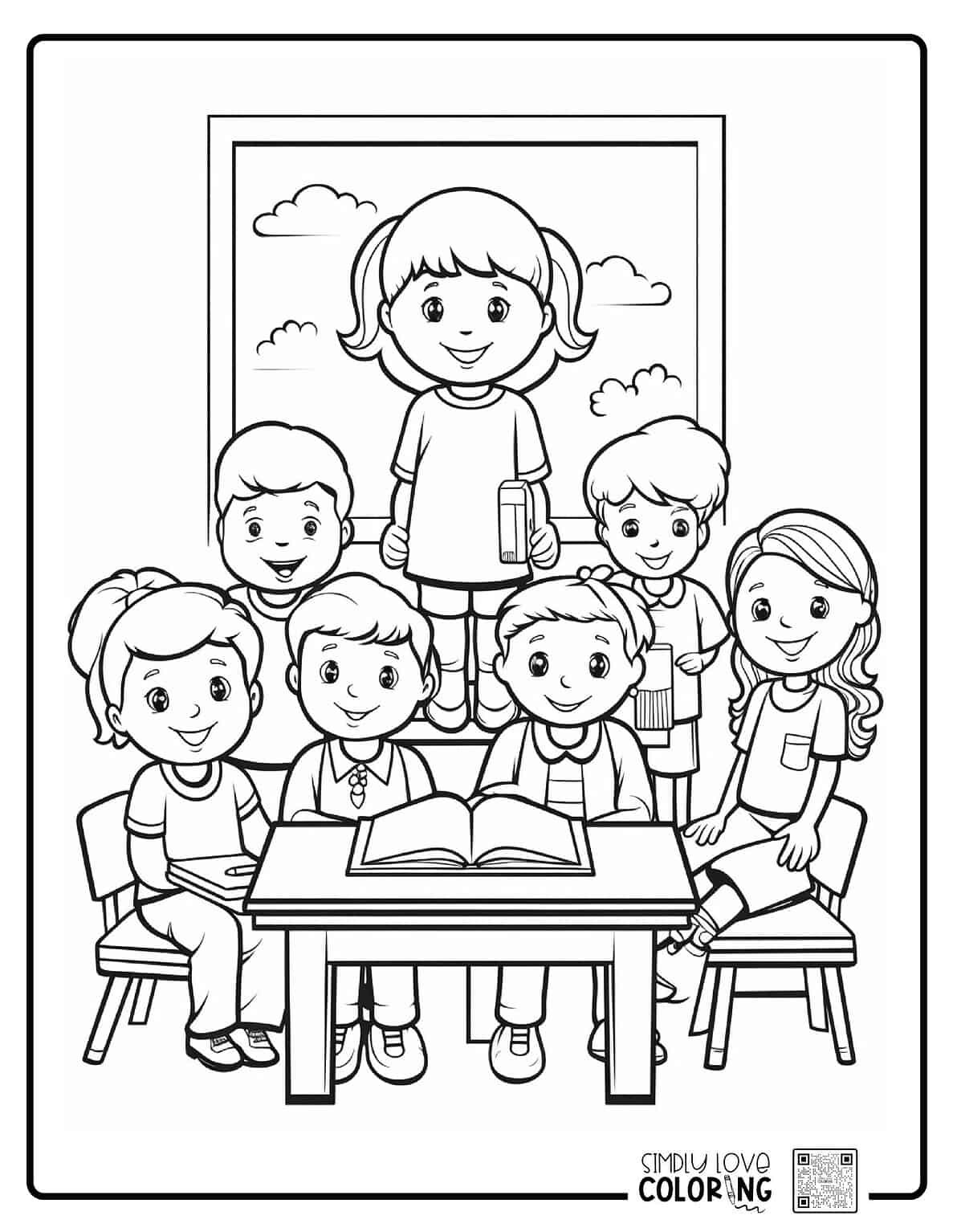
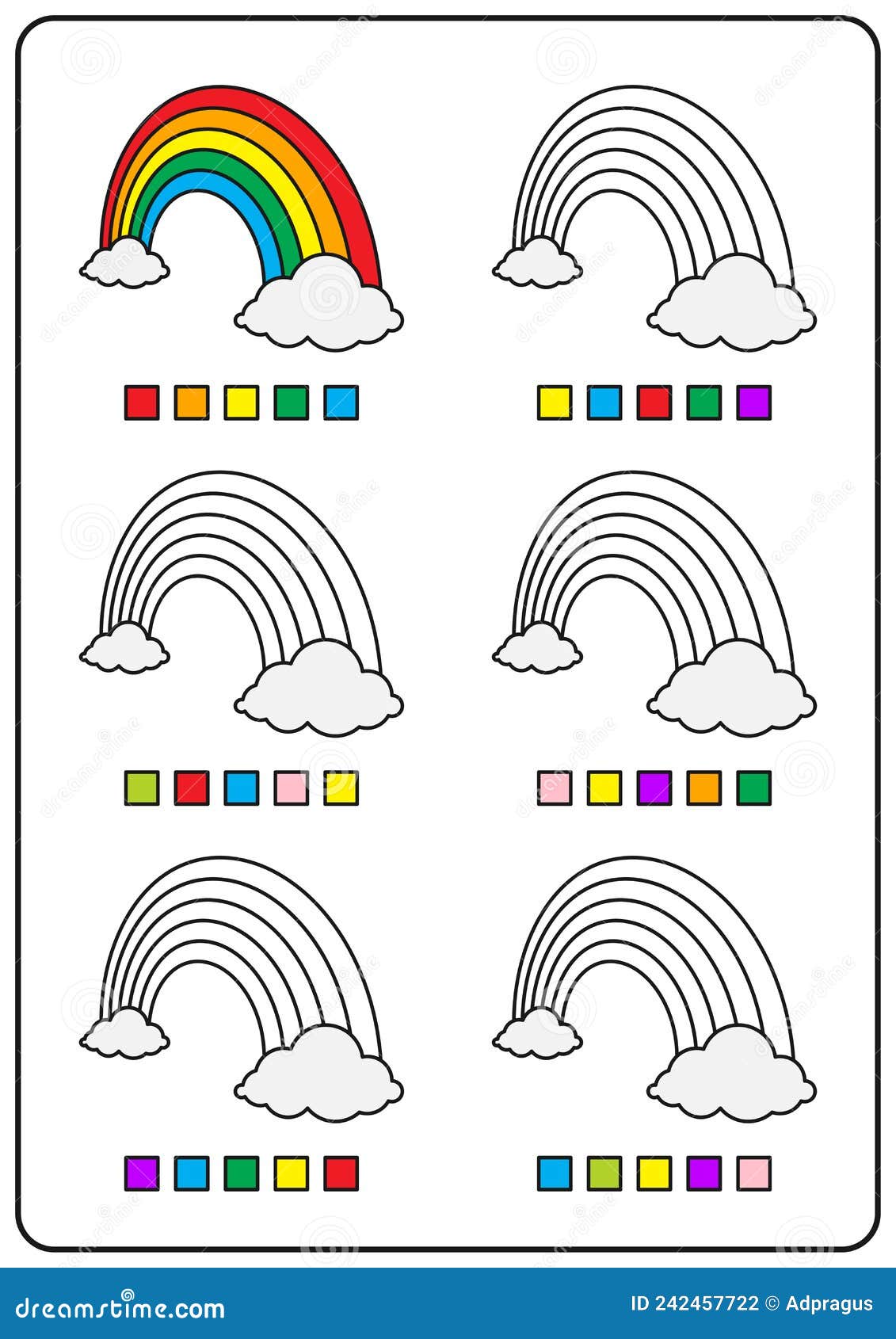
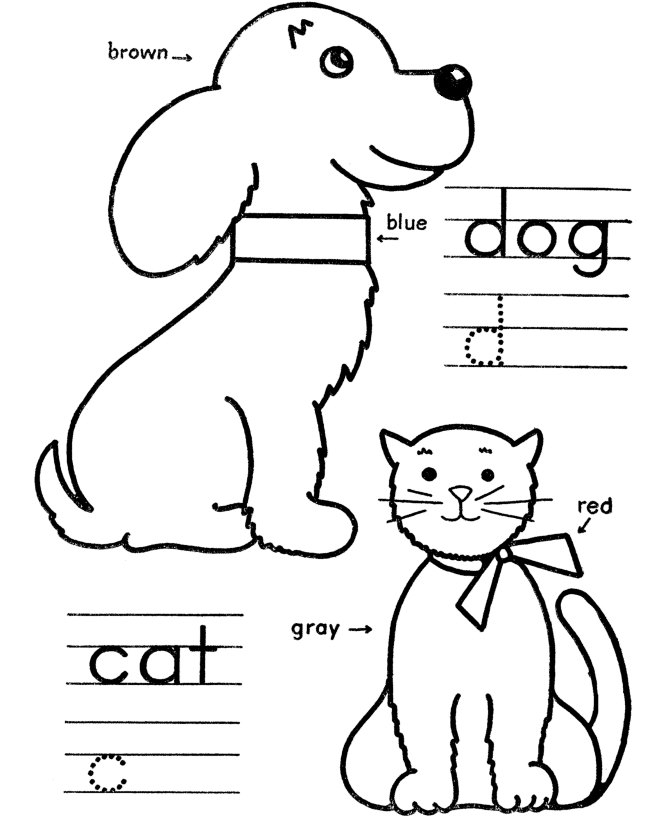
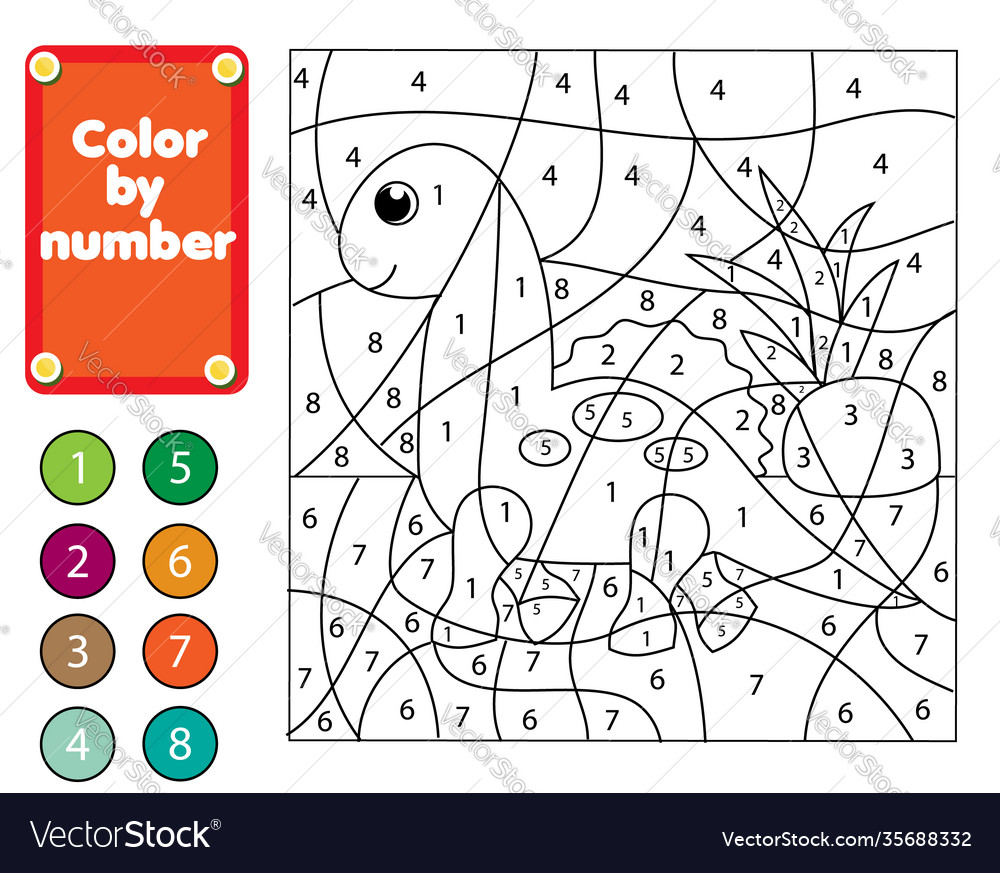
Coloring worksheets educational resources serve as foundational developmental tools that build the hand strength, dexterity, and visual-motor control required for precise handwriting mechanics. According to the American Occupational Therapy Association (AOTA), purposeful fine-motor activities such as structured coloring and controlled crayon manipulation are essential prerequisites for developing a functional pencil grasp in early childhood. Integrating specialized coloring worksheets into daily instruction bridges the gap between unstructured play and formal letter formation. Educators and parents utilize these multi-sensory tools to condition small hand muscles, promote sustained attention, and establish proper stroke directionality before introducing complex letter writing worksheets.
Handwriting Practice Snapshot:
- Core Focus: Developing fine-motor strength, hand-eye coordination, and precise stroke control through structured coloring tasks.
- Target Scope: Early childhood education settings, homeschool curriculums, and occupational therapy clinics.
- Key Recommendation: Pair thick-boundary coloring sheets with dynamic tripod grasp monitoring to maximize mechanical benefit.
Core Principles and Detailed Overview
Coloring worksheets educational in design directly reinforce the spatial boundaries, directional awareness, and motor planning necessary for legible character production. When young learners color within designated shapes, they subconsciously practice the exact wrist stability, finger isolation, and visual-spatial tracking required for mastery across all standard worksheets. Mastering these fundamental movements prevents hand fatigue and reduces the incidence of awkward pencil grips during prolonged writing tasks. Furthermore, pairing these activities with foundational preschool worksheets ensures a seamless developmental continuum from basic scribbling to deliberate, controlled strokes.
Key Specifications and Breakdown
| Skill Level / Grade | Target Stroke / Mechanical Focus | Pedagogical / Coaching Cue |
|---|---|---|
| Early Preschool (Ages 3-4) | Whole-arm movement and gross motor control inside thick borders | “Keep the crayon touching the inside of the black line.” |
| Late Preschool (Ages 4-5) | Wrist stabilization and initial finger-thumb opposition | “Use short strokes and move fingers, not the whole arm.” |
| Kindergarten (Ages 5-6) | Precise directional shading and boundary control for letter prep | “Fill all white spaces by coloring from top to bottom.” |
Fine Motor Development Principle — American Occupational Therapy Association (AOTA)
Step-by-Step Practical Application and Guidelines
Implementing coloring worksheets educational protocols requires establishing consistent physical positioning, selecting appropriate writing instruments, and enforcing correct stroke sequencing. Begin by ensuring the learner sits with feet flat on the floor, hips and knees at ninety-degree angles, and the non-dominant hand stabilizing the paper. Instruct the child to hold crayons or short colored pencils using a functional tripod or quadrupod grasp, avoiding excessive fist-clenching. Guide the eye-tracking from top-left to bottom-right across the page, reinforcing the natural reading and writing direction. For advanced motor control, transition learners from open coloring areas to structured tracing worksheets that mirror the geometric paths practiced in coloring exercises.
Common Challenges and How to Avoid Them
Frequent pitfalls in early coloring practice include compensatory fist grips, rapid scribbling outside borders, and excessive pressure that breaks writing utensils. Educators and parents prevent these mechanical errors by immediately correcting finger placement and substituting broken crayons with shorter, triangular markers that naturally encourage correct finger positioning. If a learner rushes through tasks without regard for boundaries, reduce the size of the coloring segments or provide verbal timing cues to encourage deliberate, controlled motion. Consistently reviewing personalized name practice worksheets alongside structured coloring tasks helps learners connect boundary control directly to their own letterforms.
💬 Frequently Asked Questions
Explore More Free Handwriting and Character Worksheets
Enhance early childhood writing instruction by utilizing comprehensive, printable educational resources available across the entire platform. Access hundreds of structured writing drills, alphabet exercises, and fine-motor activities designed for educators and parents by visiting CharacterWritingWorksheets.com today.
Printable Coloring Page Previews