Introduction
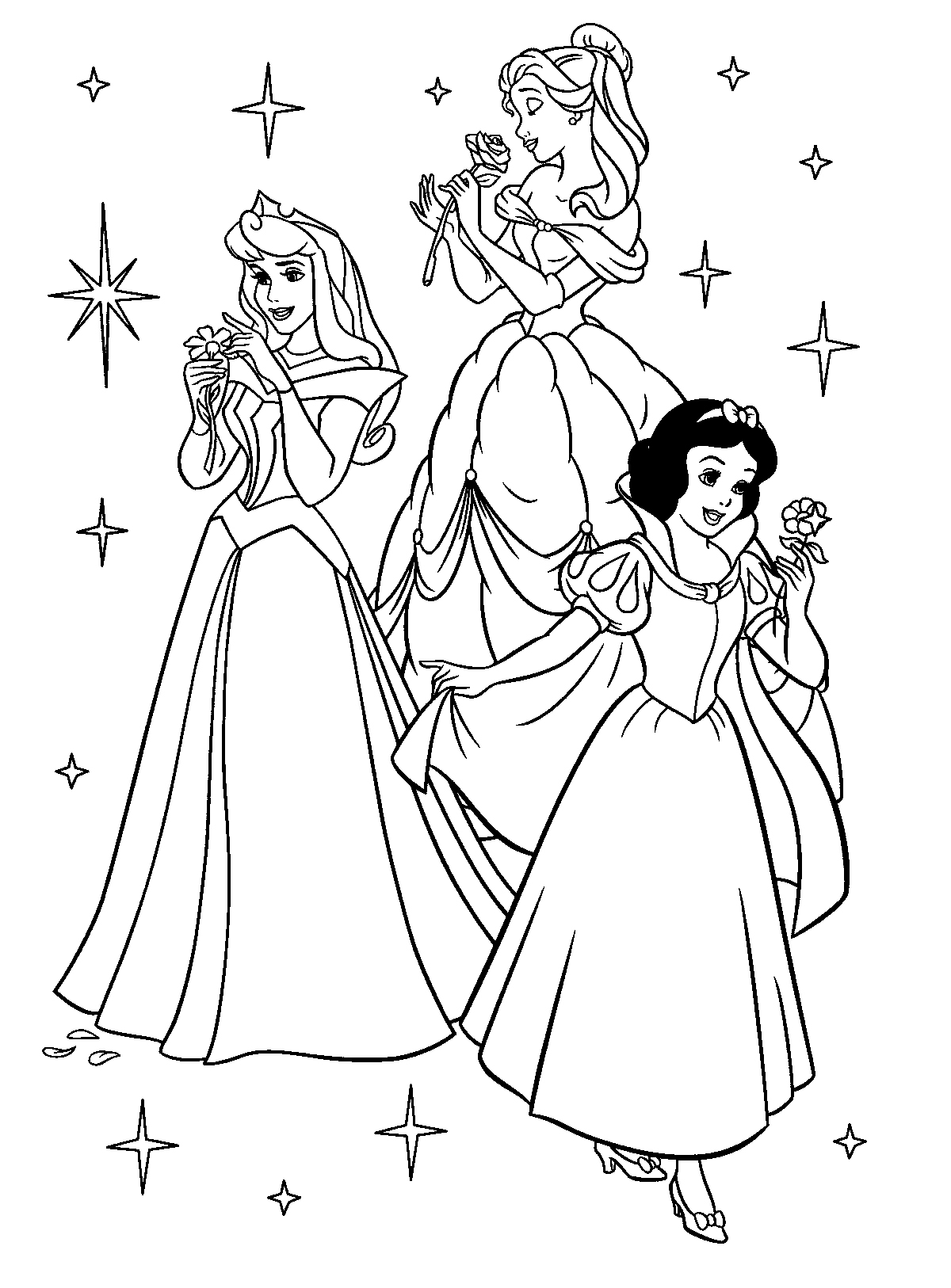
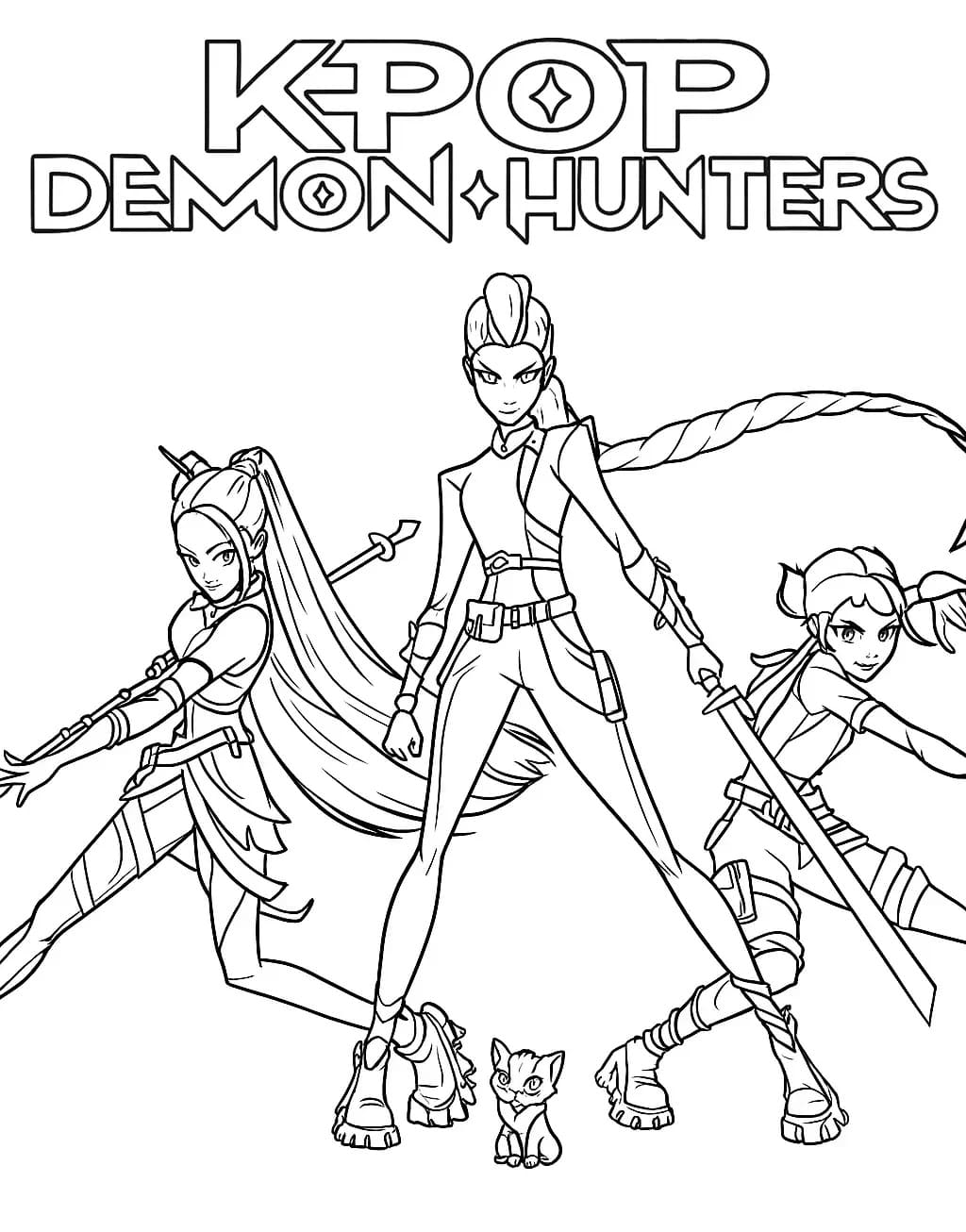
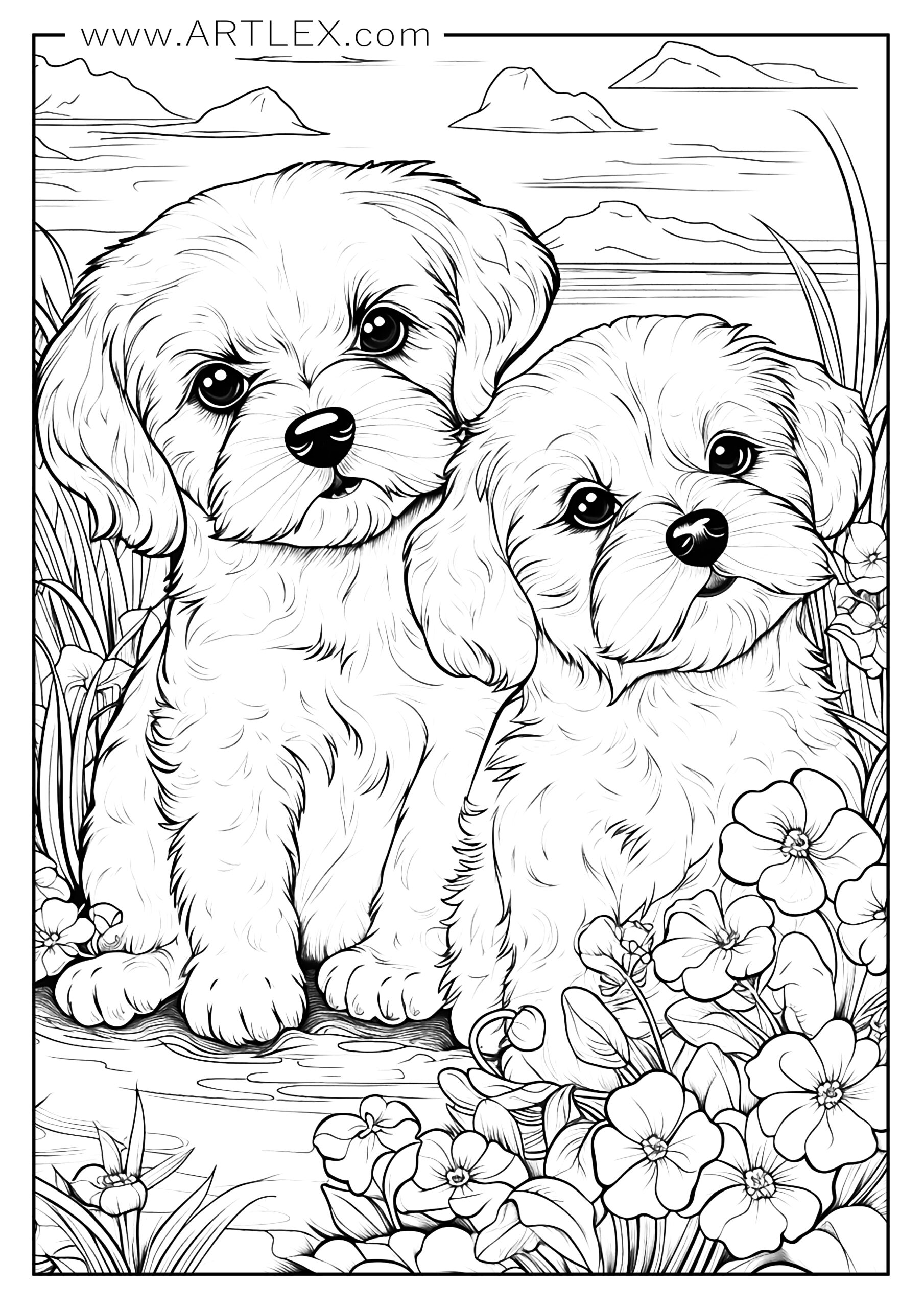
A coloring pages download provides printable graphic templates that serve as foundational developmental tools for early fine-motor control, pencil grip stabilization, and visual-spatial tracking. According to the National Association for the Education of Young Children (NAEYC), intentional manipulation of writing utensils through structured coloring and tracing activities builds the intrinsic hand muscles required for legible manuscript writing. Educators and parents utilize digital assets from repositories like coloring worksheets to bridge creative expression with precise motor execution.
Handwriting Practice Snapshot:
- Core Focus: Digital visual art templates engineered to strengthen grip endurance and stroke control.
- Target Scope: Early childhood education settings, occupational therapy clinics, and home kindergarten environments.
- Key Recommendation: Pair digital printable assets with short-shaft triangular crayons to encourage dynamic tripod grasps.
Core Principles and Detailed Overview
A targeted coloring pages download delivers structured visual boundaries that condition young hands to regulate pressure, directional stroke limits, and spatial awareness before formal letter execution begins. Fine-motor competence relies heavily on the stabilization of the proximal joints of the shoulder and elbow, which are engaged when children fill confined visual shapes. By integrating digital printables alongside preschool worksheets, facilitators can systematically transition learners from broad, uncontrolled circular sweeps to micro-controlled linear movements. This progression mirrors the physical demands of foundational letter writing worksheets, ensuring that hand stamina and visual discrimination develop concurrently.
Key Specifications and Breakdown
| Skill Level / Grade | Target Stroke / Mechanical Focus | Pedagogical / Coaching Cue |
|---|---|---|
| Early Preschool (Ages 3-4) | Continuous circular shading and boundary containment | “Keep the crayon inside the fence while making tiny circles.” |
| Late Preschool (Ages 4-5) | Unidirectional parallel strokes and pressure modulation | “Push lightly for soft shading, press firmly for solid color.” |
| Kindergarten (Ages 5-6) | Complex intersecting boundary navigation and precision fills | “Trace the outer edge first, then shade inward smoothly.” |
Proper postural stability and grasp patterns established during early coloring tasks directly correlate with sustained handwriting endurance and legibility in later elementary grades — American Occupational Therapy Association (AOTA)
Step-by-Step Practical Application and Guidelines
Implementing a digital graphic asset effectively requires selecting high-contrast designs with thick, defined perimeter lines that provide clear visual feedback for developing eyes and hands. Educators should first inspect the printed document to verify that line weights exceed two points, which prevents frustration when young learners encounter boundary limits. Next, pair the selected template with specialized tracing worksheets to reinforce the crossover between free-form shading and rigid stroke sequencing. Practitioners must actively monitor hand posture during the coloring session, intervening immediately if fingers wrap over the shaft in a tight, static quadrupod grasp.
Common Challenges and How to Avoid Them
Premature hand fatigue and generalized avoidance behaviors during coloring sessions typically stem from selecting designs with excessive visual clutter or providing writing instruments that are excessively long and heavy. Teachers and parents resolve these mechanical barriers by scaling down print dimensions to quarter-page formats, which naturally restrict movement to the distal joints and prevent whole-arm sweeping. Furthermore, supplementing artistic exercises with targeted name practice worksheets ensures that learners maintain high engagement by connecting personalized vocabulary with structured mechanical drills.
💬 Frequently Asked Questions
Explore More Free Handwriting and Character Worksheets
Accessing a comprehensive library of developmental tools empowers educators to scaffold every phase of early literacy and motor development. Explore the complete collection of free printables, structured drills, and educational resources directly at CharacterWritingWorksheets.com to support continuous growth in young writers.
Printable Coloring Page Previews