Introduction
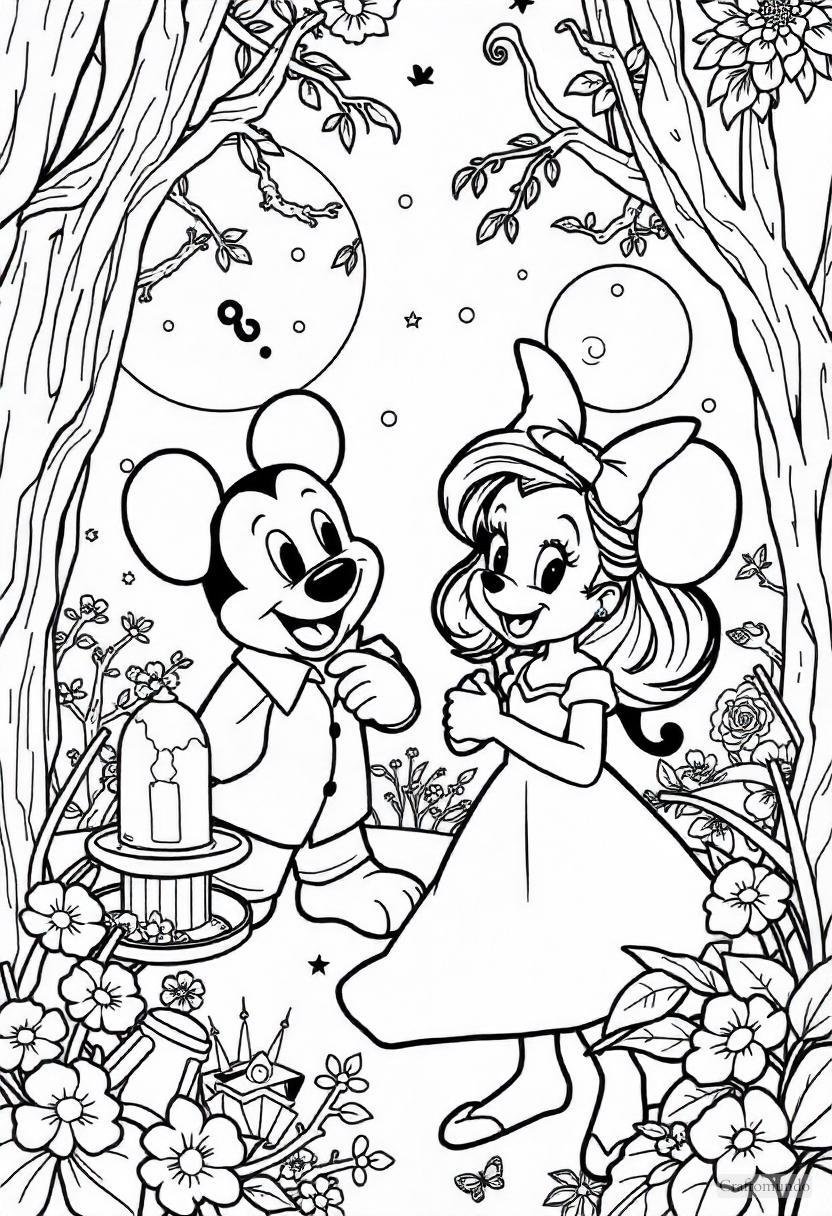
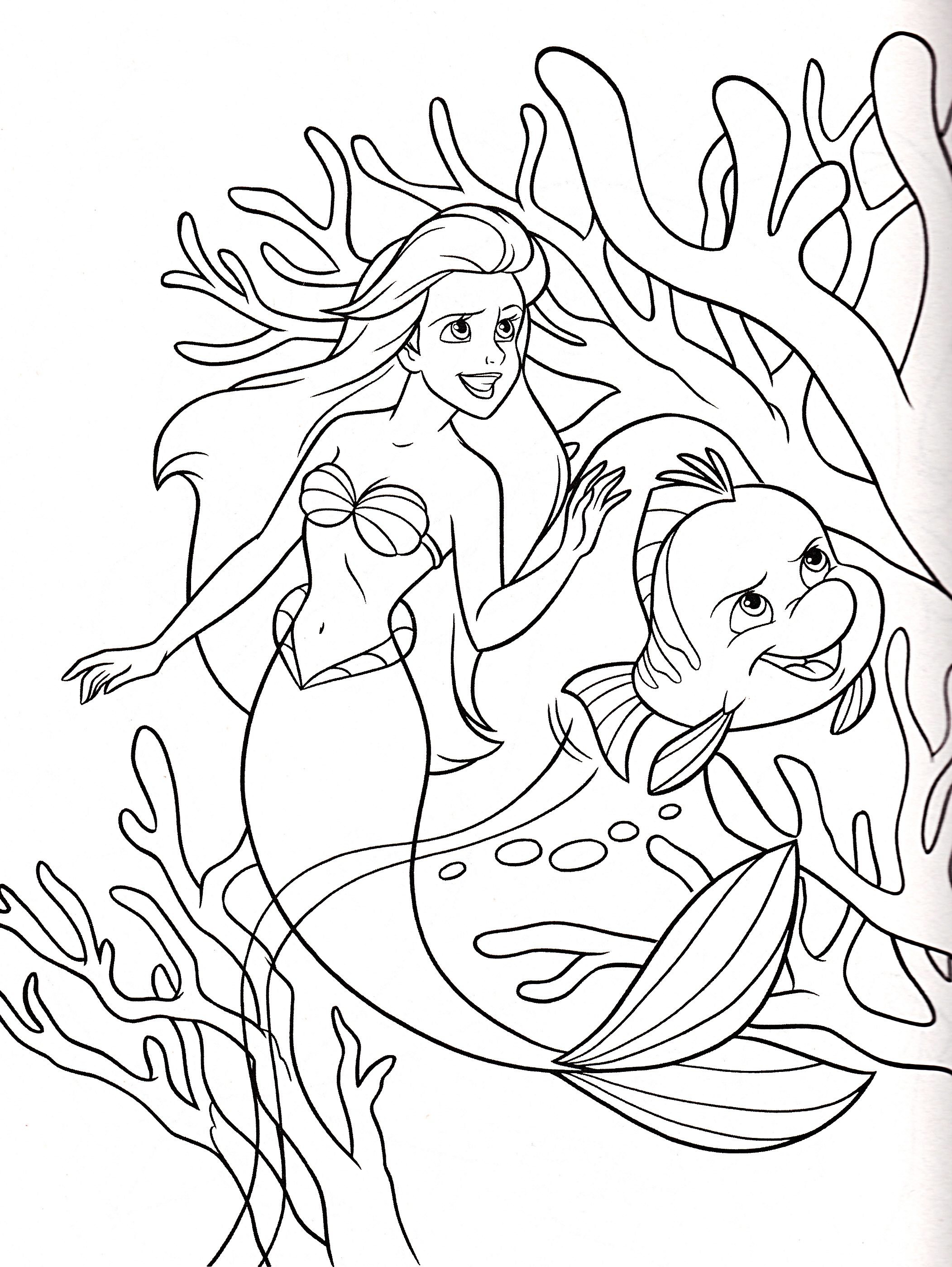
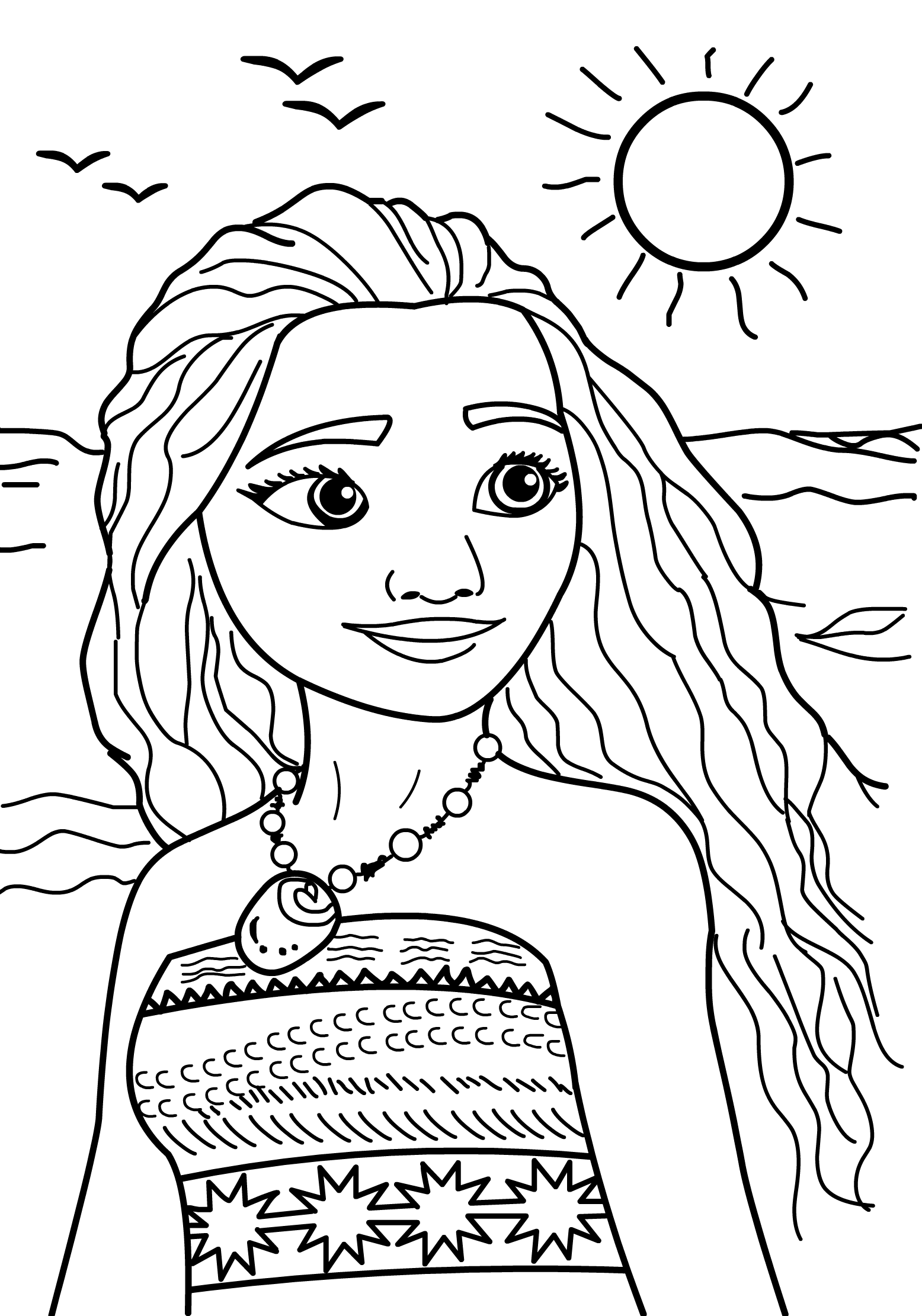
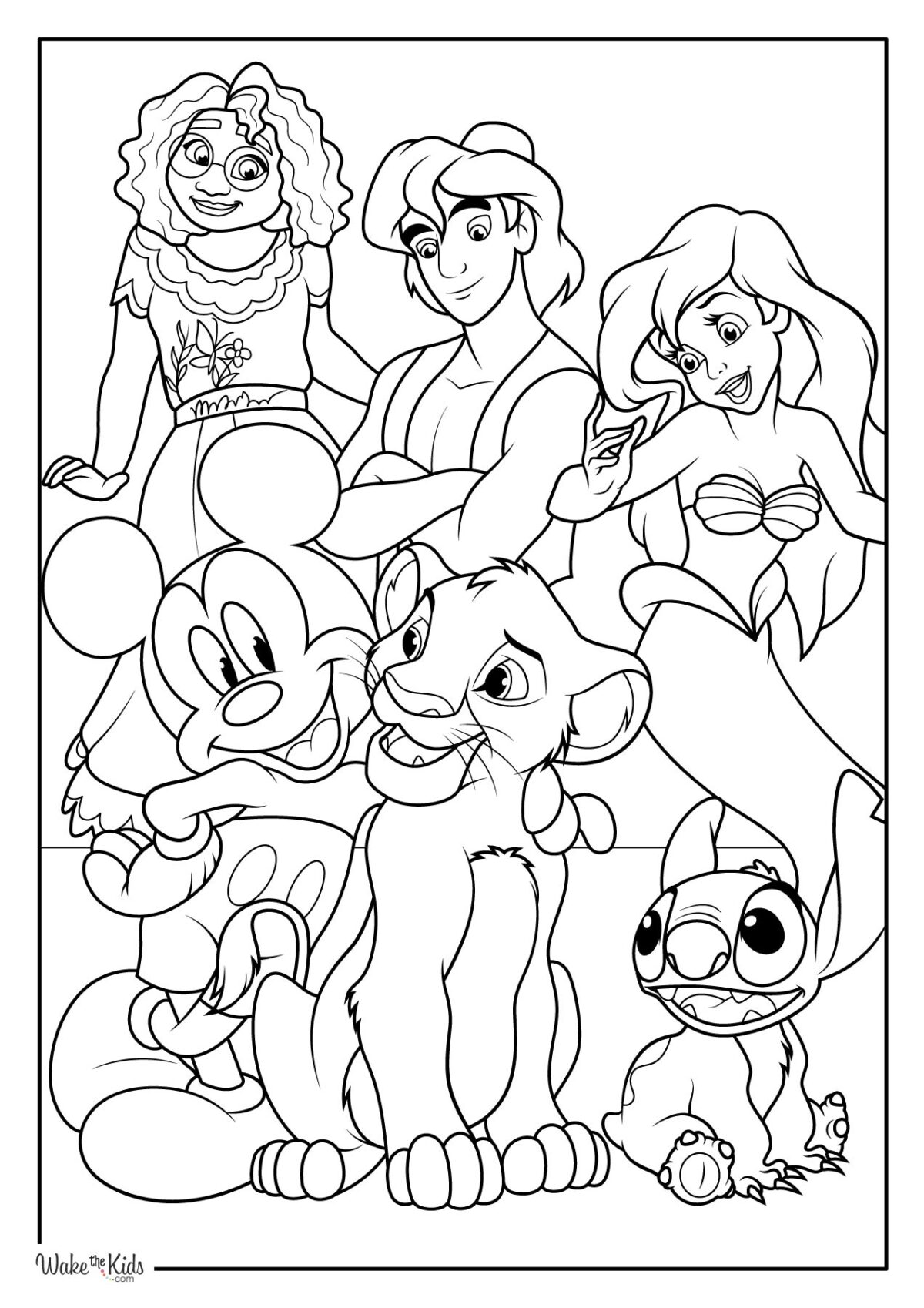
Coloring sheets disney serve as a powerful kinesthetic bridge for early childhood educators aiming to build foundational fine-motor control, pencil grip strength, and visual-spatial awareness in young learners. According to the National Association for the Education of Young Children (NAEYC), intentional manipulation of writing and coloring tools builds the intrinsic hand muscles required for successful lifelong literacy and legible character formation. Utilizing familiar character artwork transforms tedious pencil-control drills into engaging mechanical exercises that reinforce proper stroke directionality. Educators often pair these targeted motor activities with structured coloring worksheets to maximize student engagement during early morning intervention blocks. By merging beloved animated aesthetics with rigorous developmental tasks, children naturally develop the stamina needed for sustained academic writing.
Handwriting Practice Snapshot:
- Core Focus: Developing fine-motor precision and pencil control using themed visual templates.
- Target Scope: Early childhood classrooms, special education OT clinics, and home kindergarten settings.
- Key Recommendation: Enforce strict tripod grip rules while learners color intricate character borders.
Core Principles and Detailed Overview
Coloring sheets disney provide targeted opportunities for young writers to master hand-eye coordination, boundary containment, and controlled wrist movements that directly translate to letter formation. When children navigate complex outlines of recognizable figures, they unconsciously practice the exact starting points, curve progressions, and stopping mechanics utilized in letter writing worksheets. The visual interest inherent in popular character designs drastically reduces resistance to fine-motor drills, allowing educators to extend practice duration without inducing hand fatigue. Furthermore, structured shading activities establish consistent pressure regulation, teaching learners how to modulate grip force from heavy strokes to delicate outlines. Practitioners can seamlessly integrate these exercises alongside tracing worksheets to solidify spatial boundaries before introducing complex alphabetical shapes.
Key Specifications and Breakdown
| Skill Level / Grade | Target Stroke / Mechanical Focus | Pedagogical / Coaching Cue |
|---|---|---|
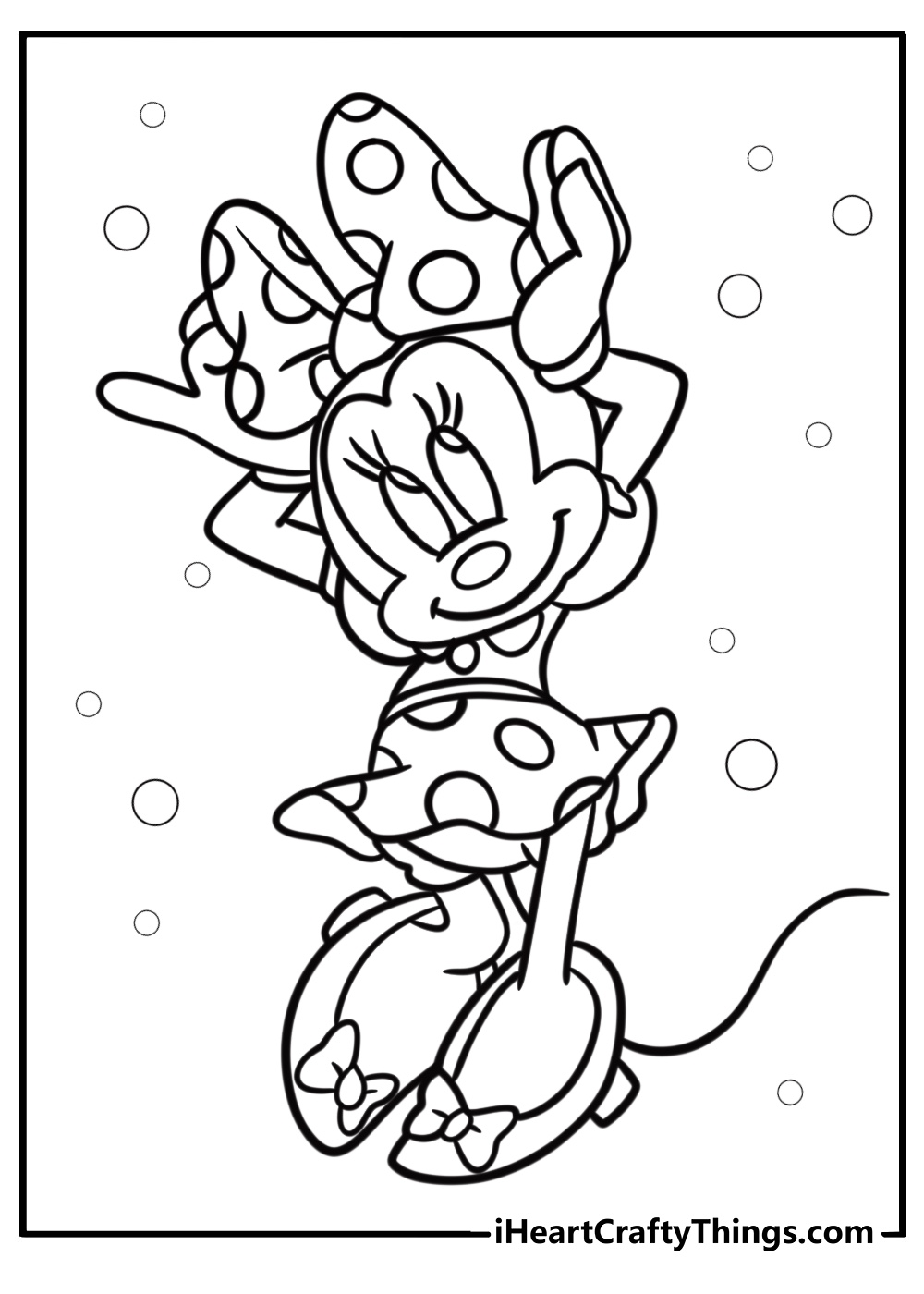
| Pre-K / Ages 3-4 | Broad circular motions and closed-shape boundary containment. | “Keep the crayon inside Mickey’s ear by moving just your fingers.” |
| Kindergarten / Age 5 | Controlled directional shading and diagonal line precision. | “Color smoothly from top to bottom like reading a book page.” |
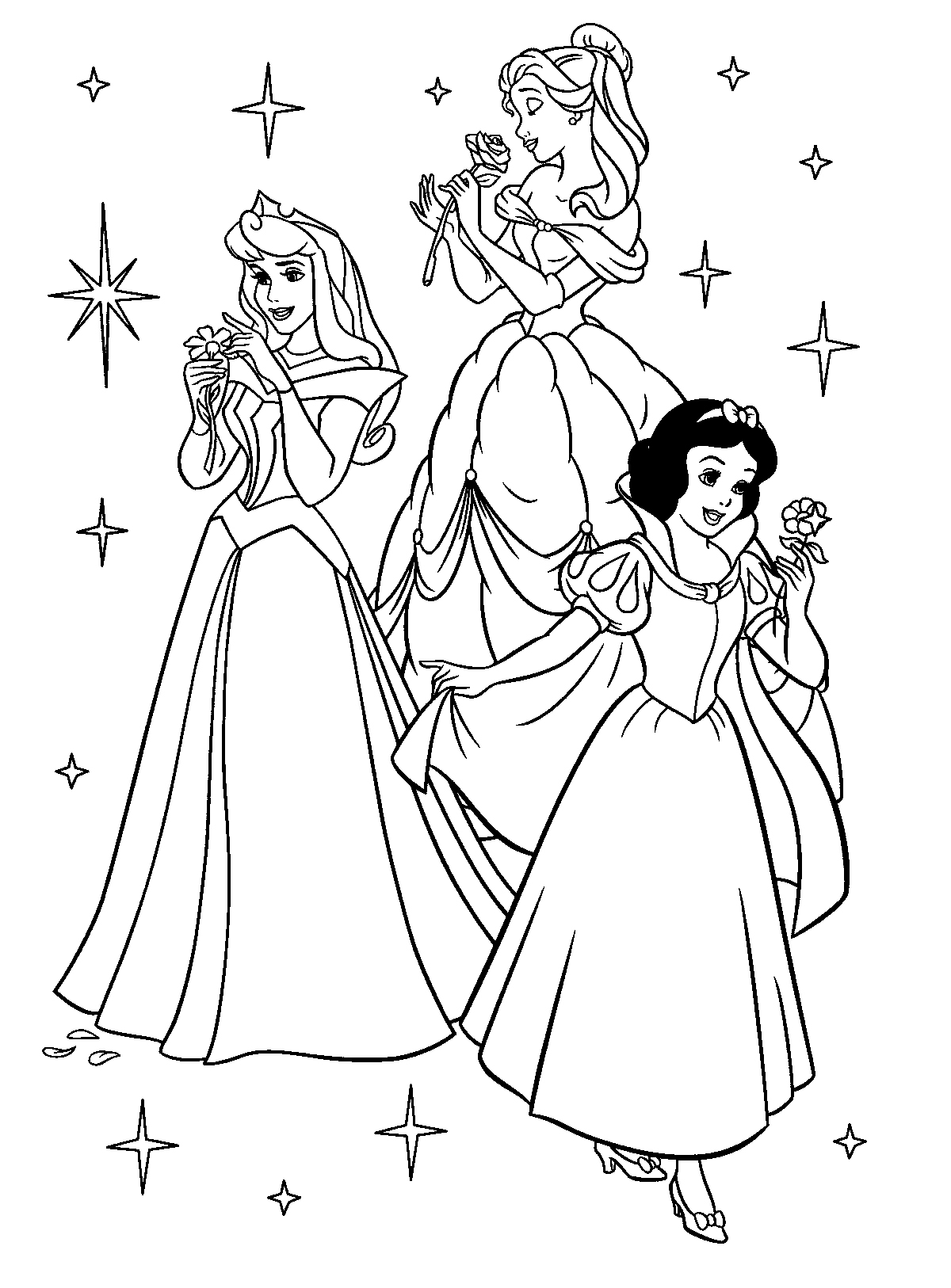
| 1st Grade / Age 6 | Micro-detailing, wrist stability, and consistent pressure modulation. | “Hold the pencil with a tight tripod grasp for Cinderella’s crown.” |
Fine-Motor Development Standard: Fine-motor control, grasp maturation, and visual-motor integration are essential prerequisites for functional handwriting and classroom literacy success. — American Occupational Therapy Association (AOTA)
Step-by-Step Practical Application and Guidelines
Integrating thematic visual prompts into handwriting curricula requires a deliberate, step-by-step methodology that prioritizes mechanical accuracy over rapid completion. Educators must first inspect the student’s grip posture, ensuring a functional dynamic tripod grasp before any pigment touches the paper. Next, instructors should direct learners to trace the outermost border of the character artwork to reinforce boundary awareness before filling in interior segments. This mechanical sequence mirrors the exact spatial planning taught in name practice worksheets where letter bounds dictate size and proportion. Finally, encourage children to color using consistent unidirectional strokes rather than chaotic scribbling, which builds the precise muscle memory required for fluent cursive and print execution.
Common Challenges and How to Avoid Them
Excessive hand fatigue, improper fist grips, and rushing through intricate details represent the most frequent obstacles encountered during thematic coloring and handwriting sessions. When children grip crayons too tightly or press down with excessive force, hand cramping occurs, leading to avoidance behavior and poor motor control. Educators can prevent this by enforcing frequent hand-stretching breaks and providing appropriately weighted, short writing utensils that naturally encourage a three-finger grasp. Additionally, addressing uneven pressure early prevents bad habits from transferring over into formal preschool worksheets and standard notebook assignments. Monitoring posture and desk height further ensures that upper body stabilization supports precise wrist and finger articulation.
💬 Frequently Asked Questions
Explore More Free Handwriting and Character Worksheets
Empowering early learners with robust motor skills requires access to diverse, high-quality developmental resources tailored to every educational milestone. Educators, homeschoolers, and parents can expand their instructional libraries by exploring the extensive collection of printable materials available across CharacterWritingWorksheets.com. Discover targeted worksheets designed to make foundational writing practice both structured and deeply engaging for every developing student.
Printable Coloring Page Previews