Introduction
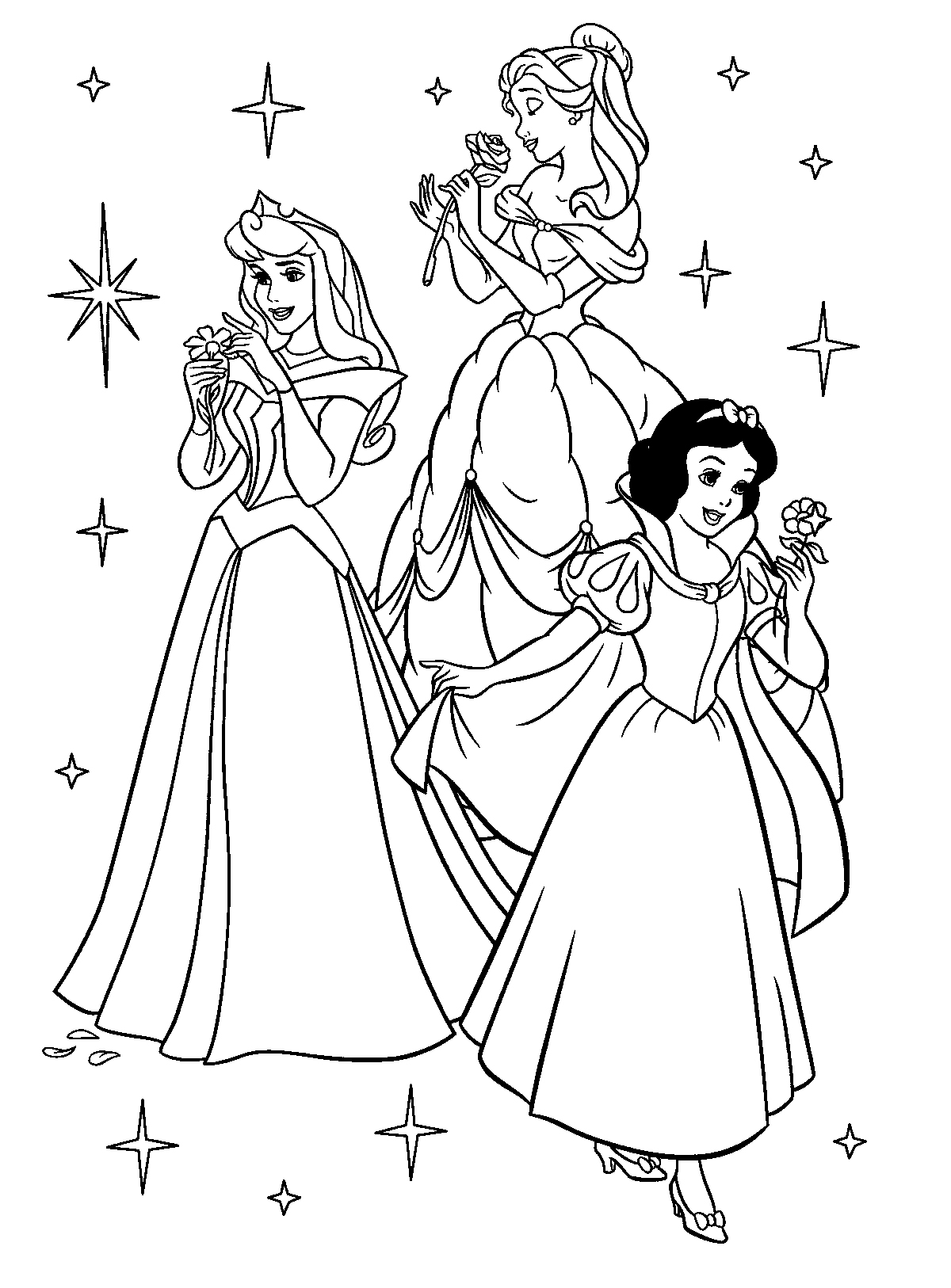
Coloring pages disney princess serve as engaging instructional tools that bridge visual engagement and foundational fine-motor skill development in early childhood education. According to the National Association for the Education of Young Children (NAEYC), purposeful play-based graphic activities significantly enhance the dexterity and muscle control required for proficient early literacy and handwriting mechanics. Utilizing familiar character artwork reduces cognitive resistance, allowing young learners to focus entirely on pencil grip, sustained pressure control, and controlled directional strokes.
Handwriting Practice Snapshot:
- Core Focus: Enhancing fine-motor control, grasp stability, and stroke fluidity through themed artistic exercises.
- Target Scope: Early childhood classrooms, homeschooling environments, and foundational occupational therapy sessions.
- Key Recommendation: Integrate boundary-constrained coloring tasks before introducing complex tracing worksheets to build intrinsic hand muscle endurance.
Core Principles and Detailed Overview
Fine-motor development directly underpins letter formation accuracy, making thematic artistic sheets a vital precursor to structured writing tasks. When young children manipulate crayons or pencils to fill complex shapes featuring beloved characters, intrinsic hand muscles—specifically the lumbricals and interossei—undergo crucial conditioning. This muscular endurance prevents early hand fatigue during extended writing sessions. Educators frequently pair artistic prompts with standard preschool worksheets to maintain high engagement while systematically targeting visual-motor integration and spatial awareness across the page.
Key Specifications and Breakdown
| Skill Level / Grade | Target Stroke / Mechanical Focus | Pedagogical / Coaching Cue |
|---|---|---|
| Early Preschool | Broad circular sweeps and gross wrist movements | Hold the pencil in a comfortable tripod grasp while keeping elbows relaxed and wrists resting softly. |
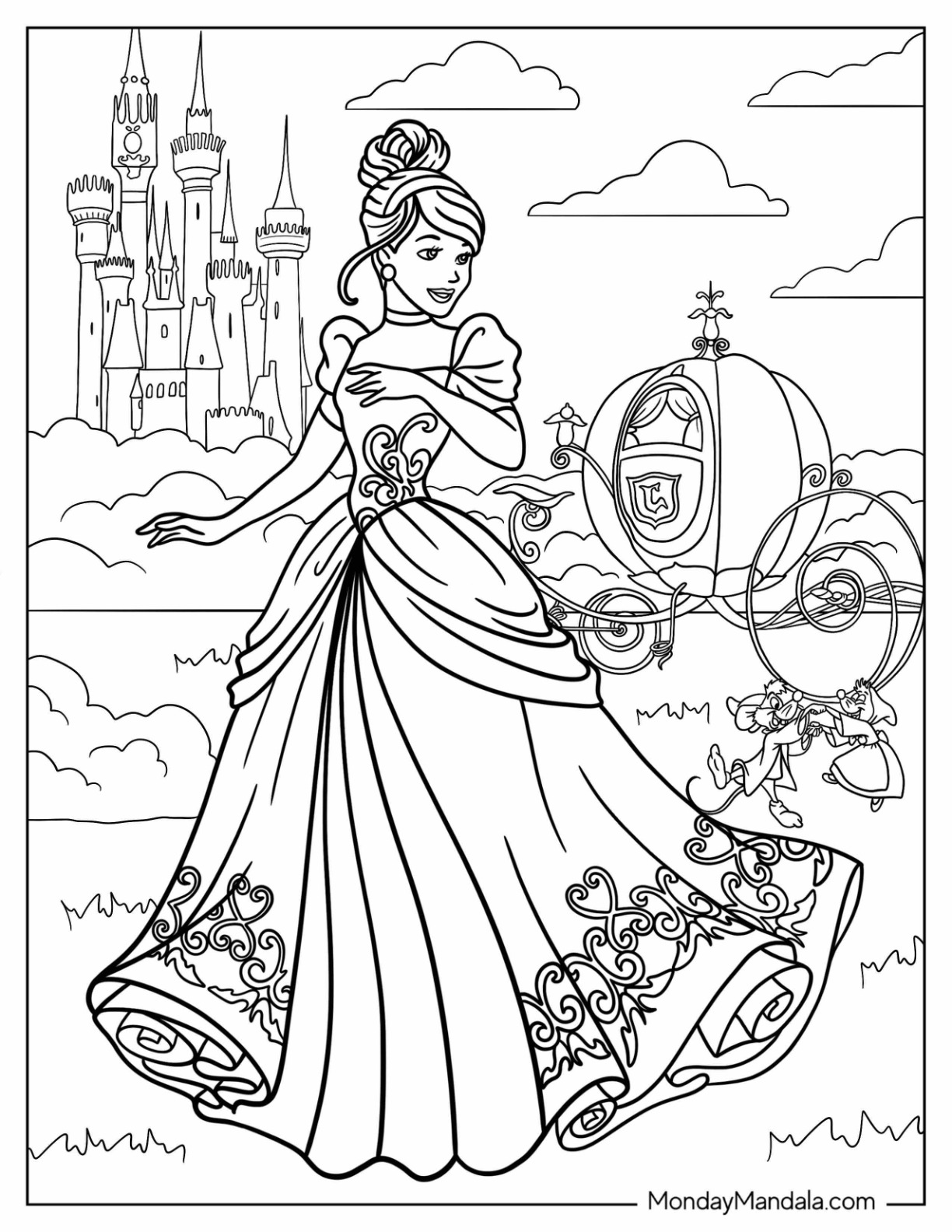
| Late Preschool | Contained directional coloring and boundary adherence | Stay inside the gown outlines by making small, overlapping side-to-side strokes without lifting the tip. |
| Kindergarten | Precision detailing, pressure modulation, and baseline control | Vary pencil pressure gently to create light shading near character crowns and dark lines along edges. |
Pedagogical Benchmark: Effective fine-motor interventions require consistent integration of dynamic tripod grasps during visual art tasks to ensure proper transfer of skills to formal writing instruction — American Occupational Therapy Association (AOTA)
Step-by-Step Practical Application and Guidelines
Implementing thematic graphic exercises requires a structured sequence that transitions uninhibited artistic expression into controlled letter-stroke precision. Begin by observing the child’s natural pencil grasp on a blank template, gently correcting thumb-wrap tendencies before coloring commences. Direct learners to outline primary character features using slow, deliberate strokes from top to bottom and left to right, mirroring standard alphabet directional rules. Once border control is mastered, transition the learner toward structured letter writing worksheets that require identical spatial restraint and continuous line control.
Common Challenges and How to Avoid Them
Children frequently struggle with premature hand fatigue, over-gripping, and crossing visual-spatial midlines while attempting complex graphic filling tasks. Educators can mitigate these physical strain points by ensuring seating ergonomics match the child’s stature, allowing both feet to rest flat on the floor for core stability. If a learner presses too hard or rushes past contour boundaries, pause the activity to demonstrate slow, rhythmic shading patterns. Following these remedial sessions with targeted name practice worksheets helps reinforce disciplined stroke boundaries in a personalized context.
💬 Frequently Asked Questions
Explore More Free Handwriting and Character Worksheets
Access a comprehensive library of educational resources, printable exercises, and specialized practice modules by visiting CharacterWritingWorksheets.com. Instructors and parents can easily download supplementary coloring worksheets alongside advanced developmental materials designed to support every phase of early literacy and penmanship growth.
Printable Coloring Page Previews