Introduction
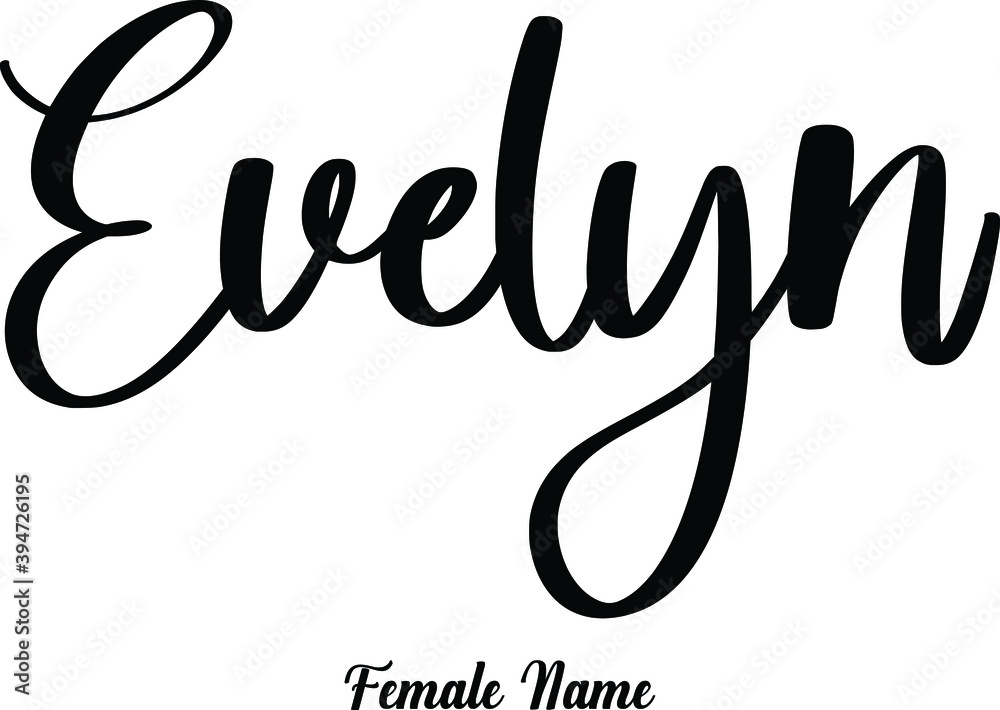
Mastering cursive script remains a pivotal milestone in elementary education, bridging foundational motor skills with fluent written expression. The free printable worksheet “evelyn cursive writing” offers targeted practice for children learning to connect distinct letters into flowing words. Watching a child struggle to form individual loops and connector strokes reveals the hidden complexity of handwriting. Developing this dexterity requires systematic guidance rather than simple repetition. Educators and therapists frequently observe that personalized text sheets dramatically boost engagement, transforming a frustrating writing drill into a rewarding exercise in personal identity and motor control.
💡 Educational Key Takeaways:
- Core Skill: Structured Evelyn Cursive Writing focused on developing pencil grip, stroke control, and early literacy/math confidence.
- Target Scope: Suited for homeschoolers, preschool, kindergarten, and elementary learners.
- Best Recommendation: Practice 10–15 minutes daily with ergonomic writing tools to reinforce muscle memory without hand fatigue.
What This Worksheet Covers
This specific printable focuses entirely on the fluid mechanics of cursive letter formation, emphasizing stroke order, slant consistency, and spatial awareness. Writing a specific name in cursive demands precise command over the pencil, moving smoothly from capital anchors to lowercase connectors. Children transition away from rigid block printing into continuous kinetic movements that engage the hand’s intrinsic muscles. Through repeated tracing and independent copying, students build the muscle memory necessary for legible, fatigue-free writing across various Letter Writing Worksheets.
Key Learning Outcomes
Targeted practice with this resource yields measurable improvements in fine motor control and visual-motor integration. Students learn to maintain a consistent slant, regulate letter size, and manage the appropriate spacing between connected strokes. According to Reading Rockets, explicit handwriting instruction significantly enhances overall spelling, reading fluency, and written composition by freeing up cognitive capacity. Furthermore, seeing a familiar name rendered in elegant cursive fosters a deep sense of ownership and pride in academic progress, which naturally bridges into broader Name Practice Worksheets for daily reinforcement.
How to Use This Worksheet
Successful implementation begins with posture check and proper pencil grasp, ensuring the hand rests comfortably below the writing line. Adults should guide the child through an initial tracing phase, pointing out where the pencil starts, rises, and drops below the baseline. It sounds simple, and that’s the point, but rushing children through the sequence often cements poor biomechanical habits. After several guided runs, the learner moves to independent attempts on blank primary lines. For additional pre-writing skill checks and foundational line accuracy, educators often pair these cursive exercises with targeted Tracing Worksheets.
Practical Tips for Parents and Teachers
Children frequently press far too hard on the paper when attempting complex cursive loops, leading to hand cramping and early fatigue. Encouraging a lighter touch helps maintain fluidity across the page. Alternating between dry-erase laminates and standard paper keeps practice engaging without overwhelming the student. Short, daily sessions lasting five to ten minutes yield far better neurological retention than lengthy weekly marathons. Keeping a relaxed environment ensures that the physical tension in the hand does not translate into academic frustration.
Age-Appropriate Recommendations
Introducing cursive typically aligns with second or third-grade curricula, once print handwriting achieves automaticity and baseline legibility. According to NAEYC Developmentally Appropriate Practice guidelines, tasks must match the fine motor readiness and neurological maturity of the child rather than a strict chronological age. If a younger child demonstrates exceptional hand-eye coordination and finger dexterity, short personalized name tracing can begin early. Educators implementing Common Core ELA standards frequently utilize cursive modules to support fine motor development and historical document literacy.
Explicit handwriting instruction improves overall reading, spelling, and compositional fluency by automating mechanical transcription. — Reading Rockets
Frequently Asked Questions
Explore More Free Printable Worksheets
Expanding a child’s writing toolkit requires access to diverse practice materials that target every stage of fine motor development. Exploring the complete catalog of Worksheets provides endless opportunities for skill reinforcement at home or in the classroom. From foundational pencil control exercises to advanced composition aids, targeted practice ensures every learner builds lifelong academic confidence.
Developmental Milestone & Activity Table
| Development Stage | Recommended Daily Duration | Primary Learning Objective |
|---|---|---|
| Preschool & Pre-K | 10 – 15 Minutes | Pencil grip development & basic pre-stroke lines |
| Kindergarten | 15 – 20 Minutes | Letter/number formation & spatial line awareness |
| Early Elementary (Grade 1–2) | 20 – 30 Minutes | Fluency, sentence construction & neatness |
Images References