Introduction
Spooky narratives ignite incredible imagination in older learners, yet bridging the gap between creative thought and physical handwriting often requires targeted practice tools. The free printable scary story picture writing prompts middle school worksheet provides a structured bridge for students transitioning from basic paragraphs to atmospheric, suspenseful storytelling. Classrooms and clinic spaces frequently reveal that older children freeze when faced with a blank page, overwhelmed by the dual challenge of generating plot points and executing legible handwriting. Integrating thematic visual prompts relieves the cognitive burden of brainstorming, allowing writers to channel their physical energy into pencil control, proper line spacing, and descriptive vocabulary. According to the National Center for Learning Disabilities, students who utilize graphic organizers and visual writing prompts demonstrate stronger narrative organization and reduced writing anxiety.
💡 Educational Key Takeaways:
- Core Skill: Structured Scary Story Picture Writing Prompts Middle School Worksheet focused on developing pencil grip, stroke control, and early literacy/math confidence.
- Target Scope: Suited for homeschoolers, preschool, kindergarten, and elementary learners.
- Best Recommendation: Practice 10–15 minutes daily with ergonomic writing tools to reinforce muscle memory without hand fatigue.
WhatThis Worksheet Covers
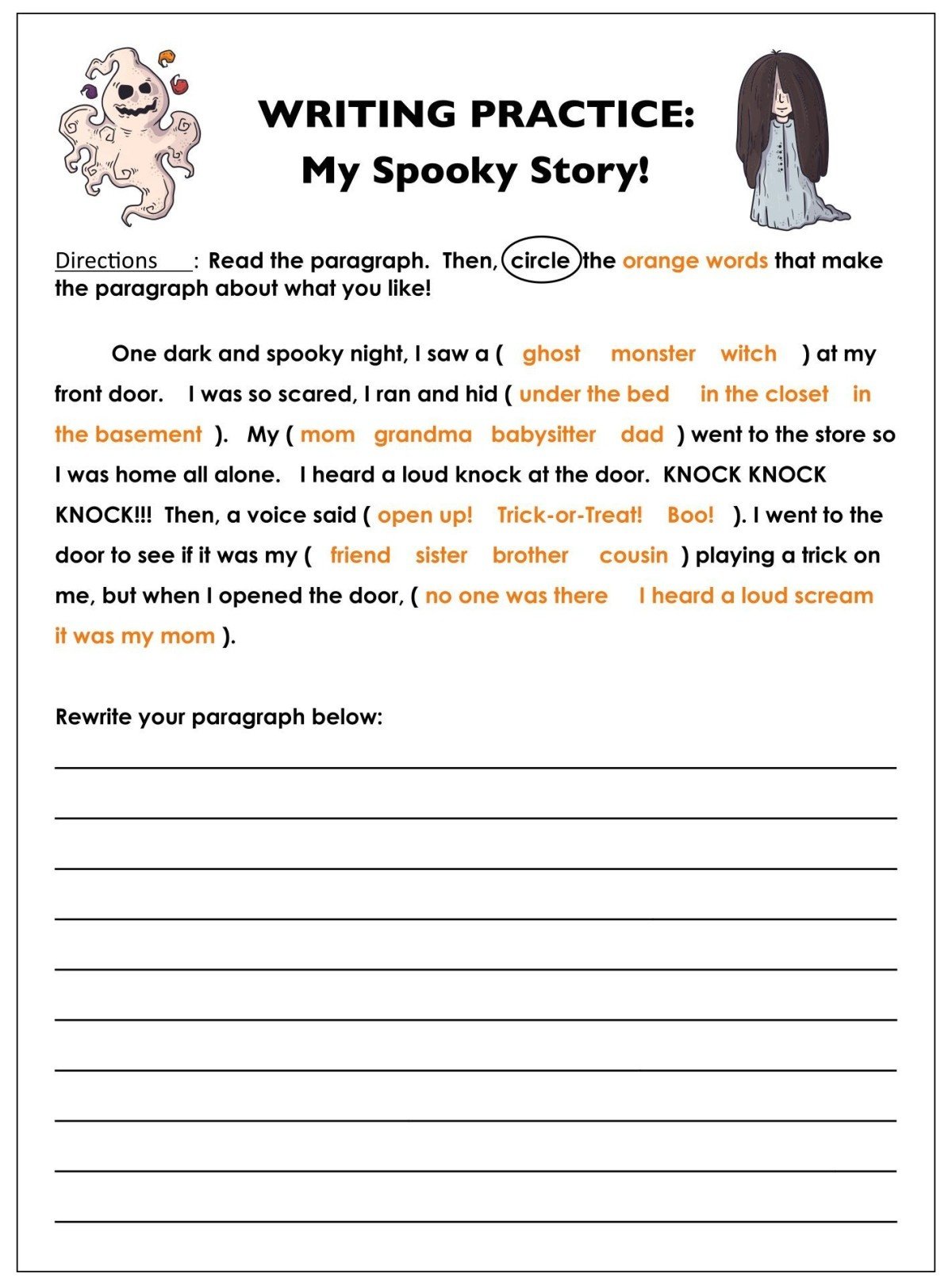
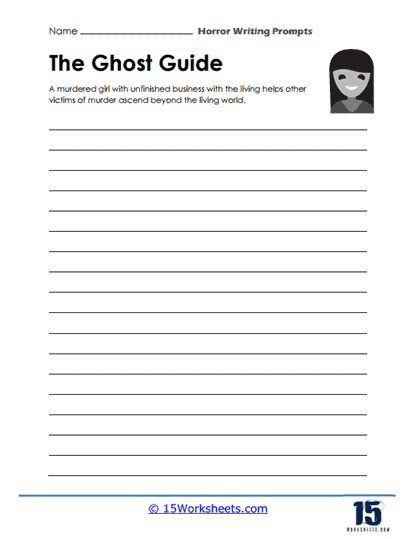
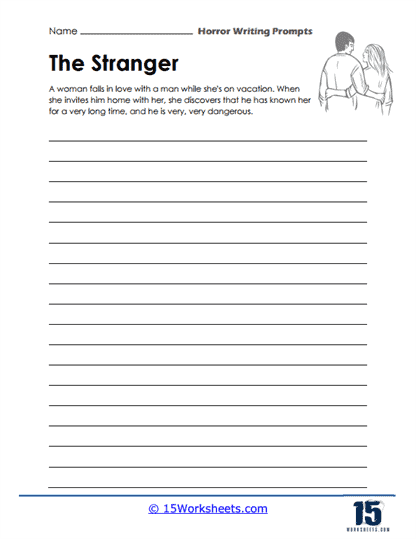
This specific resource blends creative writing mechanics with visual literacy, targeting the exact neurological pathways required for middle-grade composition. Students analyze a haunting visual cue—ranging from an abandoned cabin to a mysterious midnight path—which anchors their descriptive writing. Here’s what makes this worksheet different: it intentionally pairs atmospheric art with disciplined writing lines, encouraging learners to monitor letter height, baseline adherence, and word spacing even while drafting fast-paced thriller sequences. Educators often notice that when children are genuinely invested in a spooky narrative arc, their fine motor endurance naturally increases. Practitioners working on sustained hand function observe that suspenseful writing prompts motivate students to maintain a functional dynamic tripod grasp far longer than standard expository exercises do.
Key Learning Outcomes
Completing these themed narrative sheets strengthens multiple literacy and physical domains simultaneously. Learners build paragraph cohesion, master transitional phrases for suspense, and refine their cursive or print letter formation under realistic writing conditions. Beyond pure storytelling, the layout reinforces spatial awareness on ruled paper, ensuring ascenders and descenders stay proportionate. These foundational competencies align closely with broader literacy goals found across various Worksheets designed for developing writers. It sounds simple, and that’s the point. Removing layout confusion lets the brain focus entirely on spelling accuracy and fine motor execution.
How to Use This Worksheet
Implementation works best when adults guide children through a brief pre-writing discussion before the pencil touches the paper. Begin by examining the eerie picture prompt together, brainstorming sensory words related to darkness, wind, or strange sounds to build a working vocabulary bank. Instruct the writer to lightly sketch out their plot sequence directly on scrap paper before transferring the final draft to the printable template. This two-step process prevents messy eraser marks and hand fatigue caused by mid-sentence revisions. For younger students or those requiring foundational adaptations, pairing this activity with targeted Tracing Worksheets helps build the baseline confidence necessary for longer composition tasks.
Practical Tips for Parents and Teachers
Environmental setup plays a massive role in maintaining neat handwriting during extended creative tasks. Ensure the chair allows the child’s feet to rest flat on the floor with hips and knees at a ninety-degree angle, providing the core stability required for distal hand control. Encourage regular hand-stretching breaks every ten minutes to prevent cramping in the intrinsic muscles of the palm. If a child demonstrates excessive grip pressure—often indicated by white knuckles and broken lead—temporarily shift their focus to tactile warm-ups or specialized Letter Writing Worksheets to reset their muscle memory. Keep writing sessions enjoyable by treating the spooky prompt as a collaborative game rather than a strict assessment.
Age-Appropriate Recommendations
While originally tailored for intermediate grades, this resource adapts well for diverse developmental stages when utilizing the National Association for the Education of Young Children Developmentally Appropriate Practice framework. Upper elementary students tackle the full prompt independently, focusing on rich sensory descriptions and complex sentence structures. Younger siblings or transitional writers can use the visual element as an oral storytelling catalyst, dictating sentences to an adult while practicing their handwriting on simplified lines. Educators frequently integrate these engaging prompts alongside specialized Preschool Worksheets when designing multi-age classroom stations focused on narrative expression.
According to Reading Rockets, explicit instruction in narrative structure and visual literacy significantly improves reading comprehension and written expression outcomes for struggling students. — Reading Rockets
Frequently Asked Questions
Getting started is straightforward, and understanding the mechanics behind these spooky writing sheets ensures maximum benefit for developing learners. Clear answers regarding accessibility, fine motor integration, and evidence-based standards help caregivers maximize every printing session.
Explore More Free Printable Worksheets
Expanding a child’s writing toolkit requires access to diverse, engaging practice materials that target every stage of fine motor and literacy development. Discover additional resources by browsing through curated collections of Name Practice Worksheets and vibrant Coloring Worksheets to keep skill-building fresh, challenging, and endlessly fun.
Developmental Milestone & Activity Table
| Development Stage | Recommended Daily Duration | Primary Learning Objective |
|---|---|---|
| Preschool & Pre-K | 10 – 15 Minutes | Pencil grip development & basic pre-stroke lines |
| Kindergarten | 15 – 20 Minutes | Letter/number formation & spatial line awareness |
| Early Elementary (Grade 1–2) | 20 – 30 Minutes | Fluency, sentence construction & neatness |
Images References