Introduction
Mastering cursive handwriting remains a significant milestone in elementary education, bridging artistic expression with functional daily communication. Learning to write a specific personal identifier establishes an immediate emotional connection for young learners exploring new graphic symbols. Many children struggle initially with the fluid, continuous motions required for cursive scripts compared to traditional print. Educators frequently observe students squeezing pencils with white knuckles when attempting unfamiliar looped lines. Purposeful practice using structured resources transforms this frustration into genuine pride and steady hand coordination. For broader foundational skill-building, families often begin with dedicated tracing worksheets before advancing to connected script.
💡 Educational Key Takeaways:
- Core Skill: Structured How To Write Emily In Cursive focused on developing pencil grip, stroke control, and early literacy/math confidence.
- Target Scope: Suited for homeschoolers, preschool, kindergarten, and elementary learners.
- Best Recommendation: Practice 10–15 minutes daily with ergonomic writing tools to reinforce muscle memory without hand fatigue.
What This Worksheet Covers
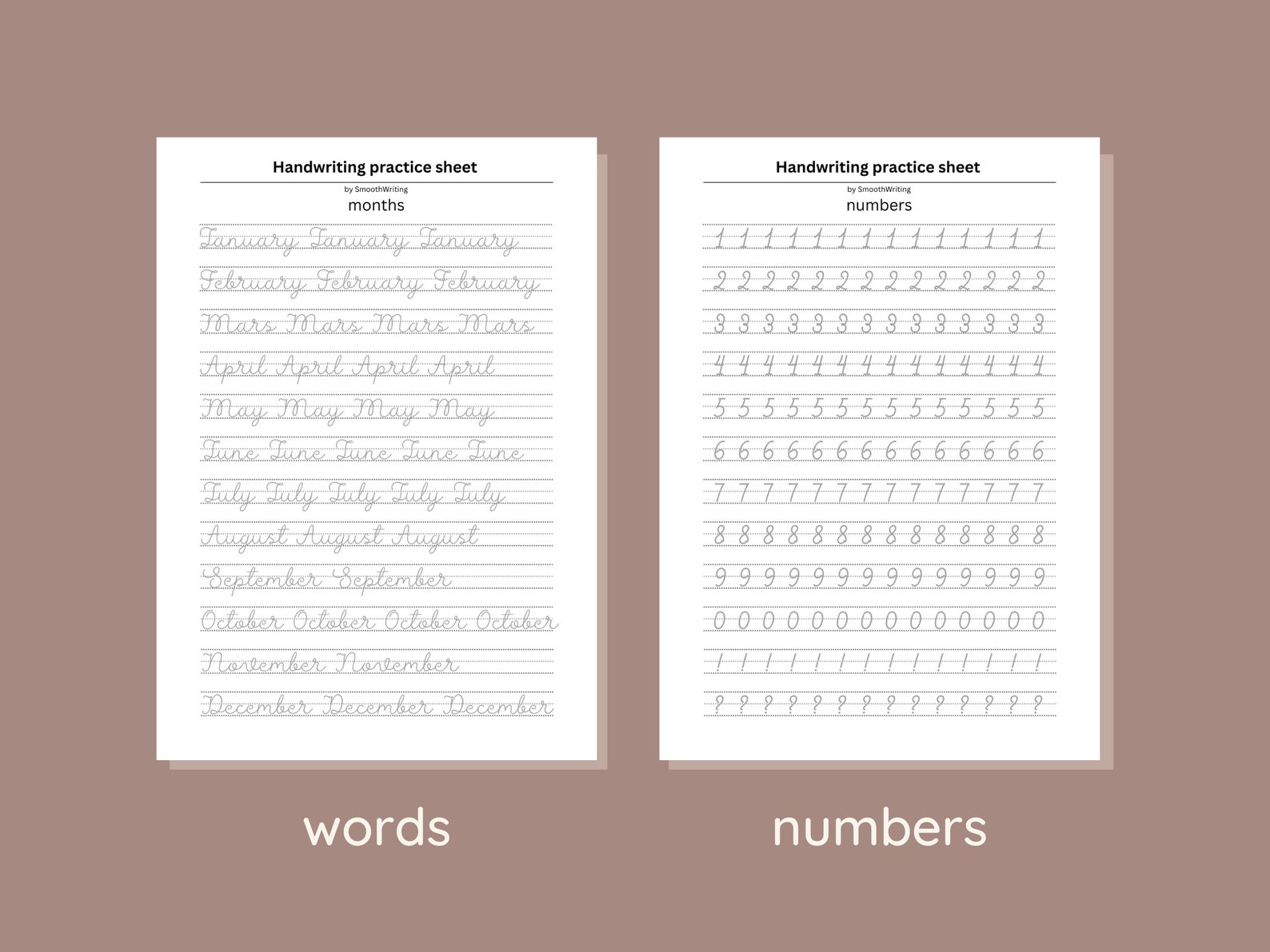
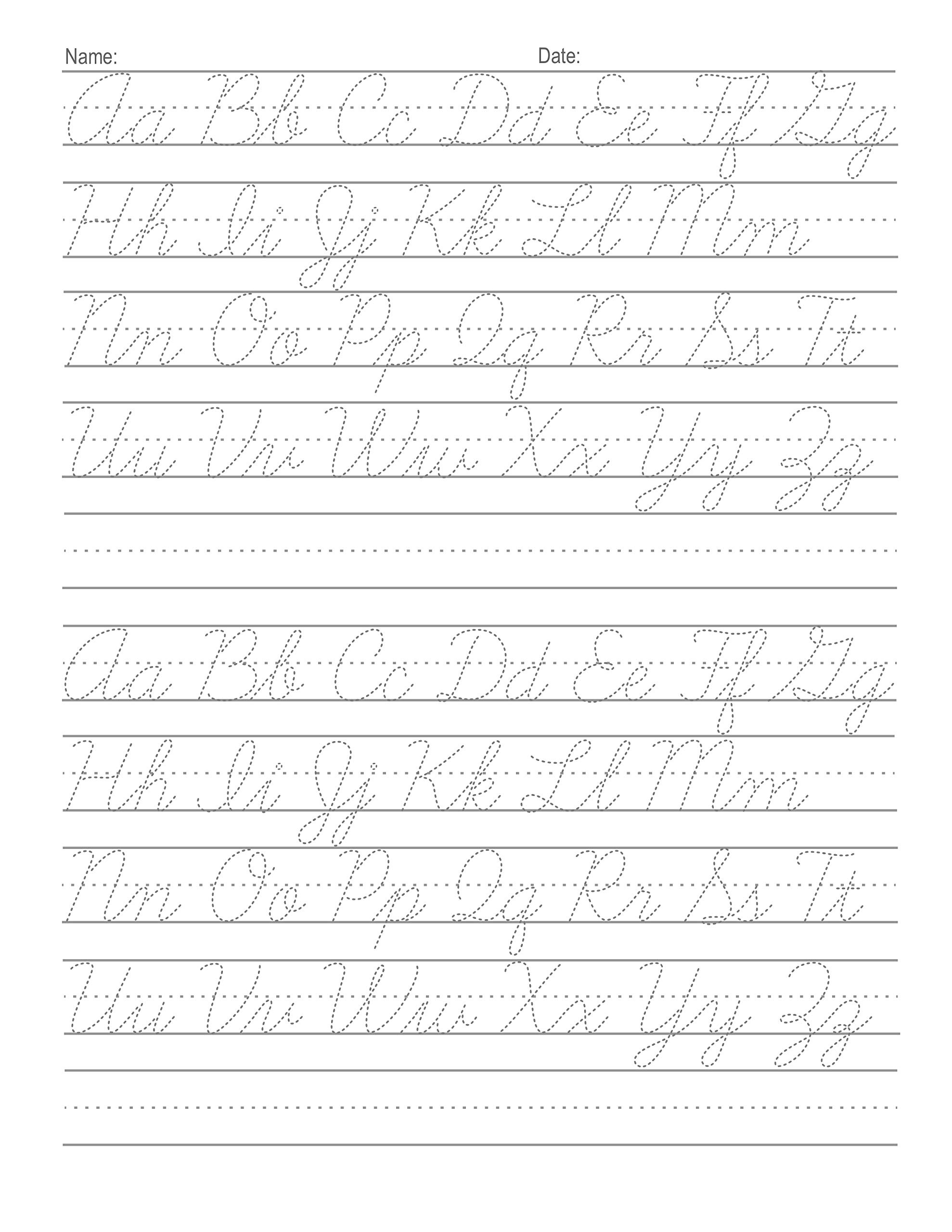
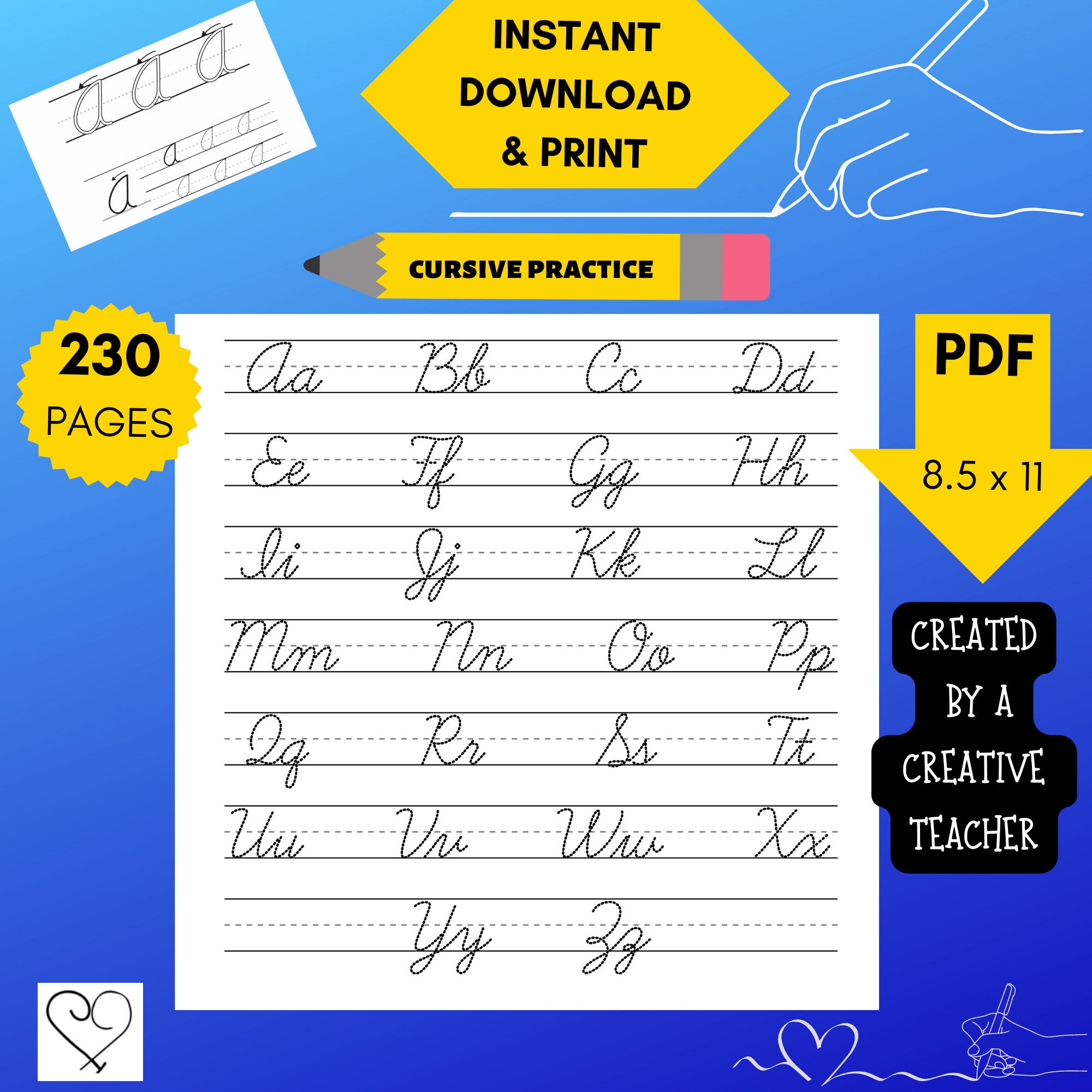
The free printable worksheet focused on how to write emily in cursive introduces children to precise letter sequencing, continuous stroke momentum, and consistent spatial awareness. Connecting letters like the capital ‘E’ into the flowing lowercase ‘m’, ‘i’, ‘l’, and ‘y’ demands specialized wrist rotation and visual-motor integration. According to the American Occupational Therapy Association, mastering functional handwriting requires the harmonious coordination of postural stability, bilateral hand use, and intrinsic hand muscle control. It sounds simple, and that’s the point: breaking down a single familiar word into manageable directional arrows helps children internalize complex motor plans without cognitive overload. Additional guidance for individual characters is readily available within specialized Letter Writing Worksheets collections.
Key Learning Outcomes
Working through this targeted cursive template refines name recognition, directional tracking from left to right, and appropriate pressure regulation on the writing surface. Children learn to maintain pencil contact across multiple letter transitions rather than lifting the writing utensil abruptly. Therapists often note that fluid letter connections reduce hand fatigue during longer writing assignments later in elementary school. Building these automatic motor pathways supports overall cognitive load management during creative writing tasks. Exploring further personalization options can be accomplished easily by utilizing various Name Practice Worksheets.
How to Use This Worksheet
Beginners benefit greatly from multisensory preparation before putting graphite or ink to paper. Tracing the oversized model letters with an index finger in the air or over a textured surface activates the necessary neural pathways for memory retention. Adults should encourage a relaxed tripod grasp, ensuring the paper tilts slightly to match the natural angle of the child’s writing hand. Here’s what makes this worksheet different: it emphasizes the rhythm of the continuous loops rather than obsessing over rigid perfection on the very first try. Consistent, short practice sessions yield vastly superior results compared to long, exhausting drills.
Practical Tips for Parents and Teachers
Creating a calm, well-lit workspace with an appropriately sized chair and desk significantly impacts fine motor output and sustained focus. If a child expresses frustration with the tricky transition from the peak of the ‘m’ to the entry stroke of the ‘i’, pause and practice that specific connection separately. Positive reinforcement focused on effort and smooth flow rather than absolute neatness keeps motivation high. Integrating these targeted printables alongside broader Worksheets ensures a balanced, engaging daily learning routine.
Age-Appropriate Recommendations
Introducing cursive name writing generally aligns with second-grade developmental milestones, as outlined by the National Association for the Education of Young Children regarding developmentally appropriate practice for fine motor control and graphic communication. Children around seven to eight years old possess the necessary hand arch development and visual-spatial maturity to execute sustained diagonal strokes smoothly. For younger siblings in preschool or kindergarten environments, focusing on pre-writing horizontal lines, circles, and intersecting shapes remains the absolute priority. Establishing strong foundational finger dexterity early prepares tiny hands for the complex demands of connected script later on.
Functional handwriting relies on the complex integration of visual-perceptual skills, fine motor control, and continuous motor planning — American Occupational Therapy Association
Frequently Asked Questions
Quick answers regarding printing, motor skill benefits, and developmental readiness help caregivers guide young learners effectively through their early cursive writing journey.
Explore More Free Printable Worksheets
Expanding a child’s writing toolkit requires access to diverse, high-quality practice materials tailored to every stage of early childhood development. Educators and parents can easily supplement cursive practice with targeted resources found across various curated categories. Exploring alternative formats helps maintain high engagement levels during independent learning stations at home or inside the classroom.
Developmental Milestone & Activity Table
| Development Stage | Recommended Daily Duration | Primary Learning Objective |
|---|---|---|
| Preschool & Pre-K | 10 – 15 Minutes | Pencil grip development & basic pre-stroke lines |
| Kindergarten | 15 – 20 Minutes | Letter/number formation & spatial line awareness |
| Early Elementary (Grade 1–2) | 20 – 30 Minutes | Fluency, sentence construction & neatness |
Images References