Introduction
Mastering cursive script remains a foundational milestone in early education, bridging the gap between basic motor control and fluent written communication. The free printable worksheet “ruby in cursive writing” offers targeted practice for children learning to connect individual letters smoothly. Young learners frequently grip pencils too tightly when encountering unfamiliar letter slopes, which leads to early hand fatigue and frustration. Educators and occupational therapists continually search for structured resources that build confidence without overwhelming the developing hand. It sounds simple, and that’s the point. Deliberate, repetitive motion transforms erratic strokes into fluid, legible cursive handwriting over time.
💡 Educational Key Takeaways:
- Core Skill: Structured Ruby In Cursive Writing focused on developing pencil grip, stroke control, and early literacy/math confidence.
- Target Scope: Suited for homeschoolers, preschool, kindergarten, and elementary learners.
- Best Recommendation: Practice 10–15 minutes daily with ergonomic writing tools to reinforce muscle memory without hand fatigue.
What This Worksheet Covers
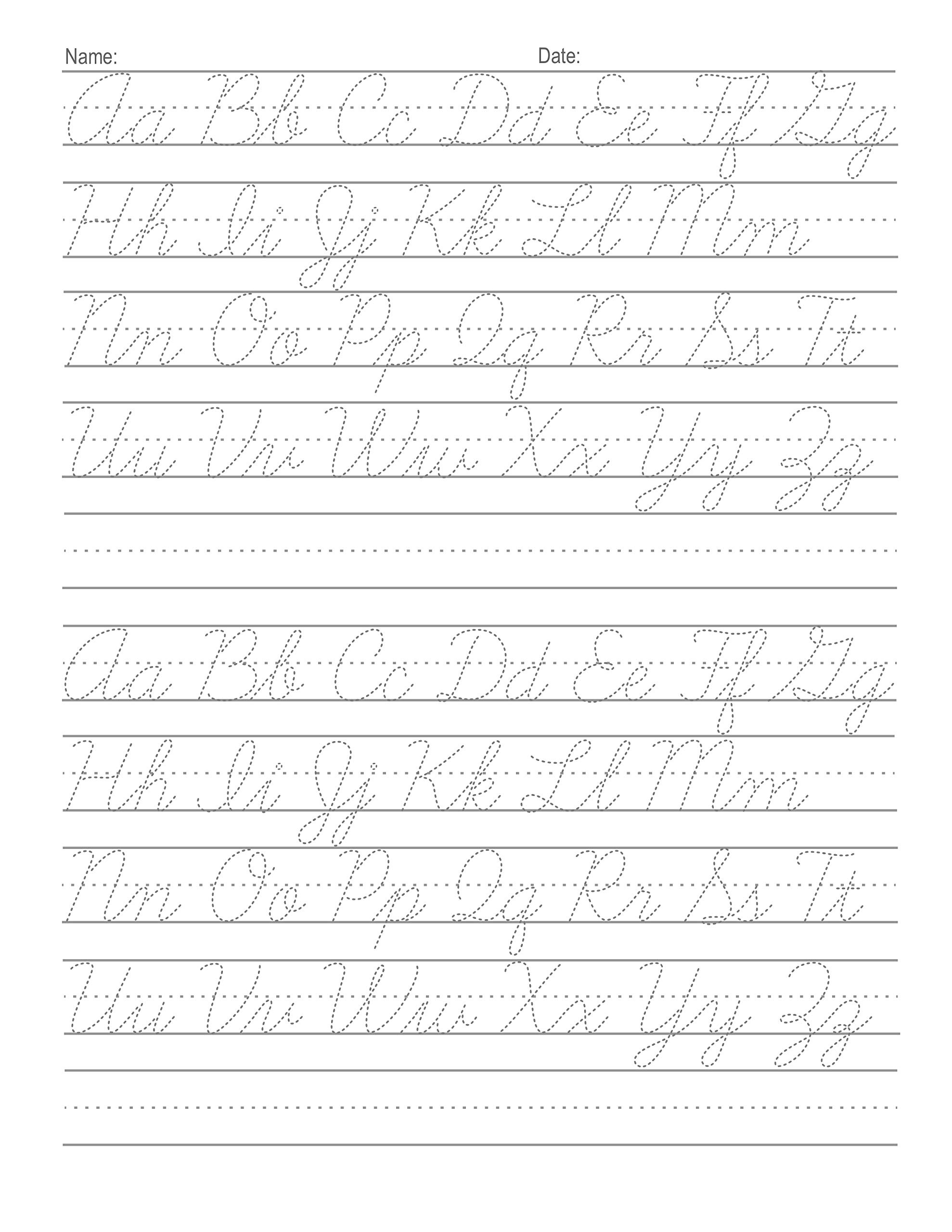
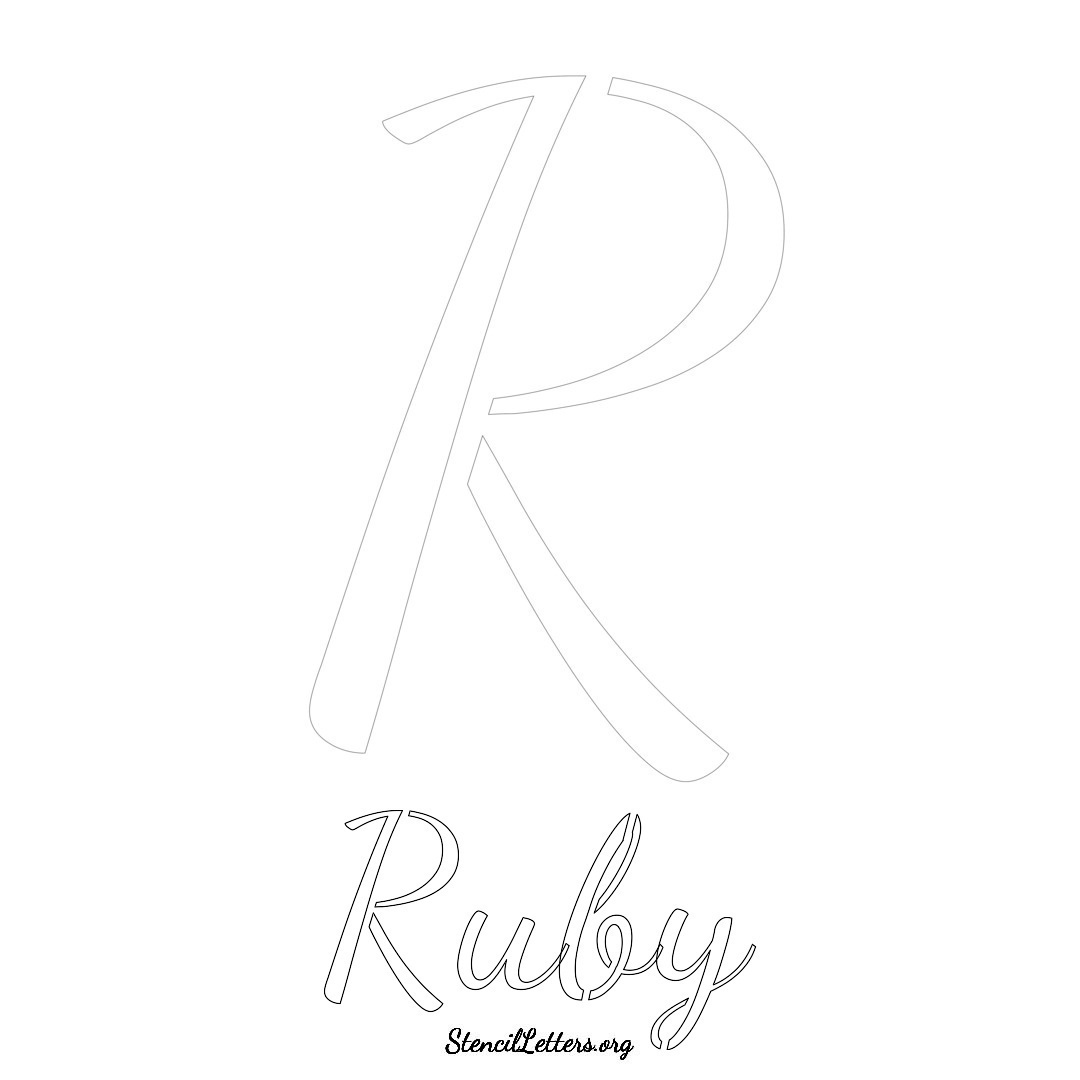
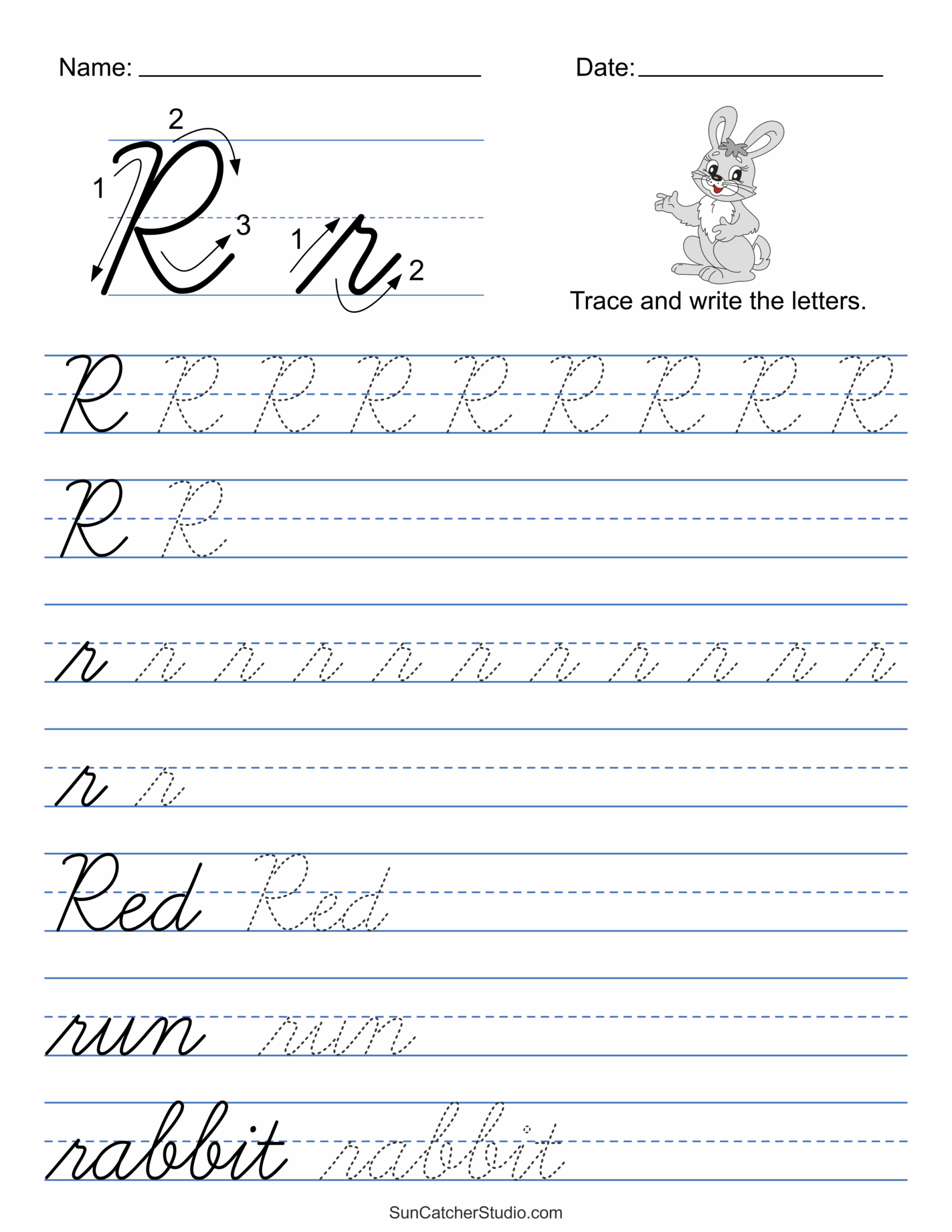
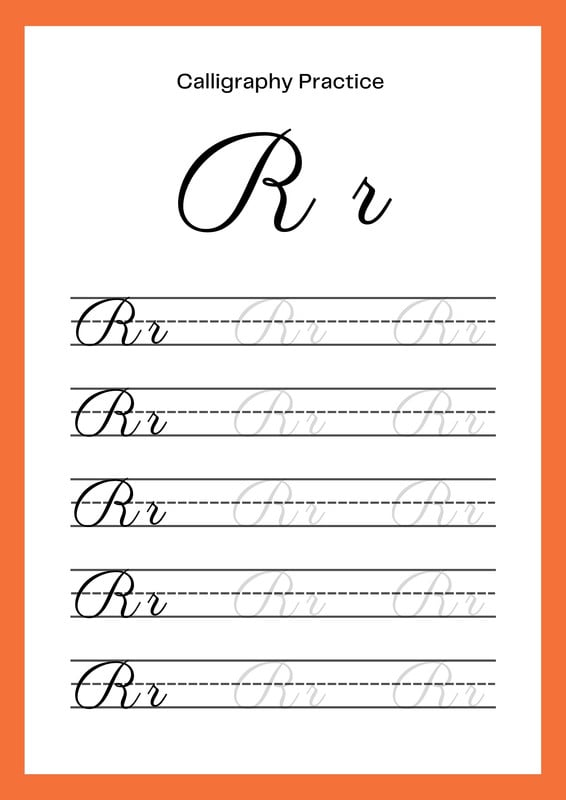
Targeting the specific sequence of letters found in the name Ruby, this printable focuses heavily on correct letter formation, stroke order, and proportional spacing. Cursive relies entirely on continuous fluidity, contrasting sharply with the disjointed nature of print writing. Children must learn how to transition from the baseline upward into the curves of the ‘r’, glide smoothly into the loop of the ‘u’, trace the double bumps of the ‘b’, and finish with the sweeping tail of the ‘y’. According to Reading Rockets, explicit instruction in letter formation is critical for reducing cognitive load during writing tasks, freeing up mental space for spelling and composition. When students practice meaningful words like given names rather than random strings of characters, engagement naturally increases.
Key Learning Outcomes
Consistent engagement with targeted Letter Writing Worksheets yields measurable improvements in fine motor dexterity. Developing writers strengthen the intrinsic muscles of the hand, which directly enhances pencil control and overall endurance during academic tasks. Beyond pure muscle memory, learners internalize directional awareness, distinguishing clearly between clockwise and counterclockwise loops. Visual-motor integration also improves significantly as the eyes track the dotted cursive guidelines across the page, matching hand movements to visual boundaries. This progression supports broader academic goals found throughout many comprehensive Worksheets designed for early elementary classrooms.
How to Use This Worksheet
Implementation requires more than simply handing a pencil to a child and expecting immediate mastery. Adults should first demonstrate the correct motion in the air or on a larger surface, emphasizing the continuous flow of the pen. Observing children in clinical and classroom settings reveals that many learners attempt to lift their writing utensils between every single letter in a cursive word. Breaking this habit involves guiding the child’s hand gently through the first few trials to feel the physical momentum required for connected script. Pairing this specific exercise with foundational Tracing Worksheets helps build the necessary baseline accuracy before tackling advanced cursive connectors.
Practical Tips for Parents and Teachers
Environment and posture dictate writing success just as much as the quality of the instructional material itself. Ensuring the child’s feet rest flat on the floor and the paper rests at a comfortable slant encourages an ergonomic wrist position. Short, frequent practice sessions yield far better results than marathon writing blocks that induce hand cramping and behavioral resistance. Allowing the child to use colorful markers or thick pencils can also transform a mundane drill into an engaging sensory activity. Adults should always praise effort and fluid motion over rigid perfection, particularly during the initial stages of cursive acquisition.
Age-Appropriate Recommendations
Introducing cursive typically aligns with second grade curriculum standards, though advanced first-grade students may begin exploring foundational loops and curves. According to the National Association for the Education of Young Children (NAEYC) guidelines on developmentally appropriate practice, fine motor expectations must match the physical and neurological readiness of the child. Forcing cursive too early can cause unnecessary muscular tension and negative attitudes toward writing. Integrating these targeted practice pages into daily routines provides a scaffolded approach that respects developmental timelines while fostering steady, attainable skill progression.
Explicit handwriting instruction significantly reduces cognitive fatigue and improves overall writing fluency in early elementary students — Reading Rockets
Frequently Asked Questions
Clear guidance helps caregivers maximize the educational value of printable writing resources.
Fine motor practice builds essential hand strength and visual-motor integration necessary for lifelong academic success — American Occupational Therapy Association (AOTA)
Explore More Free Printable Worksheets
Expanding a child’s writing toolkit involves exploring diverse formats tailored to specific developmental needs and learning styles. Practitioners often incorporate specialized Name Practice Worksheets to build personal connection and letter sequencing confidence. Younger siblings or students needing foundational readiness activities benefit greatly from exploring curated Preschool Worksheets designed to prepare small hands for formal writing instruction.
Developmental Milestone & Activity Table
| Development Stage | Recommended Daily Duration | Primary Learning Objective |
|---|---|---|
| Preschool & Pre-K | 10 – 15 Minutes | Pencil grip development & basic pre-stroke lines |
| Kindergarten | 15 – 20 Minutes | Letter/number formation & spatial line awareness |
| Early Elementary (Grade 1–2) | 20 – 30 Minutes | Fluency, sentence construction & neatness |
Images References