Introduction
Mastering the art of flowing script requires more than just picking up a pen and hoping for the best. Young learners and developing writers often struggle with the fluid transitions and precise pressure needed for ornate lettering. The free printable worksheet “sanchez in calligraphy” bridges the gap between rigid block printing and elegant cursive forms. Educators frequently notice that children grip regular pencils with white-knuckled tension when facing blank paper. Structured writing guides transform this anxiety into purposeful, rhythmic hand movements that build lasting muscle memory.
💡 Educational Key Takeaways:
- Core Skill: Structured Sanchez In Calligraphy focused on developing pencil grip, stroke control, and early literacy/math confidence.
- Target Scope: Suited for homeschoolers, preschool, kindergarten, and elementary learners.
- Best Recommendation: Practice 10–15 minutes daily with ergonomic writing tools to reinforce muscle memory without hand fatigue.
What This Worksheet Covers
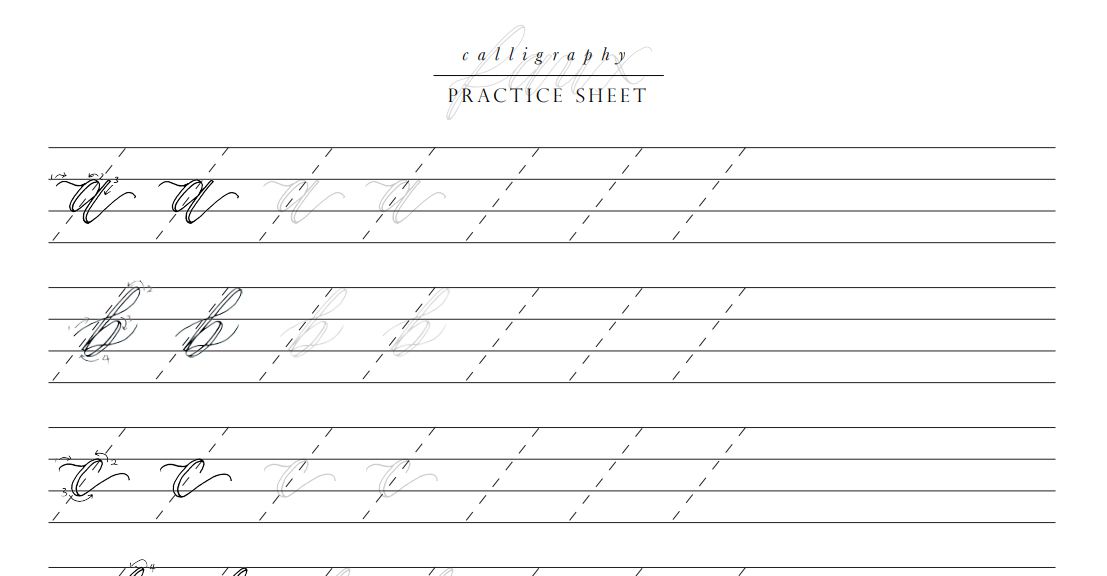
Letter formation, stroke order, and proportional spacing form the core foundation of this practice sheet. Every curved entry stroke and descending loop is mapped out to guide young hands naturally across the page. It sounds simple, and that’s the point. By breaking down complex decorative scripts into manageable segments, children learn how to control their writing implements without fatigue. According to the American Occupational Therapy Association, foundational fine motor interventions must target hand strength and dexterity simultaneously to produce functional, legible handwriting outcomes.
Key Learning Outcomes
Visual-motor integration improves dramatically as children trace repetitive script patterns. Students develop a steady rhythm, learning when to apply firm pressure for thick downstrokes and a lighter touch for delicate hair-lines. This exact control transfers directly to everyday academic tasks, reducing hand strain during long writing sessions. Exploring these concepts alongside related Letter Writing Worksheets reinforces proper letter proportions and alignment.
How to Use This Worksheet
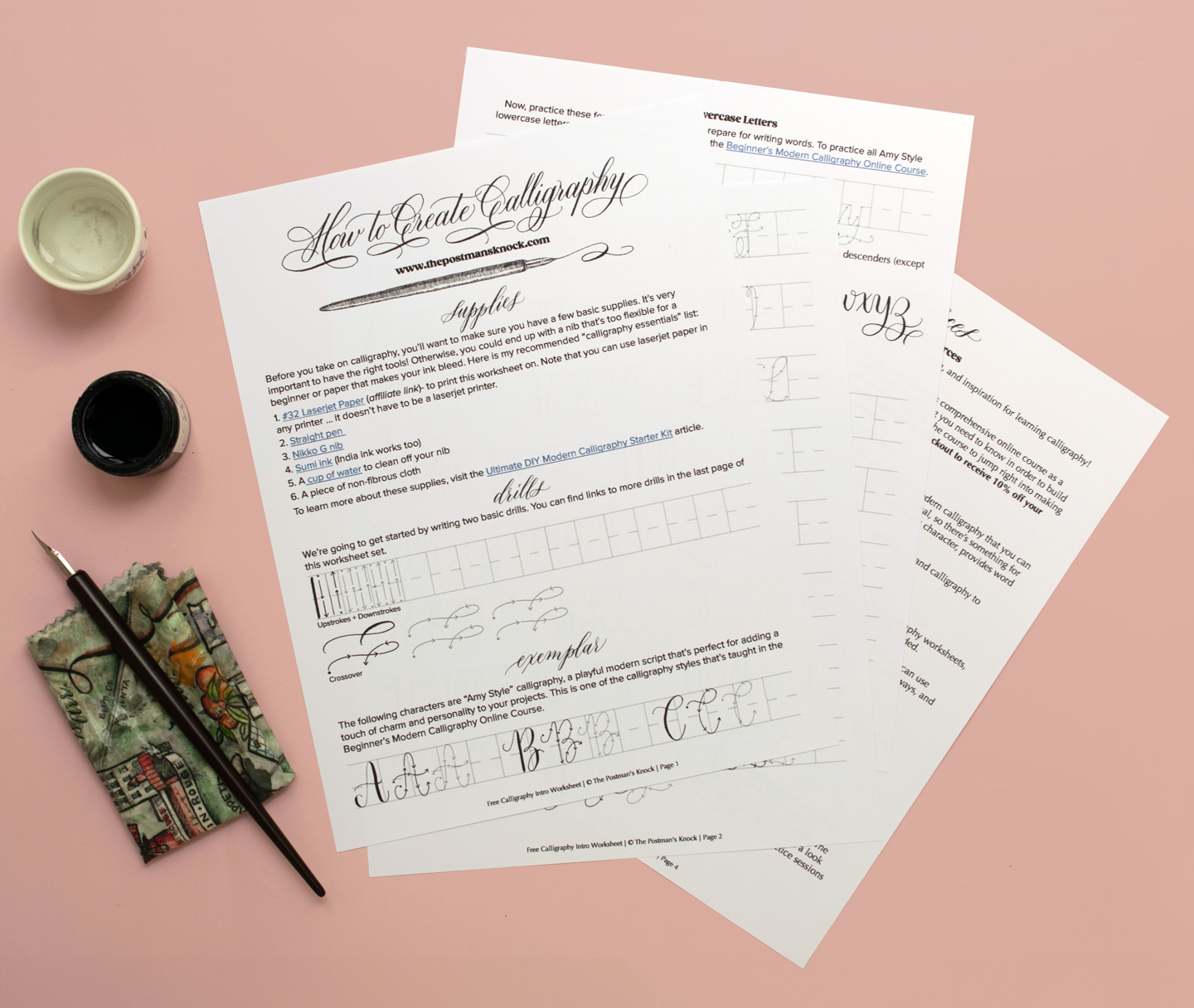
Begin the session by observing how the child holds the writing tool, ensuring a functional tripod grasp rather than a tight fist. Encourage tracing the starter letters with a finger before touching a pencil to paper, which engages kinesthetic awareness first. Here’s what makes this worksheet different: it emphasizes the flow of movement over rigid perfectionism. Children should complete just a few lines at a time to maintain focus and prevent hand cramping.
Practical Tips for Parents and Teachers
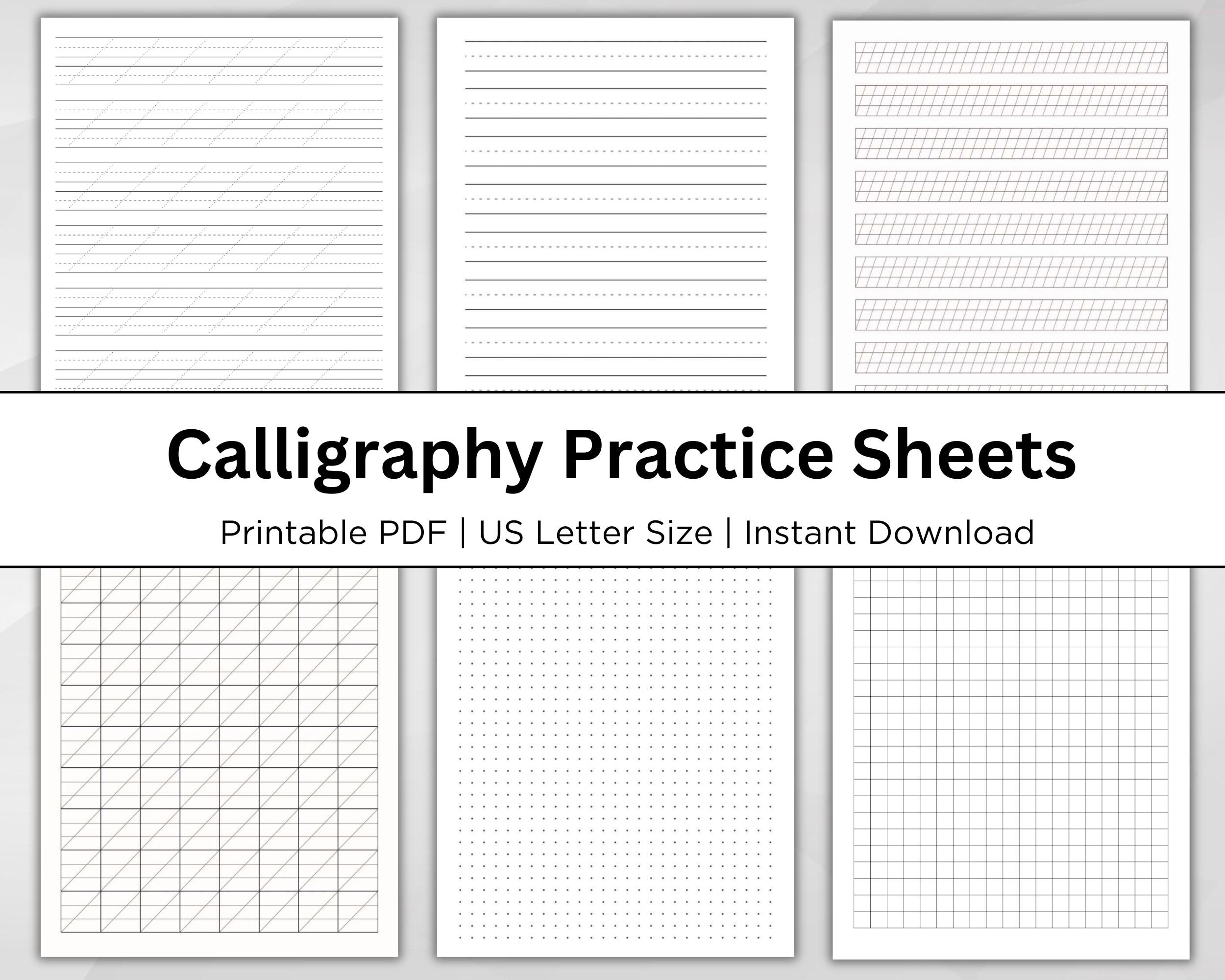
Writing on vertical surfaces occasionally helps activate shoulder stability, so taping the page to an easel or wall can yield surprising benefits. Short, consistent practice intervals work infinitely better than marathon sessions filled with frustration and tired hands. Pairing this resource with comprehensive Tracing Worksheets builds foundational pencil control needed for advanced scripts. Providing a variety of colorful fine-tip markers rather than standard pencils often increases engagement for reluctant learners.
Age-Appropriate Recommendations
Aligning with the National Association for the Education of Young Children Developmentally Appropriate Practice framework, decorative calligraphy exercises suit children aged six through eight who possess established fine motor coordination. Younger preschoolers might find the fine lines overwhelming, though they can still benefit from simpler Preschool Worksheets designed for gross motor pre-writing strokes. Children refine their bilateral hand coordination during these years, making it the ideal window to introduce stylistic lettering without causing undue physical stress.
Foundational motor skill interventions significantly improve handwriting legibility and spatial organization in early elementary students — American Occupational Therapy Association
Frequently Asked Questions
Answers to common questions regarding implementation and printing details appear below.
Explore More Free Printable Worksheets
Expanding a child’s writing toolkit involves exploring various styles and formats tailored to different developmental stages. Educators can discover numerous additional resources by browsing through standard Worksheets designed for diverse learning objectives.
Developmental Milestone & Activity Table
| Development Stage | Recommended Daily Duration | Primary Learning Objective |
|---|---|---|
| Preschool & Pre-K | 10 – 15 Minutes | Pencil grip development & basic pre-stroke lines |
| Kindergarten | 15 – 20 Minutes | Letter/number formation & spatial line awareness |
| Early Elementary (Grade 1–2) | 20 – 30 Minutes | Fluency, sentence construction & neatness |
Images References