Introduction
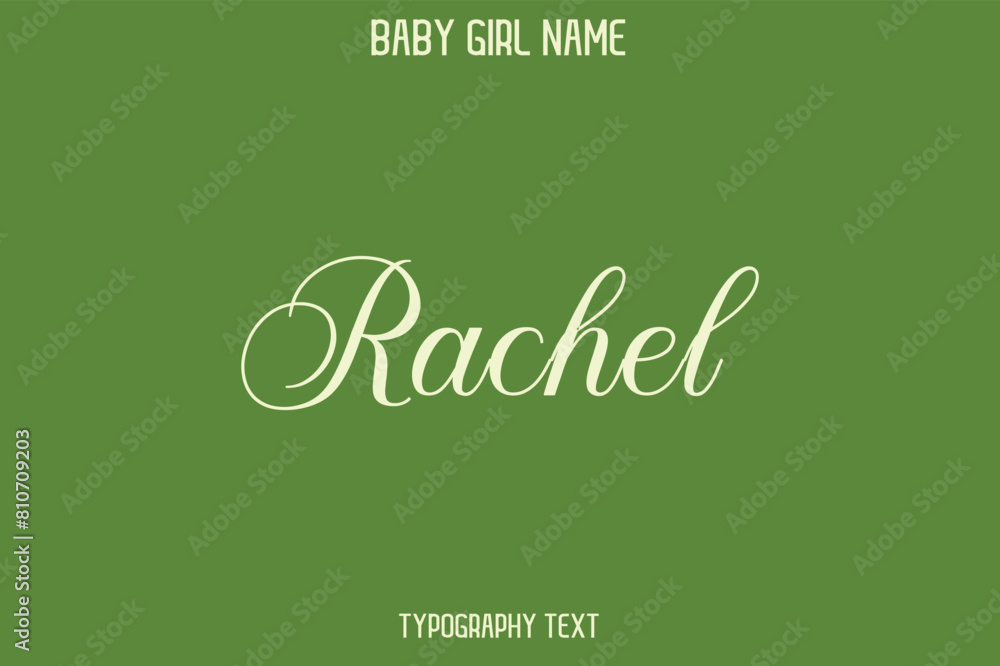
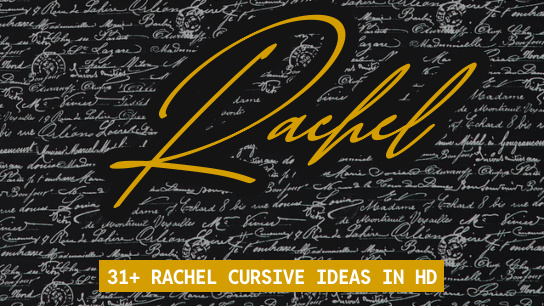
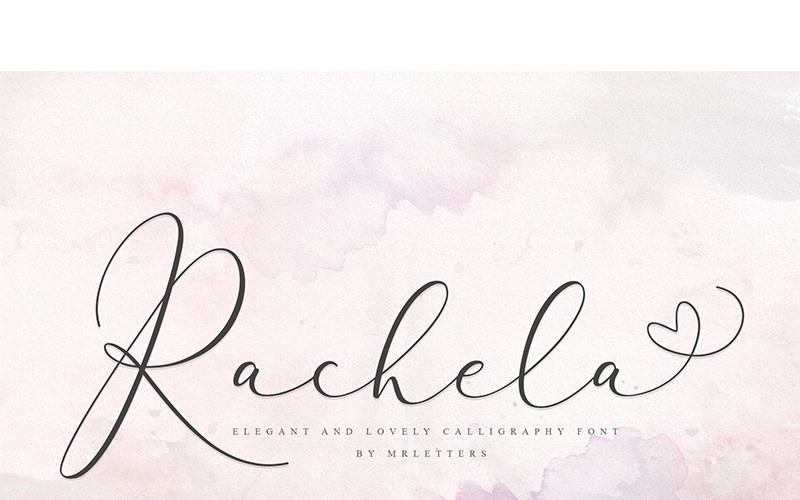
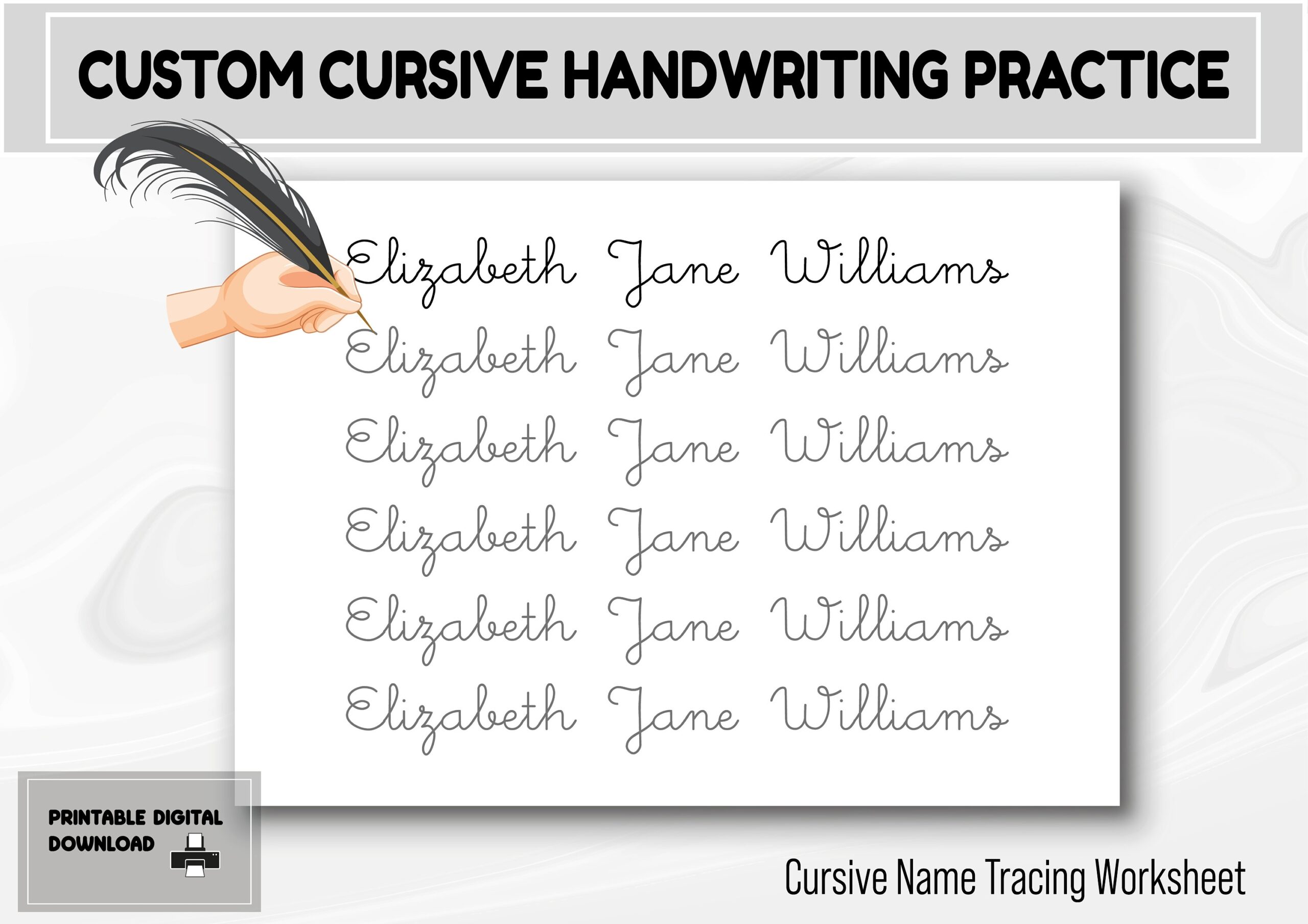
Mastering cursive writing remains an essential milestone in childhood development, bridging the gap between basic motor control and fluent written expression. When children encounter the free printable worksheet “rachel cursive”, they engage with a targeted resource designed specifically for personalized name practice. Handwriting instruction often shifts abruptly from manuscript to connected letters, causing unnecessary frustration for developing hands. Personalized name tracing tools help ease this transition by anchoring abstract loops and connecting strokes to something deeply familiar and valued: the child’s own identity. Therapists frequently observe that children approach writing tasks with vastly greater enthusiasm when the target word carries personal significance rather than generic vocabulary lists. Furthermore, continuous cursive movements rely on fluid, rhythmic motions that differ fundamentally from the discrete, stop-and-start strokes of printed block letters. Building this fluidity early supports long-term writing speed and legibility.
💡 Educational Key Takeaways:
- Core Skill: Structured Rachel Cursive focused on developing pencil grip, stroke control, and early literacy/math confidence.
- Target Scope: Suited for homeschoolers, preschool, kindergarten, and elementary learners.
- Best Recommendation: Practice 10–15 minutes daily with ergonomic writing tools to reinforce muscle memory without hand fatigue.
WhatThisWorksheetCovers
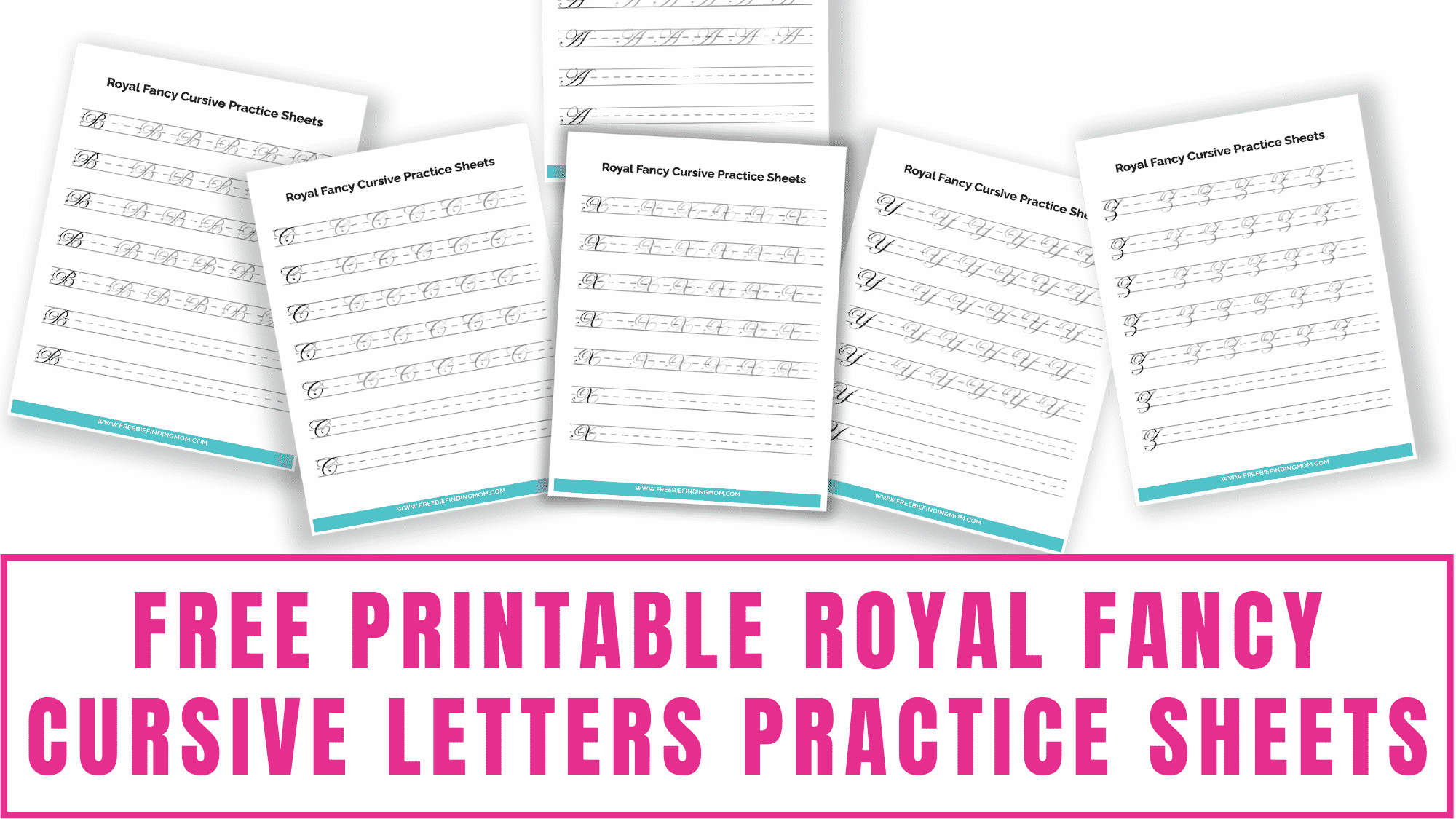
The rachel cursive printable focuses closely on letter sequencing, spatial awareness, and consistent slant. Connecting letters demands sustained bilateral coordination and precise visual-motor integration. Children must gauge the distance between baseline, midline, and top line while maintaining a fluid pencil flow. It sounds simple, and that’s the point. Yet, behind the apparent simplicity lies a complex neurological choreography. According to the American Occupational Therapy Association, handwriting requires the simultaneous integration of visual, motor, sensory, and perceptual systems. When learners trace a specific name in cursive, they reinforce directional habits that prevent common letter reversals and awkward wrist postures. This worksheet systematically guides the pencil along smooth, curved trajectories, teaching the hand where letters begin, how they link, and where they gracefully end. Practitioners can explore additional variations by reviewing related Name Practice Worksheets to build further consistency.
Key Learning Outcomes
Targeted practice sessions yield measurable improvements in pencil grip endurance and stroke fluidity. Children build muscle memory for lowercase and uppercase cursive linkages, reducing the cognitive load required simply to form individual characters. According to Reading Rockets, explicit handwriting instruction directly benefits overall literacy development by freeing up working memory for spelling and composition. As muscle memory solidifies, the hand relaxes, and cramping decreases significantly during longer writing assignments. Success with specialized sheets often sparks curiosity for broader writing exercises, making comprehensive Letter Writing Worksheets a natural next step in the learning sequence.
How to Use This Worksheet
Implementation requires more than handing over a pencil and hoping for the best. Adults should first demonstrate proper stroke sequence in the air or on a textured surface, allowing the child to feel the movement before putting lead to paper. Establishing a supportive physical environment makes an enormous difference in output quality. Feet must flatly touch the floor, hips and knees should bend at ninety-degree angles, and the non-dominant hand must stabilize the paper at a comfortable slant. Children benefit immensely from using varied writing utensils during initial trials, such as short golf pencils or weighted pens that encourage an optimal dynamic tripod grasp. Educators can also integrate foundational early skills by exploring Tracing Worksheets to prepare hands for complex cursive loops.
Practical Tips for Parents and Teachers
Short, frequent practice blocks yield superior results compared to marathon writing sessions that exhaust small hand muscles. Two to five minutes per day is plenty for building sustainable neural pathways without inducing fatigue or resistance. Here’s what makes this worksheet different: it treats writing as a kinetic art form rather than a rigid compliance test. Adults should watch closely for white-knuckle grips and gently prompt the child to loosen up. Tracing over laminated sheets with dry-erase markers adds a playful, low-stakes element that eliminates the fear of making permanent mistakes.
Age-Appropriate Recommendations
Introducing cursive typically aligns with late second grade or early third grade, according to the Common Core ELA standards (CCSS.ELA-LITERACY.L.2.1.A), once manuscript handwriting achieves a baseline level of automaticity. However, highly motivated younger children who demonstrate advanced fine motor readiness and strong spatial awareness can successfully engage with simplified name tracing sheets under close guidance. Occupational therapists recommend assessing intrinsic hand muscle strength and finger isolation before introducing complex cursive loops to prevent bad habits from taking root.
Handwriting instruction enhances letter recognition, reading fluency, and composition skills by activating distinct neural pathways associated with tactile-motor learning — Reading Rockets
Frequently Asked Questions
Parents and educators frequently ask about the best ways to integrate cursive practice into daily routines. Clear answers help streamline the teaching process and maximize skill retention.
Explore More Free Printable Worksheets
Expanding a child’s writing toolkit requires access to diverse, high-quality resources tailored to every developmental stage. Exploring general Worksheets provides endless opportunities for holistic skill building across subjects. Additionally, introducing foundational concepts early through targeted Preschool Worksheets ensures children develop the core dexterity required for advanced academic writing later in life.
Developmental Milestone & Activity Table
| Development Stage | Recommended Daily Duration | Primary Learning Objective |
|---|---|---|
| Preschool & Pre-K | 10 – 15 Minutes | Pencil grip development & basic pre-stroke lines |
| Kindergarten | 15 – 20 Minutes | Letter/number formation & spatial line awareness |
| Early Elementary (Grade 1–2) | 20 – 30 Minutes | Fluency, sentence construction & neatness |
Images References