Introduction
Preschool worksheets pdf resources provide structured, downloadable templates designed to establish foundational handwriting mechanics, proper stroke sequencing, and essential fine-motor coordination in early learners. According to the National Association for the Education of Young Children (NAEYC), purposeful early writing experiences built on developmentally appropriate practice scaffold the transition from scribbling to controlled letter formation. Accessing curated preschool worksheets ensures that educators, homeschoolers, and parents can easily print targeted materials for daily skill-building sessions without unnecessary preparation friction. Early childhood literacy relies heavily on consistent repetition, making printable digital assets an indispensable tool for targeted classroom and home instruction.
Handwriting Practice Snapshot:
- Core Focus: Preschool worksheets pdf tools establish foundational stroke mechanics and fine-motor control.
- Target Scope: Early childhood educators, homeschool environments, and parents guiding pre-writers aged three to five.
- Key Recommendation: Prioritize short, daily multisensory tracing sessions over extended mechanical drills.
Core Principles and Detailed Overview
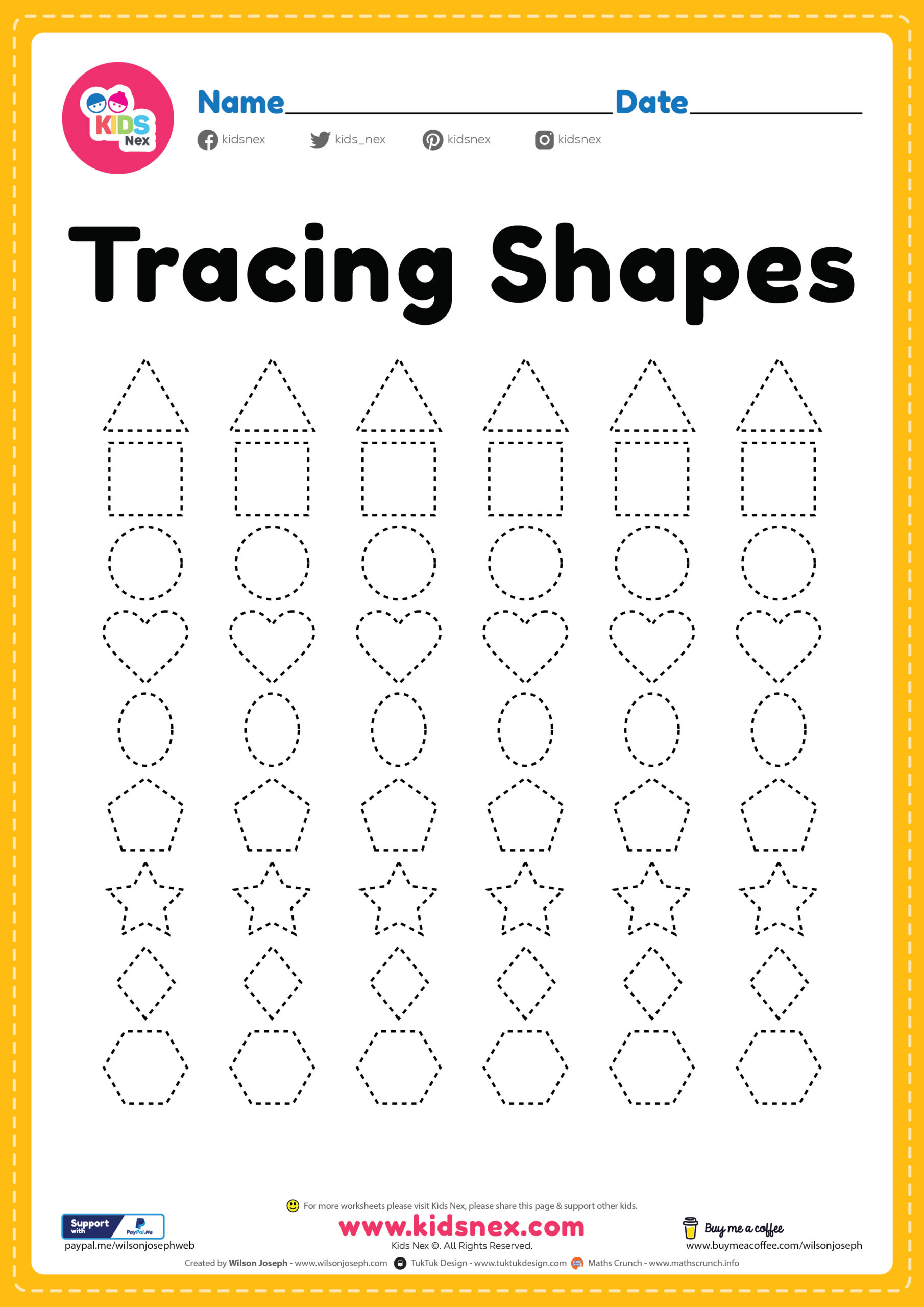
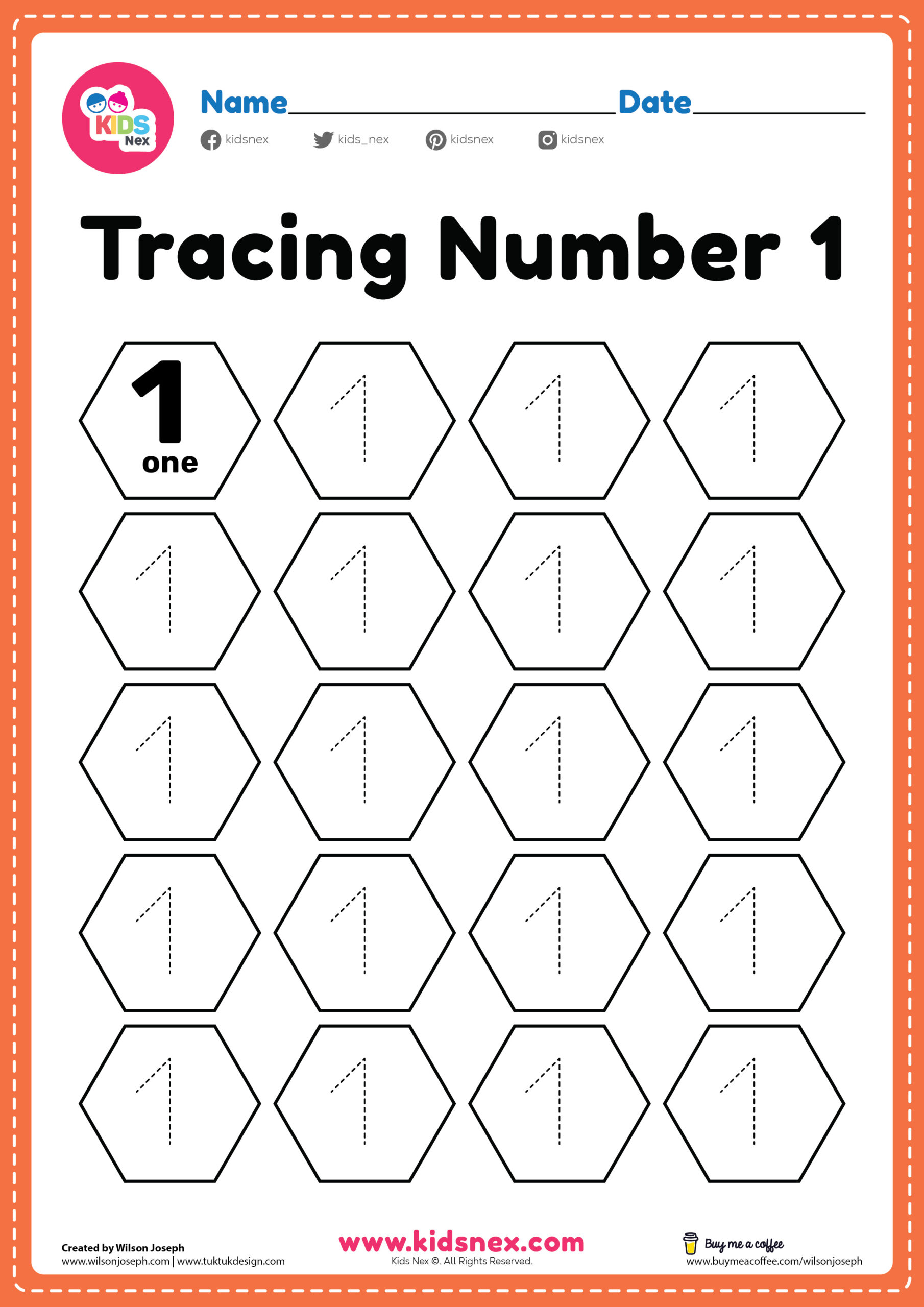
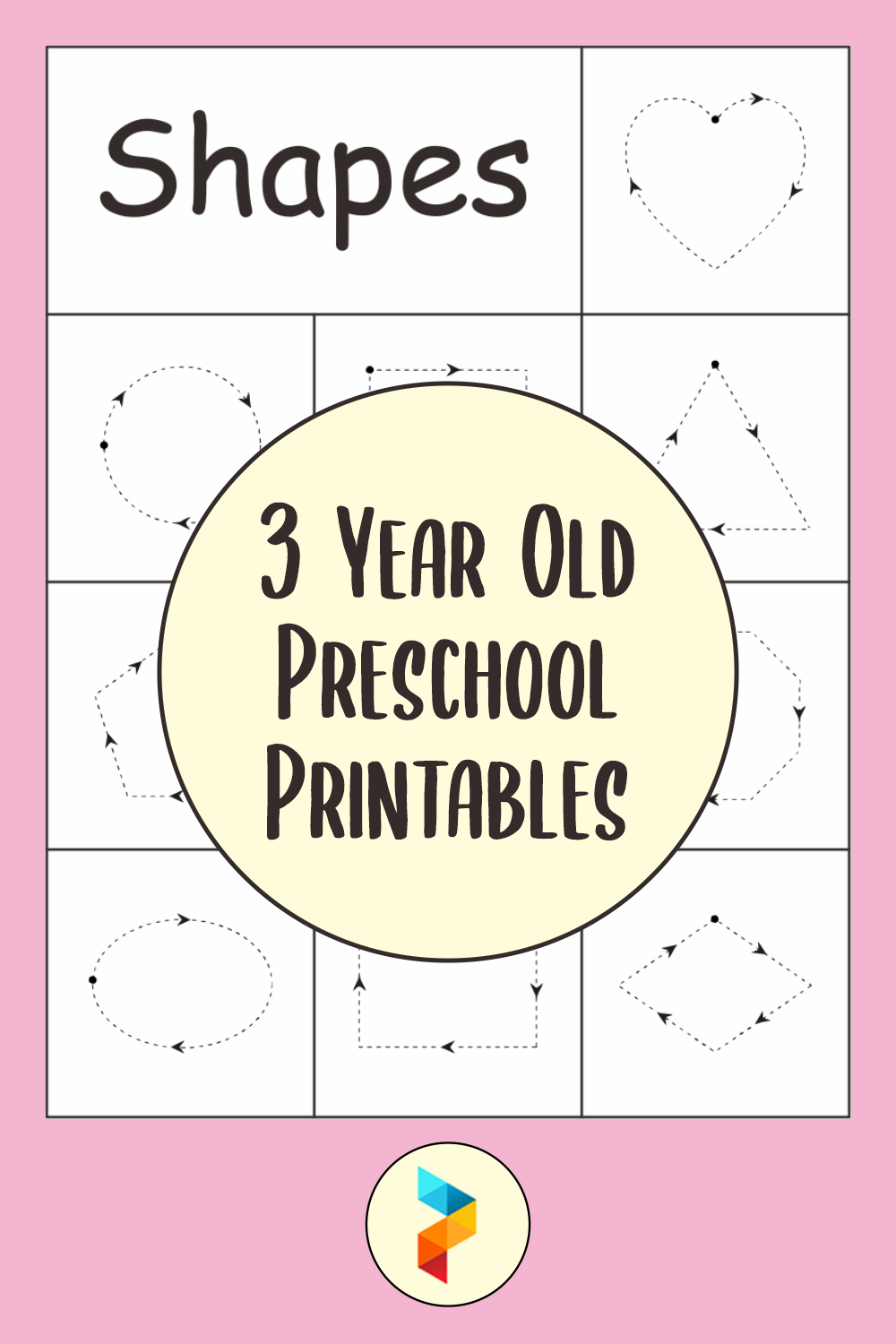
Preschool worksheets pdf files serve as physical anchors for developing hand-eye coordination, spatial awareness, and muscle memory required for legible handwriting. Direct instruction in proper pencil grasp and consistent top-to-bottom, left-to-right stroke sequences prevents the formation of inefficient habits that plague later grade levels. Utilizing structured tracing worksheets allows young children to trace pre-writing lines, geometric shapes, and early character forms within distinct visual boundaries. Pedagogical efficiency increases when educators select resources that isolate specific motor challenges, such as continuous curved loops or distinct diagonal intersections, ensuring systematic mastery before progressing to complex orthographic symbols.
Key Specifications and Breakdown
| Skill Level / Grade | Target Stroke / Mechanical Focus | Pedagogical / Coaching Cue |
|---|---|---|
| Early Preschool (Age 3) | Vertical lines, horizontal lines, and large circle formations | Start at the top and pull straight down like a falling raindrop. |
| Mid Preschool (Age 4) | Diagonal slants, intersecting crosses, and curved loops | Trace the slide downward, then cross right through the middle. |
| Late Preschool (Age 5) | Clock-face letters, baseline anchors, and directional paths | Curve around the circle like a clock starting at the two o’clock position. |
Developmental progression in fine motor control requires structured multisensory practice prior to extended paper-and-pencil tasks. — American Occupational Therapy Association (AOTA)
Step-by-Step Practical Application and Guidelines
Implementing preschool worksheets pdf materials effectively requires a deliberate sequence that moves from gross-motor air tracing to fine-motor paper execution. Educators should begin each session by modeling the target stroke on a whiteboard or tactile tray, explicitly verbalizing the directional path using consistent verbal prompts. Next, distribute printed letter writing worksheets and instruct learners to use thick, short writing utensils—such as broken crayons or specialized triangular pencils—to naturally encourage an efficient tripod grasp. Finally, monitor hand positioning and paper tilt closely, correcting posture before muscle fatigue sets in during short, five-to-ten-minute daily intervals.
Common Challenges and How to Avoid Them
Premature fatigue, improper pencil grip, and inconsistent stroke direction represent the most frequent obstacles encountered when introducing early writing templates. Educators can prevent hand cramping by limiting active writing duration and incorporating engaging coloring worksheets to strengthen intrinsic hand muscles without high cognitive pressure. When children reverse strokes or start letters from the bottom, intervene immediately with directional arrow cues, physical hand-over-hand guidance, and tactile tracing surfaces to reset the correct neuromuscular pathway.
💬 Frequently Asked Questions
Explore More Free Handwriting and Character Worksheets
Optimizing early childhood literacy requires access to a vast, flexible library of educator-approved resources designed to make handwriting instruction engaging and pedagogically sound. Explore the complete collection of printables, practice guides, and structured templates by visiting CharacterWritingWorksheets.com to support every stage of early writing development.
Worksheet Previews & Reference Materials