Introduction
Preschool worksheets for 3 year olds provide targeted tactile exercises designed to bridge fine-motor maturation with early foundational pre-writing strokes. According to the National Association for the Education of Young Children (NAEYC), young children develop literacy skills most effectively through active manipulation of physical materials and guided pre-writing patterns that reinforce hand-eye coordination. This developmental phase relies on structured preschool worksheets to build intrinsic hand muscles long before formal penmanship is expected. Utilizing high-quality instructional sheets ensures that children master proper grasp mechanics, spatial orientation, and basic directional strokes naturally.
Handwriting Practice Snapshot:
- Core Focus: Early pre-writing stroke stabilization and fine-motor control for toddlers.
- Target Scope: Early childhood educators, homeschool environments, and developmental therapists.
- Key Recommendation: Prioritize large-scale tactile tracing and vertical surface positioning to strengthen distal joints.
Core Principles and Detailed Overview
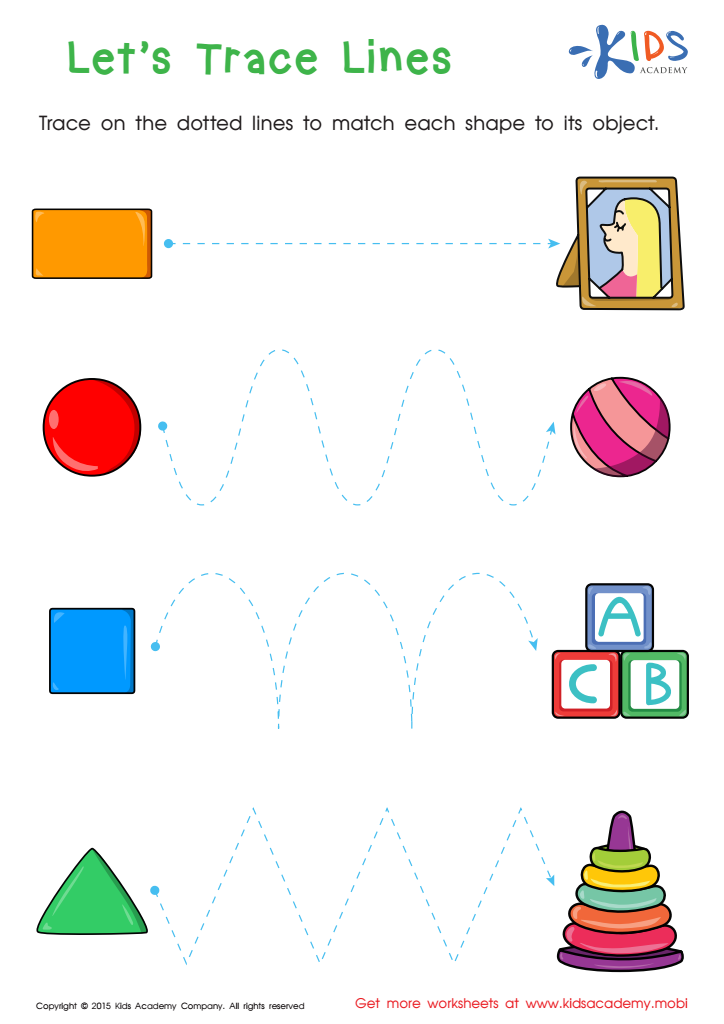
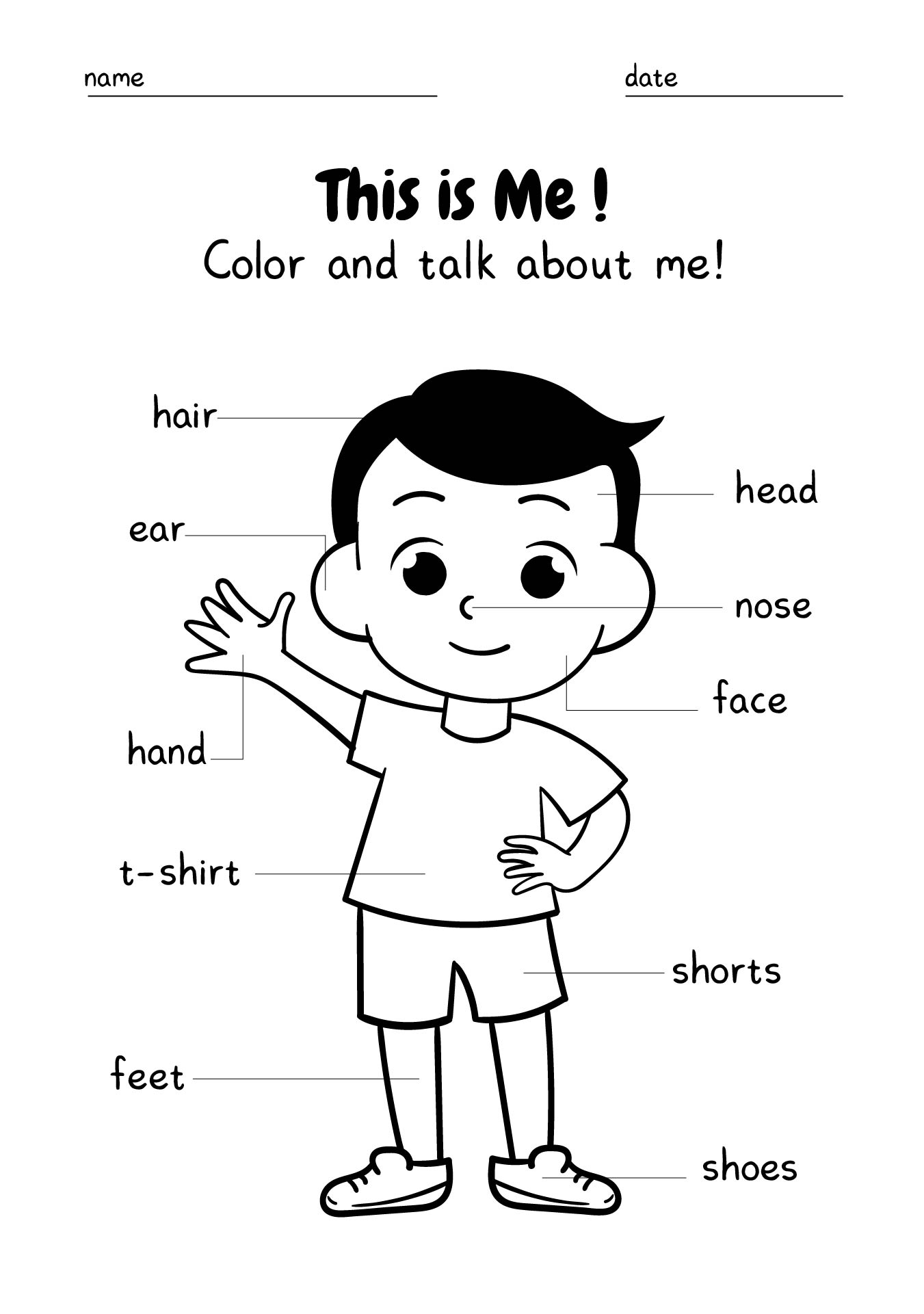
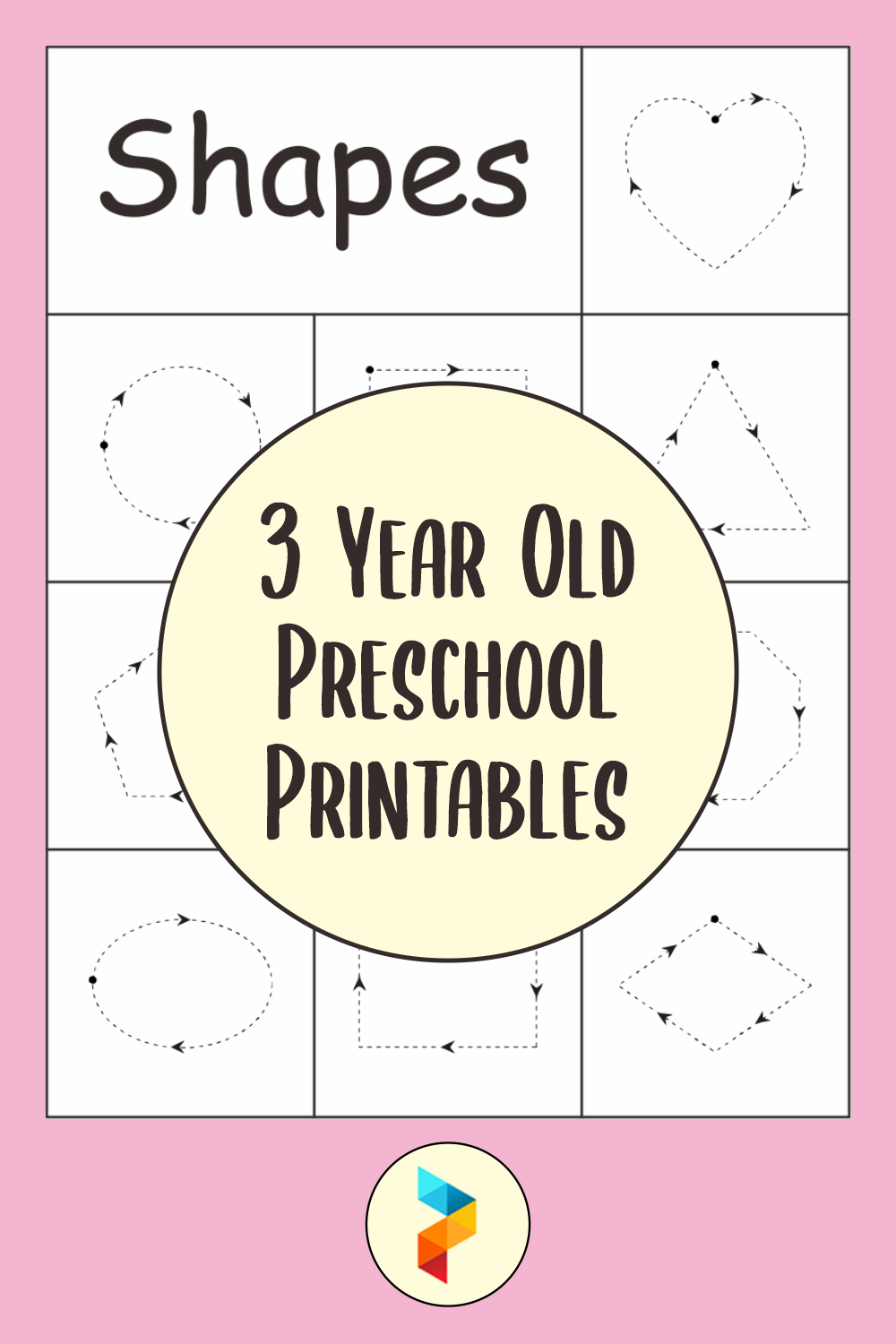
Handwriting mechanics for three-year-old learners depend fundamentally on proximal stability, requiring core and shoulder strength before isolated finger movements can occur. Selecting appropriate tracing worksheets dictates whether a child develops an efficient tripod grasp or a fatiguing fist grasp. Instructional templates must feature oversized graphics, bold starting dots, and directional arrows to guide visual tracking from left to right. Educators and parents must incorporate coloring worksheets alongside linear tracing pages to build sustained pencil pressure control and endurance.
Key Specifications and Breakdown
| Skill Level / Grade | Target Stroke / Mechanical Focus | Pedagogical / Coaching Cue |
|---|---|---|
| Early Age 3 (Beginner) | Vertical lines, horizontal lines, and gross circular motions | “Start at the top green dot and pull straight down like rain falling.” |
| Mid Age 3 (Intermediate) | Diagonal slashes, intersecting cross shapes, and simple curves | “Glide across the page smoothly without lifting the marker.” |
| Late Age 3 (Advanced) | Closed shapes, concentric circles, and initial letter writing worksheets | “Keep the pencil tip glued to the paper all the way around.” |
Children at age three require gross-motor integration and sensory-rich writing surfaces to develop proper distal finger control and optimal visual-motor coordination before transitioning to standard paper. — American Occupational Therapy Association (AOTA)
Step-by-Step Practical Application and Guidelines
Implementing early writing activities successfully requires a progressive daily routine that respects the short attention spans typical of toddlers. Begin each session by warming up hands through finger plays, clay manipulation, or vertical wall coloring to engage shoulder stabilizers. Introduce foundational exercises like name practice worksheets using thick, non-toxic crayons or short triangular pencils that naturally encourage proper finger positioning. Limit focused desk time to five or ten minutes maximum per session, ensuring that learning remains an engaging, positive sensory experience rather than a source of frustration.
Common Challenges and How to Avoid Them
Preventing bad handwriting habits early requires addressing common developmental roadblocks such as tight fist grasps, hand fatigue, and incorrect stroke sequencing. When a child reverts to palmar grasping, immediately transition activities to vertical easels or clipboards tilted at a forty-five-degree angle, which naturally forces wrist extension and proper finger placement. Avoid forcing traditional lined writing paper too early, as young eyes and developing spatial maps require unconstrained, large-format boundaries to prevent cognitive overload and motor burnout.
💬 Frequently Asked Questions
Explore More Free Handwriting and Character Worksheets
Accessing comprehensive educational resources is essential for building a robust foundational literacy curriculum at home or inside the classroom. Explore the full library of curated worksheets available directly through CharacterWritingWorksheets.com to support continuous fine-motor and character development.
Worksheet Previews & Reference Materials