Introduction
Preschool worksheets for 2 year olds are foundational early childhood development tools specifically designed to foster fine-motor control, hand-eye coordination, and pre-writing grip mechanics through developmentally appropriate tactile activities. According to the National Association for the Education of Young Children (NAEYC), purposeful early motor tasks establish the neural pathways essential for future academic success and cognitive growth. Early educators utilize specialized preschool worksheets to bridge free-form play with structured cognitive development. Developing fine motor mastery at age two requires intentional design, avoiding miniature letter grids in favor of large, expansive visual canvases that accommodate developing palmar and digital grasps.
Handwriting Practice Snapshot:
- Core Focus: Developing foundational grip strength, spatial awareness, and gross-to-fine motor transitions for toddlers.
- Target Scope: Two-year-old learners operating in home, preschool, and therapeutic developmental settings.
- Key Recommendation: Prioritize unlined tactile pathways, large primary crayons, and short five-minute active engagement sessions.
Core Principles and Detailed Overview
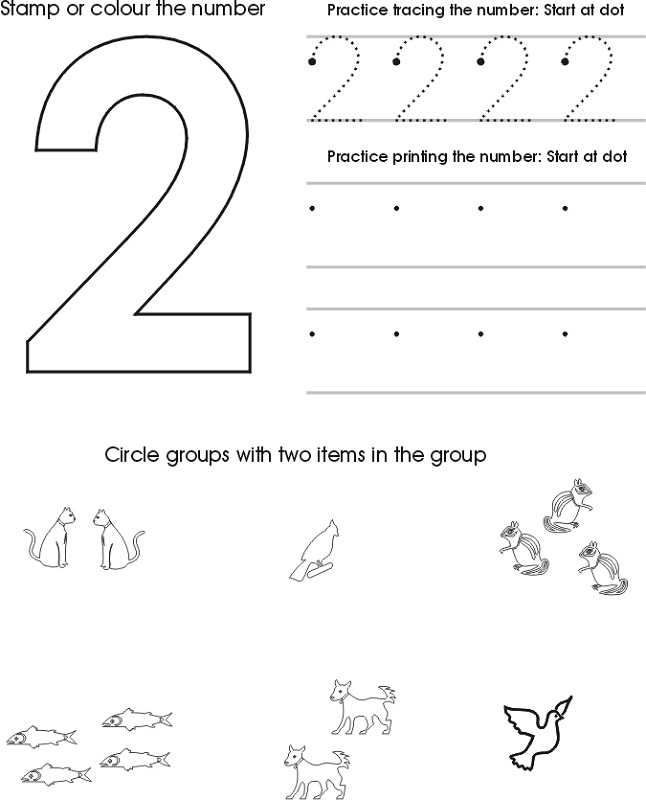
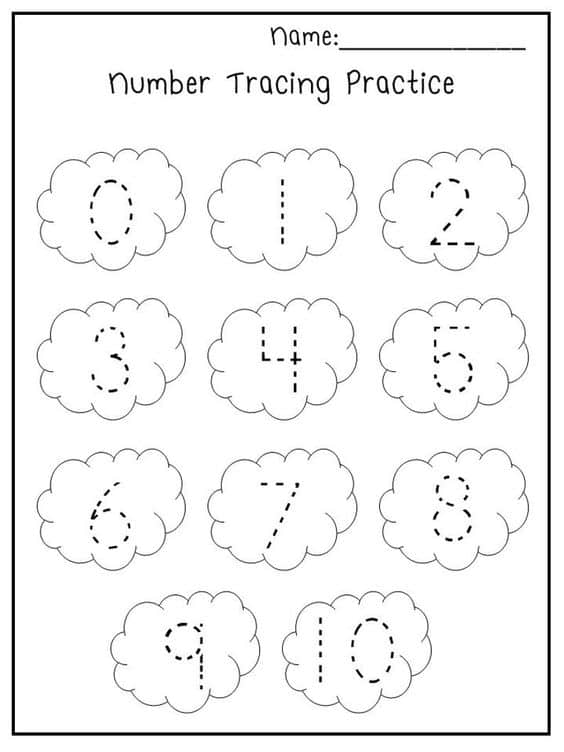
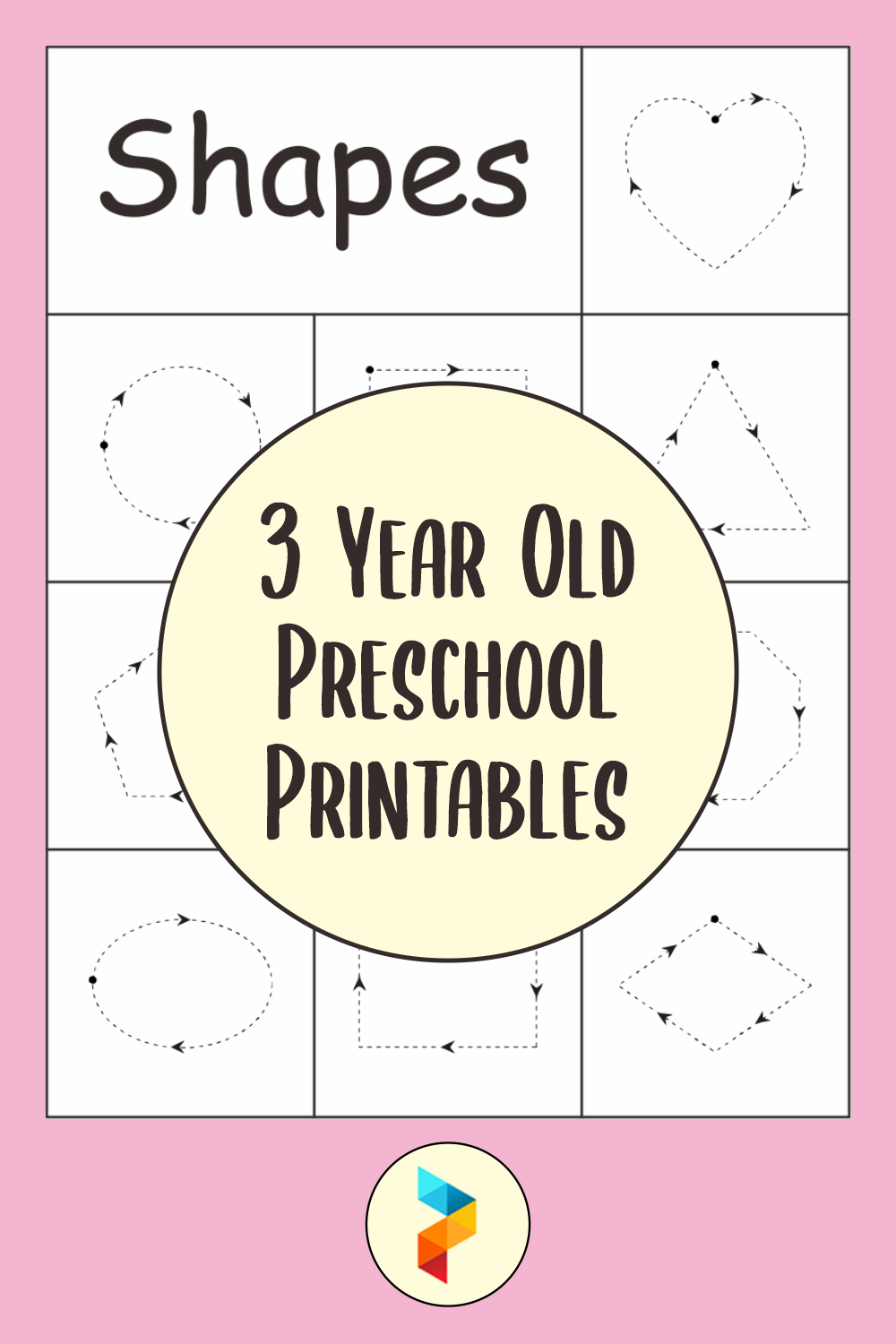
Preschool worksheets for 2 year olds operate effectively by focusing exclusively on pre-writing strokes—such as vertical lines, horizontal lines, and simple circles—long before introducing standard alphabet characters. Children at this developmental stage possess immature intrinsic hand muscles, meaning instruction must emphasize large arm movements driven from the shoulder and elbow rather than isolated finger pinching. Integrating structured tracing worksheets featuring thick, high-contrast borders helps toddlers visually track directional movement while maintaining physical engagement. Practitioners must ensure that early materials avoid complex geometric intersections, keeping visual stimuli focused solely on simple tracking paths that match the natural lateral sweep of a toddler’s arm.
Key Specifications and Breakdown
| Skill Level / Grade | Target Stroke / Mechanical Focus | Pedagogical / Coaching Cue |
|---|---|---|
| Young Toddler (Age 2) | Palmar grasp, continuous scribbling, and vertical strokes. | “Move the crayon up to the sky and down to the grass.” |
| Mid Toddler (Age 2.5) | Horizontal tracking and large circular motions. | “Drive the car across the road from left to right.” |
| Late Toddler (Age 2.9) | Imitative cross strokes and controlled directional lines. | “Help the puppy find the bone by following the thick path.” |
Early childhood motor development relies on large proximal muscle control before distal hand precision can emerge. — American Occupational Therapy Association (AOTA)
Step-by-Step Practical Application and Guidelines
Implementing preschool worksheets for 2 year olds requires a structured environmental setup that prioritizes physical comfort, ergonomic seating, and non-toxic, oversized writing utensils. Begin sessions by placing the worksheet on a flat, slip-resistant surface, securing the paper with low-tack tape if the toddler struggles with unilateral stabilization. Select engaging materials from verified collections like coloring worksheets to build initial wrist stamina without demanding rigid stroke accuracy. Guide the child’s hand gently through the first two repetitions to model spatial awareness, then allow independent exploration. Limit practice blocks to five or ten minutes maximum to prevent physical fatigue, hand cramping, and cognitive disengagement.
Common Challenges and How to Avoid Them
Preventing frustration with preschool worksheets for 2 year olds involves addressing common developmental roadblocks such as premature pencil grasping, rapid loss of attention, and paper tearing. Toddlers frequently revert to a fist-like palmar grasp; educators should correct this gently by providing broken crayon stubs that naturally encourage a three-finger transitional grip. If a child demonstrates resistance toward standard line-tracing, transition temporarily to multisensory tactile tracing sheets or broad creative assets found within name practice worksheets customized for early recognition. Never force compliance or extend practice intervals past the point of natural curiosity, as positive emotional association with writing tools remains paramount at age two.
💬 Frequently Asked Questions
Explore More Free Handwriting and Character Worksheets
Accessing comprehensive educational resources empowers parents and educators to build sustainable early literacy foundations from the ground up. Explore the complete library of structured practice materials available directly through CharacterWritingWorksheets.com to discover specialized printables tailored for every distinct stage of early childhood motor development.
Worksheet Previews & Reference Materials