Introduction
Preschool worksheets for 4 year olds are structured pedagogical tools designed to transition young learners from gross-motor play to fine-motor writing precision through targeted stroke execution, spatial awareness, and letter formation exercises. According to the National Association for the Education of Young Children (NAEYC), purposeful early writing experiences built on developmentally appropriate practice scaffold the neural pathways necessary for lifelong literacy and academic fluency. These foundational sheets bridge the gap between creative expression and structured symbol retention by providing visual cues, directional arrows, and ample white space for developing hands. Educators and parents utilizing preschool worksheets can systematically target pencil grip, hand-eye coordination, and left-to-right visual tracking.
Handwriting Practice Snapshot:
- Core Focus: Building fine-motor dexterity, pencil control, and accurate stroke sequences for four-year-old learners.
- Target Scope: Classroom instruction and home-schooling environments focusing on foundational pre-writing shapes.
- Key Recommendation: Prioritize short, daily 5-to-10 minute sessions utilizing structured tracing sheets over extended, fatiguing blocks.
Core Principles and Detailed Overview
Effective handwriting development relies on mastering foundational vertical, horizontal, and diagonal strokes before attempting complex alphabetical character formation. Structured tracing worksheets provide the physical repetition required to build intrinsic hand muscle strength and bilateral coordination in four-year-old children. Instruction at this developmental stage must emphasize correct pencil grasp—typically the dynamic tripod grasp—to prevent long-term muscular fatigue and poor letter alignment. By integrating specialized letter writing worksheets alongside creative coloring worksheets, instructors foster both fine-motor endurance and cognitive recognition of letter-sound relationships.
Key Specifications and Breakdown
| Skill Level / Grade | Target Stroke / Mechanical Focus | Pedagogical / Coaching Cue |
|---|---|---|
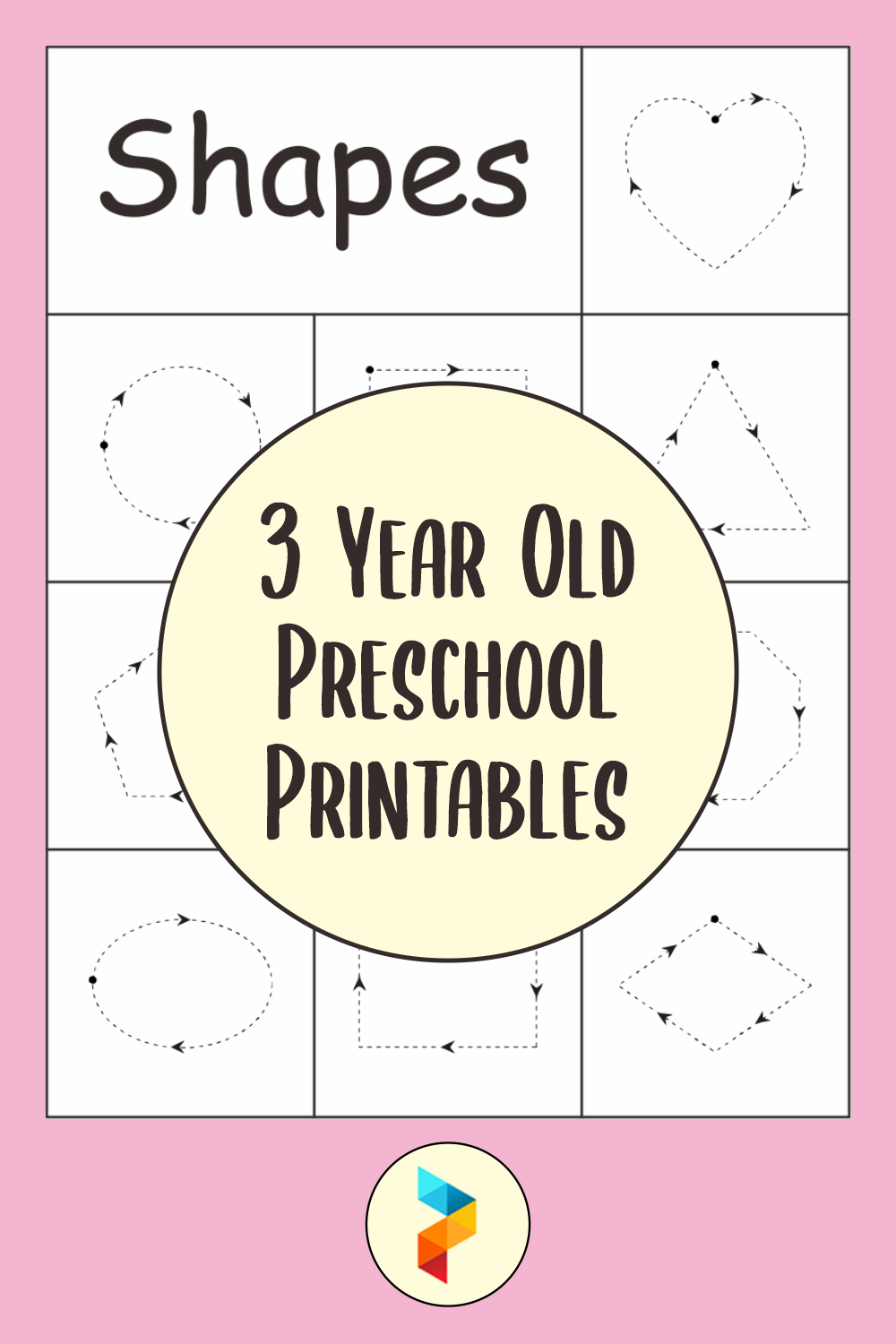
| Young Four (Early Stage) | Vertical lines, horizontal lines, and large circles | “Start at the smiling sun at the top and pull straight down to the grass.” |
| Mid Four (Developing Stage) | Diagonal slashes, crosses, and intersecting paths | “Keep the pencil moving smoothly from corner to corner without lifting.” |
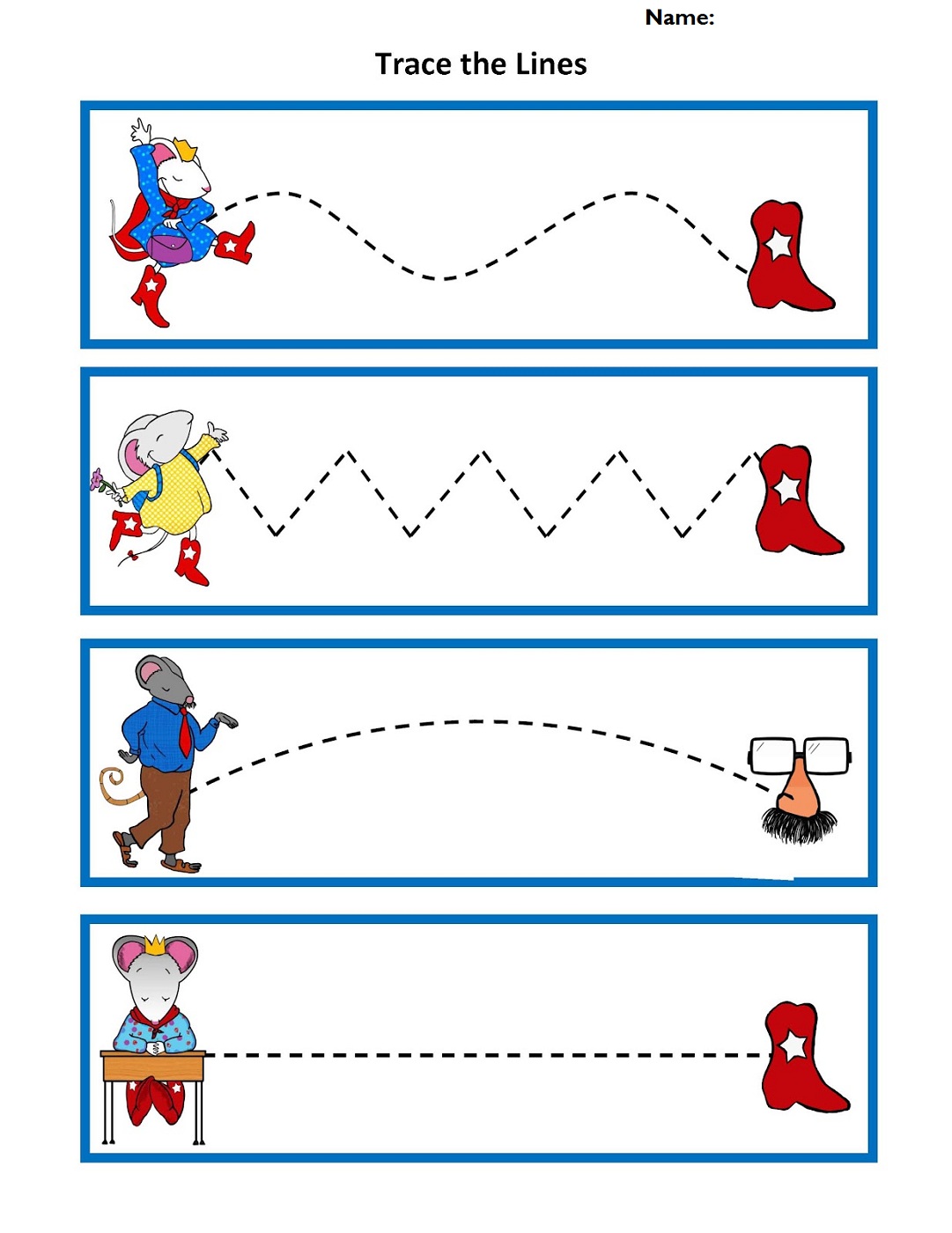
| Advanced Four (Transition Stage) | Curved paths, continuous loops, and capital letters | “Trace the dotted line softly like an airplane gliding through the clouds.” |
Early childhood fine-motor programs must integrate tactile, kinesthetic, and visual modalities to support optimal hand-eye coordination and spatial perception in four-year-old learners. — American Occupational Therapy Association (AOTA)
Step-by-Step Practical Application and Guidelines
Implementing preschool worksheets for 4 year olds requires a structured pedagogical approach that prioritizes form over speed. Begin each session by having the child trace physical shapes in the air or in a shallow tray of sand to establish kinesthetic memory before touching the paper. Ensure the workspace features child-sized seating where feet rest flat on the floor and elbows bend at a comfortable ninety-degree angle. Guide the child to stabilize the paper with the non-writing hand while executing strokes from top to bottom and left to right. Transition gradually from large-format pre-writing lines to targeted name practice worksheets to maintain high engagement and personal relevance.
Common Challenges and How to Avoid Them
Hand fatigue, incorrect pencil grips, and resistance to structured tracing often stem from introducing advanced writing tasks before the child has developed sufficient intrinsic hand strength. Educators and parents can prevent these hurdles by limiting worksheet sessions to brief, positive intervals and swapping standard thin pencils for shorter triangular crayons that naturally encourage proper finger placement. If a child demonstrates bottom-to-top stroke habits, immediately re-model the motion while verbalizing directional cues to reinforce correct muscle memory. Consistent reinforcement of correct posture and stroke direction ensures that bad mechanical habits do not solidify as children progress toward complex character formation.
💬 Frequently Asked Questions
Explore More Free Handwriting and Character Worksheets
Building a robust foundation in early literacy requires continuous access to diverse, high-quality practice materials tailored to developing learners. Educators, parents, and homeschool instructors can discover an extensive library of free, professionally designed educational assets by exploring the comprehensive resources available at CharacterWritingWorksheets.com to support every stage of early childhood pencil mastery.
Worksheet Previews & Reference Materials